Fit Women Have High Cholesterol, Too: Menopause, Statins, and Other Lipid-Lowering Drugs with Tamanna Singh, MD (Episode 301)
64 min
Listen through the publisher, then discuss the episode here or arrange an in-person Roundtable. Your city determines where to meet.
Roundtables are designed for groups of four, with a shared subject and room for everyone to speak. Come for discussion, with no dating expectation.
You exercise, eat well, and have had "good" cholesterol numbers for years. Then menopause hits, your estrogen drops, and your LDL goes up. Many healthy, active women feel like they’ve “failed” when they watch their lipids rise despite doing “everything right.” This week, Selene shares her own frustrating cholesterol journey and brings back sports cardiologist Dr. Tamanna Singh of Cleveland Clinic to explain why this happens and why it isn't your fault. She covers which numbers really matter, including LDL, ApoB, and Lp(a). She also discusses what the new ACC/AHA guidelines mean for women and when imaging can help you decide on treatment. Then she clears up the confusing messages about statins, from muscle aches to diabetes and dementia fears, and walks through the other lipid-lowering drugs, supplements, and food changes you can try. Her message is that being fit doesn't make your heart bulletproof, and knowing your numbers puts you back in control. Dr. Tamanna K. Singh is a board-certified adult clinical and sports cardiologist, marathon runner, and RRCA-certified run coach. At Cleveland Clinic, she is Co-Founder and Co-Director of the Women's Integrated Sports, Exercise, & Research Center (WISER), Director of the Sports Cardiology Center, and Director of the Stress ECG Lab. She is also Assistant Professor of Medicine at the Cleveland Clinic Lerner College of Medicine of Case Western Reserve University, where she co-directs the first-year Cardiovascular and Respiratory Sciences course. She has held several council roles with the American College of Cardiology and currently serves on its Sports and Exercise Cardiology Leadership Council. Dr. Singh cares for professional, competitive, and recreational athletes and advocates for safe participation in sports. She is a medical advisor and occasional writer for Hearst and Runner's World, and her work has also appeared in the New York Times, Wall Street Journal, and Time. A former multisport athlete, she enjoys marathons and weightlifting. Resources: Updated Guideline for Managing Lipids, Cholesterol (https://www.acc.org/about-acc/press-releases/2026/03/13/18/01/accaha-issue-updated-guideline-for-managing-lipids-cholesterol) Courses and Coaching: https://livefeisty.com/courses/ Feisty Menopause: @feistymenopause Support our Partners:
Episode information is provided by the publisher. Listening takes place on the publisher’s service.
Today, I’m honored to connect with Dr. Troy Badger. He is a board-certified cardiologist and interventionalist and the founder of Cardiostrong, a concierge preventive cardiology clinic in Provo, Utah, focused on reducing cardiovascular risk, optimizing metabolic health, and improving strength and cardiorespiratory fitness for executives and athletes. In today’s conversation, we discuss Dr. Badger’s gender- and age-specific approach to heart health, including treatment differences for men and women, and diagnoses such as INOCA, SCAD, vasospastic disease, and Takotsubo. We examine emotions and their influence on heart health, coronary ischemia and cardiomyopathies, labs and diagnostics, how Dr. Badger assesses risk in his patients, and the differences between a CAC and a CCTA. Dr. Badger also shares the labs he finds essential for all patients and discusses the role of VO2 Max, cardiovascular training, and lifestyle—specifically nutrition, the use of GLP-1 drugs, and a multidisciplinary
For a written breakdown, more nuances and early access to content, see the associated newsletter: https://open.substack.com/pub/staycuriousmetabolism/p/im-finally-lowering-my-cholesterol?r=40ekz2&utm_campaign=post&utm_medium=web&showWelcomeOnShare=true (https://open.substack.com/pub/staycuriousmetabolism/p/im-finally-lowering-my-cholesterol?r=40ekz2&showWelcomeOnShare=true) Statin RCT Video: https://youtu.be/d9LeDSoYOVc Ezetimibe Video: https://youtu.be/5idzP5ghT7A Bempedoic Acid Letter: https://staycuriousmetabolism.substack.com/p/beyond-cholesterol-the-unfolding?r=40ekz2 Description For the last seven years, despite extremely high cholesterol, I refused cholesterol-lowering medications. But I’ve just changed my mind…sort of. In this video, I walk through the full decision-making process: the risks, the uncertainty, the medical context, and the nuances that made this case unusually complicated. There are three plot twists. This is not medical advice. It’s a detailed look at an unusual
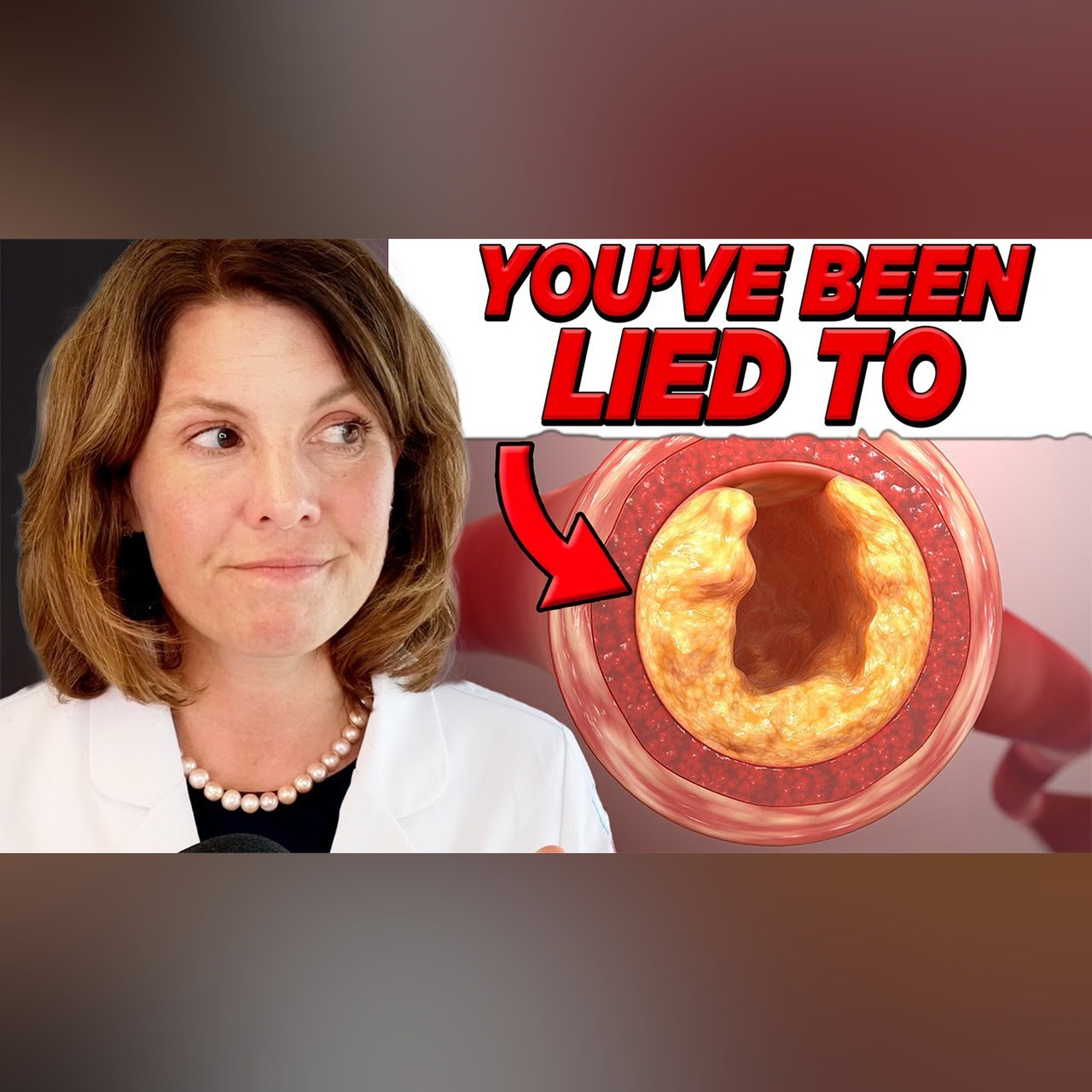
STATINS. They're the first drug doctors reach for if your LDL cholesterol comes back elevated. But there are some major problems that most gloss over. -------------- The Workbook: https://on.bozmd.com/BozWorkbook --------------------- Thanks for checking out the Dr. Boz Channel. See links below resources and recommendations. Tune in Tuesday nights, 4PM Eastern/3PM Central to watch me Live! We improve health - One ketone at a time. --------------------- FREE STUFF 50 Keto Fat-Facts: http://on.bozmd.com/50fat Dr. Boz Ratio Spreadsheet: http://on.bozmd.com/DBR Documentary Playlist: https://on.bozmd.com/AT --------------------- Dr. Boz’s Online Courses: Consistently Keto: http://on.bozmd.com/CK BRAINS: https://on.bozmd.com/BrainsT2R --------------------- WAYS TO SUPPORT THIS CHANNEL: Share Dr. Boz content with people you love. Everyone wins when you share. Buy Dr. Boz Products: Dr. Boz Food Guide: http://on.bozmd.com/FoodGuide Walmart: https://on.bozmd.com/WalmartKetoMap Amazon: https://on
Rob reveals his secrets to keeping things hot in the bedroom throughout his marriage and well after menopause and he called in to talk all about it. Tune in to hear all the details including how things changed in their bedroom once his wife finally spoke up about her not having orgasms, what he learned about pleasing her and how he went on a mission to figure her out, the books he read that completely changed the game, how their sex life changed when she went through menopause, all the things he tried to make sex more pleasurable again for her, how he came up with a unique way to apply lubricant that helped prevent pain and tearing, how his wife had a prolapsed cervix and the surgery she had to correct it, how and why she became way to tight afterwards, what he introduced in the bedroom that completely loosened her up and allowed her to start having sex again, why she refused to go on HRT and the over-the-counter products he found for her that helped with vaginal dryness and tearing, h
Is your body weight stable, but you're still not eating enough to properly fuel your training, recovery, and overall health? Introducing Why Stable Weight Doesn't Always Mean You're Eating Enough from Jeff Hoehn of the Mind Muscle Connection Podcast (https://www.buzzsprout.com/1508401). Just because your weight isn't changing doesn't necessarily mean you're adequately fueled. In this episode, Jeff breaks down why maintaining a stable body weight doesn't always mean you're meeting your body's energy needs, especially if you're training hard, staying lean, or spending long periods dieting. You'll learn: Why stable body weight doesn't automatically mean adequate energy availability Who is most at risk of underfueling, even when their weight isn't changing How high training output, staying too lean, and chronic dieting can contribute to low energy availability The potential signs of underfueling, including changes in performance, recovery, hormones, and menstrual health Why spending too lo
If you're training hard but feeling wiped, eating a restricted diet for your gut, or just never hungry after a tough workout, you might not be getting the protein you need. This episode breaks down how much you really need and how to get it without upsetting your gut. YOU'LL TAKEAWAY: Macronutrients and calories 101, and how restrictive diets throw off your balance How your body digests protein, and why it matters before workouts The many roles of protein, from enzymes and iron storage to post-workout appetite How much protein you need, plus 3 easy low FODMAP ways to boost it — RESOURCES & LINKS MENTIONED: ⤵️ Want high touch coaching support for IBS & fuelling performance? Apply for coaching. (http://gutfitnutrition.com/apply) Free Training: How to Control IBS So You Can Fuel Your Training Without a Lifelong Low FODMAP Diet (https://gutfitnutrition.com/heal-ibs-training-live) Supporting your immune system when you're sick (Ep. 70) (https://open.spotify.com/episode/5bCto0jWLcbC5hQW4hrH6
Artist, author, and gravel racer Lisa Congdon is back for the first time in more than three years, and a lot has happened. She had both knees replaced seven weeks apart, raced the Unbound 50 five months later, and got her power numbers back. Then she decided to stop chasing them. Lisa talks about her 2026 goals, "chase adventure instead of power numbers" and "stop hating your body," and about the five-day, 270-mile Tour of the Giants bikepacking trip that put both goals to the test. Lisa opens up about the years she spent restricting carbs to stay small, gaining weight once she started fueling properly, and the secret fight with her body that followed. She also shares what it's like to manage hot flashes without hormone therapy after estrogen-receptor-positive breast cancer, why cycling pulls her out of hormonal low points, and why saying your shame out loud is the first step to letting it go. Finally, we dive into the menopause industrial complex, GLP-1 pressure, and the joy of having
In this special Hit Play Not Pause bonus episode, Selene introduces some of the expert educators behind Feisty Winter Training, a 16-week program designed to help women build fitness, strength, and knowledge through the winter months. Through highlights from Feisty's Hit Play Not Pause, The Women's Performance Podcast, and Another Mother Runner, you'll hear conversations about athletic burnout, perfectionism, menopause, injury prevention, fueling, and why more training isn't always better. Meet the featured experts: Dr. Erin Ayala – Licensed psychologist, certified mental performance consultant, and host of The Women's Performance Podcast, specializing in athlete mental health, motivation, performance, and burnout. Dr. Carla DiGirolamo – Double board-certified OB/GYN and reproductive endocrinologist specializing in the health and performance of active women across the lifespan, including perimenopause and menopause. Dr. Kim Hollingdale – Licensed psychotherapist and certified mental pe
Does it feel like your back is always cranky or your hips are chronically tight? Your problem might not be where it hurts…or what it seems. As Dr. Heidi Prather, a sports medicine and hip preservation physiatrist at Hospital for Special Surgery (HSS), explains this week, back pain can start in the hips, and “tight” hips can be a sign of instability—which stretching can make worse. We also cover estrogen and inflammation in the menopause transition, plus fascia, angry nerves, frozen shoulder, how sleep and anxiety affect pain, and her best advice for staying out of her office. Dr. Heidi Prather is a Professor of Physical Medicine and Rehabilitation at Hospital for Special Surgery (HSS)/Weill Cornell Medicine and the Founder and Medical Director of the HSS Lifestyle Medicine Program. The program helps people with musculoskeletal pain reduce pain and function better through behavior change. Before HSS, she spent more than 20 years at Washington University School of Medicine in St. Louis,
Institutional reforms should be judged by measurable changes in people's experiences.
Share your view, then see how readers voted. No sign-in required. This poll is shared across stories.
Do you agree or disagree?
Common Quandary
A Common Quandary to discuss
Another conversation to explore, separate from this news story.
Your ex's streaming password still works. When does borrowing become stealing?
Months after a friendly breakup, your television remains logged into your ex's streaming account. They have never mentioned it, the service allows several screens, and your viewing does not increase their monthly bill.
Can silence count as permission when asking might end the benefit?