Foreign Agents Registration Act Origins Kenneth P. Vogel, author of Devil's Advocates, VOGEL4
5 min
Listen through the publisher, then discuss the episode here or arrange an in-person Roundtable. Your city determines where to meet.
Roundtables are designed for groups of four, with a shared subject and room for everyone to speak. Come for discussion, with no dating expectation.
1932 BABYLON LION GATE Foreign Agents Registration Act Origins Kenneth P. Vogel, author of Devil's Advocates, explains the history and current use of the Foreign Agents Registration Act (FARA). Congress passed it in 1938 to counter Nazi propaganda that sought to whitewash Adolf Hitler's regime and keep America out of World War II. It was designed as a disclosure law. Vogel notes that FARA does not ban foreign lobbying but requires strict public reporting so that paid foreign influence in Washington is transparent. Part Four. (4)
Episode information is provided by the publisher. Listening takes place on the publisher’s service.
As President Trump overhauls foreign policy, turning towards old adversaries and raising questions about national security, Richard Haas, President Emeritus of the Council on Foreign Relations, discusses what decades on the frontlines of American diplomacy tell him about the road ahead. Then, as the country takes stock after the midterms, Pulitzer Prize-winning author Barbara Kingsolver discusses her new novel 'Partita' and what her work reveals about America today. As millions of Americans reunite with loved ones for Thanksgiving, correspondent Rafael Romo reports on two brothers' journey to find the mother they were stolen from in Chile. Then, musician David Byrne tells Christiane about his new book 'Sleeping Beauties', which details the ideas, art styles and more that lie dormant before making a comeback. From the archives, a look back at Christiane's report from besieged Sarajevo on Thanksgiving Day, 1993, when an extraordinary aid effort managed to get food to the most vulnerable.
Joining me on the show is author Kevin Paul who's here to discuss the strange paranormal activity happening in Greene County, Pennsylvania. Get his book Haunted Hills and Hollows: What Lurks in Greene County Pennsylvania on Amazon. The Most Haunted County in America The far southwest corner of Pennsylvania looks on the surface to be a pleasant rolling, river-cut landscape carpeted with vegetation and trees. But underneath is a bloody history and a supernatural reality brimming with ghosts, aliens, unknown creatures – and things that can change a person's life forever. Kevin Paul, a native of Greene County, and paranormal researcher Rosemary Ellen Guiley take you deep into Greene County's dark and unexplored corners to uncover a twilight world that exists alongside of us, waiting for us to be in the right place at the right time to make itself known. Here are true stories of drifting ghosts, strange alien beings and their sky craft, Bigfoot, dogmen, Lizard Man, black "blobs," winged hum
The 2026 World Chess Championship began in Geneva this week, and this year’s championship is the youngest in history, between Gukesh Dommaraju from India, and Javokhir Sindarov from Uzbekistan, both of whom are 20 years old. Gukesh is the defending champion, who became the world’s youngest undisputed champion aged 18 in 2024, and the second world champion from India. But Gukesh has never beat Sindarov in a classical game. If Sindarov wins, he would be the first undisputed world champion from Uzbekistan. Guest: Peter Doggers is a contributing writer at Chess.com, and author of the book The Chess Revolution: How an Ancient Game Became Even Bigger in the Digital Age. Guest: Peter Doggers is a contributing writer at Chess.com, and author of the book The Chess Revolution: How an Ancient Game Became Even Bigger in the Digital Age.
In today's brief: The SR-71 designer's UFO: Lockheed's Kelly Johnson saw a dark ellipse over his ranch in 1953, and the Pentagon file calls it a lenticular cloud. Drones over Wright-Patterson: FBI-released Air Force records describe a drone over the base's dog kennel and a radio gone "muffled and distorted". A flash on CCTV in Brazil: a streak of light crosses a street in Ponta Grossa moments before a storm. Six UFO files: a bipartisan group presses the DIA to release files said to include triangle videos. AARO reporting tool: Sen. Kirsten Gillibrand says the public reporting tool should go live soon. A survivable wormhole: a physicist in Chile works out the maths, if you can find 45,000 Suns of exotic matter. Quick hits: octopus-style camouflage for cars, a 1960s letter under Nottingham floorboards, and Google's Truman Show patent. Every story and source: https://believepod.com/ufo-paranormal-news-29-november-2026/ New episodes every morning. Keep your eyes on the sky. Sources: Curios
With Democrats set to take control of both chambers of Congress in January, President Trump is signaling surprising optimism about working across the aisle, floating potential compromises on healthcare as lawmakers race to finish business before the current session expires. FOX News Chief Congressional Correspondent Chad Pergram joins The Rundown to break down what legislation could survive the lame-duck period, while examining the December government funding deadline, the $50 billion FAA request, and the future of impeachment efforts against Defense Secretary Pete Hegseth. Later, Arkansas Governor Sarah Huckabee Sanders weighs in on how Republicans can bounce back from their midterm losses ahead of 2028 by focusing on kitchen-table affordability issues, shares how her state overhauled education, and discusses her new book, Unapologetic: Clarity and Conviction in a World Gone Crazy.
Andrew Mountbatten-Windsor’s arrest tops Palace Intrigue’s countdown of the biggest royal stories of 2026. Mark Francis revisits the February arrest on suspicion of misconduct in public office, the photograph that went round the world and the October ruling that quashed the search warrants. Andrew denies wrongdoing, and police said the investigation would continue.The finale also looks at Harry and Meghan’s move back to Britain with Archie and Lilibet, the questions it raised about security and royal duties, and King Charles and Queen Camilla’s state visit to the United States. From the King’s address to Congress to the scrutiny of Andrew’s former role as a trade envoy, Mark asks what this year could change about the work royals do on Britain’s behalf. One subscription, the whole family, no ads. Try it free for 30 days: tap Try Free in Apple Podcasts. Got an App Store gift card? This is a good use for it. New episodes every day. Follow on Apple Podcasts, Spotify, or wherever you listen
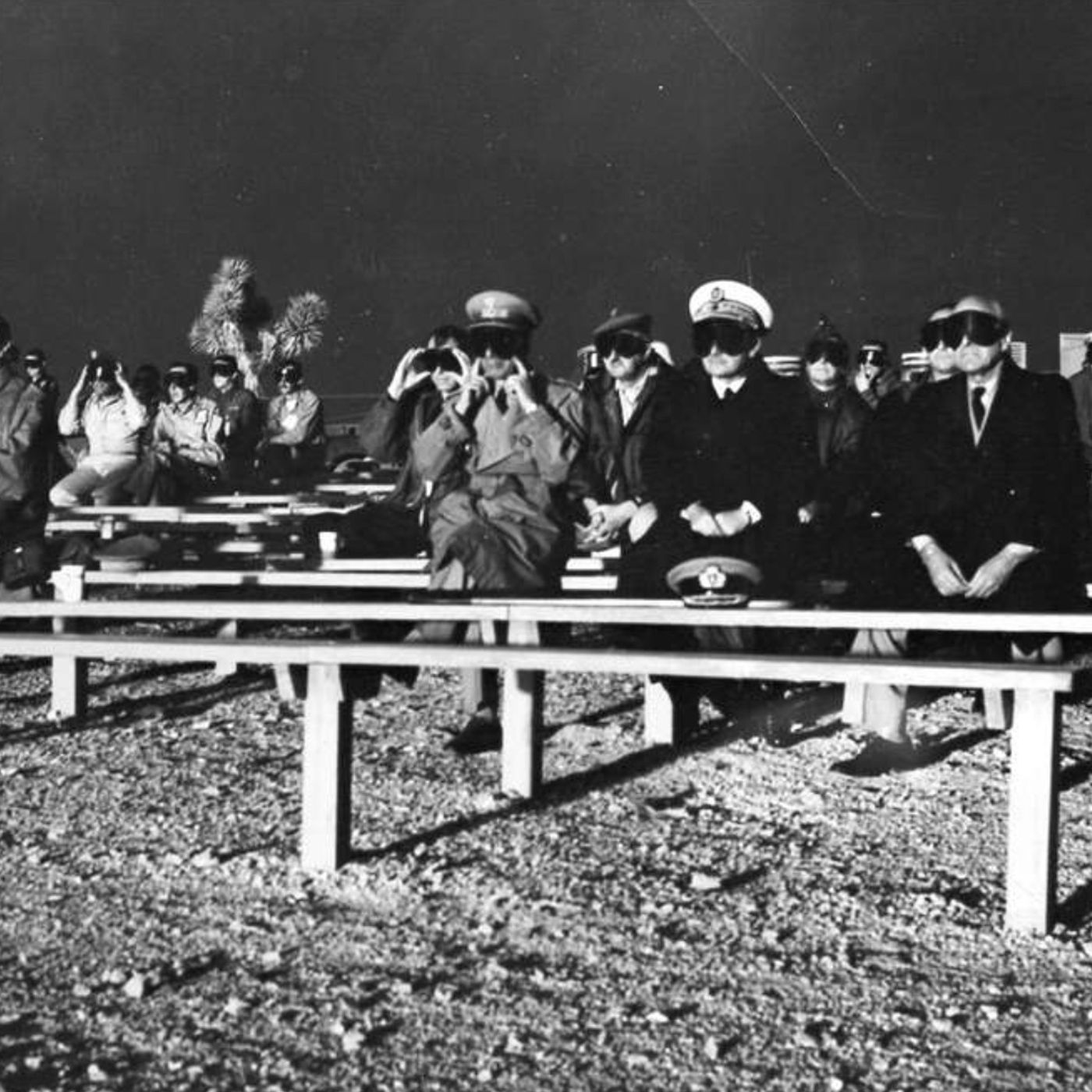
1957 PLUMBBOB ,BOLTZMAN EVENT Grand Strategy for Democratic Alliances Michael McFaul, author of Autocrats versus Democrats, sets out a long-term grand strategy for the democracies in their competition with rising autocracies. He argues that democratic alliances still hold the advantage over Russia and Chinain military, economic, technological and ideological strength. To keep that edge, he calls for strengthening democratic institutions at home and renewing investment in public diplomacy such as the Voice of America. He also urges reforming trade agreements rather than retreating into isolation, and keeping international democratic coalitions united. Part Eight. (8)
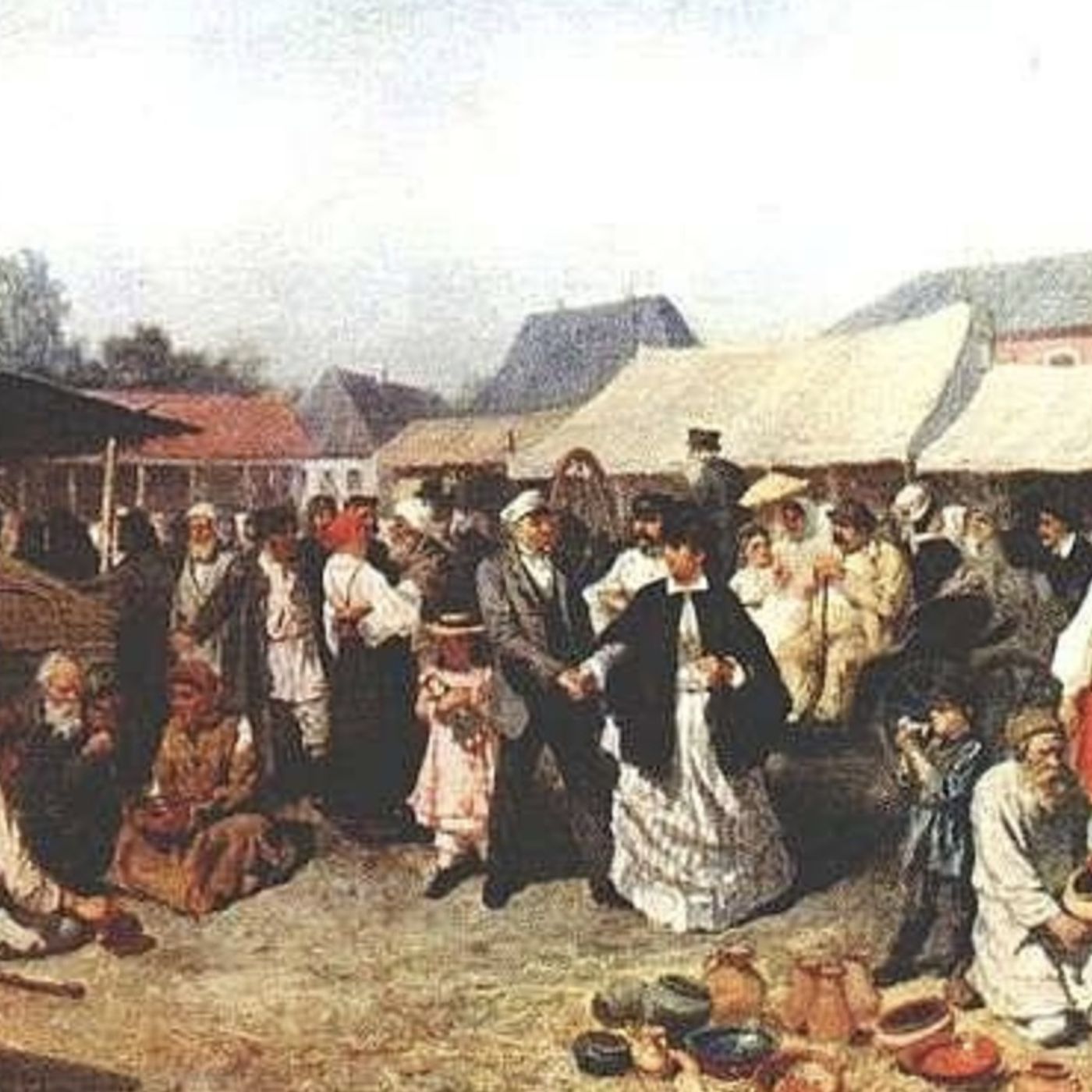
1890 UKRAINE Supporting Ukraine and Attracting Talent Michael McFaul, author of Autocrats versus Democrats, outlines strategies for countering autocratic aggression and preparing for a future political transition in Russia. He stresses that backing a decisive Ukrainian victory is essential to undermining Putin's narrative and encouraging reform inside Russia. He also urges reform of restrictive U.S. visa policies to attract top Russian and Chinese technical talent, and the strategic exploitation of the friction points in the partnership between Xi Jinping and Vladimir Putin. Part Seven. (7)
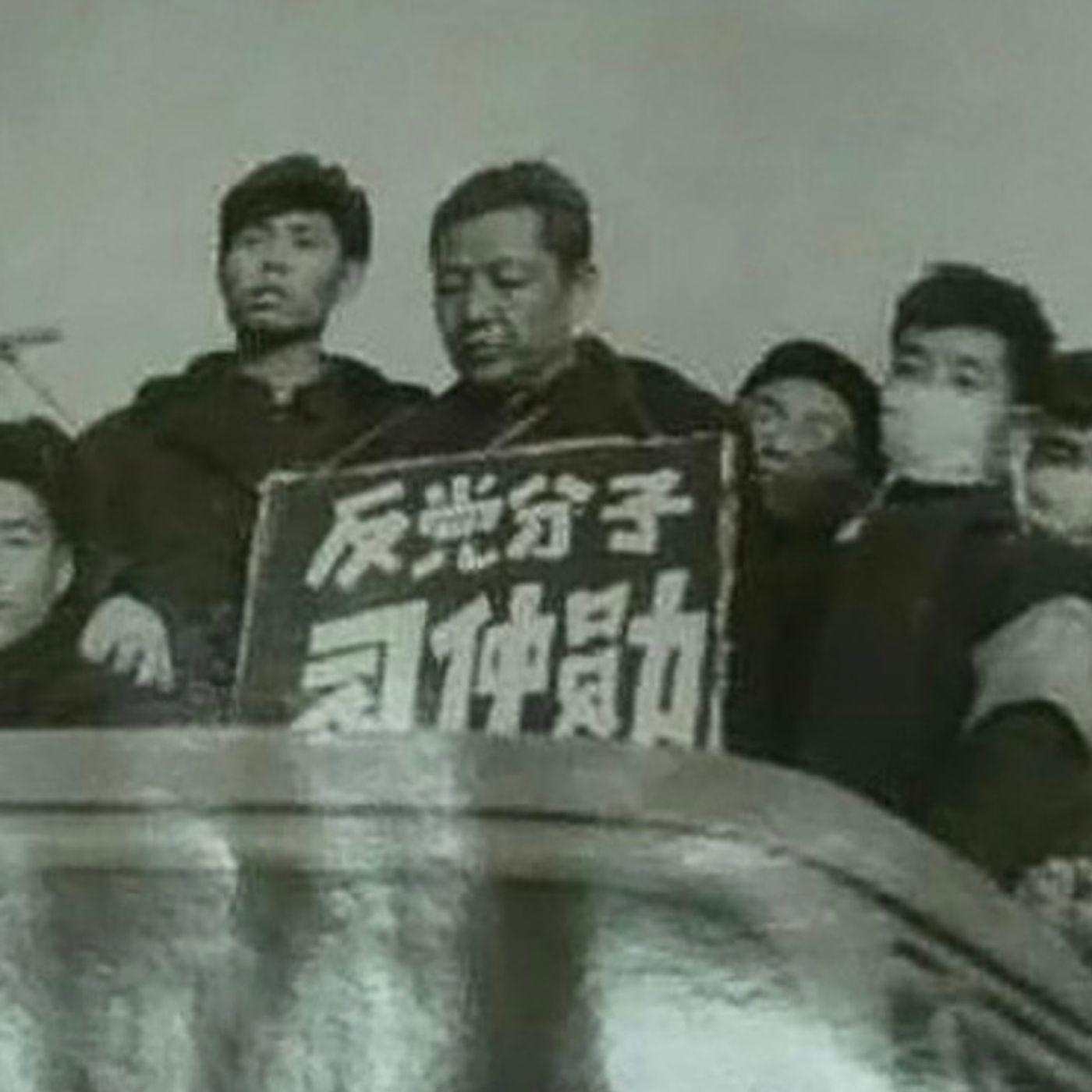
1967 RED GUARDS Autocracy, Alliances and Human Rights Michael McFaul, author of Autocrats versus Democrats, analyzes U.S. strategy toward autocrats, citing Donald Trump's meetings with Xi Jinping at Mar-a-Lago. McFaul supports strong military deterrence and direct communication with adversaries, but criticizes policies that strain key democratic alliances. He calls for pairing firm security measures with open advocacy for human rights, pointing to jailed Hong Kong publisher Jimmy Lai as a figure who can inspire democratic dissidents living under the regimes in China and Russia. Part Six. (6)
Keeping food affordable should not require producers to work for an unsustainable income.
Share your view, then see how readers voted. No sign-in required. This poll is shared across stories.
Do you agree or disagree?
Common Quandary
A Common Quandary to discuss
Another conversation to explore, separate from this news story.
Your boss offers lessons to make you sound “more professional.” Do you take them?
Clients sometimes ask an employee to repeat themselves during calls. Their manager offers company-paid speech coaching framed as clearer communication, but the employee experiences the request as pressure to hide part of their identity.
When does improving communication become demanding conformity?