Listen through the publisher, then discuss the episode here or arrange an in-person Roundtable. Your city determines where to meet.
Roundtables are designed for groups of four, with a shared subject and room for everyone to speak. Come for discussion, with no dating expectation.
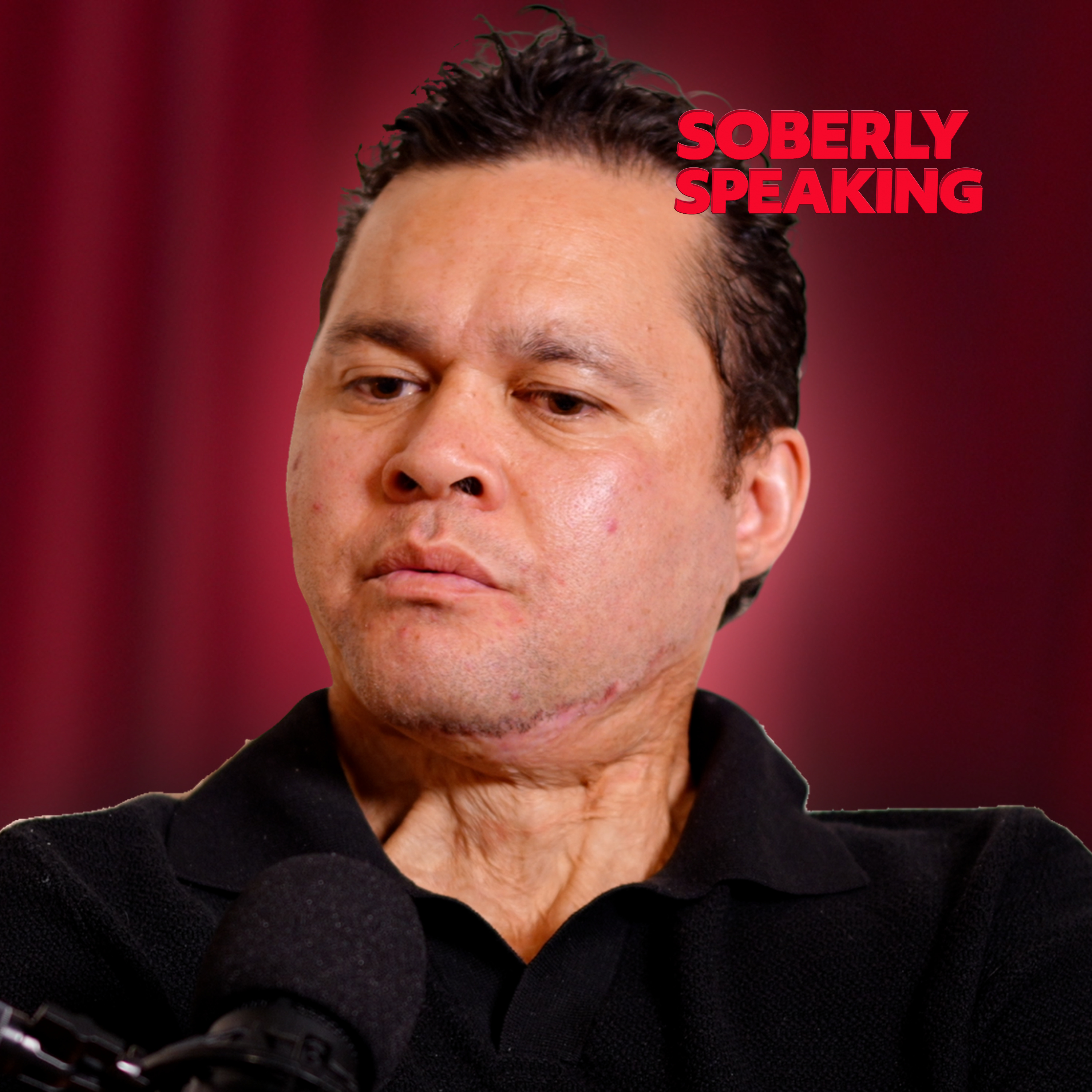
Troy Hall (https://www.instagram.com/theconductornz/) has lived through experiences most people could never imagine. Growing up desperate for his father's love, witnessing domestic violence and becoming involved in gangs, Troy found himself looking up to people who were caught up in a lifestyle that would eventually become his own. As he got older, meth became a significant part of his life. In fact, Troy describes it as the one thing that made him truly love himself. But perhaps the most extraordinary part of Troy's story is what happened next. He was electrocuted twice. The first incident stopped his heart. The second brought him back to life. He recalls lying in hospital, where the smell of his burning skin was so strong it could be detected from different wards throughout the hospital. In this episode, Troy reflects on childhood trauma, the search for acceptance, gang involvement, addiction and two near-death experiences that changed the course of his life. Follow Troy Hall on Instagram: @theconductornz (https://www.instagram.com/theconductornz/) Disclaimer: The stories and experiences shared in this episode are personal accounts told in good faith. While we strive to present these narratives accurately, the views and claims expressed are those of the individuals involved and have not been independently verified. Soberly Speaking and its host, Julia Rangiheuea, do not take responsibility for the accuracy or validity of the information shared. Listener discretion is advised. This episode contains discussions of sexual assault, addiction, drug use, mental health, suicide and recovery. If this episode raises anything for you, please reach out to a trusted support person or contact a crisis support service in your area. The National Alcohol & Other Drug Hotline is a free and confidential 24/7 phone service that provides counselling, advice, and information for those struggling with addiction. Call 1800 250 015 Lifeline Australia provides 24/7 crisis support and suicide prevention services. Call 13 11 14 https://www.lifeline.org.au (https://www.lifeline.org.au/) 1800RESPECT provides support for people impacted by sexual assault, domestic or family violence and abuse. Call 1800 737 732 https://www.1800respect.org.au (https://www.1800respect.org.au/) Creator & Host- Julia Rangiheuea Creative Director - Beaudene Perussich In the spirit of reconciliation Soberly Speaking acknowledges the Traditional Custodians of Country throughout Australia and their connections to land, sea and community. We pay our respect to their Elders past and present and extend that respect to all Aboriginal and Torres Strait Islander peoples today.
Episode information is provided by the publisher. Listening takes place on the publisher’s service.
Trauma and PTSD Expert Arielle Schwartz discusses how journaling and writing practices can help individuals work through trauma and facilitate healing, even without a therapist. She shares practical tips, mental models, and personal insights on trauma, shame, and post-traumatic growth. Sign up for my free Panic Attacks course https://courses.therapyinanutshell.com/ending-panic-attacks-and-anxiety-attacks Can trauma journaling help with healing trauma? In this conversation, Dr. Arielle Schwartz joins me to explore how writing and narrative therapy can support processing and integrating trauma, building self-compassion, and finding greater connection with yourself and others. Whether you’re navigating PTSD, complex PTSD, or painful experiences from your past, approaching your story can feel overwhelming. We discuss how to begin gently, build a foundation of safety, and recognize when it’s time to pause and reach for support. https://drarielleschwartz.com (https://drarielleschwartz.com/)
Rob reveals his secrets to keeping things hot in the bedroom throughout his marriage and well after menopause and he called in to talk all about it. Tune in to hear all the details including how things changed in their bedroom once his wife finally spoke up about her not having orgasms, what he learned about pleasing her and how he went on a mission to figure her out, the books he read that completely changed the game, how their sex life changed when she went through menopause, all the things he tried to make sex more pleasurable again for her, how he came up with a unique way to apply lubricant that helped prevent pain and tearing, how his wife had a prolapsed cervix and the surgery she had to correct it, how and why she became way to tight afterwards, what he introduced in the bedroom that completely loosened her up and allowed her to start having sex again, why she refused to go on HRT and the over-the-counter products he found for her that helped with vaginal dryness and tearing, h
Today, Mel is doing something she's never done before on The Mel Robbins Podcast. She's bringing members of her team into the studio for live coaching with world-renowned communications expert Vinh Giang. Vinh is known for teaching millions of people online how to stop sounding insecure, speak more clearly, and get people to listen when you talk. And when you hear him coaching today, it will be like he’s coaching you. One person freezes when they're put on the spot. Another can't stop interrupting people. Someone else has great ideas but stays quiet because they're afraid of being judged. Does any of that sound familiar? And Vinh isn't just giving advice. He's coaching real people through practical exercises, right there in the studio, so you can hear the difference and start making those same changes in your own life. As Mel says, put yourself in their shoes. As Vinh works with each person, you'll recognize things you struggle with, too. You'll learn: -What to do when your mind goes b
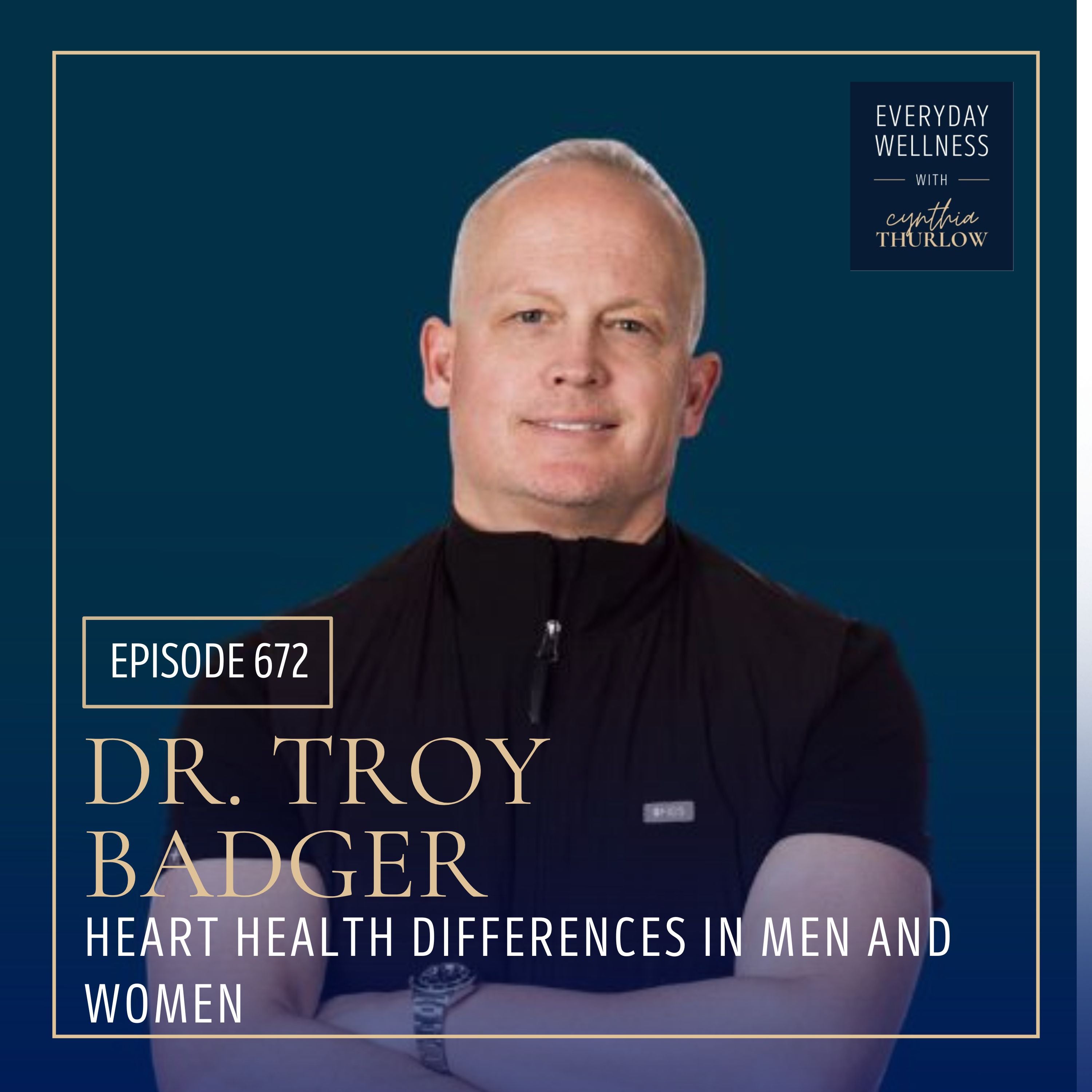
Today, I’m honored to connect with Dr. Troy Badger. He is a board-certified cardiologist and interventionalist and the founder of Cardiostrong, a concierge preventive cardiology clinic in Provo, Utah, focused on reducing cardiovascular risk, optimizing metabolic health, and improving strength and cardiorespiratory fitness for executives and athletes. In today’s conversation, we discuss Dr. Badger’s gender- and age-specific approach to heart health, including treatment differences for men and women, and diagnoses such as INOCA, SCAD, vasospastic disease, and Takotsubo. We examine emotions and their influence on heart health, coronary ischemia and cardiomyopathies, labs and diagnostics, how Dr. Badger assesses risk in his patients, and the differences between a CAC and a CCTA. Dr. Badger also shares the labs he finds essential for all patients and discusses the role of VO2 Max, cardiovascular training, and lifestyle—specifically nutrition, the use of GLP-1 drugs, and a multidisciplinary
This one is not a new concept, we actually talked about it years ago, but it showed up in such a stark contrast across the roster recently that it was worth coming back to. The short version is that the more you move, the more you can eat, and the less miserable a fat loss phase tends to be. What brought it back up was seeing it at both ends with different clients. The first was the client Aaron flew to Italy to peak. She eats more food relative to her size than anyone he has coached, and after being in the same house with her for a couple of hours, the reason was pretty obvious. The other client is one Aaron has worked with for years and had a lot of success with, and this summer the diet went poorly. The thing that changed was movement. Even with food lower than past diets, it was slower and more of a grind than anything we had done together. That contrast is really the whole episode. When movement is low, calories may have to go so low to keep losing fat that it gets significantly h
If you appreciate nuanced science and learning about human metabolism, check out StayCurious Metabolism, now a Top Overall Best-Seller in Science globally: https://staycuriousmetabolism.com (https://staycuriousmetabolism.com/) Start by checking out the Heart Health Archives. Papers: Seven Years of 700 Cholesterol Without Coronary Atherosclerosis: https://www.mdpi.com/2079-9721/14/5/168 Lipid Energy Model: https://pubmed.ncbi.nlm.nih.gov/35629964/ Oreo vs Statin Paper: https://pubmed.ncbi.nlm.nih.gov/38276308/ Cholesterol Code Movie: https://cholesterolcodemovie.com (https://cholesterolcodemovie.com/) Description For seven years, I’ve been living with cholesterol levels that most doctors would say should have killed me by now — not just high, but astronomical — and I did it intentionally because I believe there’s something fundamentally misunderstood about cholesterol, heart disease, and people like me that modern medicine doesn’t understand. If I’m right, the implications could challen
Disease statistics should include context about who is affected and how counts are collected.
Share your view, then see how readers voted. No sign-in required. This poll is shared across stories.
Do you agree or disagree?
Common Quandary
A Common Quandary to discuss
Another conversation to explore, separate from this news story.
One friend is rich, one is broke, and everyone ordered differently. How do you split dinner?
A group of longtime friends traditionally divides restaurant bills equally. Their incomes have grown increasingly unequal, and one friend now declines gatherings because even their share is difficult to afford while others order without thinking about price.
When should friendship adjust for differences in wealth?