From the Archives: Abdellah Taïa : A Country for Dying
141 min
Listen through the publisher, then discuss the episode here or arrange an in-person Roundtable. Your city determines where to meet.
Roundtables are designed for groups of four, with a shared subject and room for everyone to speak. Come for discussion, with no dating expectation.
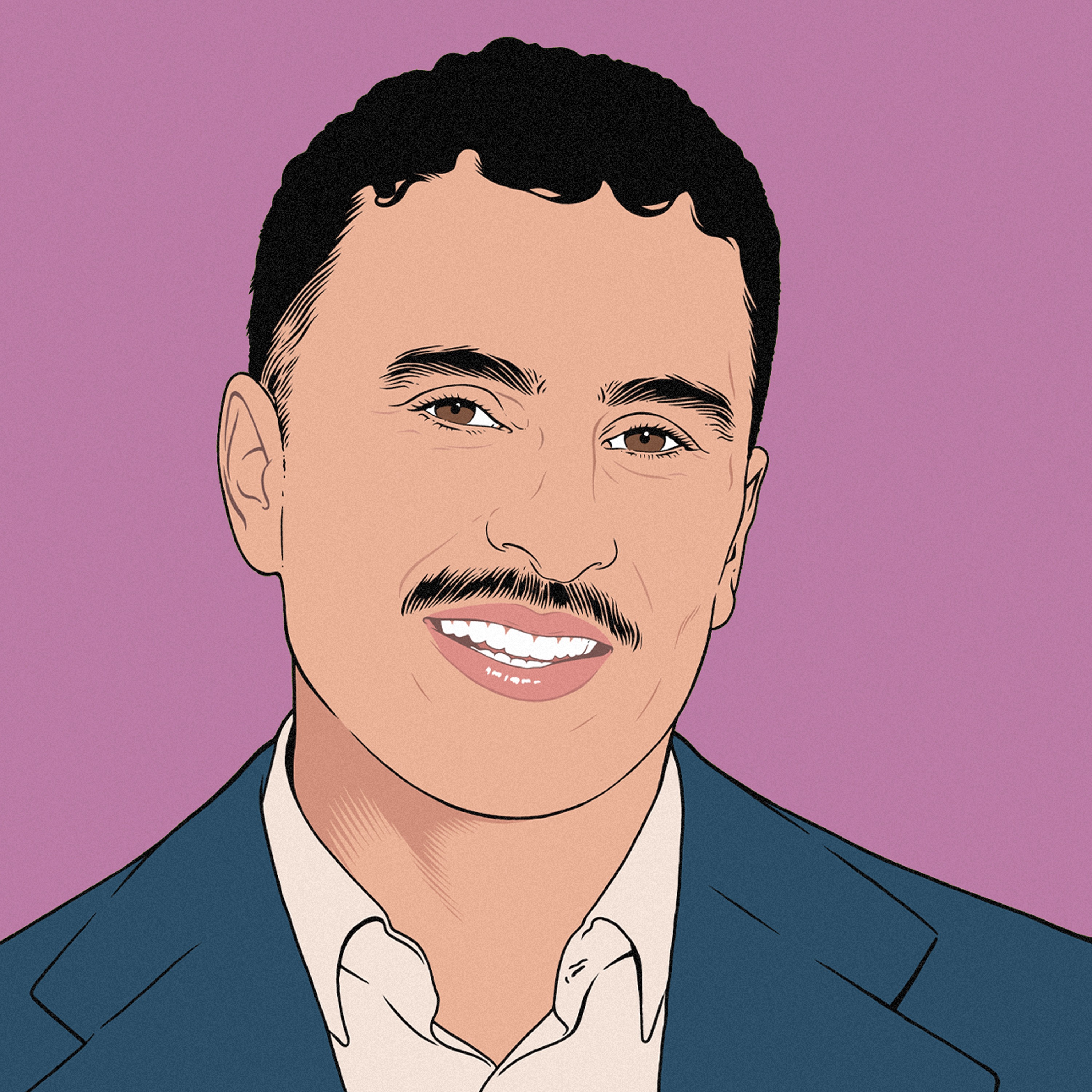
Today’s conversation is an archival recording from 2021 with the Moroccan writer and filmmaker Abdellah Taïa discussing his novel A Country For Dying, translated by Emma Ramadan and winner of the 2021 PEN Translation Award. We talk about voice in relation to self, story in relation to truth, writing in one’s second language, particularly a language imposed by colonization, about making that tongue bend to one’s reality, about being both Muslim and gay (as well as being the first openly homosexual Arab writer from Morocco), about why it is important not to write characters who are good, or only so, about Isabelle Adjani, the Zulawski film Possession, the role of possession and djinns in his work, and about creating a literature that does not itself come from literature, that does not come from books or speak to them. A great complement to today’s conversation with Abdellah is the hour-long conversation with his translator Emma Ramadan which joins the Between the Covers bonus audio archive. Emma talks about what attracts her to Abdellah’s writing, about the resonances she sees between his work and that of Marguerite Duras, about the challenges of bringing his work into English, about translating explicit sex scenes, gender pronouns and gendered words, about sexism in the translation industry, about the benefits of co-translation, and about the relationship of translation to the body. To find out how to subscribe to the bonus audio and the many other potential benefits of becoming a listener-supporter of the show head over to the Between the Covers Patreon Page (http://patreon.com/betweenthecovers). Don’t miss the BookShop (https://bookshop.org/lists/books-from-abdellah-taia-conversation) associated with today’s conversation, as well as, for your more general book needs, the Milkweed Editions Bookshop bookstore (https://bookshop.org/shop/milkweed_books).
Episode information is provided by the publisher. Listening takes place on the publisher’s service.
Merchant Ivory was the most enduring partnership in cinema: Ismail Merchant, the producer who could charm money out of thin air; James Ivory, the American director of A Room with a View and Howards End, who became an Oscar winner for Call Me by Your Name; and Ruth Prawer Jhabvala, the only writer to have won both the Booker Prize and an Oscar. Our story starts in the early 1980s, when Merchant Ivory’s golden age was still to come. With two decades of film-making behind them, they turned to their most ambitious project to date: an adaptation of Ruth’s prizewinning novel Heat and Dust, weaving a scandal in 1920s colonial India with a present-day story, to be shot on location with Julie Christie and Shashi Kapoor. Ismail is irrepressible. He has no office, so he borrows a corner of a publisher’s post room. He has no money either, so he works the Soho phone boxes with a pocketful of coins, assuring investors the stars are signed and the stars that the money is in place. By the time the cre
Benjamin Kemper is a writer and editor based in Madrid. Formerly a senior editor at Saveur, he specializes in the foodways of Spain and the Caucasus and is the coauthor of Georgia: The Cookbook (https://www.amazon.com/Georgia-Cookbook-Meriko-Gubeladze/dp/1958417890?th=1), a lush culinary journey through the country of Georgia told through essays, cultural commentary, and showstopping recipes from noted chef Meriko Gubeladze. Ben is not Georgian, but he fell in love with the country, visiting it over 25 times to make this book, and today on the show, we go deep on the research and experiences that made it possible. Also on the show Matt has a great conversation with AJ Ayers, author of the terrific new book, Creative Money (https://www.penguinrandomhouse.com/books/808718/creative-money-by-aj-ayers/). We talk about how to balance your restaurant budget, and take a close look at why we spend the way we spend. AJ and Matt have a shared love for Palm Springs and they go over some of their f
This week, Kim Masters speaks with Russian filmmaker Andrey Zvyagintsev about his Cannes Grand Prix-winning film, Minotaur. He opens up about his long recovery from a devastating illness and the consequences of speaking out against Russia’s war in Ukraine. His first feature in nine years, made while living in exile in France, is now that country’s unlikely Oscar submission—even though the film is set in Russia and entirely in Russian. Plus, Masters and Matt Belloni examine the casting of Robert Pattinson as the next James Bond. The banter partners discuss why Amazon opted for an established star (https://puck.news/hollywood/2026/11/the-case-for-robert-pattinson-as-james-bond), and who actually made the decision, as former Amazon CEO Jeff Bezos (https://www.hollywoodreporter.com/movies/movie-news/jeff-bezos-chose-robert-pattinson-as-james-bond-amazon-mgm-1236757909/) and incoming Bond director Denis Villeneuve (https://www.gq.com/story/denis-villeneuve-men-of-the-year-2026) both claim c
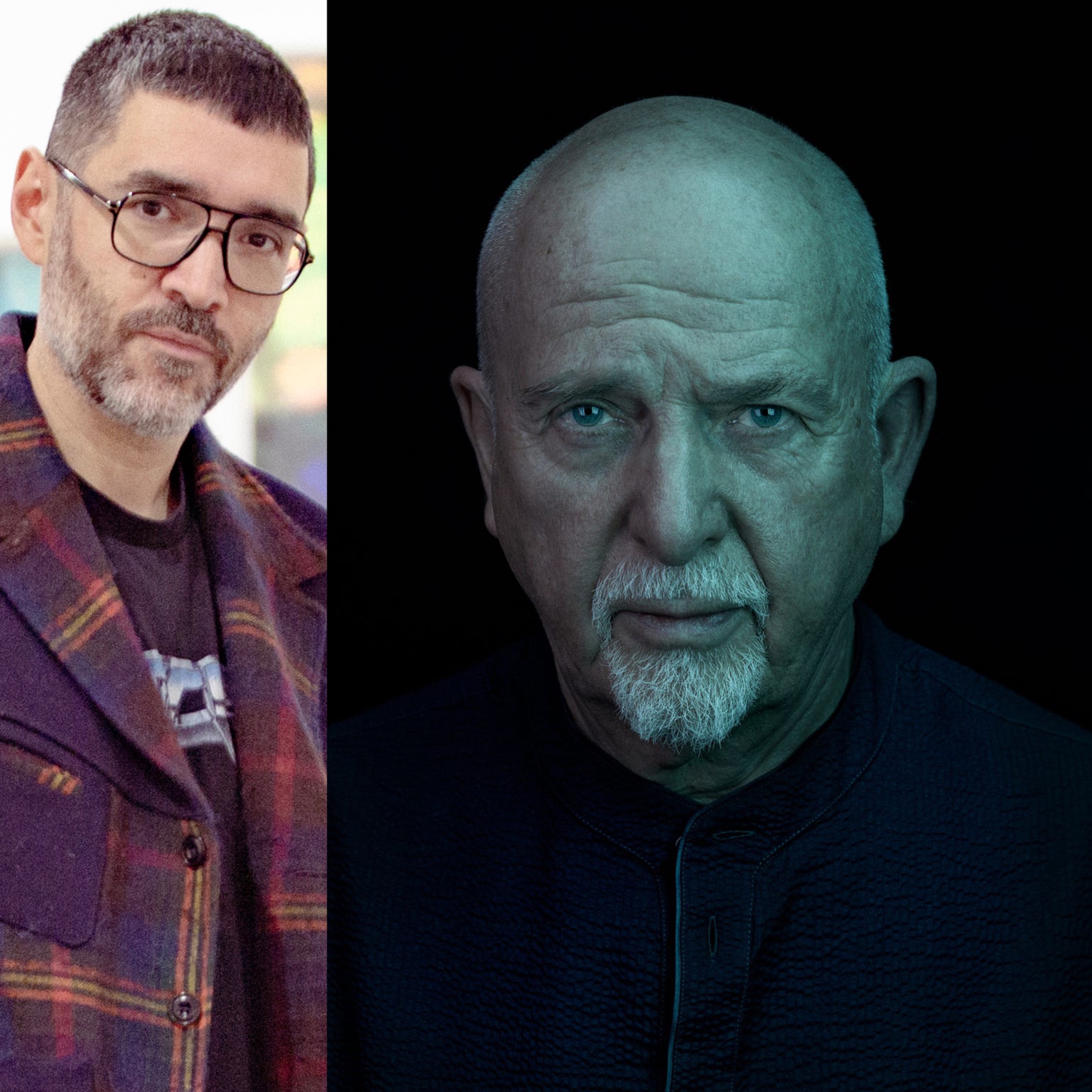
It’s episode 400 of @TalkArt podcast! To celebrate Robert meets PETER GABRIEL, singer, songwriter, producer, musician… ICON! We discuss his inspiring new album o\i and his lifelong passion for art and collaborating with visual artists across six decades including Helen Chadwick, Cathy de Monchaux, Nadav Kander, Ai Weiwei, Cornelia Parker and more. Following a year in which Peter Gabriel has released a new song on every full moon, the 27 November sees the release of his new studio album, o\i, the follow up to his critically acclaimed album of 2023, i/o, a number 1 in the UK album chart. Peter Gabriel returns with a brand-new collection of songs after a mere three years – his shortest gap between studio albums since the early 1980s. o\i is a companion piece to its reflected name-sake i/o expanding on many of the same themes: our relationship with nature, the passing of time, the increasing influence of technology in our lives and our place in the world; “Trying to get a handle on where y
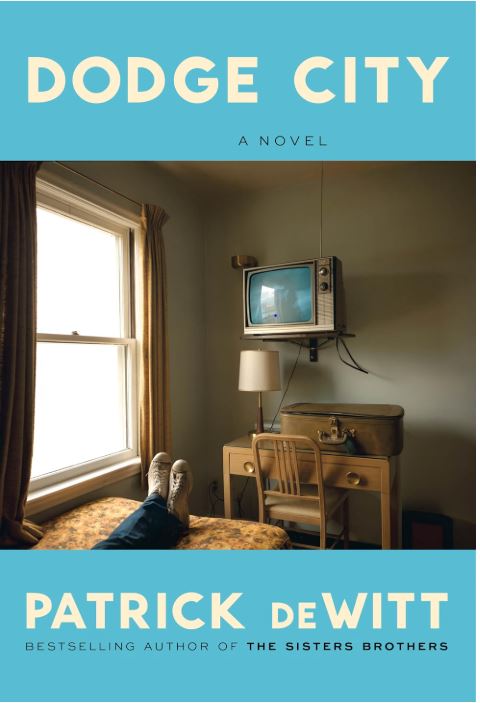
This time, a late work (in fact, the last work) of controversial Peruvian writer, Mario Vargas Llosa, with I Give You My Silence, the story of a lost guitarist. Plus, a road-trip across America, in Patrick De Witt’s Dodge City (read by deWitt super fan Tim Rogers); and a semi-autobiographical journey into Mandarin language and a very hot summer in Taiwan, in Rebecca F Kuang’s Taipei Story (read by crime writer Michael Robotham). BOOKS FEATURED Mario Vargas Llosa, I Give You My Silence (translated from the Spanish by Adrian Nathan West), Faber Patrick deWitt, Dodge City, Fourth Estate Rebecca F Kuang, Taipei Story, The Borough Press OTHER BOOKS MENTIONED Patrick deWitt, The Sisters Brothers, French Exit, The Librarianist RF Kuang, Babel, Katabasis, Yellowface Olga Tokarczuk, Flights John Boyne, The Heart's Invisible Furies Sarah Winman, Still Life John Irving, works
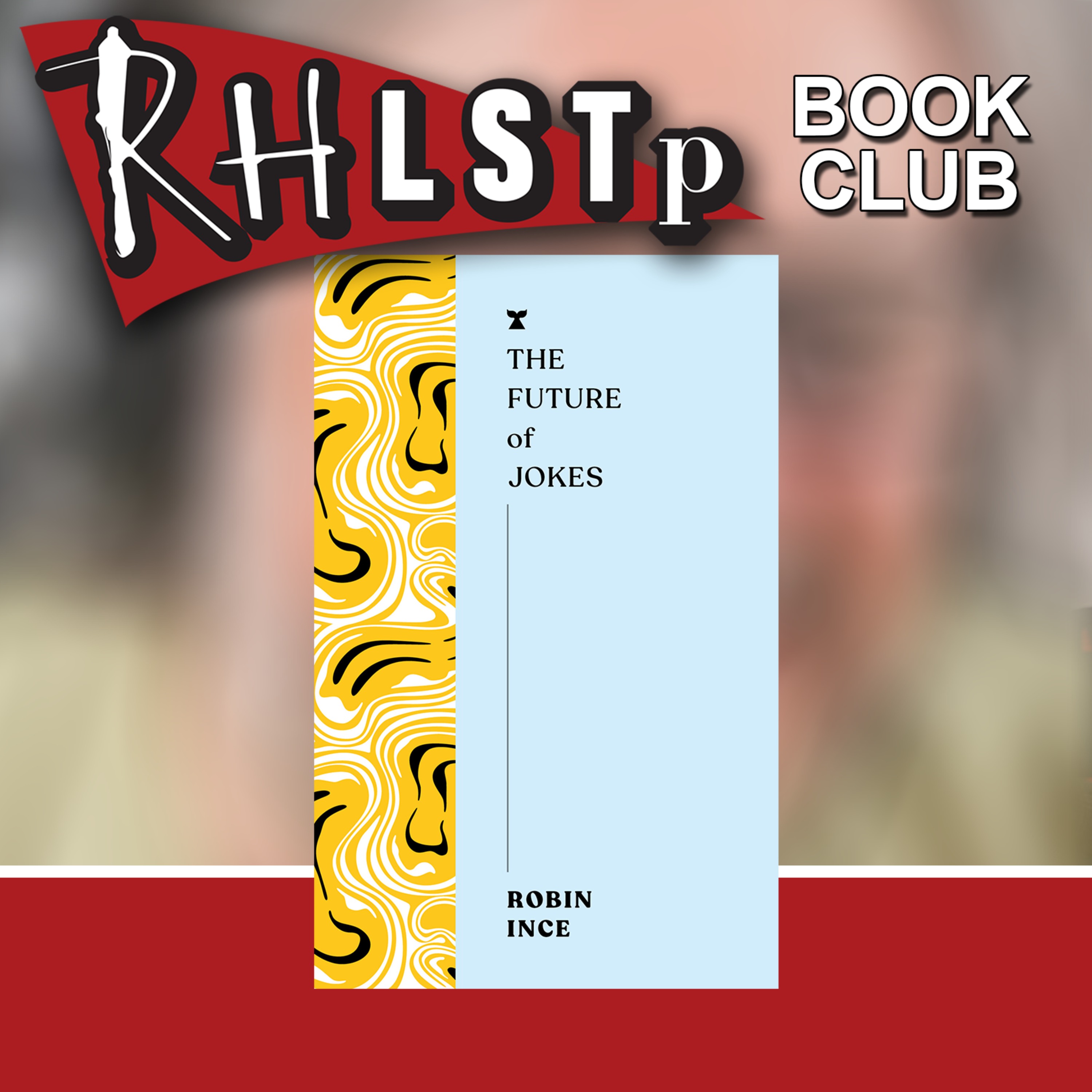
RHLSTP Book Club #202 - The Future of Comedy - Robin Ince comes to Hitchin and on the way to an event pops in to see Rich to talk about his book, The Future of Comedy and the past and future of comedy in general. As expected it’s a wide-ranging conversation taking in when laughter began and when it will end, jokes that work for centuries and jokes that work for an instant, how some performers elevate material beyond what’s on the page, being a product versus being inventive, not turning into your a fuddy daddy, how the internet and AI might change comedy and whether you need a human being in the equation to make anything meaningful, what it’s like to play arenas and why both Robin and Richard create way too much stuff but why the Hell not? Watch our TWITCH CHANNEL (https://twitch.tv/rkherring) Audio mix by Ben Evans (NTO) Thanks to Chris Evans (NTO) Hosted on Acast.
Today’s episode, recorded live at the 2nd annual Portland Poetry Confluence, is a conversation between two National Book Award winners, Lena Khalaf Tuffaha in poetry and Omar El Akkad in prose. We use the essay “Notes on Craft: Writing in the Hour of Genocide,” by Palestinian poet and performance artist Fargo Tbakhi, as a frame under which to look at writing at a time of great political urgency within their respective genres. Questions of audience and address, silence and silencing, gestures on the page and gestures in the world, and how to continue to make art at a time when everything is moving decidedly the wrong way. Today’s conversation was conceived by Literary Portland for Palestine and raised money for two Palestinian families supported by Creators for Gaza. If you enjoyed today’s conversation consider supporting the Portland Poetry Confluence (https://portlandpoetryconfluence.org/) and Creators for Gaza (https://creatorsforgaza.github.io/the-list/) in your holiday giving. And
Public funding for a small group can be justified when the wider community also benefits.
Share your view, then see how readers voted. No sign-in required. This poll is shared across stories.
Do you agree or disagree?
Common Quandary
A Common Quandary to discuss
Another conversation to explore, separate from this news story.
Your host demands shoes off, but their floor is filthy. Must you obey?
A host has a strict shoes-off rule and points to a neat row by the door. Inside, the floor is visibly sticky and covered with pet hair. You are wearing clean shoes, no socks, and would rather not spend the evening barefoot.
When does respect for a host's home yield to a guest's comfort?