English-language podcasts

Conversations

From 'the muse' to the stage as Camp Cope's bass player

52 min

Listen through the publisher, then discuss the episode here or arrange an in-person Roundtable. Your city determines where to meet.

Roundtables are designed for groups of four, with a shared subject and room for everyone to speak. Come for discussion, with no dating expectation.

Kelly-Dawn Hellmrich's dad taught her the power of music as cataracts stole his vision. This advice prepared her well for life in a punk band, which she was drawn into by a sad girl with a broken nose, playing an electric guitar. CW: This episode discusses miscarriage. You can get help at the Pink Elephants Support Network (https://www.pinkelephants.org.au/). Kelly, a Mineng-Noongar woman, played bass in the Australian punk band Camp Cope. Growing up in Western Sydney, Kelly's dad played her Cat Stevens, Tom Petty and Neil Young in his ute. At hardcore gigs, older men on the merch desk would take Kelly under their wing and she found a place where she belonged. After moving to a musical Melbourne sharehouse, Kelly met a sad girl with a broken nose playing an electric guitar, and fell under her spell immediately. Next thing, they were playing and recording music together, despite men telling them they didn't know how to do their jobs. Further information It's Not For You: Inside he Artists Rewriting the Rules of the Australian Music Scene is published by Penguin. This episode was recorded on Dharug country. It was produced by Alice Moldovan. Conversations' Executive Producer is Nicola Harrison. This episode covers sexism, surgery, carers, child caring for parent, art therapy, absent mum, mob, Coober Pedy, reconnecting with family, grandparents, Samoan culture, White Sunday, missed miscarriage, baby no heartbeat, pregnancy loss, show em kelly, the opener, touring, women in music, Aus Music Month, cataract surgery, Western Sydney, Melbourne, music scene, hardcore, punk, music festivals, Falls Fest, band on tour, no make up, feminism, goldsoundz, Georgia Maq, Thommo, drummer. To binge even more great episodes of the Conversations podcast with Richard Fidler and Sarah Kanowski go the ABC listen app (Australia) or wherever you get your podcasts. There you’ll find hundreds of the best thought-provoking interviews with authors, writers, artists, politicians, psychologists, musicians, and celebrities.

Episode information is provided by the publisher. Listening takes place on the publisher’s service.

Listen at the source ↗

Featured places to meet in Palo Alto, CA

Explore these places and arrange a conversation through ThinkMatch.

City guide for Palo Alto, CA

More from Conversations

Conversations

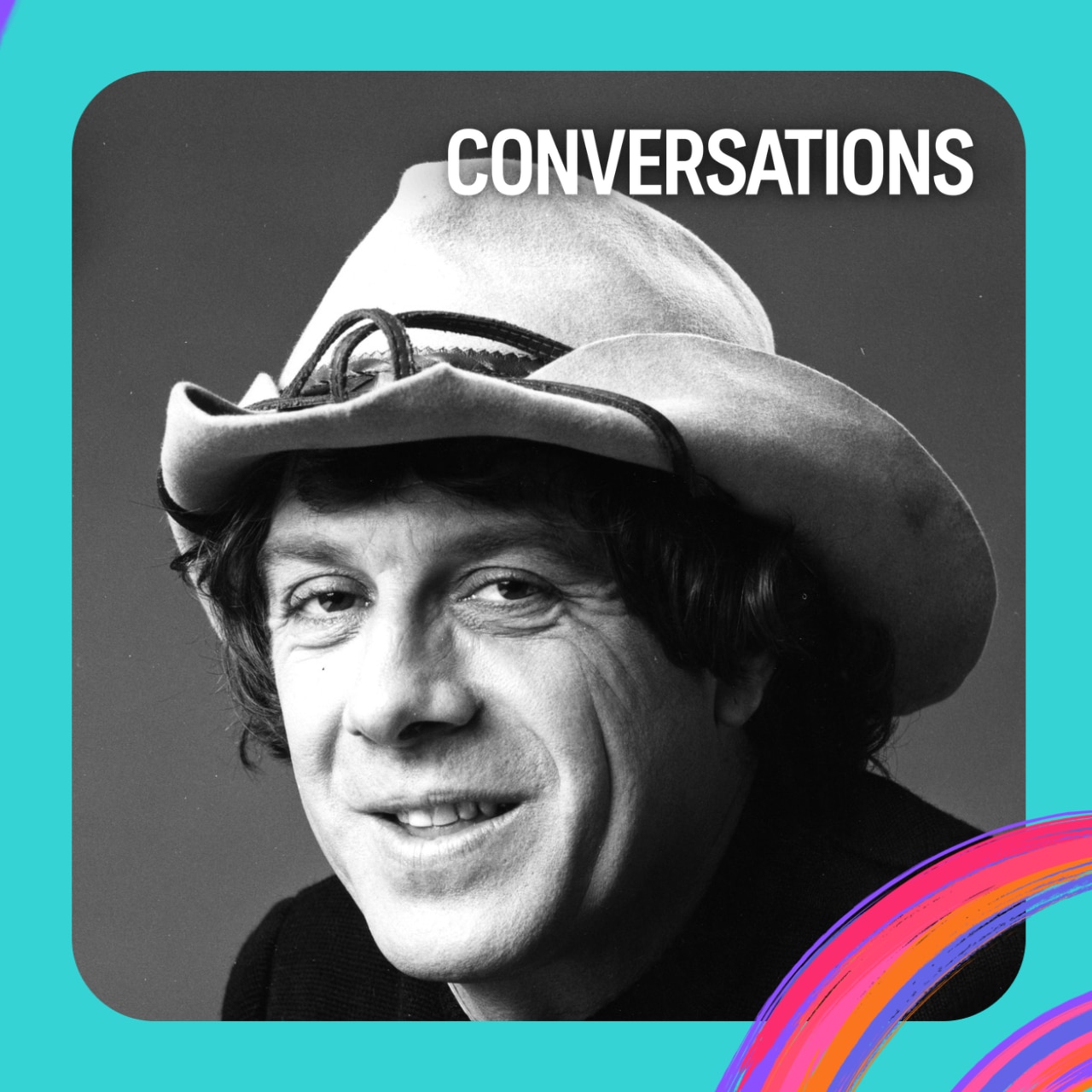
Encore: Remembering Molly Meldrum—Countdown's chaotic ringmaster

46 min

From altar boy to music industry legend, in 2014 Molly Meldrum spoke with Rebecca Levingston about his wild career across music and television. As the host of the ABC TV's music show Countdown, Molly brought the world's biggest pop stars into people's homes with some of the most remarkable interviews ever broadcast on Australian television. He started his career writing for the teen newspaper Go Set, before going on to host Australia's first music TV program. Molly and Countdown were responsible for creating many artists' first ever number one hits, even for international acts like ABBA, Michael Jackson, and Madonna. Then in 2011, he almost died, after falling from a ladder at his Melbourne home. Three years later, Molly was able to publish his memoir and spoke with Rebecca Levingston about his 50 years in the entertainment business. Further information The Never, Um, Ever Ending Story is published by Allen & Unwin. This episode of Conversations explores obituaries, Australian music, r

Discuss this episode

Conversations

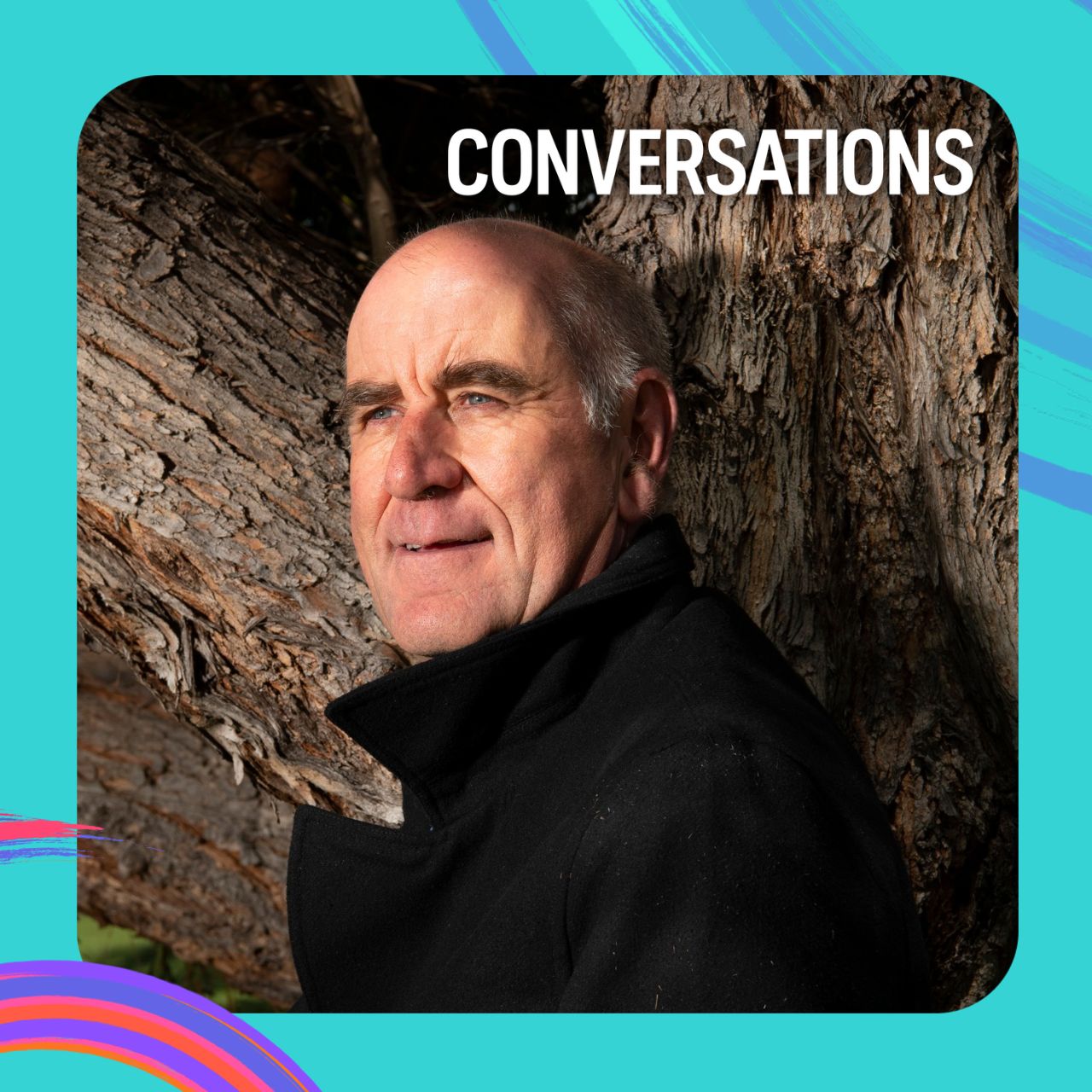
The Indigenous people and convicts who founded modern Australia

53 min

Tasmanian historian James Boyce unravels the story of colonisation you think you know. He says these two groups learned from and influenced each other — in amongst the violence and war — to build an early cultural adaptation. James is concerned with the stories we haven’t heard. For his new book, he went behind the cliches of colonial history to show how dispossessed convicts and First Nations people were the true founders of Australia. This story is much stranger, and more hopeful, than we usually think. James grew up in a safe and verdant part of Hobart and was shocked at a deep level by his family’s move to Brisbane when he was at the end of primary school. He became mute, almost for a year, as he tried to navigate his new rugby-obsessed school, while he pined for the safety and familiarity of his home in Tasmania. James had learned about frontier violence between Indigenous groups and colonialists while at school in Hobart, then was taught nothing further on the topic in high schoo

Discuss this episode

Conversations

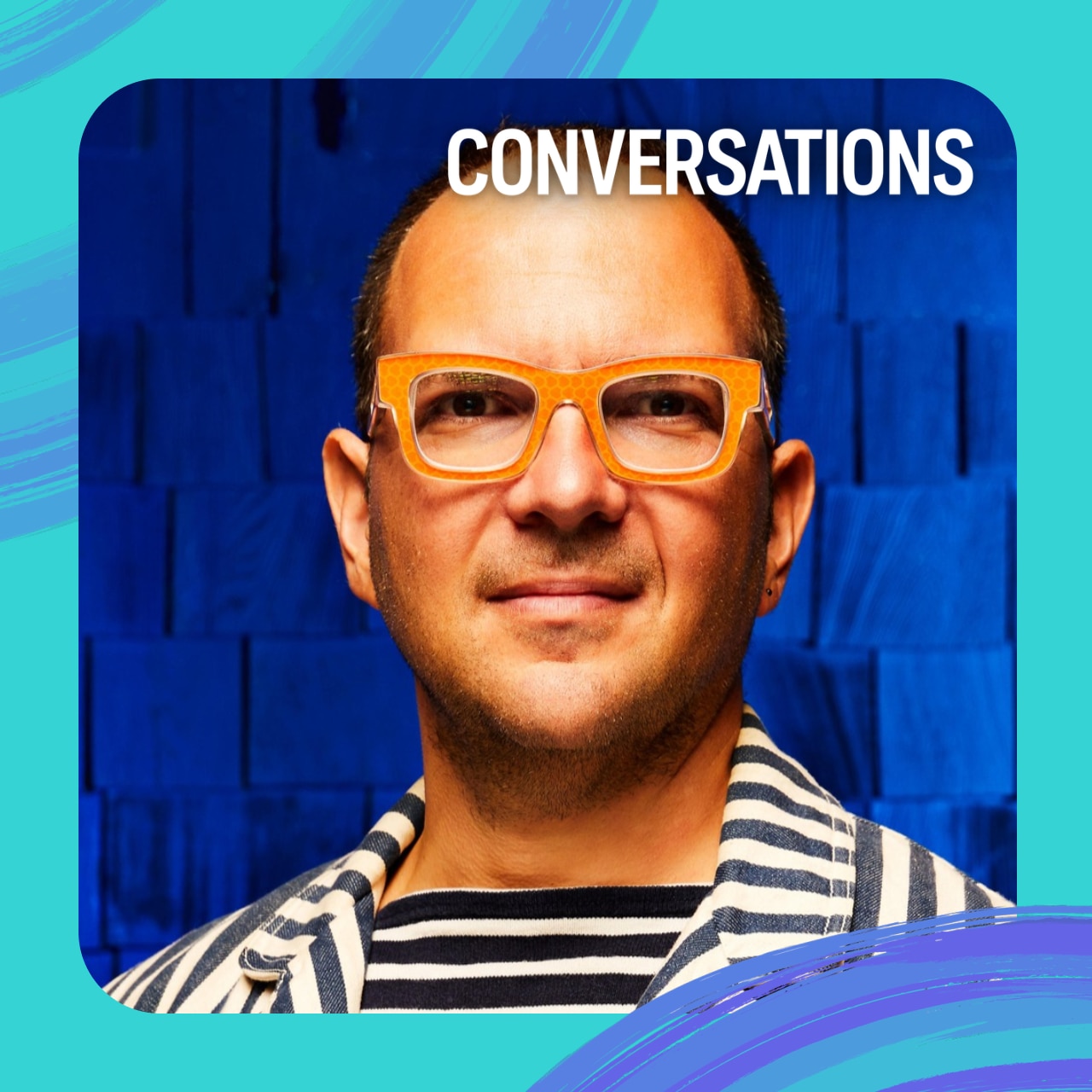
Beyond the robot apocalypse - who really wins in a world of AI?

53 min

Journalist Cory Doctorow on why we need to dig deeper into the scary messaging around AI to flip the narrative so it works FOR us instead of the other way around. AI is now widely seen as a job destroyer, a slop maker, a privacy invader and another burden on the warming planet. But journalist Cory Doctorow believes that much of the messaging around AI--which says it's coming to eat our jobs and families--is hype that's being driven by the same people who are selling AI, and he doesn't buy it. For Cory, the most important aspect of a new technology isn't what the machine does, it's who it does it for and who it does it to. And how we use AI is really a question of power. He thinks the people pushing this new technology want to scare us to drive up the share price of their companies, which are a very long way from seeing a return on their massive investments in AI. Cory says there's no getting rid of AI, but we can think about how to make this new technology work for us as individual wor

Discuss this episode

Community Poll

Officials should publicly explain serious mistakes that affect a competition's outcome.

Share your view, then see how readers voted. No sign-in required. This poll is shared across stories.

Do you agree or disagree?

Choose one answer

Common Quandary

A Common Quandary to discuss

Another conversation to explore, separate from this news story.

A parent clearly built the winning science project. Who should lose the prize?

An elementary student submits an elaborate science project far beyond their apparent ability. The parent proudly describes working together all weekend, and the child clearly learned something, but other students completed simpler projects themselves.

What is a fair response when help improves learning but distorts achievement?

Explore this quandary