English-language podcasts

Conversations

Encore: Remembering Molly Meldrum—Countdown's chaotic ringmaster

46 min

Listen through the publisher, then discuss the episode here or arrange an in-person Roundtable. Your city determines where to meet.

Roundtables are designed for groups of four, with a shared subject and room for everyone to speak. Come for discussion, with no dating expectation.

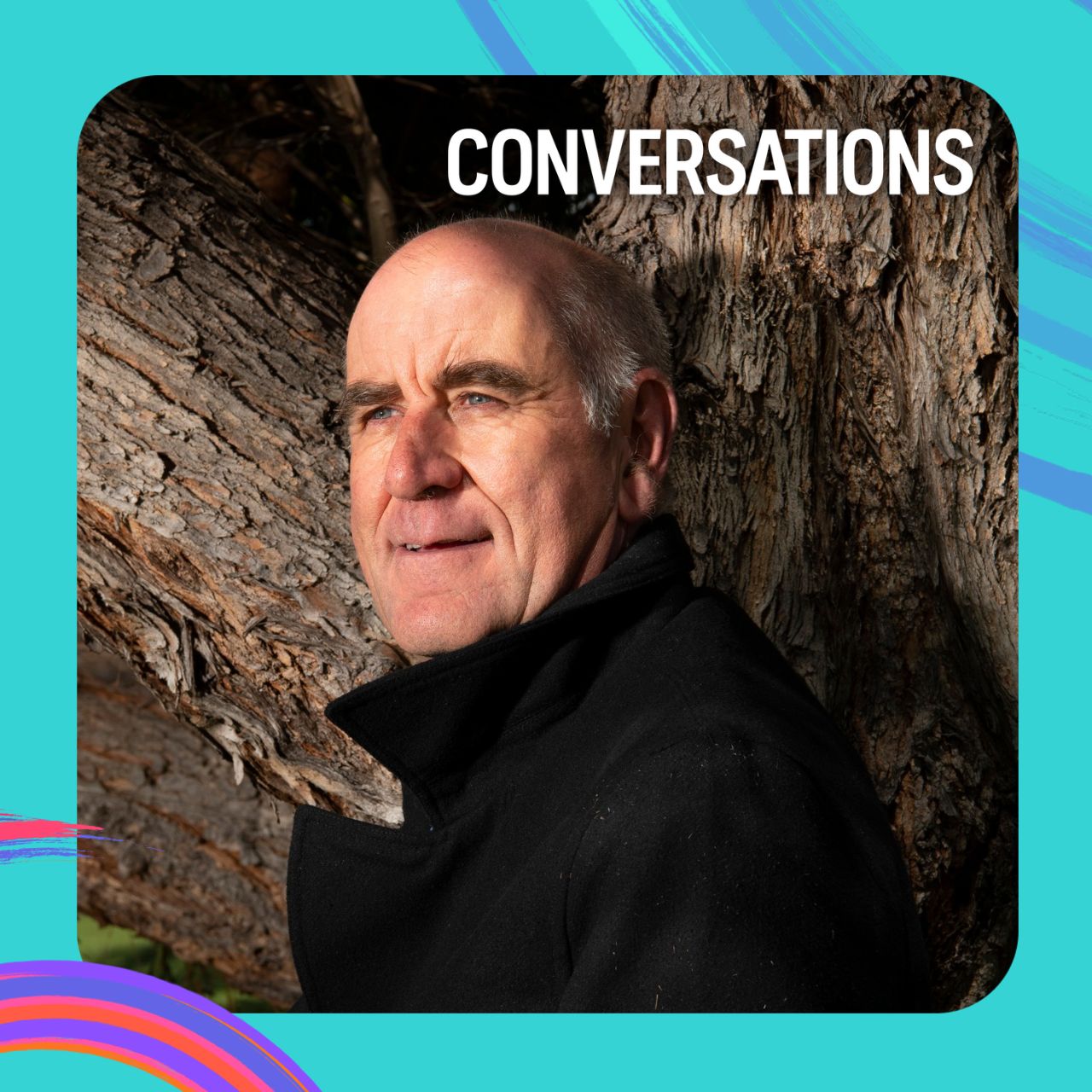
From altar boy to music industry legend, in 2014 Molly Meldrum spoke with Rebecca Levingston about his wild career across music and television. As the host of the ABC TV's music show Countdown, Molly brought the world's biggest pop stars into people's homes with some of the most remarkable interviews ever broadcast on Australian television. He started his career writing for the teen newspaper Go Set, before going on to host Australia's first music TV program. Molly and Countdown were responsible for creating many artists' first ever number one hits, even for international acts like ABBA, Michael Jackson, and Madonna. Then in 2011, he almost died, after falling from a ladder at his Melbourne home. Three years later, Molly was able to publish his memoir and spoke with Rebecca Levingston about his 50 years in the entertainment business. Further information The Never, Um, Ever Ending Story is published by Allen & Unwin. This episode of Conversations explores obituaries, Australian music, record labels, television, INXS, Michael Hutchence, music industry, pop culture, cultural icons, entertainment, journalist, record producer, recording industry, Live Aid, ARIA Hall of Fame, Go-Set, David Bowie, Madonna, Iggy Pop. To binge even more great episodes of the Conversations podcast with Richard Fidler and Sarah Kanowski go the ABC listen app (Australia) or wherever you get your podcasts. There you’ll find hundreds of the best thought-provoking interviews with authors, writers, artists, politicians, psychologists, musicians, and celebrities.

Episode information is provided by the publisher. Listening takes place on the publisher’s service.

Listen at the source ↗

Featured places to meet in Palo Alto, CA

Explore these places and arrange a conversation through ThinkMatch.

City guide for Palo Alto, CA

More from Conversations

Conversations

The Indigenous people and convicts who founded modern Australia

53 min

Tasmanian historian James Boyce unravels the story of colonisation you think you know. He says these two groups learned from and influenced each other — in amongst the violence and war — to build an early cultural adaptation. James is concerned with the stories we haven’t heard. For his new book, he went behind the cliches of colonial history to show how dispossessed convicts and First Nations people were the true founders of Australia. This story is much stranger, and more hopeful, than we usually think. James grew up in a safe and verdant part of Hobart and was shocked at a deep level by his family’s move to Brisbane when he was at the end of primary school. He became mute, almost for a year, as he tried to navigate his new rugby-obsessed school, while he pined for the safety and familiarity of his home in Tasmania. James had learned about frontier violence between Indigenous groups and colonialists while at school in Hobart, then was taught nothing further on the topic in high schoo

Discuss this episode

Conversations

Beyond the robot apocalypse - who really wins in a world of AI?

53 min

Journalist Cory Doctorow on why we need to dig deeper into the scary messaging around AI to flip the narrative so it works FOR us instead of the other way around. AI is now widely seen as a job destroyer, a slop maker, a privacy invader and another burden on the warming planet. But journalist Cory Doctorow believes that much of the messaging around AI--which says it's coming to eat our jobs and families--is hype that's being driven by the same people who are selling AI, and he doesn't buy it. For Cory, the most important aspect of a new technology isn't what the machine does, it's who it does it for and who it does it to. And how we use AI is really a question of power. He thinks the people pushing this new technology want to scare us to drive up the share price of their companies, which are a very long way from seeing a return on their massive investments in AI. Cory says there's no getting rid of AI, but we can think about how to make this new technology work for us as individual wor

Discuss this episode

Conversations

Encore: The boy dancing with teatowels who became a ballet icon

50 min

Growing up David McAllister was tormented by school bullies for his dancing, but within years, it was clear he was one of the best ballet dancers of his generation. When David was a little boy, he would tuck tea towels into his undies and dance around in front of the TV. He watched his own reflection in the screen (the TV was turned off) as he twirled and leapt around the lounge room. At 7, David went to his first ballet class at a suburban scout hall and loved it right away. But doing ballet was a kind of social death for a boy, in the 1970s in Western Australia. David says the torment he went through at school spurred him on. After winning at place at the Australian Ballet School, he joined the Australian Ballet company in 1983. One artistic director told him his nose was all wrong and he would never be cast as a prince, but he eventually danced many principal roles. David was named as the Artistic Director of the Australian Ballet in 2001 and spent 20 years guiding the company. Furt

Discuss this episode

Community Poll

Experts should explain openly why their recommendations change.

Share your view, then see how readers voted. No sign-in required. This poll is shared across stories.

Do you agree or disagree?

Choose one answer

Common Quandary

A Common Quandary to discuss

Another conversation to explore, separate from this news story.

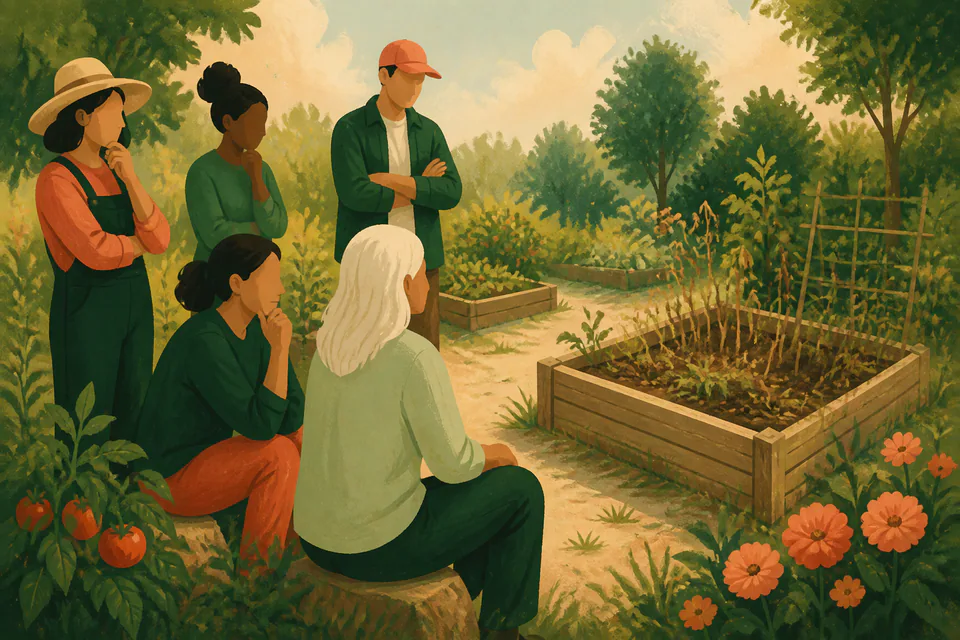
The best garden plot has been abandoned for months. Who gets to take it?

Garden plots have a three-year waiting list. One member's plot has gone untended for months and messages go unanswered, but other gardeners know they recently faced serious health problems.

How long should a shared resource remain reserved out of compassion?

Explore this quandary