Listen through the publisher, then discuss the episode here or arrange an in-person Roundtable. Your city determines where to meet.
Roundtables are designed for groups of four, with a shared subject and room for everyone to speak. Come for discussion, with no dating expectation.
In 1970, the body of a woman was found strangled and buried in a shallow grave. With no clues to follow, the case quickly went cold, leaving investigators with more questions than answers. What no one knew then was that this was just the beginning of a terrifying reign of terror. This unsolved murder would later be linked to Samuel Little, a man who would become America's most prolific serial killer, confessing to over 90 murders across four decades. In this episode of Crime at Bedtime, we uncover how Little evaded capture for so long, the lives he destroyed, and how justice finally caught up with him. All the details here Hosted on Acast.
Episode information is provided by the publisher. Listening takes place on the publisher’s service.
After Missy Avila’s body is discovered, investigators search desperately for answers...but the truth is closer than anyone expects. As the case drags on, manipulation, false leads, and psychological games torment Missy’s family and friends for decades. In today's second episode of Justice Served, Carter Roy follows the long road to justice, revealing how jealousy and deception masked the identities of those responsible. And how one crucial breakthrough finally exposed a horrifying betrayal. And for more cases just like this one, be sure to check out the Crime House Original, Murder: True Crime Stories. Need More to Binge? Follow me on Social X: @crimehousemedia (https://x.com/crimehousemedia)
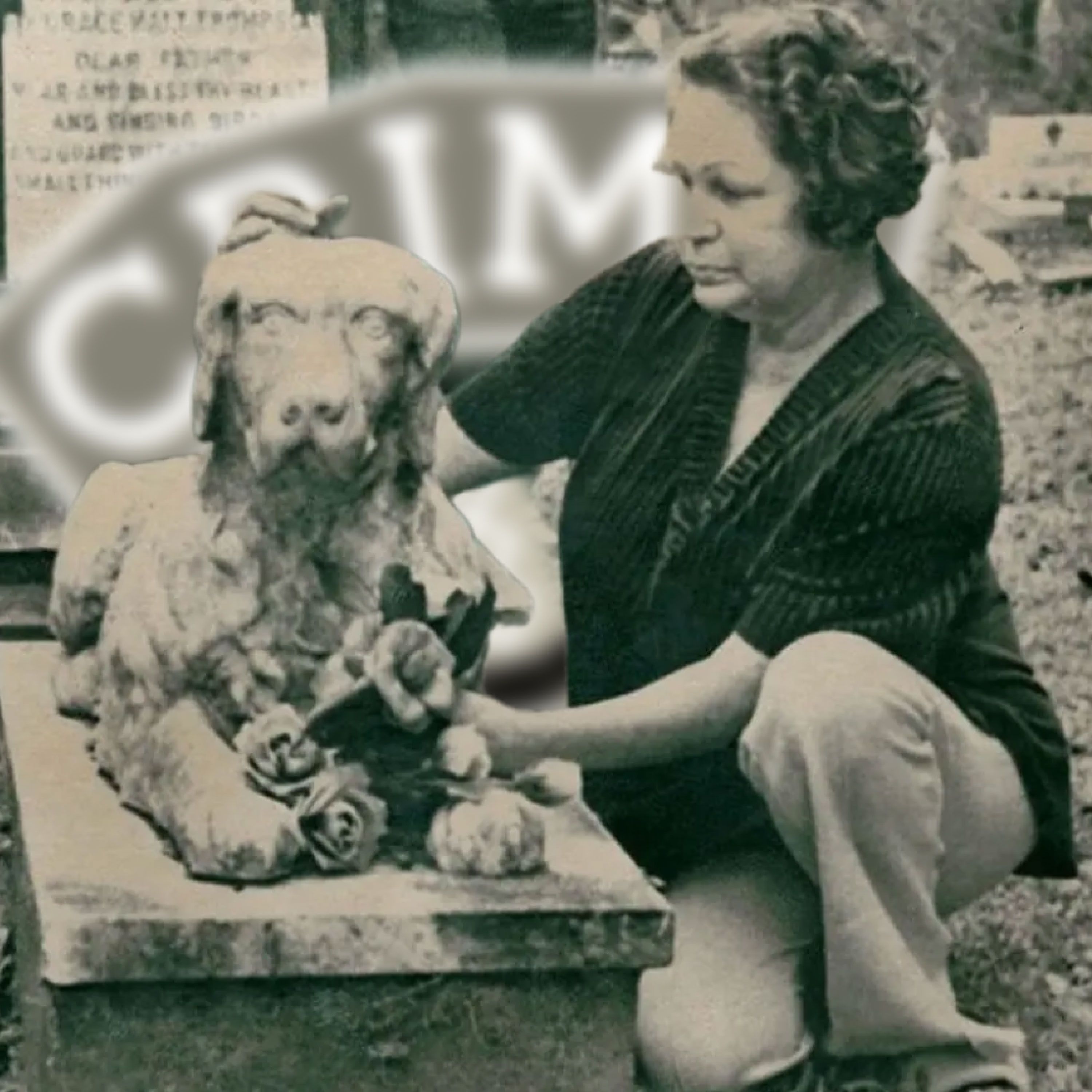
In 1985, when the body of 61-year-old Dorothy Lou Thompson was discovered in the Mississippi River, authorities assumed her murder was somehow connected to her unusual family business. For years her late mother ran a pet cemetery on an abandoned sugar cane plantation, which neighbors found both odd and eerie. While a handful of suspects emerged, the murder case soon went cold. Decades later, witnesses came forward to report what they knew about the homicide. What convinced them to finally tell their stories? They said they were visited by Dorothy’s ghost. The HBO Documentary series “The Pet Cemetery Murders: A Ghost Story” leans into the spooky elements of this Southern Gothic tale. The case goes beyond the homicide and its creepy crime scene, tying historical stories of violence within the family and this community, made for those who like their true crime served with a dash of the supernatural. OUR SPOILER-FREE REVIEWS OF "THE PET CEMETERY MURDERS" BEGIN IN THE FINAL 11 MINUTES OF TH
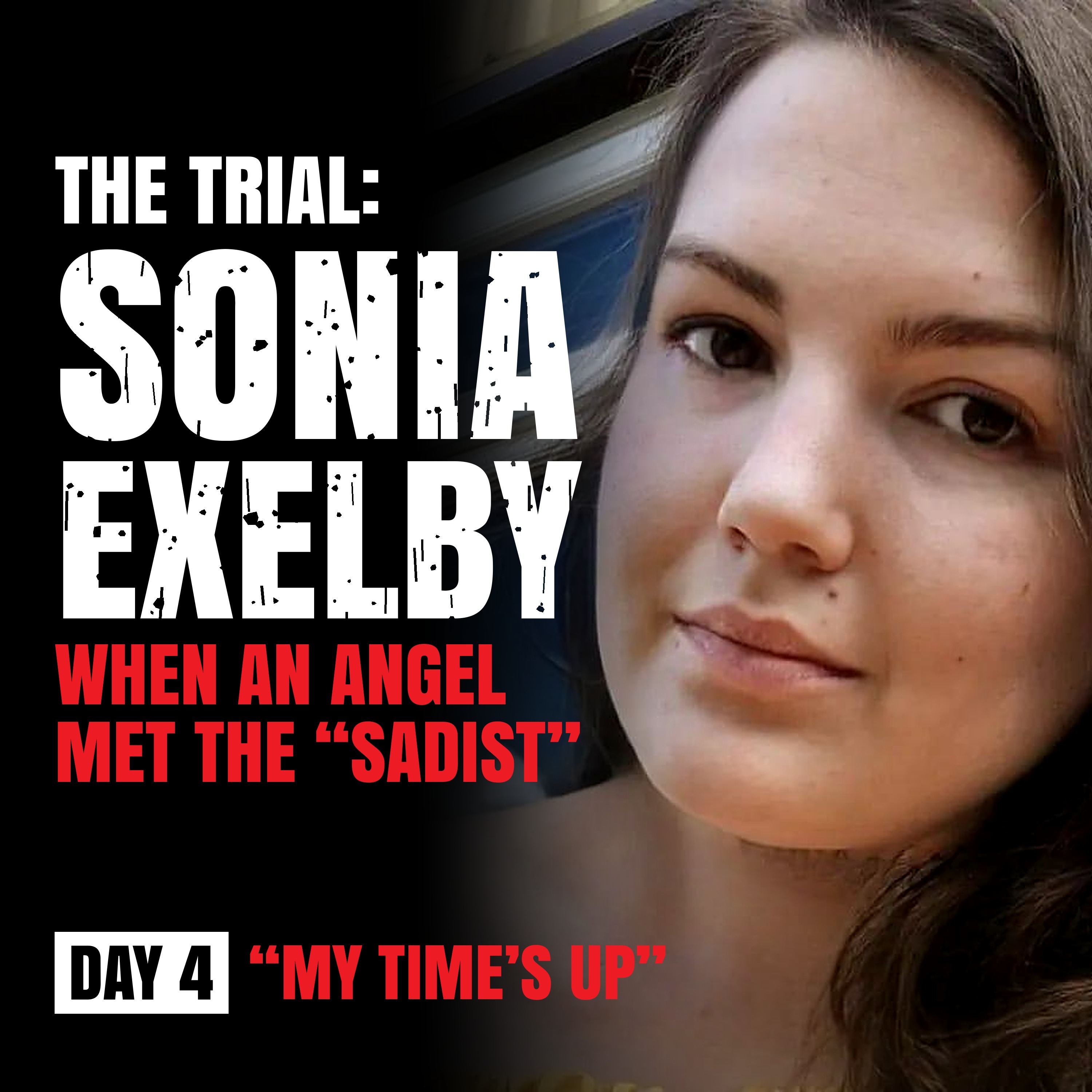
In this episode Caroline and Jack have details of a message that Sonia Exelby sent to a friend saying she was trapped in an AirBnB in Florida with Dwain Hall and her “time was up.” She said he told her the only way out was to shoot him - but she wasn’t capable of killing anyone. The allegation is he then went on to kill her and buried her body in a shallow grave. The prosecution say for two years before he’d manipulated and groomed her online, preying on her vulnerability. We’ve also now heard details of some of the content found on Dwain Hall’s mobile phone. Forensic experts found a video and pictures of Sonia and there were other images of women being tortured and raped. We’ve also heard from Sonia’s sister, Sara, who said it was terrifying to think that anyone could want to harm her. The Trial is part of The Crime Desk. Visit thecrimedesk.com (https://plus.thecrimedesk.com/exelby-podcast?sc_promo=EXELBY) for more information. Email us [email protected] WhatsApp us +447796657512
On the morning of February 2nd, 1922, silent film director William Desmond Taylor was found dead in his Los Angeles bungalow, and a man in the gathering crowd who said he was a doctor declared it a stomach hemorrhage; police found a bullet wound in Taylor's back, and the doctor was never seen again. Nobody was ever convicted of killing Taylor, and the same goes for the Villisca axe murders, the Black Dahlia, and the woman found stuffed inside a hollow wych elm in England. SOURCES and RESOURCES: “Unsolved Murders That Will Send Shivers Down Your Spine” posted at The-Line-Up.com: http://ow.ly/8Pu830n5ib3(used with permission) (Over time links may become invalid, disappear, or have different content. I always make sure to give authors credit for the material I use whenever possible. If I somehow overlooked doing so for a story, or if a credit is incorrect, please let me know and I will rectify it in these show notes immediately. Some links included above may benefit me financially through
True Crime Tuesday Presents: The Candy Man Murders: Three Years of Terror in Houston with Podcaster/ Author Jen Schaffer! In the early 1970s, teenage boys began disappearing across Houston, Texas. One by one, they vanished, leaving behind empty bedrooms, unanswered questions, and a city that chose not to look too closely. Police called them runaways. Parents were told to be patient. Lack of concern caused a pattern to go unnoticed, until a single phone call changed everything. On August 8, 1973, a teenage boy confessed to killing a man and exposed a horror hidden in plain sight. What followed was one of the most disturbing discoveries in American criminal history: a network of abduction, torture, and murder that had operated undetected for years. In The "Candy Man" Murders (https://wbp.bz/candymanmurders) (opens in new tab) (https://wbp.bz/candymanmurders), Jen Schaffer delivers a haunting, deeply researched account of the Houston Mass Murders. Through meticulous investigation and grip
My sister Shannon McDonald Goldstein, a criminal defense attorney, joins me to dig into two cases that have haunted us for decades and are back in the spotlight with new documentaries: Natalee Holloway and JonBenét Ramsey. We go back to that senior trip to Aruba and walk through Joran van der Sloot's ever-changing stories, the local connections that slowed the investigation, and how it became a 24/7 media frenzy. Then we revisit the JonBenét case 30 years later, from the pageant world we know a little too well to the questions about what the Ramseys knew, and whether DNA could finally give us answers. We also share our own wild spring break stories, and Shannon explains why the three minor siblings in the K.J. Berman case just got their own attorney. You won't want to miss this one!
The murder of Julie Jensen is one of the most extraordinary cases in modern American crime. In the autumn of 1998, in Pleasant Prairie, Wisconsin, Julie Jensen, a devoted mother of two, sealed a letter and handed it to a neighbour with a chilling instruction: if anything happened to her, give it to the police. Weeks later she was dead, poisoned with antifreeze, and her letter named the person she feared would kill her, her husband, Mark Jensen. The case that followed turned on a question the law had never quite answered: can the dead give evidence? Julie's words from beyond the grave would convict her husband, then very nearly set him free, in a battle that reached the United States Supreme Court. On Crime at Bedtime, settle in, get comfortable, and let us tell you the story of the murder of Julie Jensen. All the details here Hosted on Acast.
The Min Min lights are one of Australia's most enduring mysteries. For generations, travellers across the remote Channel Country of outback Queensland, from Brewarrina in New South Wales up to Boulia, have reported strange, glowing orbs that hover on the horizon, follow people across the dark, keep pace with moving vehicles, and vanish the moment anyone draws near. The Aboriginal peoples of the outback knew of the Min Min light long before European settlement, long before cars or electric lamps existed to explain it. Science has offered an answer, the neuroscientist Professor Jack Pettigrew's elegant Fata Morgana mirage theory, but it may not be the whole story. On Mysteries at Bedtime, settle in, get comfortable, and let us tell you the story of the Min Min lights. All the details here Hosted on Acast.
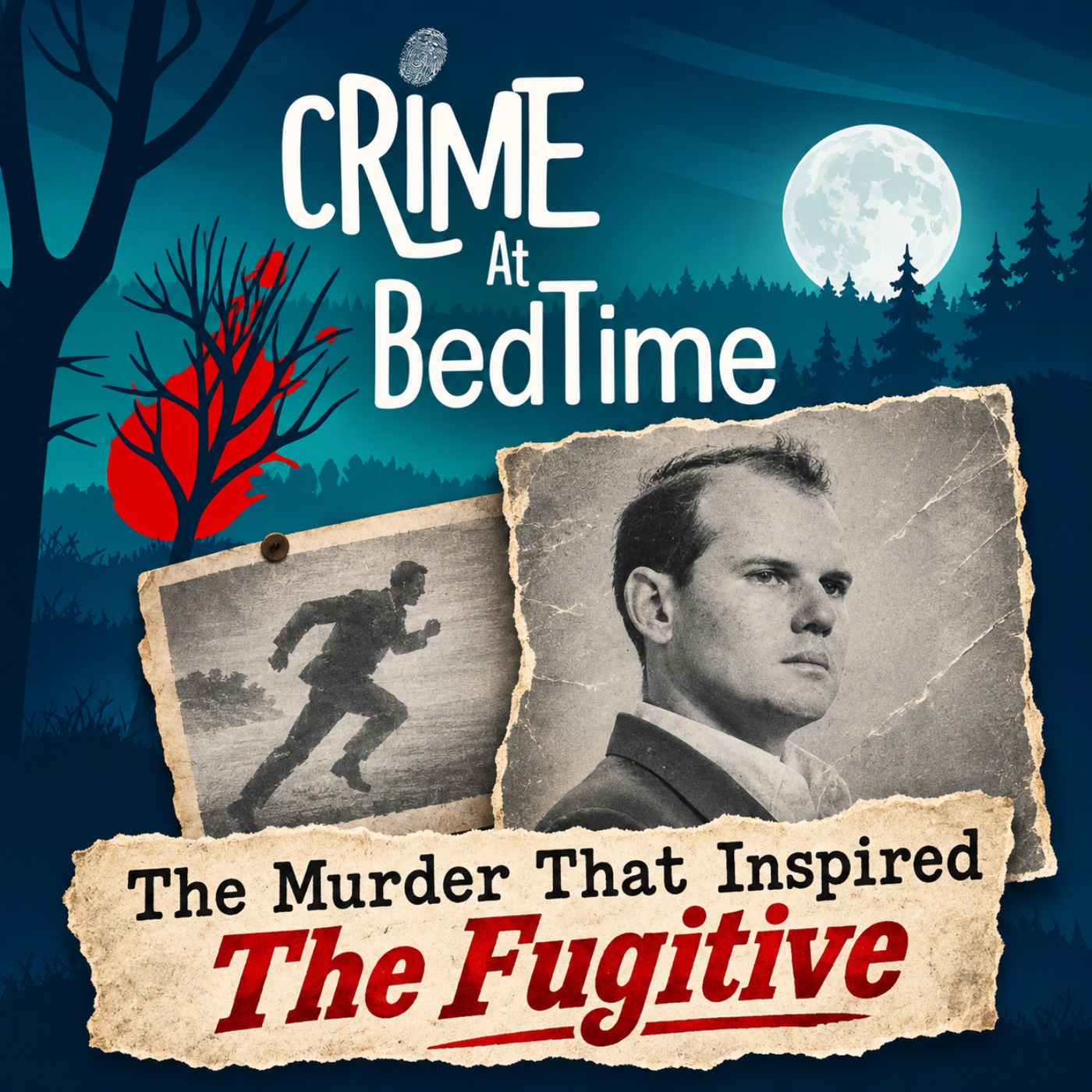
The Sam Sheppard case has been argued over for more than seventy years, and it has never been settled. In the small hours of the fourth of July, 1954, Marilyn Sheppard, four months pregnant, was beaten to death in her bedroom in the quiet lakeside suburb of Bay Village, Ohio. Her husband, Dr Sam Sheppard, said he had fought a bushy-haired intruder in the dark and been knocked unconscious. The police, the press and a jury did not believe him. His conviction would travel all the way to the United States Supreme Court and change the meaning of a fair trial, a second trial would set him free, the story is widely believed to have inspired The Fugitive, and decades later DNA would reopen the question all over again. On Crime at Bedtime, settle in, get comfortable, and let us tell you the story of the Sam Sheppard case. All the details here Hosted on Acast.
Competing digital services should be required to support basic interoperability.
Share your view, then see how readers voted. No sign-in required. This poll is shared across stories.
Do you agree or disagree?
Common Quandary
A Common Quandary to discuss
Another conversation to explore, separate from this news story.
Your coworker bends a dumb rule to help people. Do you report it?
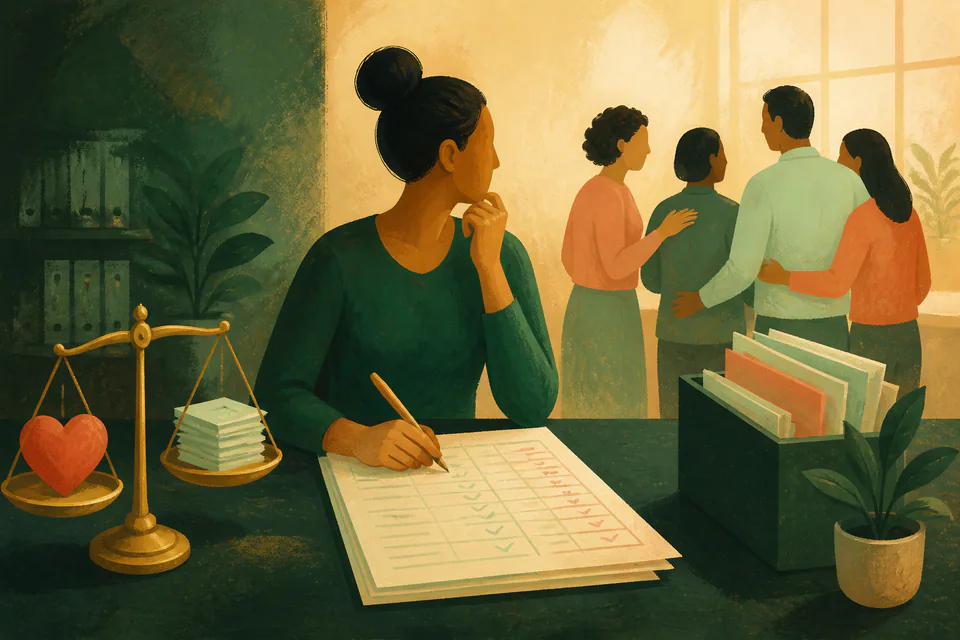
An underpaid coworker quietly bends a company rule to help colleagues receive benefits they were technically denied. No customer is harmed, but the records are inaccurate and you are asked to certify them.
Where should loyalty end when a rule seems unjust?