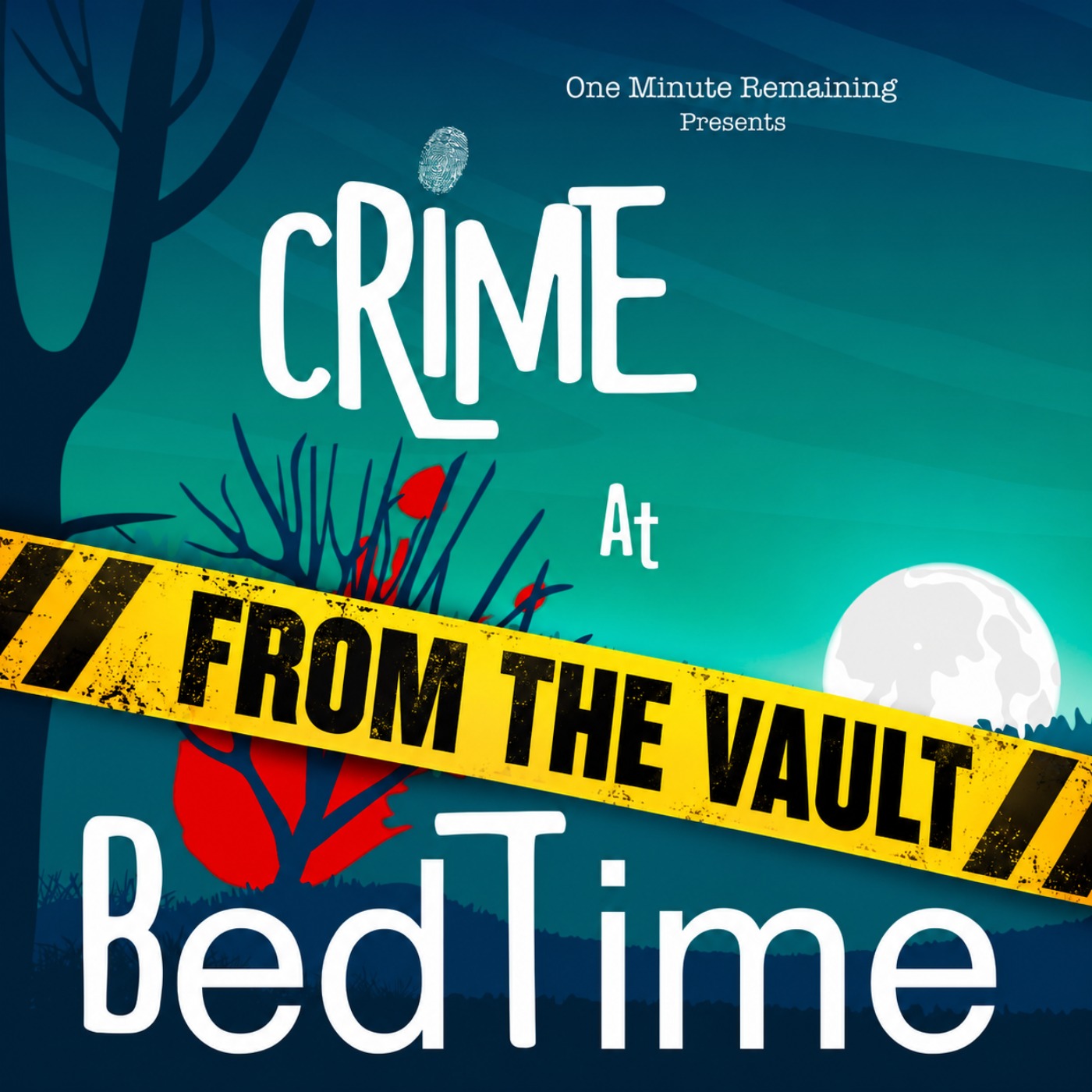
The Murder of Julie Jensen: The Letter She Left Behind
29 min
Listen through the publisher, then discuss the episode here or arrange an in-person Roundtable. Your city determines where to meet.
Roundtables are designed for groups of four, with a shared subject and room for everyone to speak. Come for discussion, with no dating expectation.
The murder of Julie Jensen is one of the most extraordinary cases in modern American crime. In the autumn of 1998, in Pleasant Prairie, Wisconsin, Julie Jensen, a devoted mother of two, sealed a letter and handed it to a neighbour with a chilling instruction: if anything happened to her, give it to the police. Weeks later she was dead, poisoned with antifreeze, and her letter named the person she feared would kill her, her husband, Mark Jensen. The case that followed turned on a question the law had never quite answered: can the dead give evidence? Julie's words from beyond the grave would convict her husband, then very nearly set him free, in a battle that reached the United States Supreme Court. On Crime at Bedtime, settle in, get comfortable, and let us tell you the story of the murder of Julie Jensen. All the details here Hosted on Acast.
Episode information is provided by the publisher. Listening takes place on the publisher’s service.
In this remastered Crime Analyst series, Laura Richards puts the women back at the centre of the story. For decades, the women murdered and attacked by Peter Sutcliffe (known as PS in this series) were overshadowed by the man who targeted them. In this episode, Laura interviews author, journalist, campaigner and survivor Julie Bindel, who was living in Leeds during PS's reign of terror. The day before Jacqueline Hill was murdered, and close to where Jacqueline was killed, Julie was followed home from the pub by a man fitting PS's description. Julie shares what happened that night, what it was like living under the threat of male violence in West Yorkshire, and the police response. Laura and Julie also explore the terminology surrounding prostitution versus sex work, societal attitudes towards women, and what needs to change to prevent male violence. Julie has written extensively on rape, domestic violence, sexually motivated murder, prostitution and trafficking, child sexual exploitati
A woman told ITV News that a letter from David Walliams’ lawyers left her shaking. What did that letter demand, and what happens when speaking out brings the threat of legal action? Max Palasi is joined by Melanie Bridgen, Partner and family law solicitor at Nelsons, to examine the reported correspondence, Walliams’ unsuccessful attempt to prevent publication, and the wider pressures facing people making allegations against powerful public figures. We discuss the reported request for a written undertaking within 24 hours, the difference between a solicitor’s demand and a court order, and how confidentiality agreements, legal costs and fear of proceedings can affect someone’s decision to speak. Melanie’s professional experience includes domestic abuse, coercive control and complex family proceedings. She represented former MP Kate Kniveton in proceedings involving abuse findings and their publication, giving her direct experience of the tensions between privacy, public interest and the
A secret relationship can create leverage even before anyone makes a threat. That is the question Tony Brueski puts to Robin Dreeke, retired FBI Special Agent and former chief of the FBI’s Counterintelligence Behavioral Analysis Program, as they unpack the reporting around former Nvidia CEO Jensen Huang. Huang admitted infidelity and resigned in November 2026. Reports linked his affair to Alice Huang, a former Megaspeed executive whom U.S. intelligence reportedly suspected of acting for China. Those suspicions remain unproven publicly. Reuters says it could not independently confirm the alleged intelligence connection; Beijing denies it. Nvidia’s board has said it has no reason to believe company secrets or national security were compromised. That leaves plenty to investigate, but it does not establish blackmail, recruitment or disclosure of protected information. Robin explains why counterintelligence investigators focus on incentives and access, not just intercepted orders or dramati
The Man Who Stole His Own Life In this episode, we uncover the chilling story of Scott, a 25-year-old in 2015, who wrote a letter to himself out of boredom and received a reply from a parallel world. This is the account of a three-week exchange that ended with a missing girlfriend, blood on the wall, and Scott displaced from his own reality. Person: Scott Location: Baltimore, Nesbitt Street, Apartment 3-B Year: 2015 Item: Cream-colored stationery Duration: Nearly three weeks - Scott received personalized cream-colored stationery as a birthday gift from his Aunt Emma. - He wrote a letter to himself and left it on his desk in apartment 3-B. - He received a blue envelope containing a two-page letter, not in his handwriting, claiming the writer lived in the same apartment in a "broken world." - The correspondence lasted nearly three weeks, during which Scott's girlfriend, Christine, went missing. - Not Scott described a world where mirrors showed different rooms and a man was burned alive
In May 2015, Eugene Scardifield’s life changed forever when his brother Michael was tragically murdered in Stoke-on-Trent. In this special interview, Eugene joins me to talk about Michael, the impact of his murder on those who loved him and what life has been like for the family in the years since. Eugene is an author, fundraiser and ambassador for SAMM National (Support After Murder and Manslaughter), an organisation supporting people whose lives have been affected by homicide. This is a conversation about loss, the experience of families bereaved by murder and the importance of ensuring that those left behind are not forgotten. 1, Buy Eugene's book: 2, SAMM National (Support After Murder & Manslaughter): I release new episodes of the UK True Crime podcast every Tuesday and Friday - please do join me for the next episode on Tuesday. Find out more about me, Adam Lloyd, & UK True Crime https://uktruecrime.com (https://uktruecrime.com/) Support me at Patreon: Buy Me a Coffee Watch my You
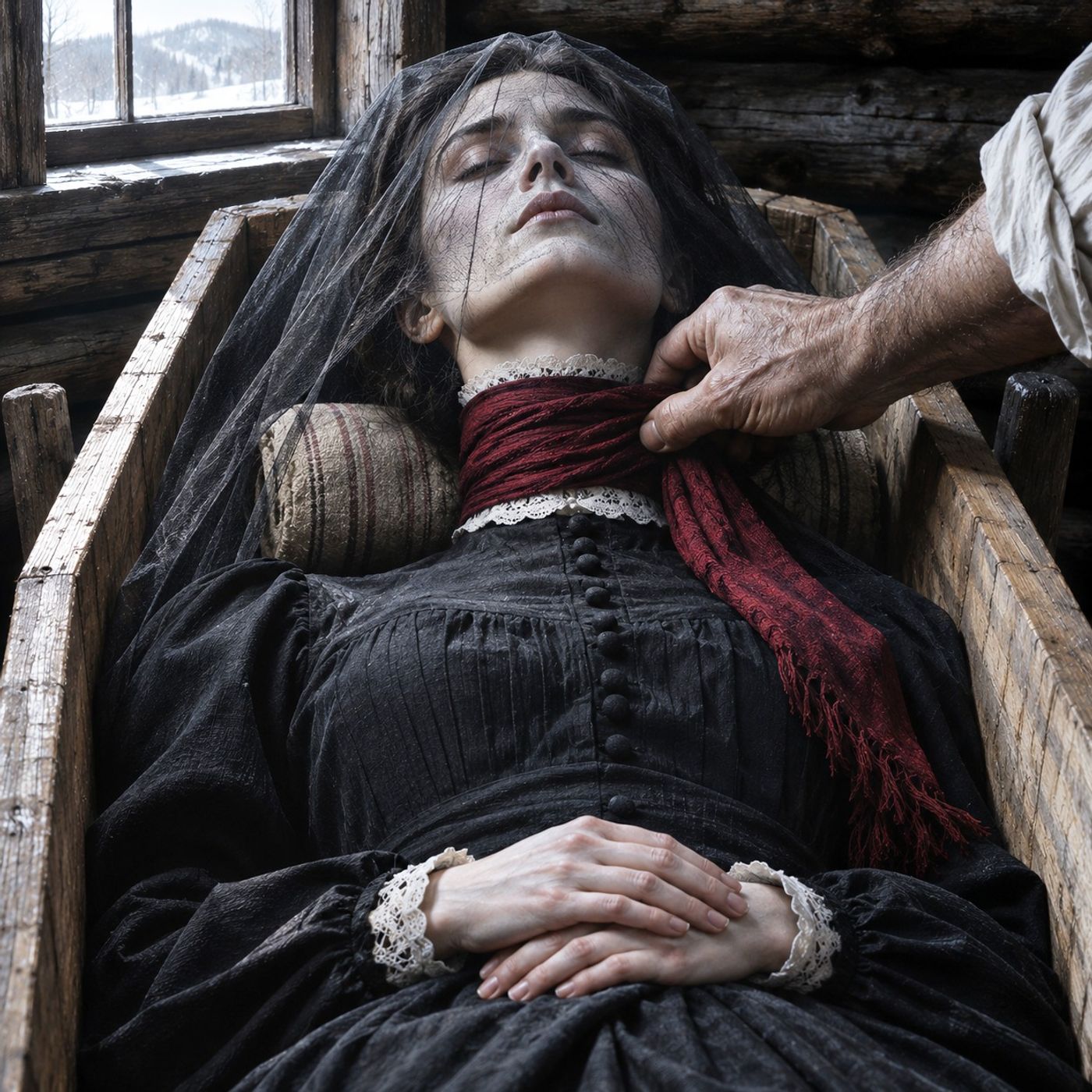
In January 1897, blacksmith Edward Shue washed and dressed his bride of three months for burial before the coroner ever reached their log house in Greenbrier County, West Virginia, and at her funeral he kept fussing with her head and neck, propping it on a pillow and wrapping a scarf around her high collar. Her mother, Mary Jane Heaster, had never liked him, and for weeks afterward she prayed every evening for her daughter to come back and tell her what had really happened. FEATURED STORIES IN THIS EPISODE: This Weird Darkness episode runs from the Greenbrier Ghost, the 1897 West Virginia murder victim whose mother said she came back to name her killer, to a bottomless pit in Washington, a wave of Mothman sightings over Chicago, and a London tomb rumored to be a time machine. Elva Heaster was dead – but that didn’t stop her ghost from solving the murder. *** In Stephen King’s “Pet Semetery”, beloved family pets could come back from the dead. *** In Washington there is a hole that some
The Min Min lights are one of Australia's most enduring mysteries. For generations, travellers across the remote Channel Country of outback Queensland, from Brewarrina in New South Wales up to Boulia, have reported strange, glowing orbs that hover on the horizon, follow people across the dark, keep pace with moving vehicles, and vanish the moment anyone draws near. The Aboriginal peoples of the outback knew of the Min Min light long before European settlement, long before cars or electric lamps existed to explain it. Science has offered an answer, the neuroscientist Professor Jack Pettigrew's elegant Fata Morgana mirage theory, but it may not be the whole story. On Mysteries at Bedtime, settle in, get comfortable, and let us tell you the story of the Min Min lights. All the details here Hosted on Acast.
The Sam Sheppard case has been argued over for more than seventy years, and it has never been settled. In the small hours of the fourth of July, 1954, Marilyn Sheppard, four months pregnant, was beaten to death in her bedroom in the quiet lakeside suburb of Bay Village, Ohio. Her husband, Dr Sam Sheppard, said he had fought a bushy-haired intruder in the dark and been knocked unconscious. The police, the press and a jury did not believe him. His conviction would travel all the way to the United States Supreme Court and change the meaning of a fair trial, a second trial would set him free, the story is widely believed to have inspired The Fugitive, and decades later DNA would reopen the question all over again. On Crime at Bedtime, settle in, get comfortable, and let us tell you the story of the Sam Sheppard case. All the details here Hosted on Acast.
In 1970, the body of a woman was found strangled and buried in a shallow grave. With no clues to follow, the case quickly went cold, leaving investigators with more questions than answers. What no one knew then was that this was just the beginning of a terrifying reign of terror. This unsolved murder would later be linked to Samuel Little, a man who would become America's most prolific serial killer, confessing to over 90 murders across four decades. In this episode of Crime at Bedtime, we uncover how Little evaded capture for so long, the lives he destroyed, and how justice finally caught up with him. All the details here Hosted on Acast.
Products should disclose expected service life and repairability before purchase.
Share your view, then see how readers voted. No sign-in required. This poll is shared across stories.
Do you agree or disagree?
Common Quandary
A Common Quandary to discuss
Another conversation to explore, separate from this news story.
A coworker tells you their salary in confidence—and proves everyone else is underpaid. Do you share it?
A coworker privately tells you their salary and asks you not to repeat it. You later realize the figure is strong evidence that several equally experienced colleagues are being underpaid.
When does fairness outweigh a promise of confidentiality?