English-language podcasts

The John Batchelor Show

GHOSTS Political Legacies and Psychological Shadows — Part Two TANIA-BRANIGAN-RED-MEMORY-HOUR-TWO-9-8-23
38 min

Listen through the publisher, then discuss the episode here or arrange an in-person Roundtable. Your city determines where to meet.

Roundtables are designed for groups of four, with a shared subject and room for everyone to speak. Come for discussion, with no dating expectation.

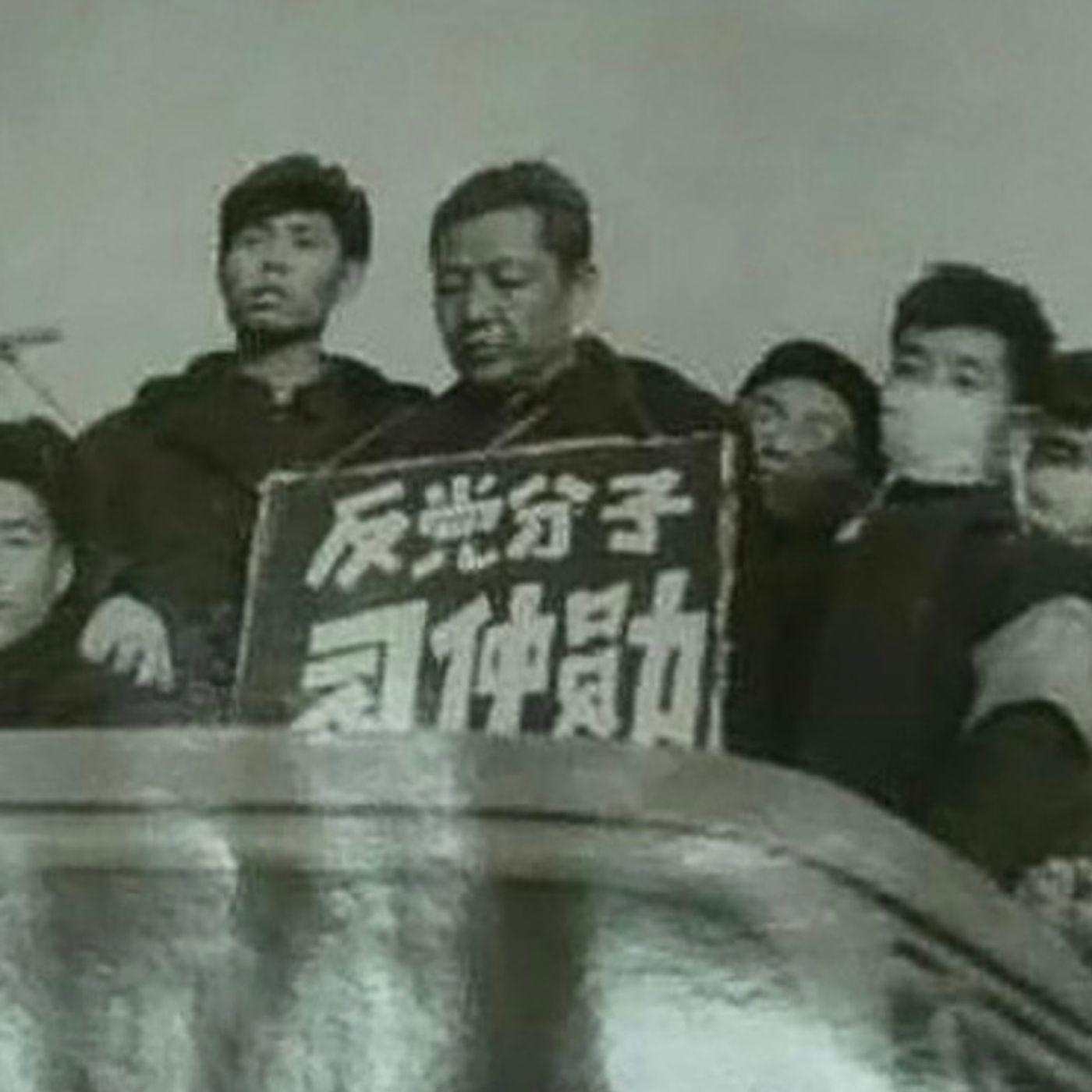
Political Legacies and Psychological Shadows — Part Two Tania Branigan of The Guardian, author of Red Memory: The Afterlives of China’s Cultural Revolution, continues with John Batchelor, examining the princelings Xi Jinping and Bo Xilai, the downfall of Lin Biao, the matricide case of Zhang Hongbing, and the enduring psychological trauma analyzed by mental health professionals in Shanghai.

Episode information is provided by the publisher. Listening takes place on the publisher’s service.

Listen at the source ↗

Featured places to meet in Palo Alto, CA

Explore these places and arrange a conversation through ThinkMatch.

City guide for Palo Alto, CA

More from The John Batchelor Show

The John Batchelor Show

Floods Wash Snakes Downtown JEREMY-ZAKIS

9 min

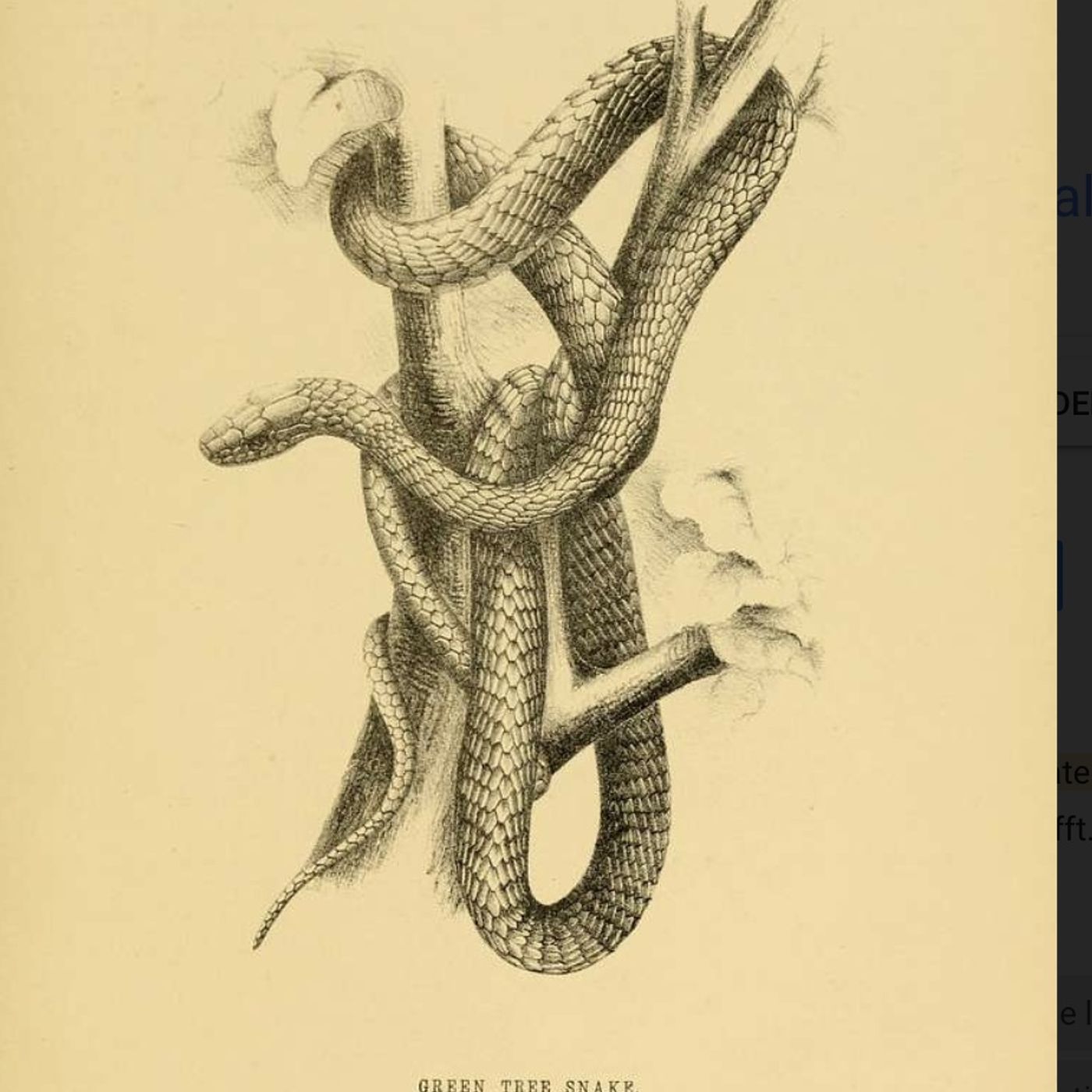
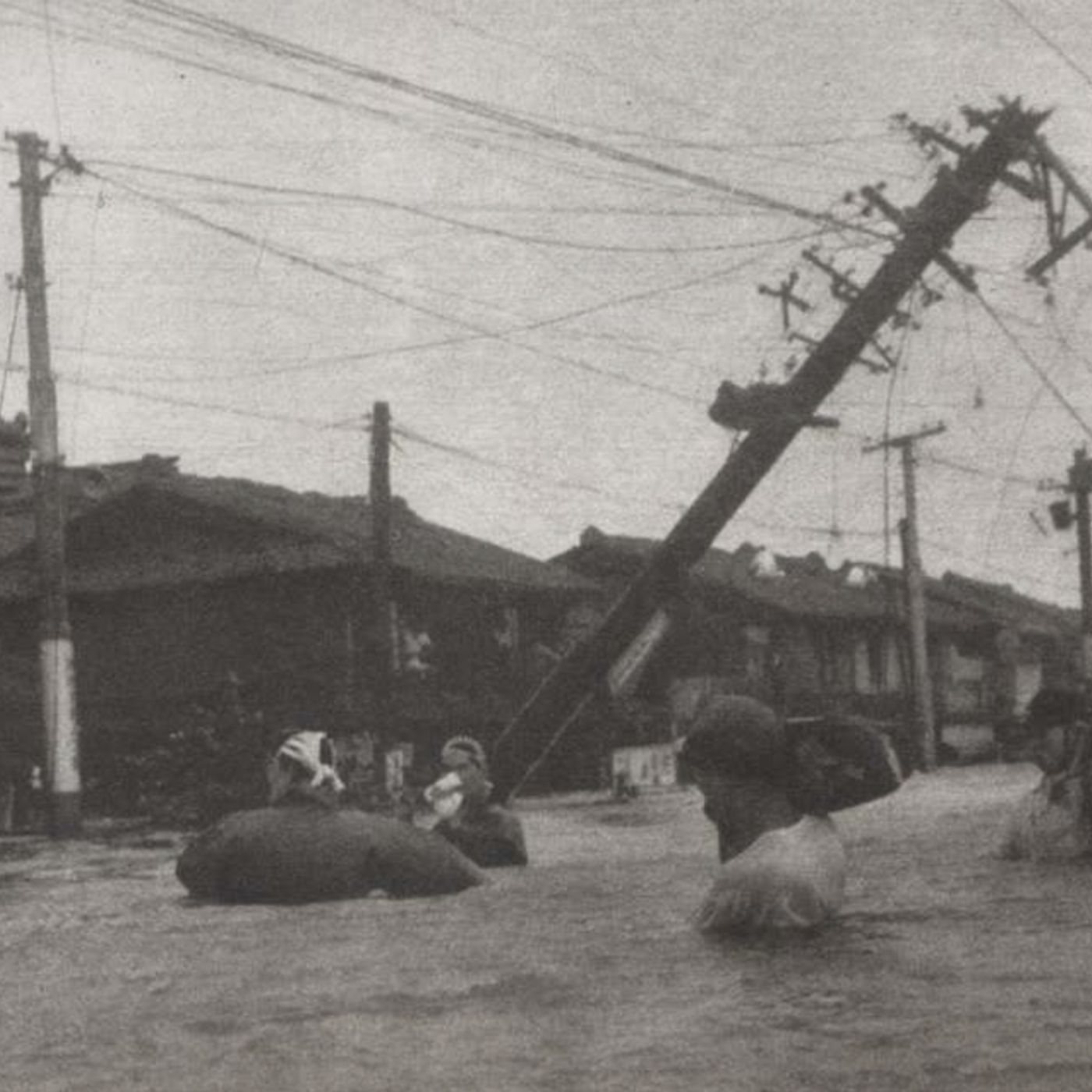
Floods Wash Snakes Downtown Jeremy Zakis explains the official warnings issued in Melbourne after floodwaters washed venomous snakes into the central business district. Snake catchers face surging demand and charge costly call-out fees, while unseasonable storms have disrupted local wildlife, leaving kangaroos hyperactive and erratic on the roads. (2)

Discuss this episode

Community Poll

Public officials should meet ethical standards higher than the minimum required by law.

Share your view, then see how readers voted. No sign-in required. This poll is shared across stories.

Do you agree or disagree?

Choose one answer

Common Quandary

A Common Quandary to discuss

Another conversation to explore, separate from this news story.

Someone you love asks, “Do you think I’ll be okay?” What if you do not?

A relative with a poor prognosis asks whether you think they will recover. They seem to need reassurance, but you believe the odds are very low and do not want to spend the remaining time pretending.

Can preserving hope justify saying more than you believe?

Explore this quandary