Guns, boot camps and ballot boxes: The state of play in NSW and Victoria
28 min
Listen through the publisher, then discuss the episode here or arrange an in-person Roundtable. Your city determines where to meet.
Roundtables are designed for groups of four, with a shared subject and room for everyone to speak. Come for discussion, with no dating expectation.
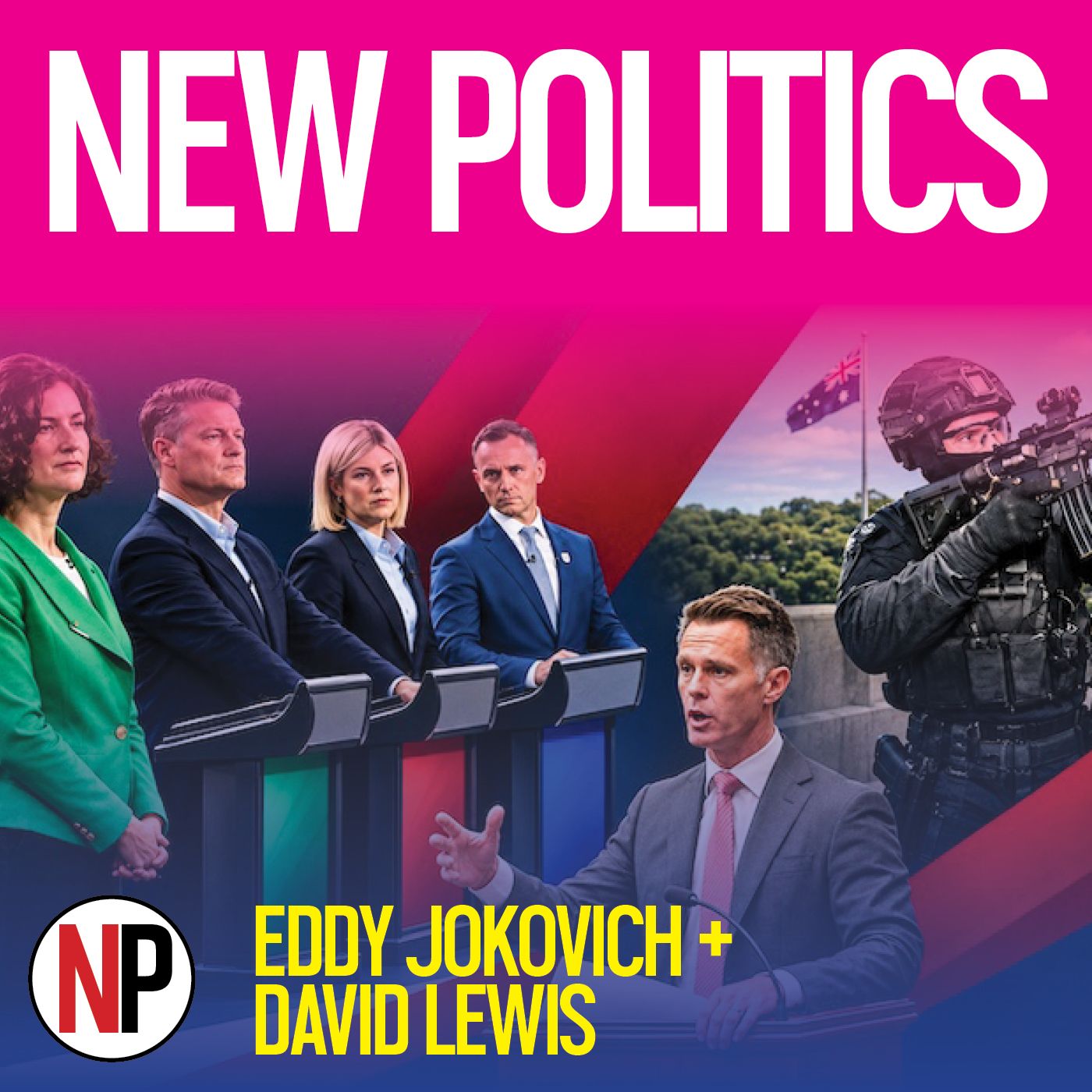
In this episode, we look at what’s putting Labor under pressure ahead of the Victorian state election and the 2027 NSW election. In NSW, why is Premier Chris Minns still pushing to let Jewish Community Security Group volunteers carry firearms at selected public events despite concerns from NSW Police, and what does his backflip on real estate underquoting mean for homebuyers? In Victoria, we examine the contest between Labor’s promise to cut elective surgery wait times and Liberal leader Jess Wilson’s pitch on youth crime, as cost-of-living pressures and a proposed ban on the phrase “globalise the intifada” compete for attention. We also look at where the Victorian Greens and One Nation could pick up seats after the four-way Sky News leaders’ debate. #AusPol Support New Politics:
Episode information is provided by the publisher. Listening takes place on the publisher’s service.
Michael Knowles is about to get a CRASH COURSE in Grand Theft Auto 6 from two REAL tough guys! In this hilarious new video, Michael sits down with two self-proclaimed gangsters who teach him the ins and outs of GTA 6, from surviving the streets to mastering the criminal underworld. Can Michael keep up with these two tough guys, or is he about to discover he's NOT cut out for a life of crime? Watch as Michael gets schooled in GTA 6, and let us know if he has what it takes to survive! - - - Today's Sponsor: Helix Sleep - Take Helix’s two-minute sleep quiz to find the right mattress from more than 20 models, then try it at home with free U.S. shipping and a full 365-night sleep trial. - - - DailyWire: Watch Daily Wire's new movie "Confession" only at: https://www.dailywire.com/videos/confession Don’t dress like a squish. Shop my merch here: https://dwplus.shop/MichaelKnowlesMerch - - - Socials: YouTube — https://youtube.com/@MichaelKnowles Facebook — https://www.facebook.com/michaelknowle
It was the longest COP on record - and it ended with no deal. Minister for Climate Change and Energy Chris Bowen was president of negotiations - so is he responsible for the result? And what does this failure say about the world’s ability to work together on climate change, and other major issues, in the future? Back in Canberra it’s finally the last sitting week of 2026. Controversial bills, last minute concessions, and plenty of political horse trading will be underway - including around Digital Duty of Care, a Gas Reservation Scheme, trusts and tax, and any cost-of-living measures the government can squeeze in. So who’s getting what they want and who’s walking away empty-handed? Patricia Karvelas and Jacob Greber break it all down on Politics Now. Read PK's latest analysis here (https://www.abc.net.au/news/2026-11-23/election-victorian-labor-election-defeat-albanese-stays-away/107414442). Listen to our sister podcast, ABC Business Daily, unpack if we're already in a recession in tod
Alex Murdaugh's murder retrial has a new question hanging over it, and it starts with a shirt. The defense says SLED's lead agent, David Owen, described blood spatter to the grand jury even though the agency's own lab had found no human blood in tested stains. It also challenges his claim that shotguns at Moselle were loaded like the weapon used to kill Paul. At the November 13 hearing, Judge Debra McCaslin heard the arguments and did not toss the charges. She said she would try to issue a written decision by November 20. Before adjourning, she asked whether prosecutors could return to a grand jury and keep the April 5, 2027 retrial date. That's a practical question, not a verdict about anyone's honesty. Creighton Waters argued that Owen's statements were not intentionally deceptive and that the spatter expert continued to stand by his interpretation. The State also points to the kennel video and other evidence it says supports the indictment. The defense counters that the grand jury s
Screen time in schools, kids and AI: why Australian students just posted their worst ever reading and maths results. The federal Education Minister says screens are part of the problem. Sweden led the world putting tablets in classrooms and is now pulling them back out. NSW will cap kindy kids at 15 minutes of screen time a day from next year. So were the "hippie" Steiner schools ahead of their time all along? Karl sits down with Andrew Hill, CEO of Steiner Education Australia, which represents 53 schools that keep screens out of early childhood classrooms. Andrew explains why some Silicon Valley tech executives sent their own kids to a screen-free Steiner school, who has profited from a laptop for every kid ("the terrible thing about handwriting is that it's free"), and why he believes Bluey's creator modelled the show's school on a Steiner school in Queensland. Karl also puts the tough questions: Will kids without screens be left behind? Is it all woo-woo? What about bullying, fees a
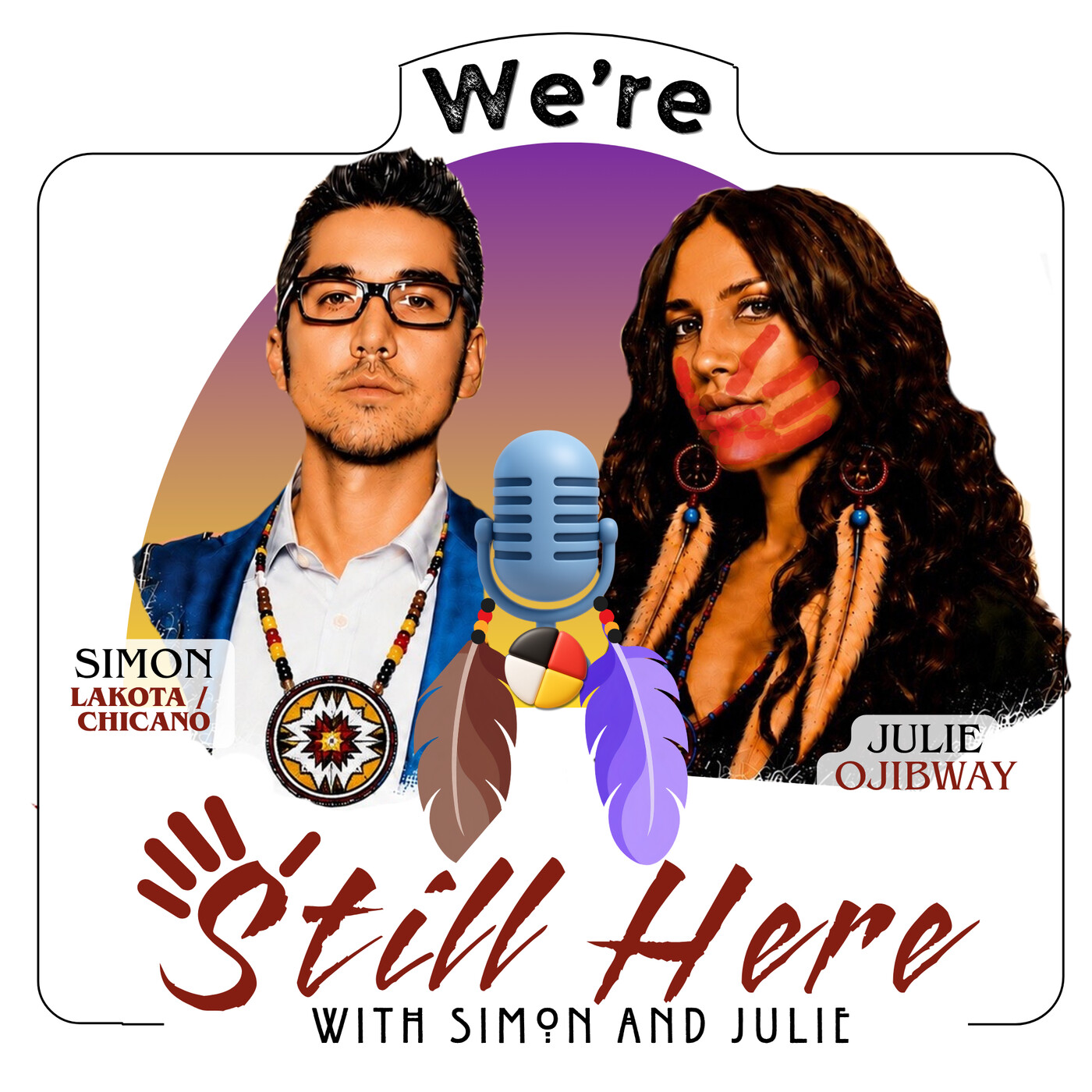
Journalist Simon Moya-Smith and Indigenous studies professor Julie Francella join John Fugelsang for a wide-ranging conversation on Indigenous rights, environmental protections, media representation, and the cost of speaking out. They explain how the proposed American Affordability and Jobs Act could weaken environmental reviews, tribal consultation, and protections for sacred sites—and why pipelines, data centers, and other development projects can bring serious risks to Indigenous communities, including threats to water, land, and safety. They also examine racist stereotypes in political and media coverage, from a cartoon targeting Deb Haaland to a U.S. attorney’s letter mocking Senator Elizabeth Warren with harmful tropes. Simon and Julie discuss why these depictions persist, how underrepresentation in newsrooms contributes to the problem, and why precise language and Indigenous voices matter. Along the way, callers share perspectives on community activism, Native traditions, and th
Countries are leaving the UN's annual climate summit without reaching an agreement after the European Union and others rejected the final deal. As Candice Cole reports, the biggest sticking points were around fossil fuels. Washington's governor has called the video of two people being arrested by ICE at an airport in Seattle "chilling." Heidi Petracek reports on the cancellation of a federal government program that helped community groups sponsor and support refugees coming to Canada. David Murdock on the election of the new Liberal leader in Nova Scotia. Melissa Ridgen reports on warnings from the trucking industry that bridge and overpass strikes in Western Canada are only going to get worse. Heather Yourex-West takes us through the new Airbnb rules and what they mean for hosts and guests. Plus, Felicia Parrillo introduces us to three Montreal students who won an international NASA competition.
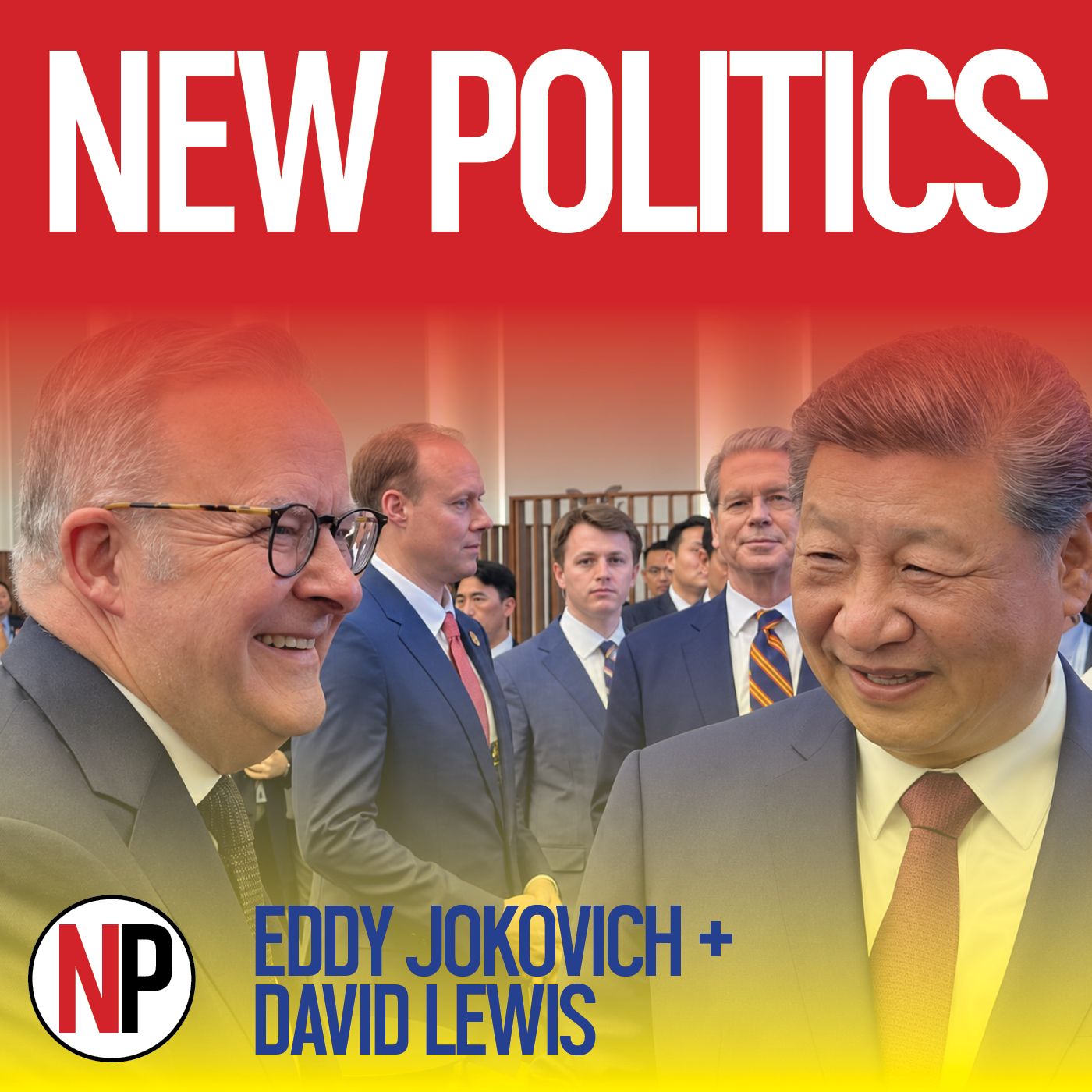
What will Australia gain from Anthony Albanese’s 11-day diplomatic tour? In this episode, we follow the prime minister from ASEAN to the Quad, APEC and talks with China’s Xi Jinping, asking what Australia might trade for a seat on the United Nations Security Council. We put Penny Wong’s claims about Australian influence to the test over Gaza, aid worker protection and Security Council veto reform. And as the US–China race for AI chips drives demand for critical minerals and data centres strain energy supplies, can Australia build a processing industry and create skilled jobs, or will it stay the world’s quarry? #AusPol Support New Politics:
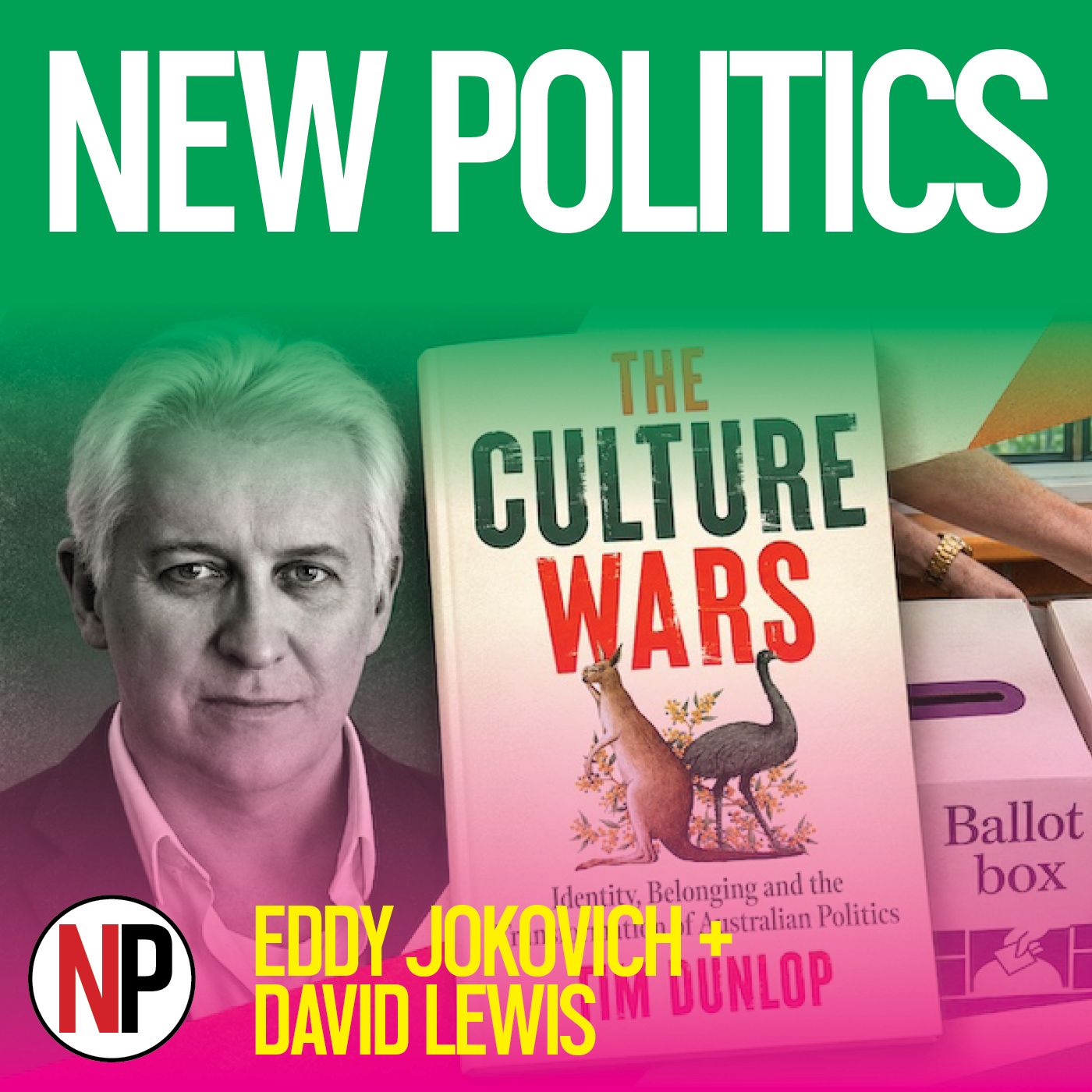
Who wins when every political argument becomes a test of ideological loyalties? In this episode, Tim Dunlop, author of The Culture Wars: Identity, Belonging and the Transformation of Australian Politics, explains how politicians and the media turn genuine debates about history and identity into electoral weapons. We trace the links between the Hawke–Keating market reforms and John Howard’s history wars, ask why culture-war politics helped Donald Trump but deepened divisions in the Liberal Party, and explore how One Nation has shaped Australia’s immigration debate. Could community independents and citizens’ assemblies give voters more say between elections? #AusPol Support New Politics:
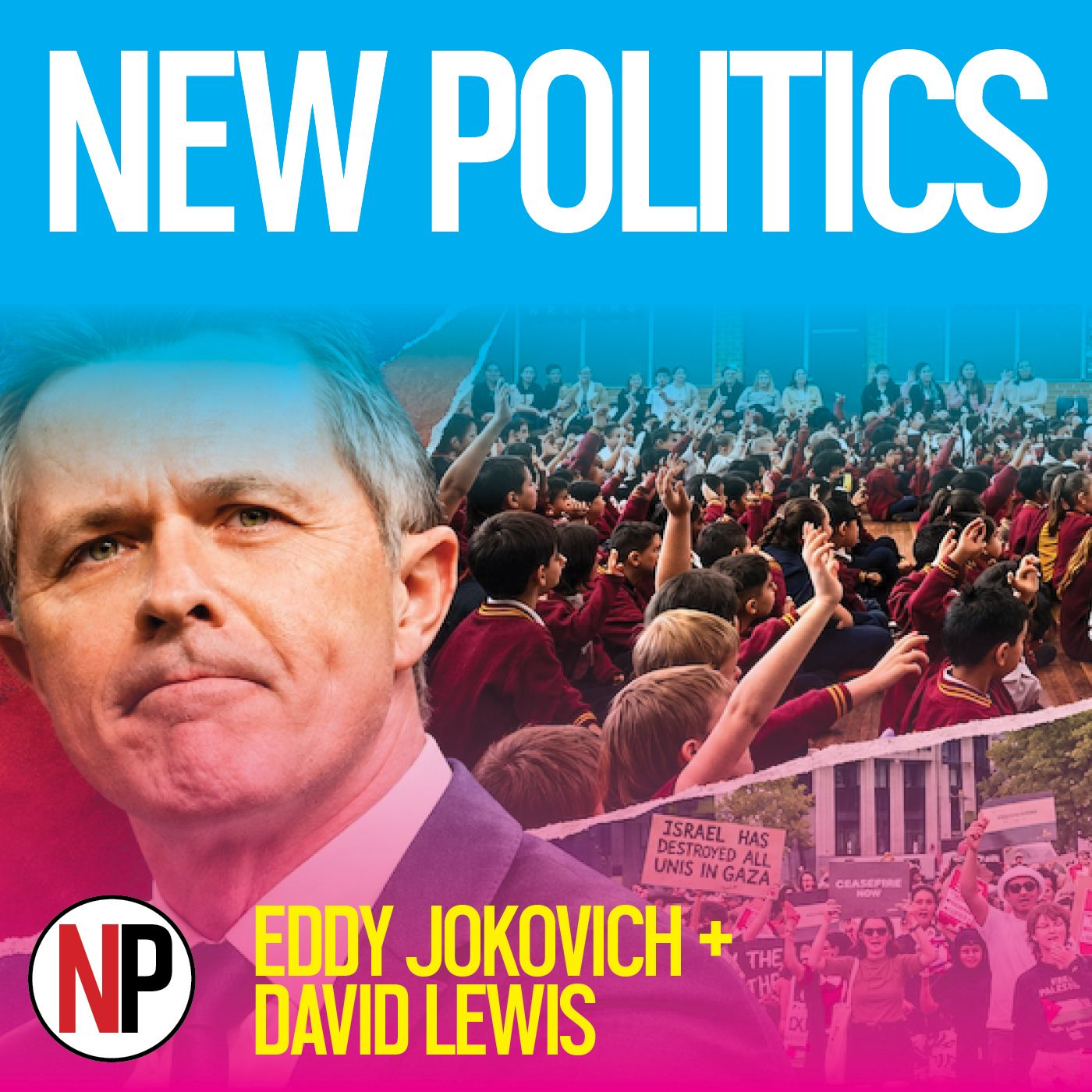
In this episode, we examine Jason Clare’s push for new teaching resources on antisemitism, Jewish history and the Holocaust in Australian schools, alongside proposed $2 million penalties for universities that fail to address antisemitism. With 72 per cent of Year 10 students falling short of the civics and citizenship proficiency standard, we ask how schools can help students weigh evidence and discuss Jewish identity, Zionism, Israel and Gaza. We also look at how the proposed penalties fit into Special Envoy Jillian Segal’s agenda and whether universities can tackle targeted harassment while protecting academic freedom and political debate. #AusPol Support New Politics:
Schools should restrict personal phone use during lessons.
Share your view, then see how readers voted. No sign-in required. This poll is shared across stories.
Do you agree or disagree?
Common Quandary
A Common Quandary to discuss
Another conversation to explore, separate from this news story.
A patient records every doctor visit for their followers. Can the doctor refuse to be filmed?
A patient with a large social-media following livestreams their health journey and wants to record every appointment. They say the videos help others and keep doctors accountable. Their physician finds the camera distracting and worries that casual remarks will be edited out of context.
Whose comfort should control a conversation about one person's body and another person's work?