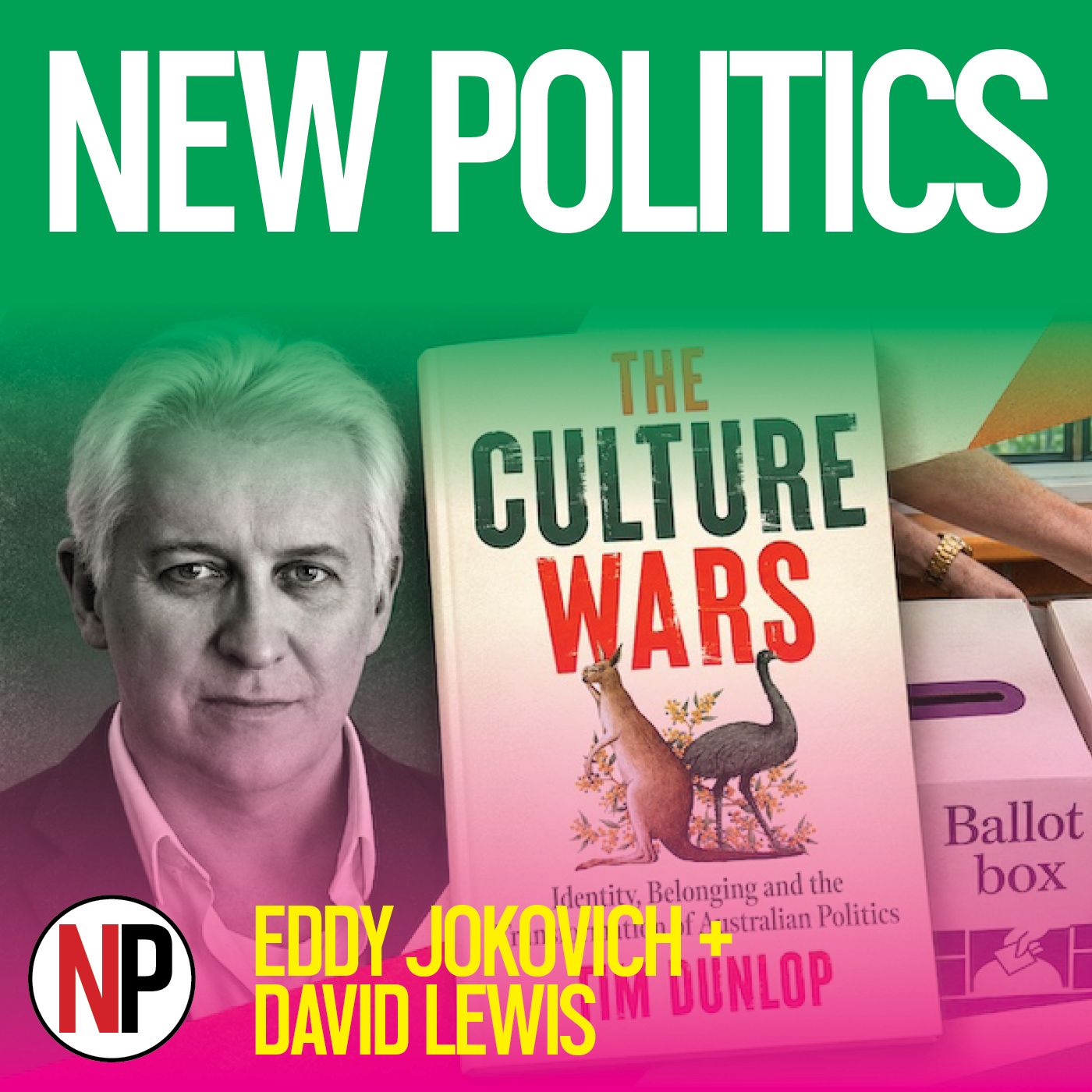
The Culture Wars: Tim Dunlop and the future of Australian politics
30 min
Listen through the publisher, then discuss the episode here or arrange an in-person Roundtable. Your city determines where to meet.
Roundtables are designed for groups of four, with a shared subject and room for everyone to speak. Come for discussion, with no dating expectation.
Who wins when every political argument becomes a test of ideological loyalties? In this episode, Tim Dunlop, author of The Culture Wars: Identity, Belonging and the Transformation of Australian Politics, explains how politicians and the media turn genuine debates about history and identity into electoral weapons. We trace the links between the Hawke–Keating market reforms and John Howard’s history wars, ask why culture-war politics helped Donald Trump but deepened divisions in the Liberal Party, and explore how One Nation has shaped Australia’s immigration debate. Could community independents and citizens’ assemblies give voters more say between elections? #AusPol Support New Politics:
Episode information is provided by the publisher. Listening takes place on the publisher’s service.
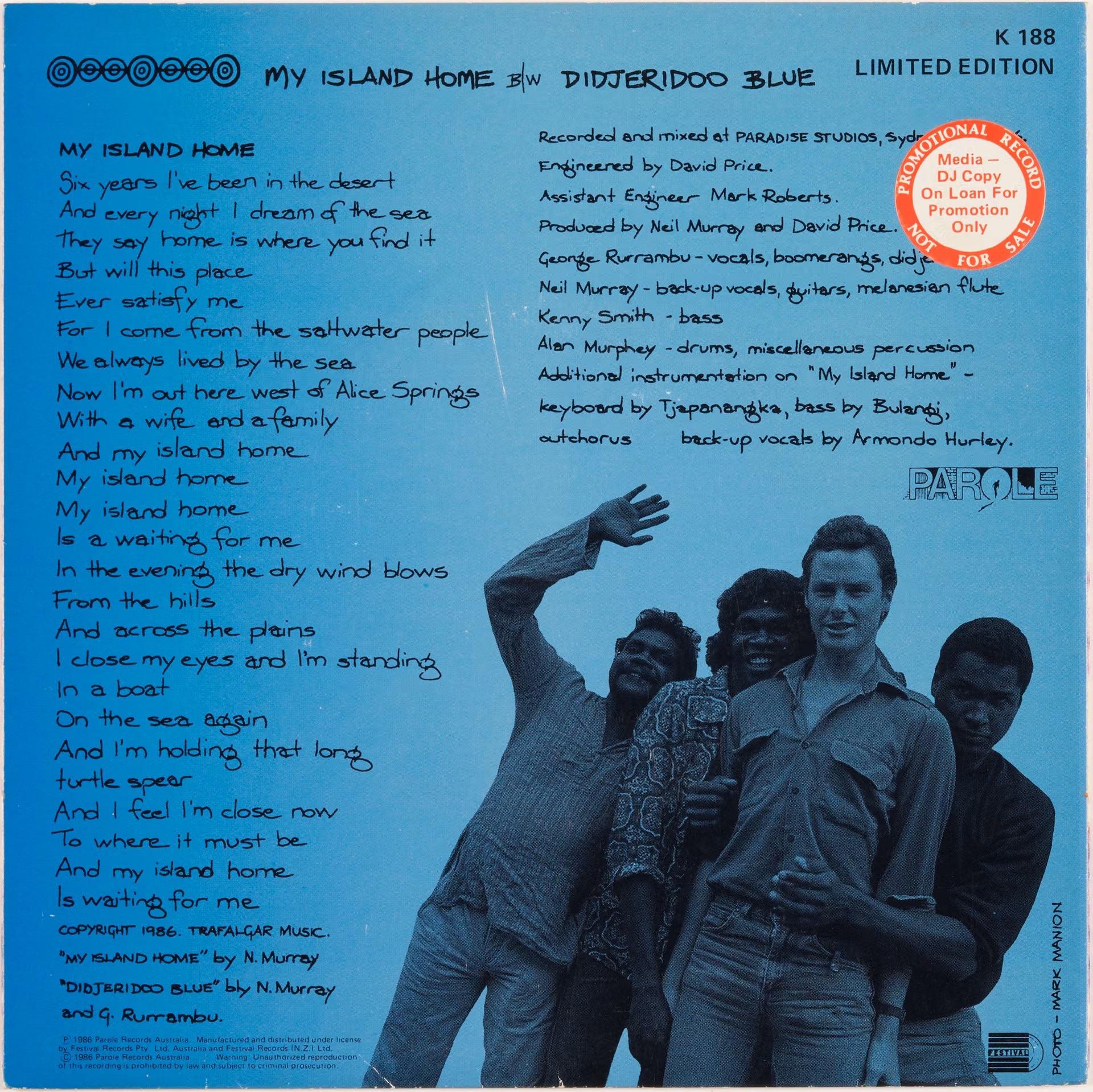
My Island Home came to Neil Murray on a bus, when he was thinking about Galiwin’ku, the island home of his Warumpi Band bandmate George Burarrwanga, and his own home country in western Victoria. This month, it was among the first 10 songs selected for the inaugural National Songbook (https://www.nfsa.gov.au/stories/deep-dives/national-songbook?gad_campaignid=24434697280&gad_source=1&gbraid=0AAAAAoyuqE8IloqWPu7EV-y2rDtcfF5WC&hsa_acc=4074694733&hsa_ad=830541886523&hsa_cam=24434697280&hsa_grp=202695137678&hsa_kw=nfsa+songbook&hsa_mt=p&hsa_net=adwords&hsa_src=g&hsa_tgt=kwd-2511061033177&hsa_ver=3), an annual collection “to honour songs that profoundly shape Australia's culture, identity and collective memory”. Neil speaks with Julian about the My Island Home story, Christine Anu's 1995 cover, and the songs he thinks should be included in the Songbook in the future. Neil will be playing (https://www.neilmurray.com.au/pages/itin.html) at The Presynct in Nambour on November 26, The Royal in N
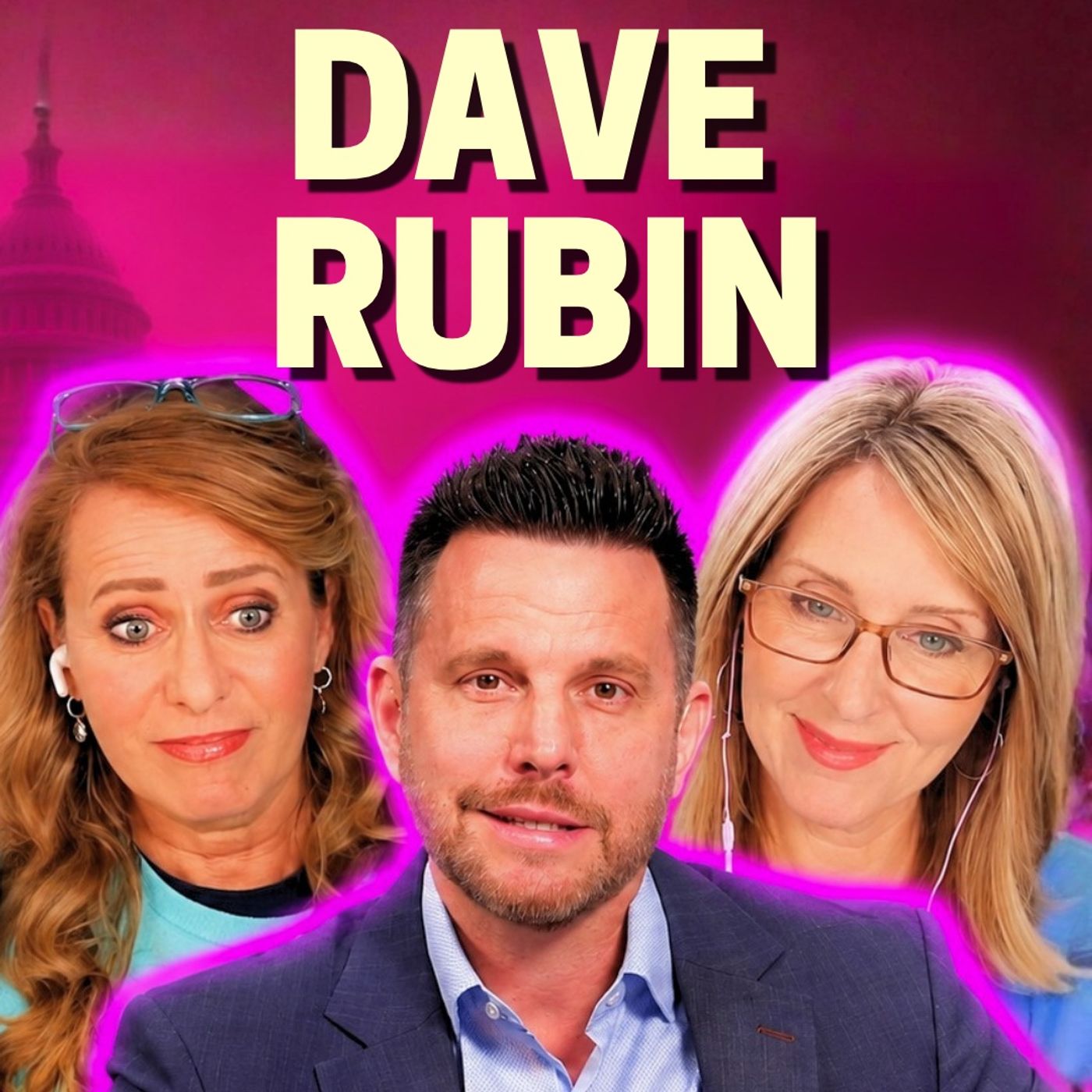
Is the Republican Party heading for a major reckoning in 2028? Dave Rubin joins The Chicks on the Right for a brutally honest conversation about Trump's final two years, the future of the GOP, and the growing divisions threatening conservatives. Dave weighs in on the Republican Party's recent election losses, whether JD Vance, Marco Rubio, or Ron DeSantis can carry Trump's agenda forward, and why he's increasingly concerned about the political direction of America. The conversation heats up as Dave takes on Nick Fuentes, the rise of extremist voices on the right, and the socialist movement gaining influence within the Democratic Party. He also discusses radical Islamism, antisemitism, the dangers of online outrage, and why he believes Western civilization faces serious challenges. Plus, with cyberattacks, banking disruptions, and nationwide outages raising concerns, Dave shares his thoughts on whether Americans should be preparing for more chaos. And don't miss the lighter side of Dave
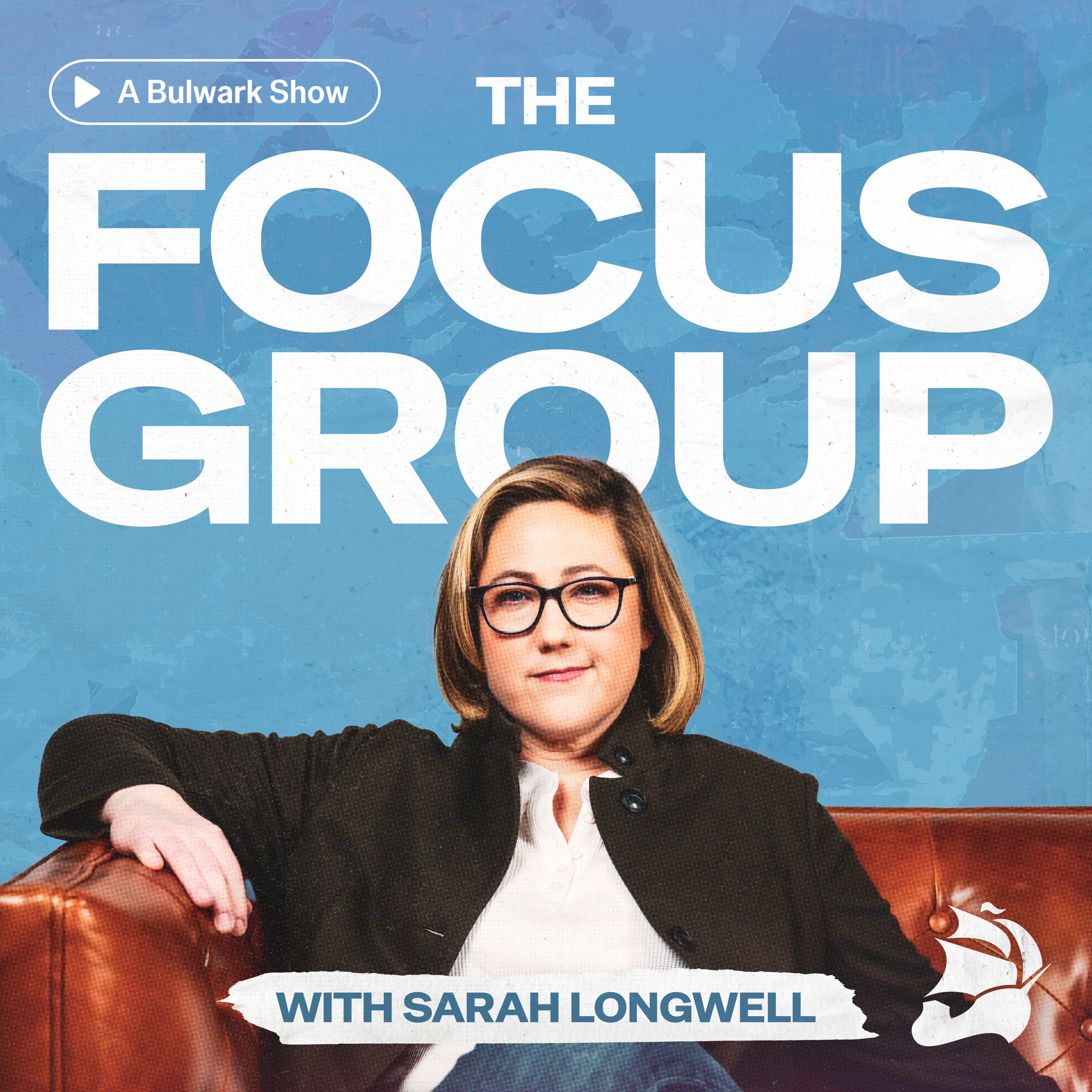
Thanksgiving is here, and some of your aunts and uncles may have softened their stances since last year. So, should you engage when politics comes up? And if so, how? Jessica Tarlov, co-host of Raging Moderates and Fox News’s The Five returns to the show to offer some tips for handling Thanksgiving (and the rest of the year), discusses her new book, and she and Sarah listen to some voters talk about how political divisions have affected their lives…and what those voters think of people who think differently. Show links: Raging Moderates with Scott Galloway and Jessica Tarlov (https://www.youtube.com/@RagingModerates) Jessica’s book, I Disagree: Winning Arguments Without Losing Friends (https://www.penguinrandomhouse.com/books/803493/i-disagree-by-jessica-tarlov/) Feeling frustrated by the state of American democracy? The Context, a podcast from the Charles F. Kettering Foundation, explores the challenges facing democracy, how to fix what’s broken, and what we can do to make it work bet
For review: 1. Iraq has reached a compromise with the powerful Iran-backed militia Kataeb Hezbollah, three senior security officials said, after Prime Minister Ali al-Zaidi readied security forces to move against the group. Reflecting the gravity of the situation, Iraqi Shiite political sources said Esmail Qaani, commander of Iran’s elite Revolutionary Guards’ Quds Force, arrived in Baghdad late on Monday to help defuse tensions with Kataeb Hezbollah, Tehran’s most powerful militia ally in Iraq. 2. Lebanese President Joseph Aoun launched a lengthy rebuke of Iran in an Independence Day address, arguing that the Islamic Republic does not have the right to interfere in Lebanon’s internal affairs, as it long has via support for its local terror proxy, Hezbollah. 3. Yemen’s Houthis launched strikes on the Saudi capital Riyadh on Saturday, after vowing reprisals for a “special operation” by the Saudi-led coalition fighting them. The coalition later said it had “intercepted and destroyed” thr
Project Synapse: Markets in Freefall, Fragile Infrastructure, and AI's Perfect Storm The hosts banter through the show's intro before focusing on a sense that "things are out of control," citing a WallStreetBets suicide-hotline post amid a market crash and discussing cascading system failures involving Microsoft, the FAA, and a reported NSA internal communications outage. They argue politicians and leadership lack technical competence and clear messaging, increasing panic, while emphasizing that many problems stem from aging, underfunded infrastructure and complex, brittle software (PHP, NGINX, Java), not proven AI attacks—more a "perfect storm" of crises. They debate whether AI should help fix complexity, stressing critical thinking, accountability, and using multiple AIs to verify each other. In a lightning round they cover Anthropic's IPO performance, mixed reactions and token limits with ChatGPT 6.2 (favoring "Sol" over "Astra"), Google's cheaper Neon model and confusing UX, Loblaw
It was the longest COP on record - and it ended with no deal. Minister for Climate Change and Energy Chris Bowen was president of negotiations - so is he responsible for the result? And what does this failure say about the world’s ability to work together on climate change, and other major issues, in the future? Back in Canberra it’s finally the last sitting week of 2026. Controversial bills, last minute concessions, and plenty of political horse trading will be underway - including around Digital Duty of Care, a Gas Reservation Scheme, trusts and tax, and any cost-of-living measures the government can squeeze in. So who’s getting what they want and who’s walking away empty-handed? Patricia Karvelas and Jacob Greber break it all down on Politics Now. Read PK's latest analysis here (https://www.abc.net.au/news/2026-11-23/election-victorian-labor-election-defeat-albanese-stays-away/107414442). Listen to our sister podcast, ABC Business Daily, unpack if we're already in a recession in tod
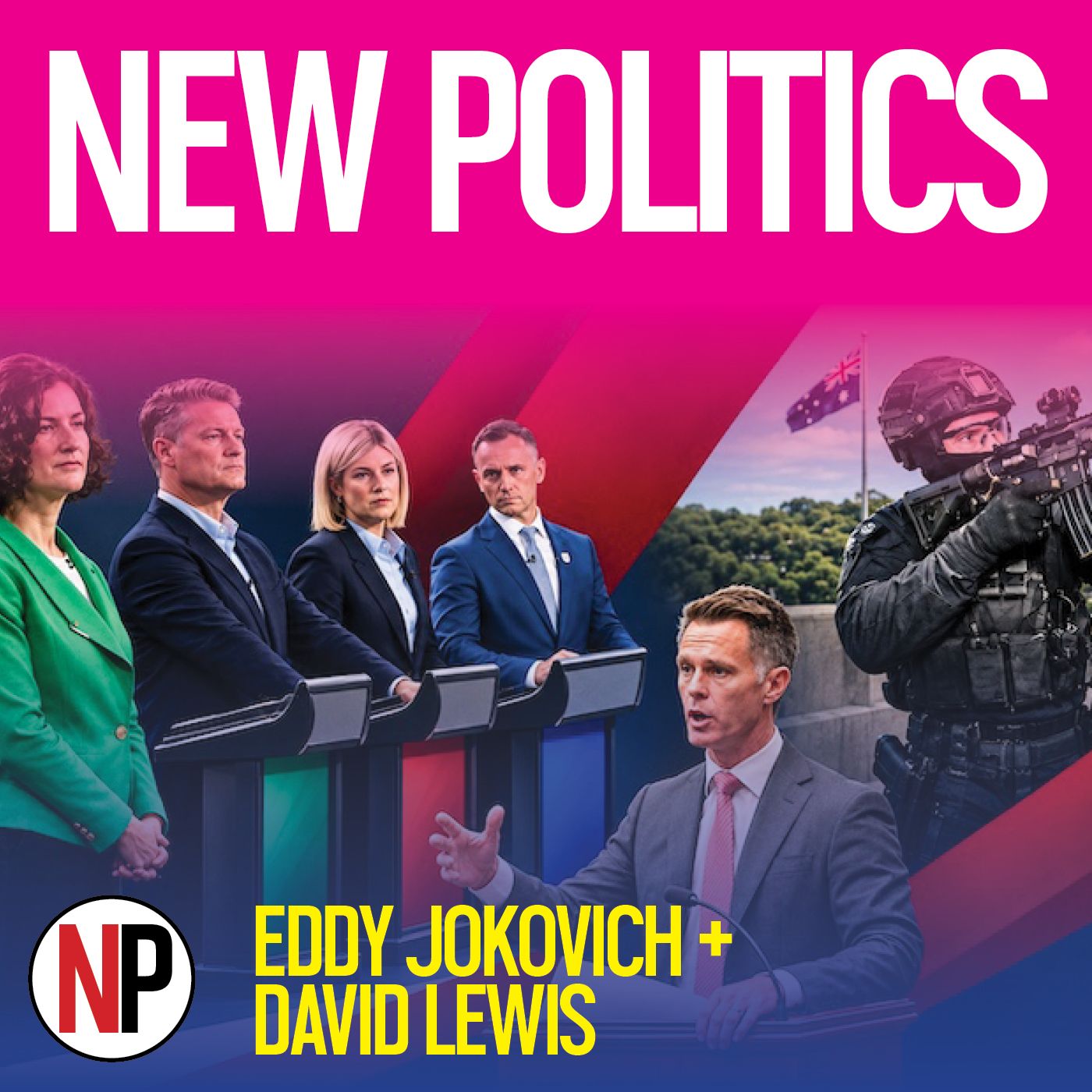
In this episode, we look at what’s putting Labor under pressure ahead of the Victorian state election and the 2027 NSW election. In NSW, why is Premier Chris Minns still pushing to let Jewish Community Security Group volunteers carry firearms at selected public events despite concerns from NSW Police, and what does his backflip on real estate underquoting mean for homebuyers? In Victoria, we examine the contest between Labor’s promise to cut elective surgery wait times and Liberal leader Jess Wilson’s pitch on youth crime, as cost-of-living pressures and a proposed ban on the phrase “globalise the intifada” compete for attention. We also look at where the Victorian Greens and One Nation could pick up seats after the four-way Sky News leaders’ debate. #AusPol Support New Politics:
What will Australia gain from Anthony Albanese’s 11-day diplomatic tour? In this episode, we follow the prime minister from ASEAN to the Quad, APEC and talks with China’s Xi Jinping, asking what Australia might trade for a seat on the United Nations Security Council. We put Penny Wong’s claims about Australian influence to the test over Gaza, aid worker protection and Security Council veto reform. And as the US–China race for AI chips drives demand for critical minerals and data centres strain energy supplies, can Australia build a processing industry and create skilled jobs, or will it stay the world’s quarry? #AusPol Support New Politics:
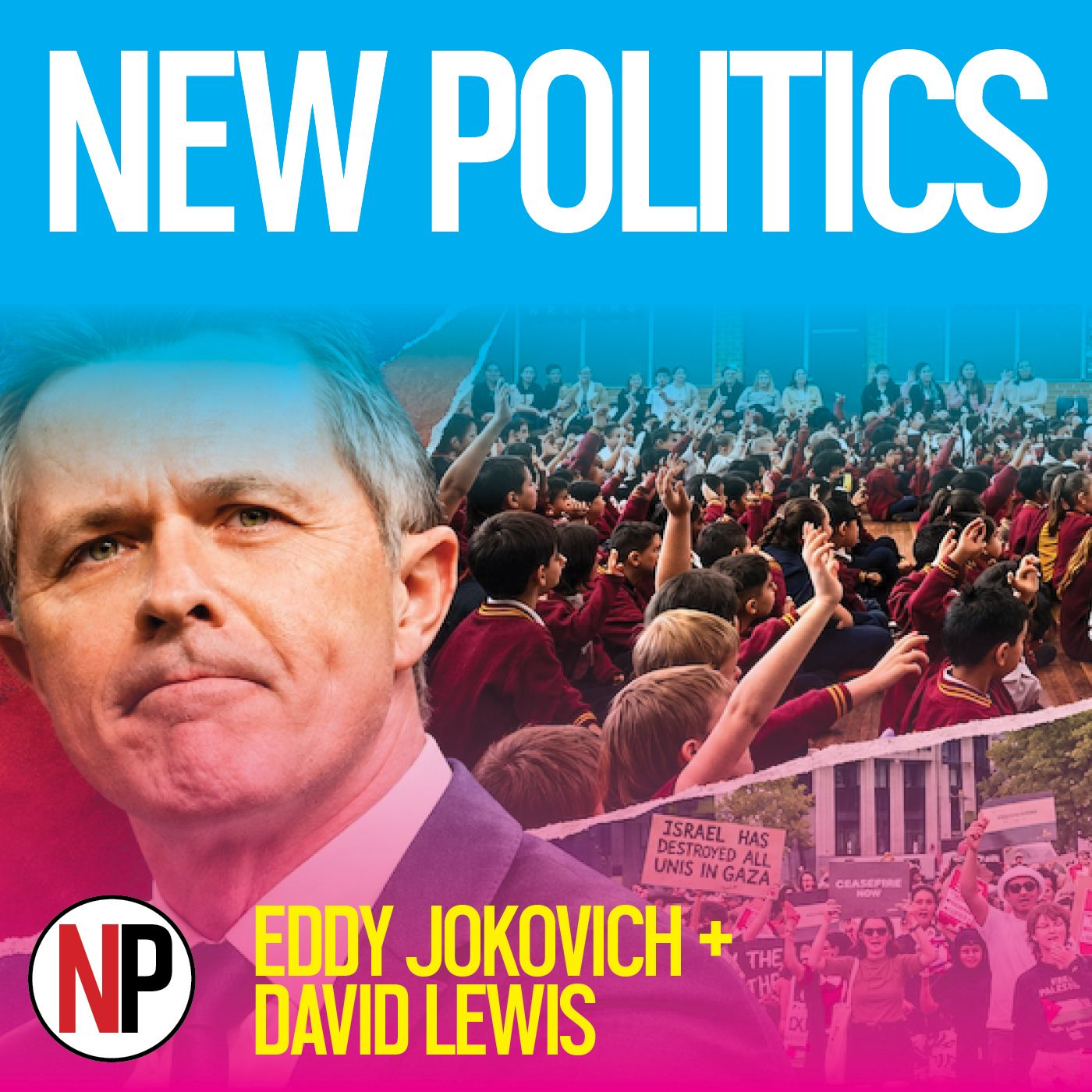
In this episode, we examine Jason Clare’s push for new teaching resources on antisemitism, Jewish history and the Holocaust in Australian schools, alongside proposed $2 million penalties for universities that fail to address antisemitism. With 72 per cent of Year 10 students falling short of the civics and citizenship proficiency standard, we ask how schools can help students weigh evidence and discuss Jewish identity, Zionism, Israel and Gaza. We also look at how the proposed penalties fit into Special Envoy Jillian Segal’s agenda and whether universities can tackle targeted harassment while protecting academic freedom and political debate. #AusPol Support New Politics:
New owners should honor commitments to people who already depend on a business or property.
Share your view, then see how readers voted. No sign-in required. This poll is shared across stories.
Do you agree or disagree?
Common Quandary
A Common Quandary to discuss
Another conversation to explore, separate from this news story.
You know the relationship is over, but the vacation is nonrefundable. Do you wait to break up?
You have decided to end a year-long relationship. In five days, you are both leaving on an expensive vacation that cannot be refunded or transferred. Your partner is excited and believes the relationship is thriving.
Can avoiding financial waste justify delaying a painful truth?