Listen through the publisher, then discuss the episode here or arrange an in-person Roundtable. Your city determines where to meet.
Roundtables are designed for groups of four, with a shared subject and room for everyone to speak. Come for discussion, with no dating expectation.
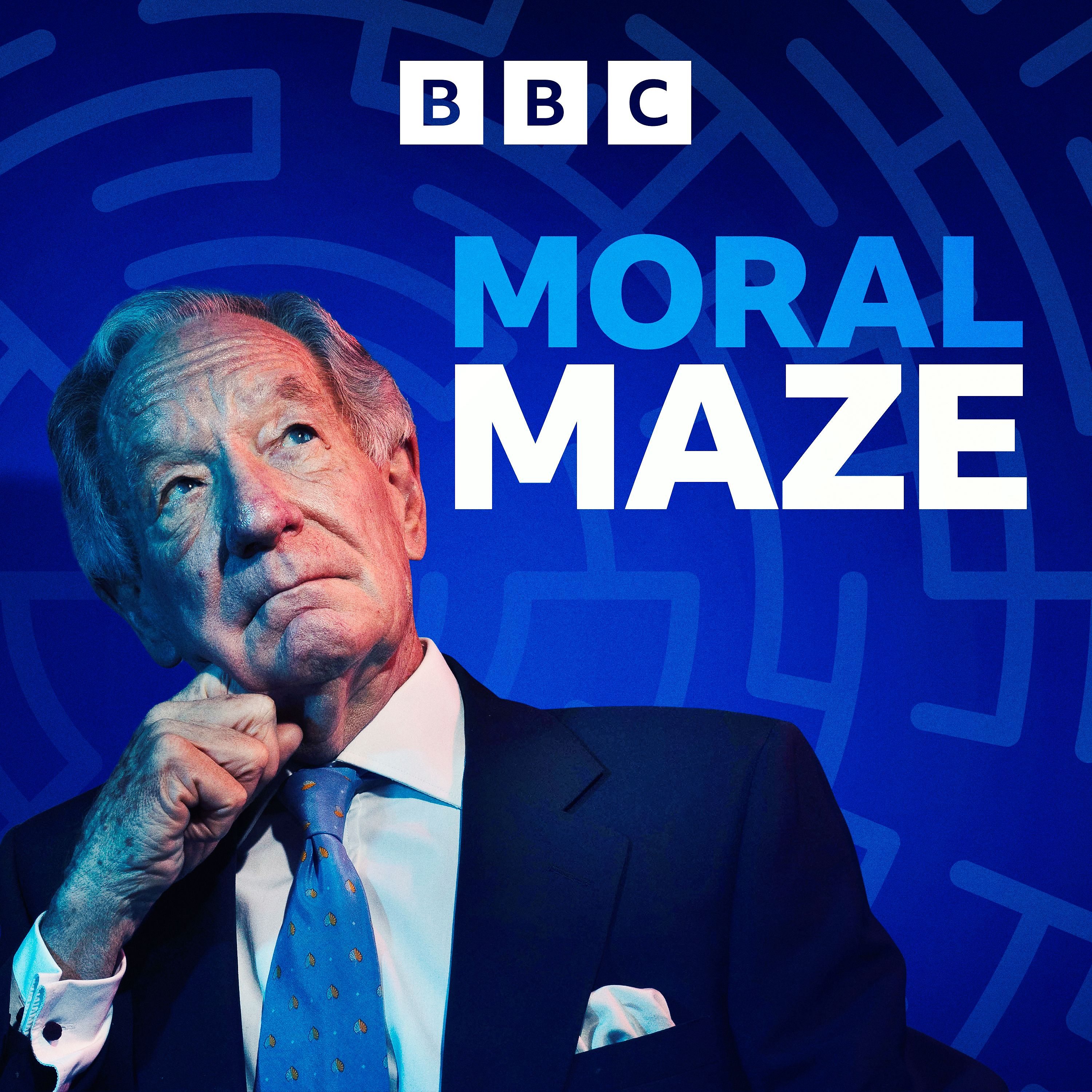
Every year, Britain falls silent on Armistice Day. The bugle plays the "Last Post", and we collectively agree: “Never Again”. At the same time, war has returned to Europe. Governments are increasing defence spending to levels not seen since the Cold War. Politicians speak of a nation “on a war footing” and advise citizens to stockpile emergency supplies. Across Europe, the Far Right is resurging and democracy is under strain. Holocaust ignorance is growing, especially among the young. So what exactly are we remembering for? What is the value of remembrance beyond an act of collective mourning? If its moral purpose is to prevent us repeating the mistakes of the past, should we conclude that it has failed? If collective memory has the power to shape human behaviour, for better or worse, how should we think about it? Chair: Michael Buerk Panel: Giles Fraser, Mona Siddiqui, Tim Stanley and Sonia Sodha. Witnesses: Amanda Chisholm, Philip Ingram, Alan Lester and Edward Harcourt. Producer: Dan Tierney Assistant producers: Jay Ungar and Pater Everett. Editor: Chloe Walker.
Episode information is provided by the publisher. Listening takes place on the publisher’s service.
In this episode of the Weekend T, Michael Deacon and Tim Stanley debate whether Robert Pattinson has what it takes to be James Bond (https://www.telegraph.co.uk/films/2026/11/18/unlikely-rise-007-oddball-robert-pattinson/), why the franchise should return to its Cold War roots and whether modern 007 films have lost their sense of fun. They also question why grown men are taking time off work to play Grand Theft Auto VI (https://www.telegraph.co.uk/news/2026/11/18/school-send-minibus-truants-playing-grand-theft-auto/), and discuss Russell Brand’s right to maintain his innocence after his convictions. Plus, David Beckham’s Poundland perfume problem, a royal who boils eggs in hotel kettles and a taste test of this year’s Christmas sandwiches – including Gail’s (https://www.telegraph.co.uk/news/2026/03/17/gails-anti-semitism-and-far-left-conspiracy-theories/) £7.80 offering. ► Subscribe to our new Daily T YouTube channel: youtube.com/@dailytpodcast ► We want to hear from you! ► Sign up to
Thanksgiving is here, and some of your aunts and uncles may have softened their stances since last year. So, should you engage when politics comes up? And if so, how? Jessica Tarlov, co-host of Raging Moderates and Fox News’s The Five returns to the show to offer some tips for handling Thanksgiving (and the rest of the year), discusses her new book, and she and Sarah listen to some voters talk about how political divisions have affected their lives…and what those voters think of people who think differently. Show links: Raging Moderates with Scott Galloway and Jessica Tarlov (https://www.youtube.com/@RagingModerates) Jessica’s book, I Disagree: Winning Arguments Without Losing Friends (https://www.penguinrandomhouse.com/books/803493/i-disagree-by-jessica-tarlov/) Feeling frustrated by the state of American democracy? The Context, a podcast from the Charles F. Kettering Foundation, explores the challenges facing democracy, how to fix what’s broken, and what we can do to make it work bet
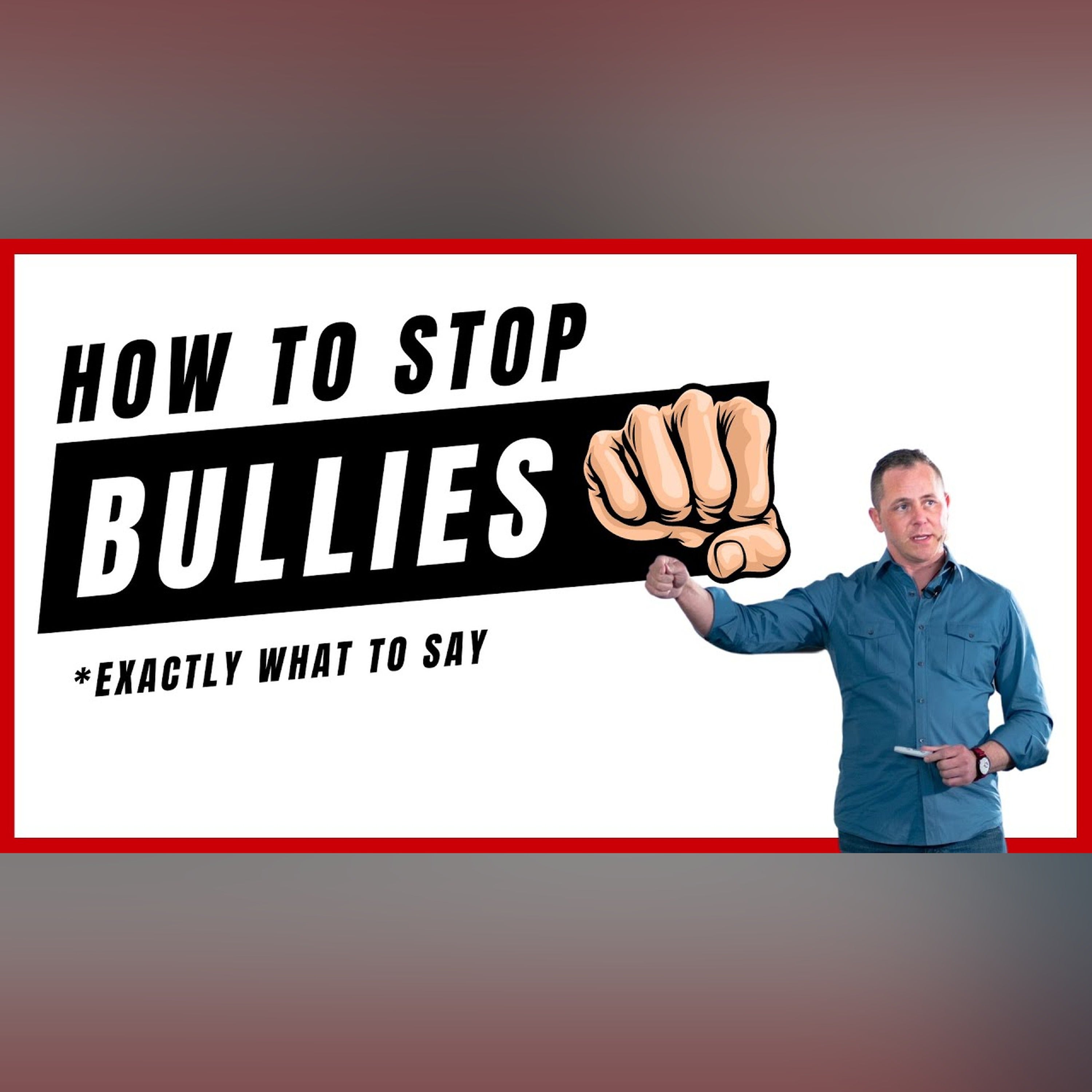
Join NCI University today to master human behavior and influence: Uploaded 03-09-22 Bullies come in all shapes and sizes. In this video, I'll walk you through what bullying is, the types of bullies, how to identify them, and how to deal with them, with direct word-for-word examples. Bullying is unwanted, aggressive behavior among school aged children that involves a real or perceived power imbalance. The behavior is repeated, or has the potential to be repeated, over time. Both kids who are bullied and who bully others may have serious, lasting problems. In order to be considered bullying, the behavior must be aggressive and include: An Imbalance of Power: Kids who bully use their power—such as physical strength, access to embarrassing information, or popularity—to control or harm others. Power imbalances can change over time and in different situations, even if they involve the same people. Repetition: Bullying behaviors happen more than once or have the potential to happen more than
Read Online (https://catholic-daily-reflections.com/2026/11/21/christ-the-universal-king/) Christ the Universal King “Then he will say to those on his left, ‘Depart from me, you accursed, into the eternal fire prepared for the devil and his angels. For I was hungry and you gave me no food, I was thirsty and you gave me no drink, a stranger and you gave me no welcome, naked and you gave me no clothing, ill and in prison, and you did not care for me.’” Matthew 25:41–43 On June 11, 1899, Pope Leo XIII solemnly consecrated the entire human race to the Sacred Heart of Jesus, a moment he regarded as the “great act” of his pontificate. This consecration was rooted in the sacred truth that, “[Christ’s] empire includes not only Catholic nations, not only baptized persons… but also all those who are outside the Christian faith; so that truly the whole of mankind is subject to the power of Jesus Christ” (Annum Sacrum, 3). This prophetic act of entrustment was followed by decades of growing unrest
The great message of Christianity is that Christians are not only saved from their sin and made right before a holy God, but they are made new creatures as the first fruits of the new creation in Christ. In this sermon on Ephesians 5:3–5 titled “Distinct Roles of Church and State,” Dr. Martyn Lloyd-Jones demonstrates how Scripture undercuts all doctrines of antinomianism, because by the power of the Holy Spirit all who are true believers are renewed and transformed daily through God’s grace. For it is the gospel that truly transforms fallen men and women; it alone can overcome the depravity of fallen human nature and make them new in Christ. This is why all attempts to make people moral without the gospel fail to address the deepest need of humanity. When the church becomes more concerned with moralism than the gospel, it loses the focus of its mission. This has often happened throughout the history of the church, and today many are repeating this error. The remedy to this is to see th
Iran says it shot down a U.S. drone over the Strait of Hormuz as CBS News reports the U.S. and Israel are weighing a new assault on Iran. MIKE DROP NEWSROOM | 21 NOVEMBER 2026 Iranian state TV claimed Saturday that Iran downed a U.S. drone near Qeshm Island; the U.S. has not confirmed it. CBS News reported, citing sources, that the U.S. and Israel are considering a new assault in the short term, driven by Israeli concern over how fast Iran is rebuilding its missile production and moving sites underground. President Trump told Israel's Channel 12 he is not rushing any decision. At the same time, the New York Times reported Israeli warnings that Iran has made progress on chemical and biological weapons and could use them against U.S. officials, though some U.S. officials doubt those warnings. Mike Ritland breaks down why a single intelligence source shouldn't drive a decision this big, how corroboration works when lives are on the line, and what would actually change his mind. Also cover
Cross-party cooperation is worthwhile even when it disappoints committed party supporters.
Share your view, then see how readers voted. No sign-in required. This poll is shared across stories.
Do you agree or disagree?
Common Quandary
A Common Quandary to discuss
Another conversation to explore, separate from this news story.
A private joke from years ago goes public. How long should it follow the person who wrote it?
Someone shares a screenshot of a tasteless joke made years ago in a private friends' chat. The person who wrote it says they were performing for a small audience, have changed, and never agreed to have the message made public.
How private should speech remain when it reveals something troubling?