Have Trump, Putin and Xi created a new world order?
28 min
Listen through the publisher, then discuss the episode here or arrange an in-person Roundtable. Your city determines where to meet.
Roundtables are designed for groups of four, with a shared subject and room for everyone to speak. Come for discussion, with no dating expectation.
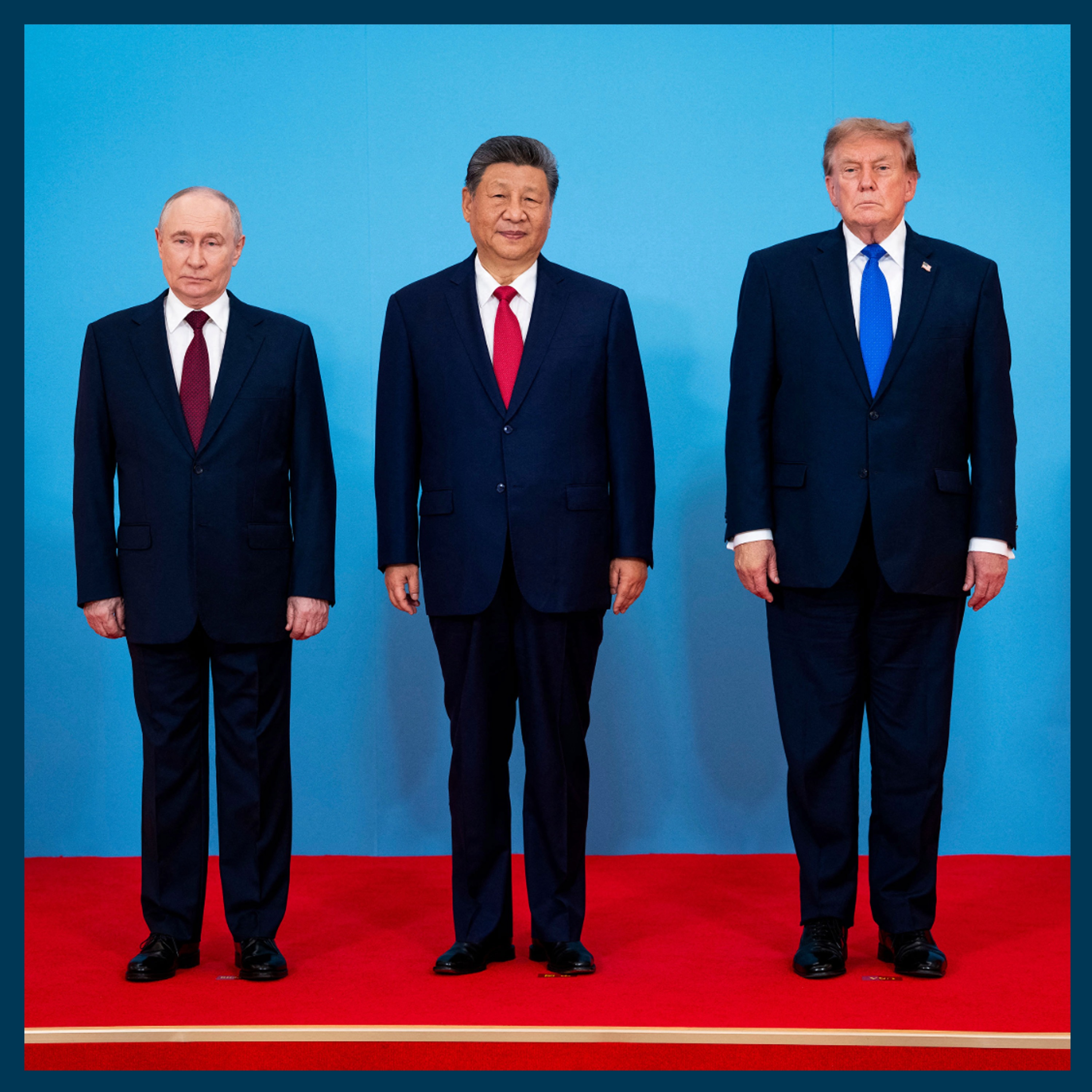
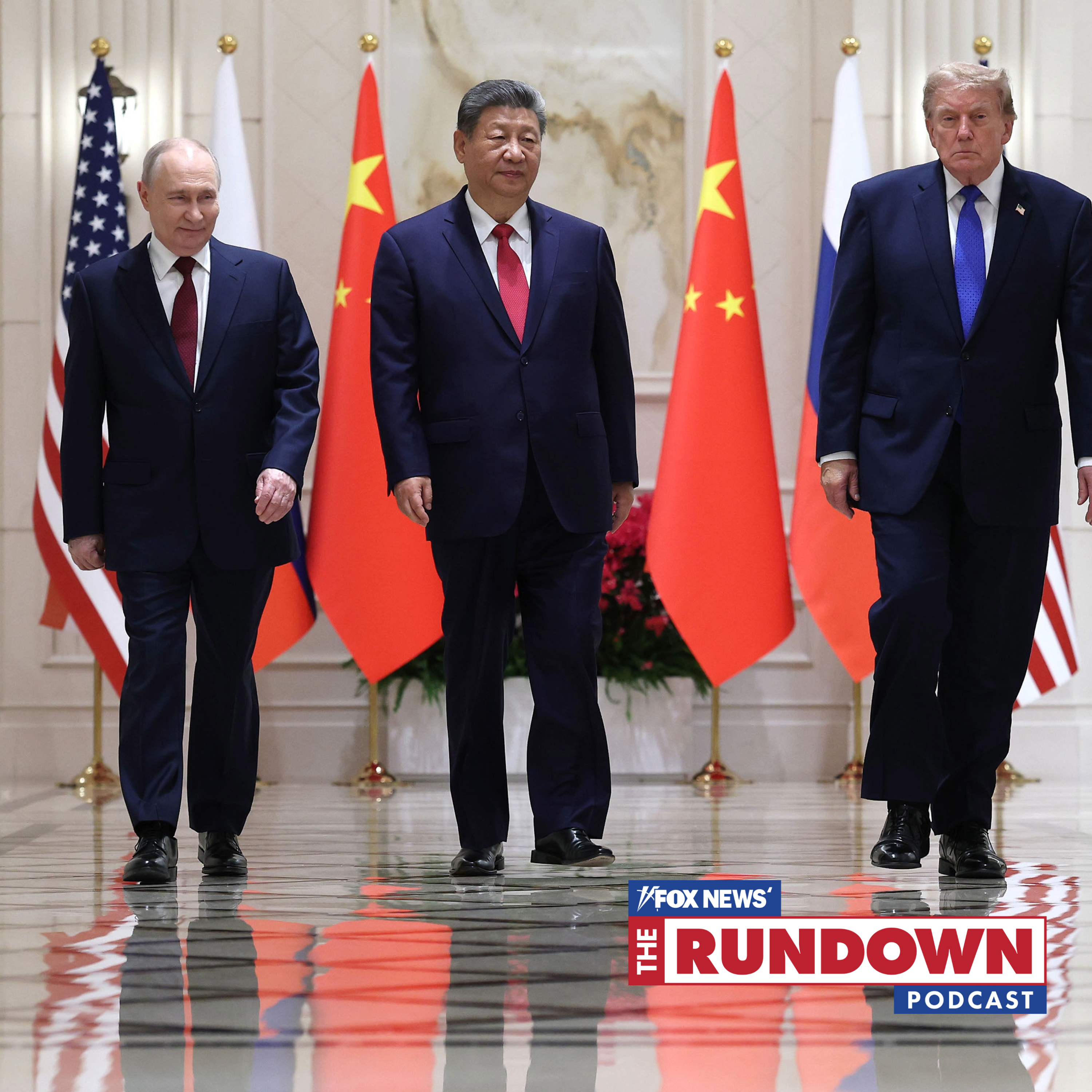
The leaders of three of the world’s most powerful nations met yesterday for a historic summit in the southern Chinese city of Shenzhen. There were warm handshakes, friendly remarks and talk of cooperation, but beyond the photo opportunities, what were the three strongmen really hoping to achieve? And was this, as many had speculated, an attempt to reshape the global order? Guests: Richard Spencer, China correspondent, The Times Darya Dolzikova, senior research fellow, Royal United Services Institute (RUSI) Host: Manveen Rana Producers: Paige Reynolds and Robyn Simon We want to hear from you - email: [email protected] Read more: Trump, Putin and Xi fail to ease fears of a Yalta-style carve-up (https://www.thetimes.com/world/asia/article/trump-xi-putin-meeting-china-summit-yalta-nfvtbgqhl) Further listening: Russia revives its nuclear armageddon project, Dead Hand (https://pod.fo/e/65ee71) Clips: The Independent, Global News, C-SPAN Photo: Getty Images. Hosted on Acast.
Episode information is provided by the publisher. Listening takes place on the publisher’s service.
November 20, 2026 On November 19, Trump met with Xi Jinping and Vladimir Putin in Shenzhen, China, The fact that the president of the US would meet with leaders of China and Russia was bizarre since both China and Russia have been helping Iran in its current fight against the US, Trump appeared to want the fanfare and President Xi played that up, Putin wanted the meeting because it would suggest that Russia was a great power, although it is far from being so and Putin’s war on Ukraine is going poorly, The meeting’s purpose seemed to be to produce propaganda for each of the three leaders, Beyond the propaganda is the larger story of the destruction of the post-World War II rules-based international order, In its place is the idea of dividing the world into spheres of influence, The three leaders met for 90 minutes and issued only a vague "joint declaration toward peace," which vowed to reform the UN and weaken the International Criminal Court, where Putin is already under indictment for
Following President Trump’s trip to Asia and a first-ever trilateral meeting with the leaders of China and Russia, foreign policy experts are weighing what was accomplished on the world stage. Former national security advisor to Vice President Dick Cheney and Heritage Foundation senior research fellow Stephen Yates joins The Rundown to analyze the summit’s outcomes on Taiwan, Ukraine, Iran, and strategic arms talks. Yates also explains how new rare-earth agreements with U.S. allies and export controls on AI chips balance Trump’s warmer rhetoric toward Beijing. Later, widespread tech outages across major platforms and government systems raise urgent questions about whether U.S. digital infrastructure is prepared for the artificial intelligence era. Former Cybersecurity and Infrastructure Security Agency (CISA) director Bridget Bean breaks down how rapid software patching can trigger cascading system failures, the growing cyber threats posed by China and Iran, and how organizations can d
At the trilateral meeting of the leaders of the United States, Russia and China, in Shenzhen this week, Donald Trump was keen to emphasise that they were making history. While wars continue to roil Ukraine and the Middle East, the three leaders sat down to discuss nuclear weapons, boosting petroleum production, reform of the United Nations and their dislike of the International Criminal Court. So was this a Yalta 2.0 as some parts of the media have suggested, or will this meeting soon be forgotten as just another wild moment from final years of Trump's presidency? Guest: Margaret MacMillan, emeritus professor of international history at Oxford University and the University of Toronto
In this episode of The President’s Daily Brief: President Trump meets face-to-face with Vladimir Putin and Xi Jinping in a historic summit bringing together the leaders of three nuclear superpowers. Peter Doran of the Foundation for Defense of Democracies joins us to examine each leader's objectives and what could come next. Ukraine launches a devastating attack on Russia's Kerch Bridge, sending a section of the strategically important crossing into the sea. Open Source Intelligence Analyst Ryan McBeth joins us to explain the operation and its implications for Russia's war effort. YouTube: youtube.com/@presidentsdailybrief (https://youtube.com/@presidentsdailybrief) Aura Frames: Life is amazing. Remember that with Aura Frames. Additional $5 off at https://auraframes.com/pdp/PDBwith Promo Code PDB Spring Sleep: Thanks to today’s sponsor, Spring Sleep: an FDA-cleared, prescription-only device for primary snoring and mild obstructive sleep apnea.
Hey everybody, Tom Bilyeu here. On today’s episode of Impact Theory, we’re taking on a topic that’s got the whole world holding its breath: the escalating crisis between the United States and Iran. As tensions ratchet up, we’re asking the tough questions—how did we get stuck in this “escalation trap,” and what does it mean for America’s global leverage, our economy, and our very sense of security? The conversation focused on why the traditional idea of “strategy” might be failing policymakers, using powerful analogies—like chess versus roulette—to show how doubling down in conflict can spiral out of control. We’ll break down the risks of tactical “wins” that create even bigger crises, the real leverage Iran holds with control of the Strait of Hormuz, and the mounting pressure on President Trump as political support erodes and legacy hangs in the balance. A key theme that emerged is what happens when military might runs into decentralized opposition, and why high-stakes gambles—like the
MeidasTouch host Ben Meiselas reports on Donald Trump’s midnight meltdown and the late-night executive order aimed at blocking federal employees, contractors, and subcontractors from cooperating with congressional investigations. Meiselas breaks down what the order could mean for congressional oversight and covers the latest market sell-off and outages affecting critical systems, including at the FBI. Visit https://meidasplus.com (https://meidasplus.com/) for more! Remember to subscribe to ALL the MeidasTouch Network Podcasts: https://meidasnews.com/podcast Support the MeidasTouch Network: https://patreon.com/meidastouch (https://patreon.com/meidastouchAdd) Add the MeidasTouch Podcast: https://podcasts.apple.com/us/podcast/the-meidastouch-podcast/id1510240831Buy MeidasTouch Merch: https://store.meidastouch.com (https://store.meidastouch.com/) Follow MeidasTouch on Twitter: https://twitter.com/meidastouchFollow MeidasTouch on Facebook: https://facebook.com/meidastouchFollow MeidasTouch
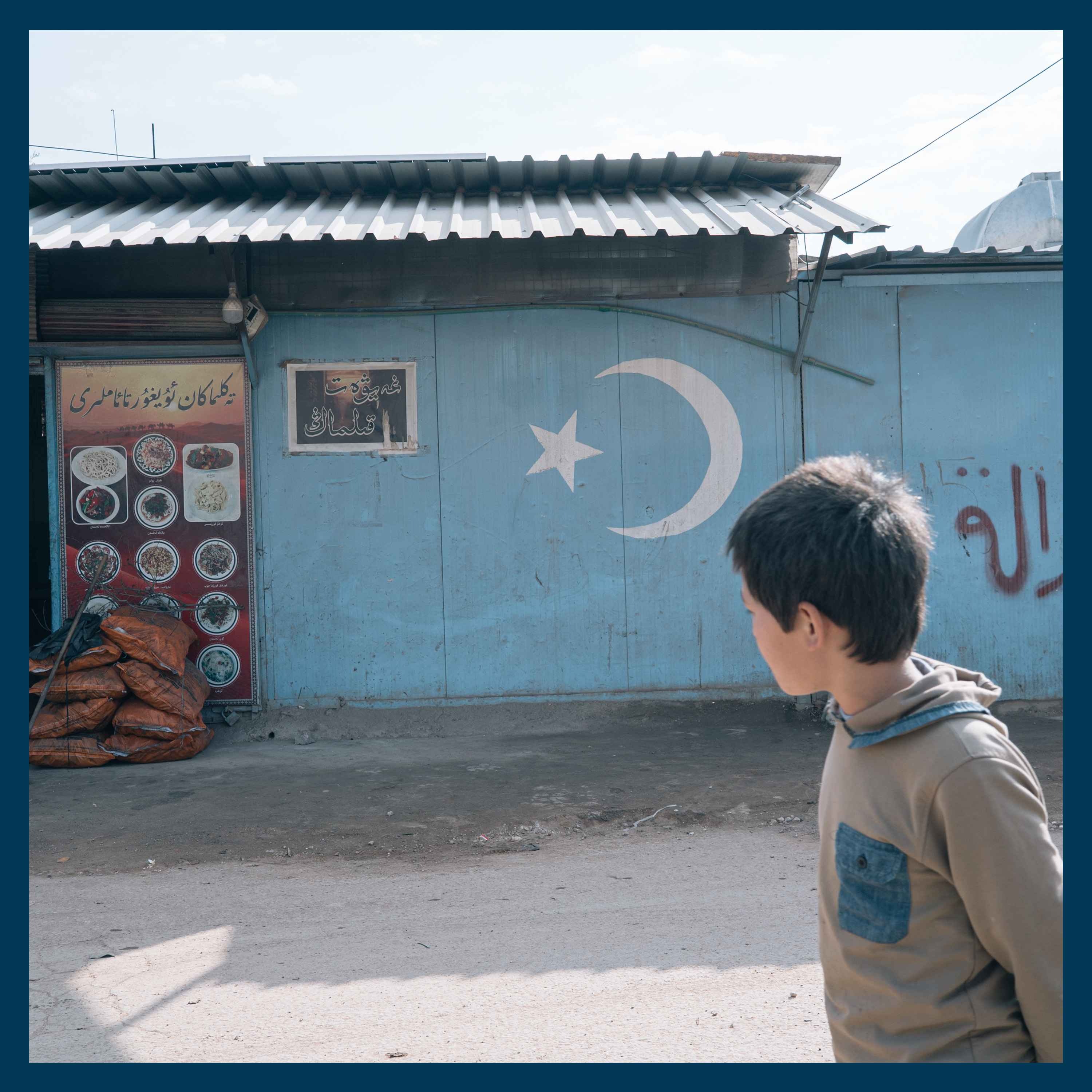
Over 20,000 Uighur refugees escaped repression in China by fleeing to Syria at the height of its brutal civil war. Originally from north western China, the Muslim minority fought fiercely against the Assad regime. But now that the war is over, they live in limbo, unable to return home or even contact loved ones while the Chinese state continues its campaign against their community. So will the new Syrian government honour their sacrifice? Or try to stay on good terms with the Chinese state? Our reporter has been to northern Syria to meet them. Guest: Anthony Loyd, special correspondent, The Times Host: Luke Jones Producer: Robyn Simon and Harry Stott We want to hear from you - email: [email protected] Read more: They fought for Syria’s freedom. Will they fight for their own? (https://www.thetimes.com/world/middle-east/article/uighur-fighters-syria-xinjiang-china-cfv5733d8) Further listening: SAS in Syria: the untold murder probe (https://pod.fo/e/6c8ea9) Clips: The New York Times,
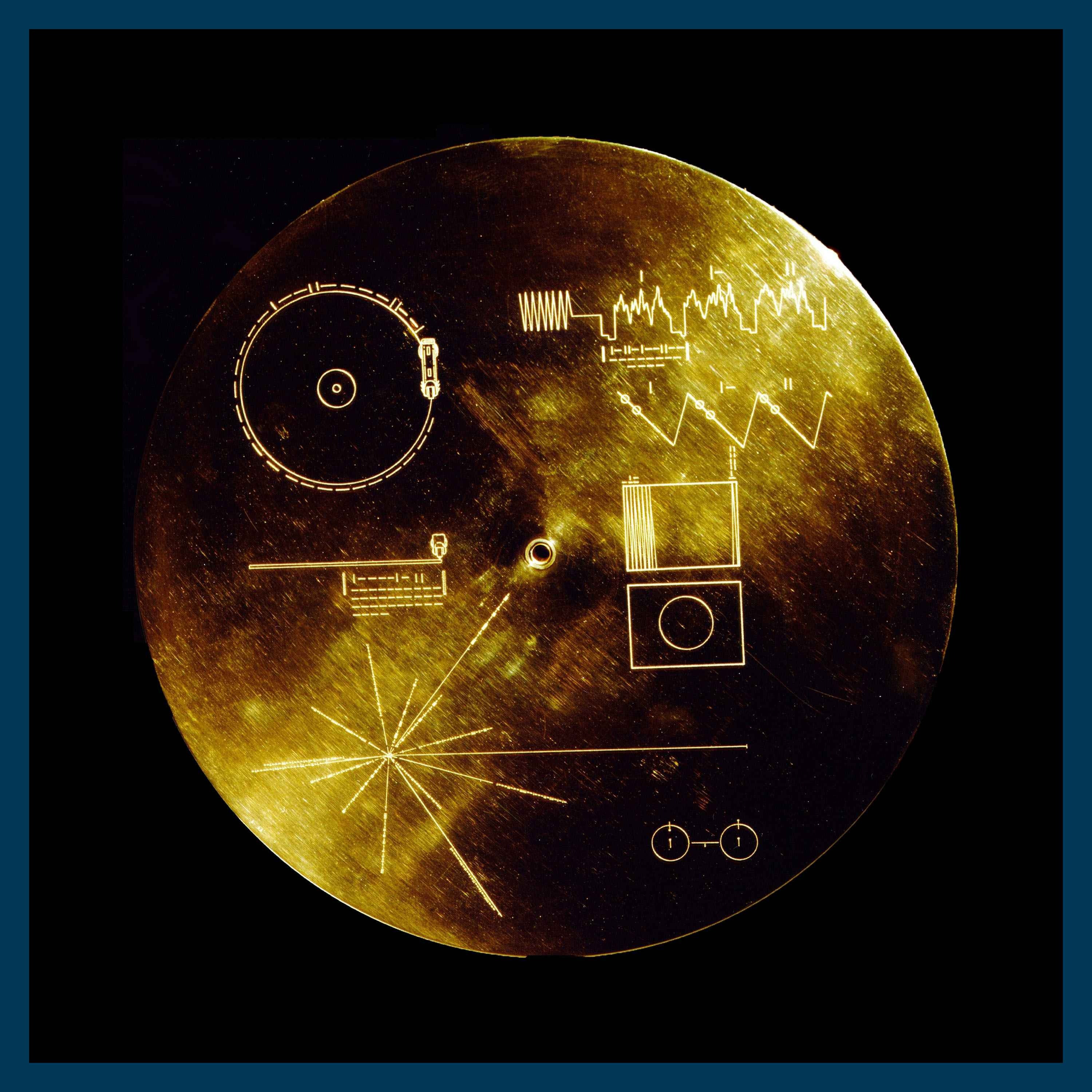
This week, Voyager 1 reached one light day away from earth - the farthest any man-made object has ever been. For fifty years, it as well as its sister probe Voyager 2, have been sending information back to earth. Now, they’re off to interstellar space, carrying two golden records designed to introduce humanity to whatever life form may be out there. So what’s on those discs? And what does the project tell us about what it means to be human? Guests: Rhys Blakely, science editor, The Times Tim Ferris, author and producer of the Voyager Golden Record Host: Manveen Rana Producer: Olivia Case We want to hear from you - email: [email protected] Read more: Voyager - humanity’s most distant message (https://www.thetimes.com/uk/science/article/nasa-golden-record-sounds-voyager-humanity-bksl2n0ck?eafs_enabled=false) Further listening: Has space become the final frontier for war? (https://pod.link/1501716010/episode/NmFhYzMzNzM4ZGUzYjQzYjZhOTk4ZGJj) Clips: NASA Voyager Golden Record / Carl Sa
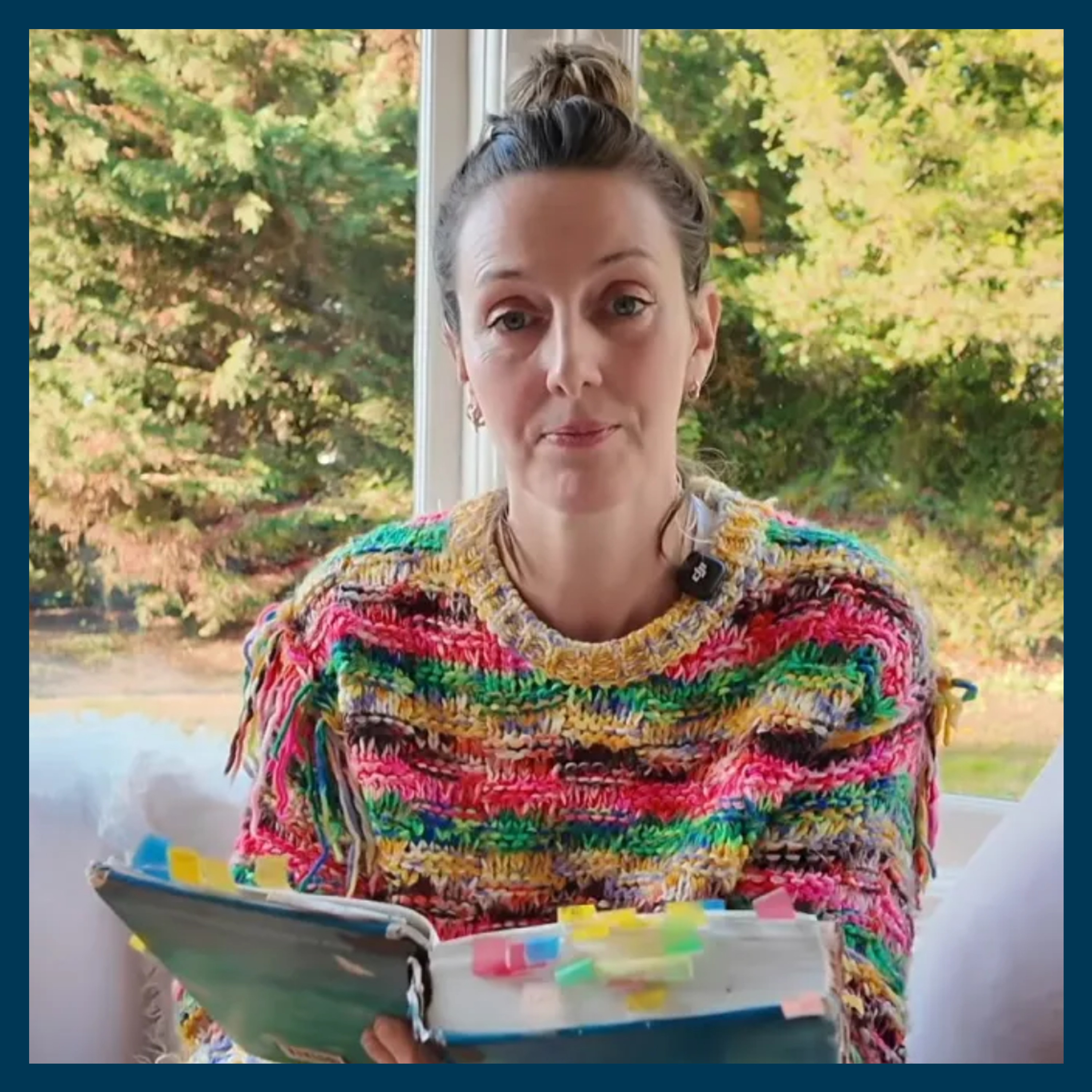
In a controversial broadcast to his millions of YouTube followers, the wife of the convicted rapist Russell Brand read out a letter that he sent her from prison. In it, he protests his innocence. So what is Laura Brand up to and exactly how deluded is she? Times writer Polly Vernon reflects. Guest: Polly Vernon, feature writer, The Times Producer: Sophie McNulty We want to hear from you - email: [email protected] Read more: Brainwashed or complicit: what’s going on with Laura Brand? (https://www.thetimes.com/life-style/celebrity/article/brainwashed-or-complicit-whats-going-on-with-laura-brand-nmwx2pkzn) Further listening: I’m Alice | The Trial of Russell Brand (https://podfollow.com/the-story/episode/23b2347a9044d66b2a18530c8fbaf2ea9c1e6f4d/view) Photo: YouTube - Russell Brand. Hosted on Acast.
Schools should be judged on student wellbeing as well as academic results.
Share your view, then see how readers voted. No sign-in required. This poll is shared across stories.
Do you agree or disagree?
Common Quandary
A Common Quandary to discuss
Another conversation to explore, separate from this news story.
You cannot stand your friend's partner. Do they still get a wedding invitation?
You are planning a small wedding and strongly dislike the person your longtime friend has been dating. Inviting them would make you uncomfortable, but excluding only that partner would embarrass your friend.
Whose comfort should govern a celebration centered on you?