Listen through the publisher, then discuss the episode here or arrange an in-person Roundtable. Your city determines where to meet.
Roundtables are designed for groups of four, with a shared subject and room for everyone to speak. Come for discussion, with no dating expectation.
From the brothels of Cologne to the beach clubs of Turkey, Necati “Neco” Arabaci built a criminal empire on sex trafficking, extortion, drugs, and spectacular brutality. Starting out as a nightclub bouncer, the Turkish-German gangster rose to become the godfather of Cologne’s red-light district, commanding an army of enforcers and making millions from prostitution. But even a nine-year prison sentence and deportation to Turkey couldn't stop him. Instead, Arabaci joined the Hells Angels, built an international network, and launched a bloody power struggle for control of Europe's most notorious motorcycle club, all while supposedly banned from setting foot in Germany. Now, after decades of dodging authorities across Europe, the gangster once dubbed the “Godfather of Cologne” has finally been sentenced to 15 years in a Turkish prison. Danny and Sean trace the extraordinary rise and possible fall of one of Europe's most feared, and strangest, crime bosses.
Episode information is provided by the publisher. Listening takes place on the publisher’s service.
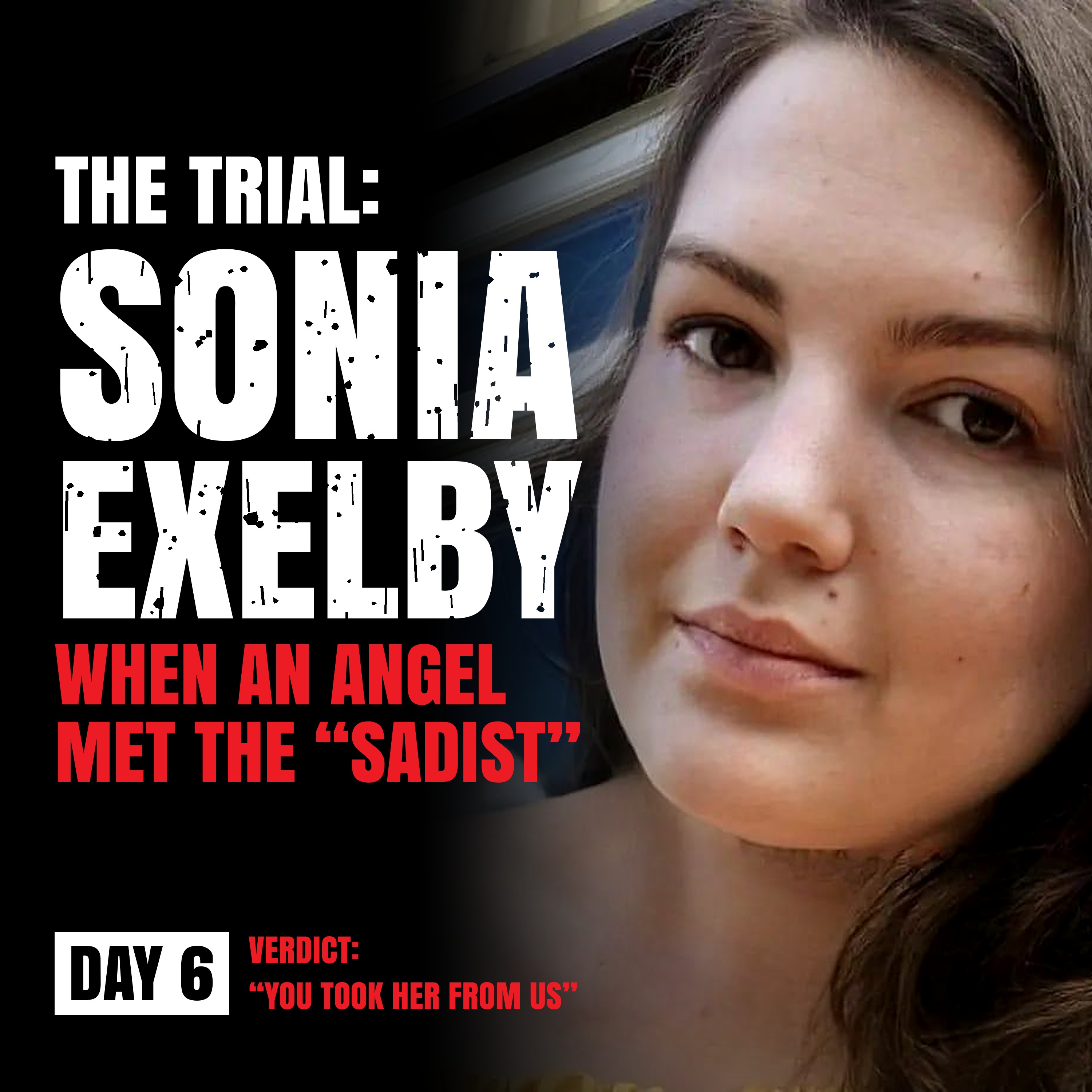
Guilty Verdicts have been delivered by a court in Florida against Dwain Hall. The jury took just one hour to decide he kidnapped and murdered Sonia Exelby, a talented pianist and music tutor from Portsmouth. She had been struggling with severe mental illness and Dwain Hall groomed and preyed on her online for two years. He lured her over to the US, he filmed her, beat her, tied her up, murdered her and buried her in a shallow grave. Today her siblings saw justice delivered and as Dwain Hall was given two life sentences, Sonia's brother told him: "You took her from us." Jack was in the courtroom and he and Caroline have all the details from an emotional day. The Trial is part of The Crime Desk. Visit thecrimedesk.com (https://plus.thecrimedesk.com/exelby-podcast?sc_promo=EXELBY) for more information. Email us [email protected] WhatsApp us +447796657512 (start your message with ‘Trial’) Presenters: Caroline Cheetham and Jack Hardy Editor: Tom James and Chelsey Ranore Creative Direct
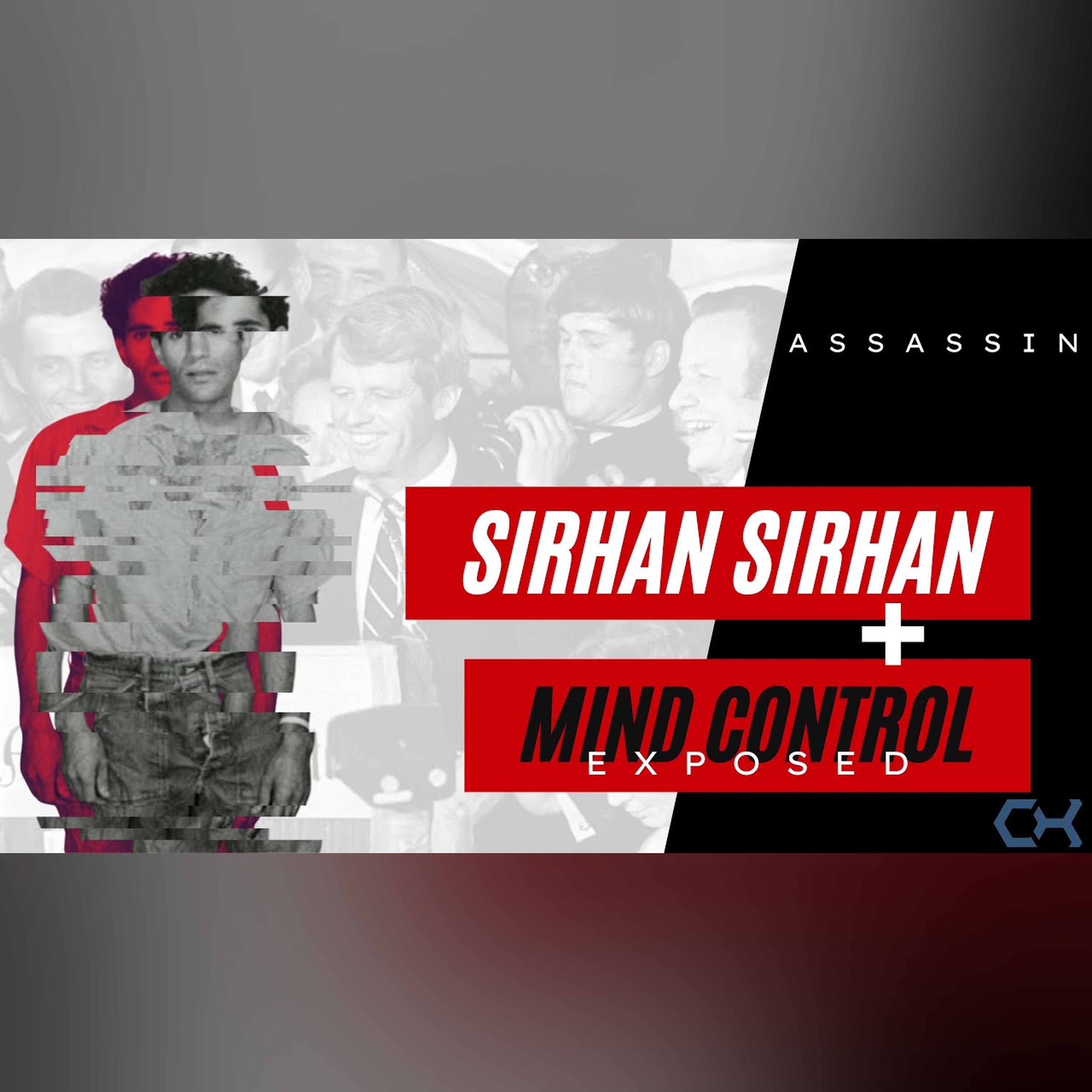
Join NCI University today to master human behavior and influence: Uploaded 05-11-21 This is a dive to discover the possibilities, not the case itself. Sirhan Sirhan, in full Sirhan Bishara Sirhan, (born March 19, 1944, Jerusalem), Palestinian-born Jordanian citizen who was convicted (1969) of fatally shooting U.S. Sen. Robert F. Kennedy on June 5, 1968. He received the death penalty, but the sentence was later commuted to life. Sirhan, a Christian Palestinian, was born in Jerusalem. In 1948 Jordan took control of East Jerusalem and what is now the West Bank, and the following year it granted citizenship to people living in those areas. It is believed that this is how Sirhan became a Jordanian citizen. In the 1950s, he and his family moved to the United States and eventually settled in Pasadena, California. There he attended Pasadena City College and later held odd jobs, notably working at a horse stable and later at a health food store. During this time, Sirhan became vocal in his oppo
My special guest tonight is author and cryptozoologist Lyle Blackburn who's here to discuss an upright walking creature that resembles a lizard terrorizing a town in South Carolina. From the swamplands near Bishopville, South Carolina, come reports of a seven-foot-tall, scaly humanoid creature the locals call the "Lizard Man." Over the years, the creature has been seen by numerous witnesses, including a teenager who claimed it attacked him one night near a remote area called Scape Ore Swamp. The young man's testimony and physical evidence was so compelling, it not only launched a serious investigation by the local sheriff's office but an all-out monster hunt that drew hundreds of people to the small town. This real-life "creature from the black lagoon" has inspired major national news coverage, even a call from the famous CBS news anchor, Dan Rather, as he and the rest of the world clamored to know more about Bishopville's elusive monster. The case is often mentioned in books, websites
Today, Mel is doing something she's never done before on The Mel Robbins Podcast. She's bringing members of her team into the studio for live coaching with world-renowned communications expert Vinh Giang. Vinh is known for teaching millions of people online how to stop sounding insecure, speak more clearly, and get people to listen when you talk. And when you hear him coaching today, it will be like he’s coaching you. One person freezes when they're put on the spot. Another can't stop interrupting people. Someone else has great ideas but stays quiet because they're afraid of being judged. Does any of that sound familiar? And Vinh isn't just giving advice. He's coaching real people through practical exercises, right there in the studio, so you can hear the difference and start making those same changes in your own life. As Mel says, put yourself in their shoes. As Vinh works with each person, you'll recognize things you struggle with, too. You'll learn: -What to do when your mind goes b
Matthew Farwell’s conviction settled the federal case against him. It did not settle what may have happened to evidence, what other officers knew, or how many cases depended on his work as a Stoughton police detective. Tony Brueski is joined by retired FBI agents Jennifer Coffindaffer and Robin Dreeke to connect two questions that belong together: could there be more arrests in the Sandra Birchmore case, and should prosecutors review the cases Farwell once investigated? These are not the same question, and neither has an automatic answer. William Farwell, Matthew’s twin, testified under federal immunity. Former Stoughton deputy chief Robert Devine has contested an oversight board’s findings concerning the “Marty Riggs” Facebook account, saying he was hacked. Neither has been charged in Sandra’s death. Coffindaffer lays out what investigators would need: corroborated communications, authenticated account access, consistent timelines and proof of each person’s conduct. Knowing somebody i
"The Big Secret" documentary portrays how the U.S. healthcare system was reshaped by corporate and pharmaceutical forces, replacing natural healing with a drug-centered, profit-driven medical monopoly The shift began with the Flexner Report, backed by Carnegie and Rockefeller interests, which redefined medical legitimacy and opened the door to corporate control over healthcare Modern medicine has wrongly vilified cholesterol, leading to widespread statin use that can undermine hormone health, cognitive function, and metabolic resilience Industrial agriculture, glyphosate, and processed foods strip essential minerals from the food supply. This has been linked to widespread nutritional deficiency and chronic disease across generations The real "big secret" is that health can restore itself once you eliminate what disrupts it and provide the inputs it's always required
In 1850, a German-Jewish migrant stepped off the boat in New York City, and found a home in its crime-ridden Lower East Side — then called “Kleindeutschland”. But Fredericka Mandelbaum wasn't just tired and poor. She was a six-foot, 250-pound colossus, not just in stature but ambition, going from peddler to fence to underworld queenpin in just a few short years. By the mid-1870s, “Marm,” as her gang of misfit shoplifters and pickpockets called her, was an underworld titan, with half the city's political class in her pocket. But when she stepped into the world of bank heists, things got hot. And eventually, Marm would find herself hunted down by America's most famous detective agency.
Cape Town’s underworld war was supposed to be about nightclub doors. Instead, it turned into a sprawling battle over drugs, extortion, government contracts, corrupt cops and control of an entire city. In part two, Danny follows the bodies as they pile up: the “Gentleman Gangster” Mark Lifman is assassinated in a shopping mall parking lot, top gangsters are picked off one by one, and one of South Africa’s most respected detectives is murdered after warning that corrupt police were working against him. Meanwhile, the old nightclub protection rackets evolve into something much bigger, with criminal groups pushing into construction, public contracts and the state itself. Along the way, too many failed assassination plots to list. By the end, Cape Town’s gang war looks less like a turf dispute and more like the anatomy of a mafia state.
People should receive a clear explanation before consenting to personal-data use.
Share your view, then see how readers voted. No sign-in required. This poll is shared across stories.
Do you agree or disagree?
Common Quandary
A Common Quandary to discuss
Another conversation to explore, separate from this news story.
You lecture everyone about climate change—then get invited on a dream flight. Do you go?
A close friend living overseas invites you to an important celebration. Flying is affordable but carbon-intensive. Your individual decision will not determine whether the flight operates, yet it conflicts with commitments you publicly encourage others to make.
When is a small personal contribution to a large harm morally significant?