How do you get young people off benefits and into work?
29 min
Listen through the publisher, then discuss the episode here or arrange an in-person Roundtable. Your city determines where to meet.
Roundtables are designed for groups of four, with a shared subject and room for everyone to speak. Come for discussion, with no dating expectation.
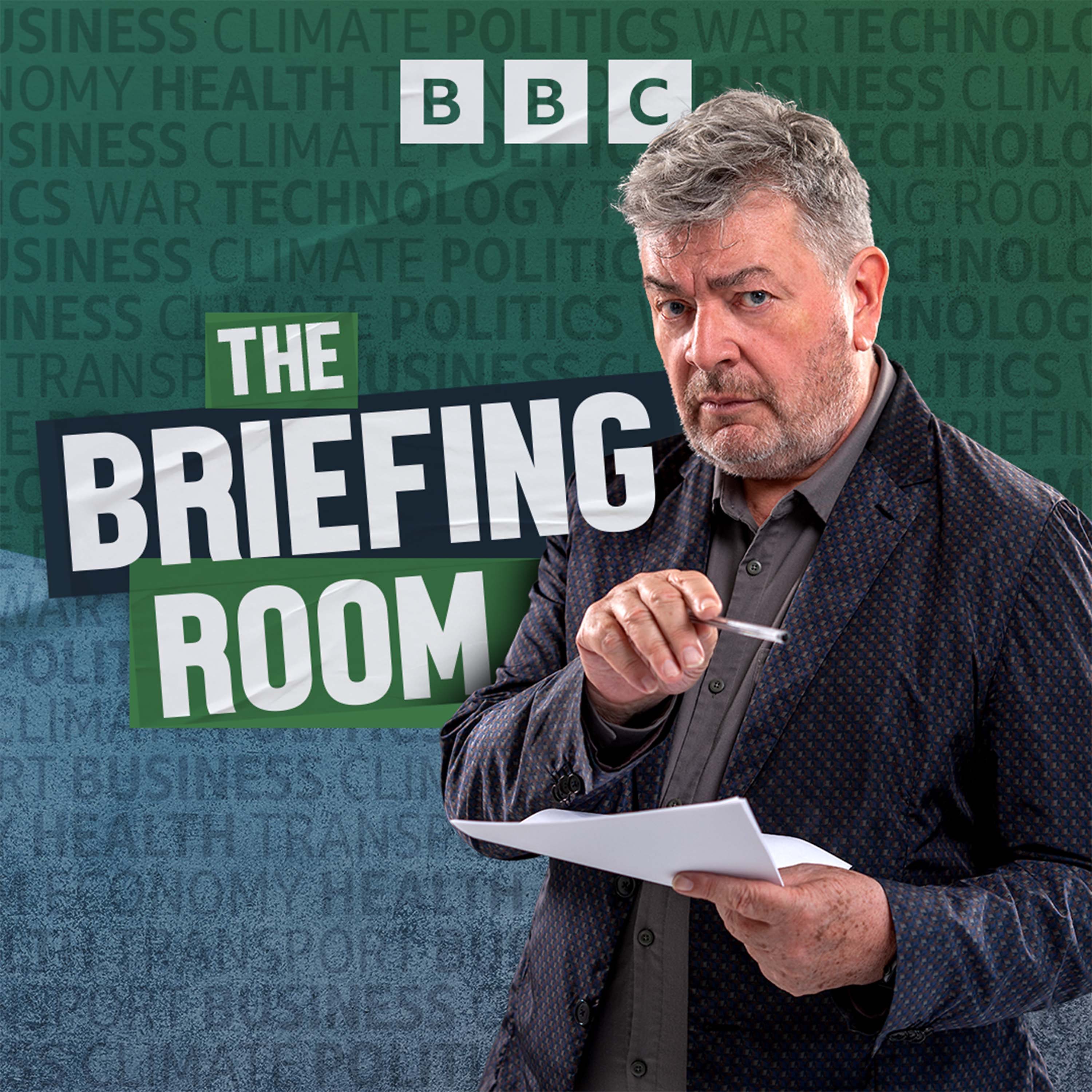
Nearly one million young people between the ages of 16 and 24 in the UK are known as Neets. That means one in eight young people are not currently in education, employment or training. This month the former Labour Minister Alan Milburn will publish a long awaited review into how to get young people off benefits and into work. While the Government may be hoping this will cut the enormous benefits bill, it’s likely to come with a multi-billion pound price tag in terms of offering support programmes to young people and employers. David Aaronovitch asks how we've ended up with so many young people on benefits and what can be done to get them off them again? Guests: Eduin Latimer, Senior Research Economist at the Institute for Fiscal Studies Lindsay Judge, Research Director at The Resolution Foundation Stephen Evans, Chief Executive of the Learning and Work Institute Production team: Presenter: David Aaronovitch Producers: Caroline Bayley, Alex Last and Kirsteen Knight Editor: Richard Vadon Sound Engineer: Sam Dickinson Production Co-ordinator: Maria Ogundele
Episode information is provided by the publisher. Listening takes place on the publisher’s service.
**SOCIAL SECURITY BEFORE AGE 62? YES! YOU COULD QUALIFY AT 43, 53, 60, OR EVEN YOUNGER!** Think you have to wait until age 62 to start receiving Social Security benefits? **Think again!** Millions of Americans know about Social Security retirement benefits, but many don't realize that certain people can receive monthly Social Security payments years, or even decades, before reaching retirement age. Need help with Medicare? Contact our friends at Chapter Medicare for FREE HELP!! 352-841-0632 **Could YOU qualify for Social Security benefits earlier than you think?** In today's video, **Dr. Ed Weir, a former Social Security Administration District Manager**, explains the often-overlooked Social Security rules that allow certain individuals to qualify for benefits in their 40s, 50s, and even younger. You may be surprised by who's eligible, which benefits are available, and what circumstances could allow you to start receiving payments. **IN THIS VIDEO, WE'LL ANSWER:** Can you really start
After a deluge of speculation, the next James Bond has been chosen: British actor Robert Pattinson will be the next face of the franchise. The public response has been overwhelming, if somewhat divided. To celebrate, we’re revisiting an episode from June, about a behind-the-scenes David and Goliath battle between the family business which has held creative control of the franchise since the 1960s and its new owners, Amazon. It is now up to Jeff Bezos’s tech conglomerate to decide how to run the series. In an era when Hollywood studios are desperate to eke out every last dollar from movie franchises, can James Bond retain its mystique and appeal to a new generation of cinema-goers? We speak to Wall Street Journal enterprise reporter Erich Schwartzel. Producers: Xandra Ellin and Lucy Pawle Video producers: Richard Kenny and Jem Westgate Mixed by: Travis Evans Executive producers: James Shield and Martine Powers Senior news editor: China Collins Photo: Robert Pattinson as James Bond. Jaap
House Republicans have apparently decided to stop showing up for work, leaving Mike Johnson begging his members to return as a government shutdown looms. Catherine Rampell and Joe Perticone discuss the GOP’s disappearing majority, Trump’s trouble getting his nominees confirmed, and a new executive order that Joe calls “mafia-esque” as the White House tries to get ahead of congressional investigations.
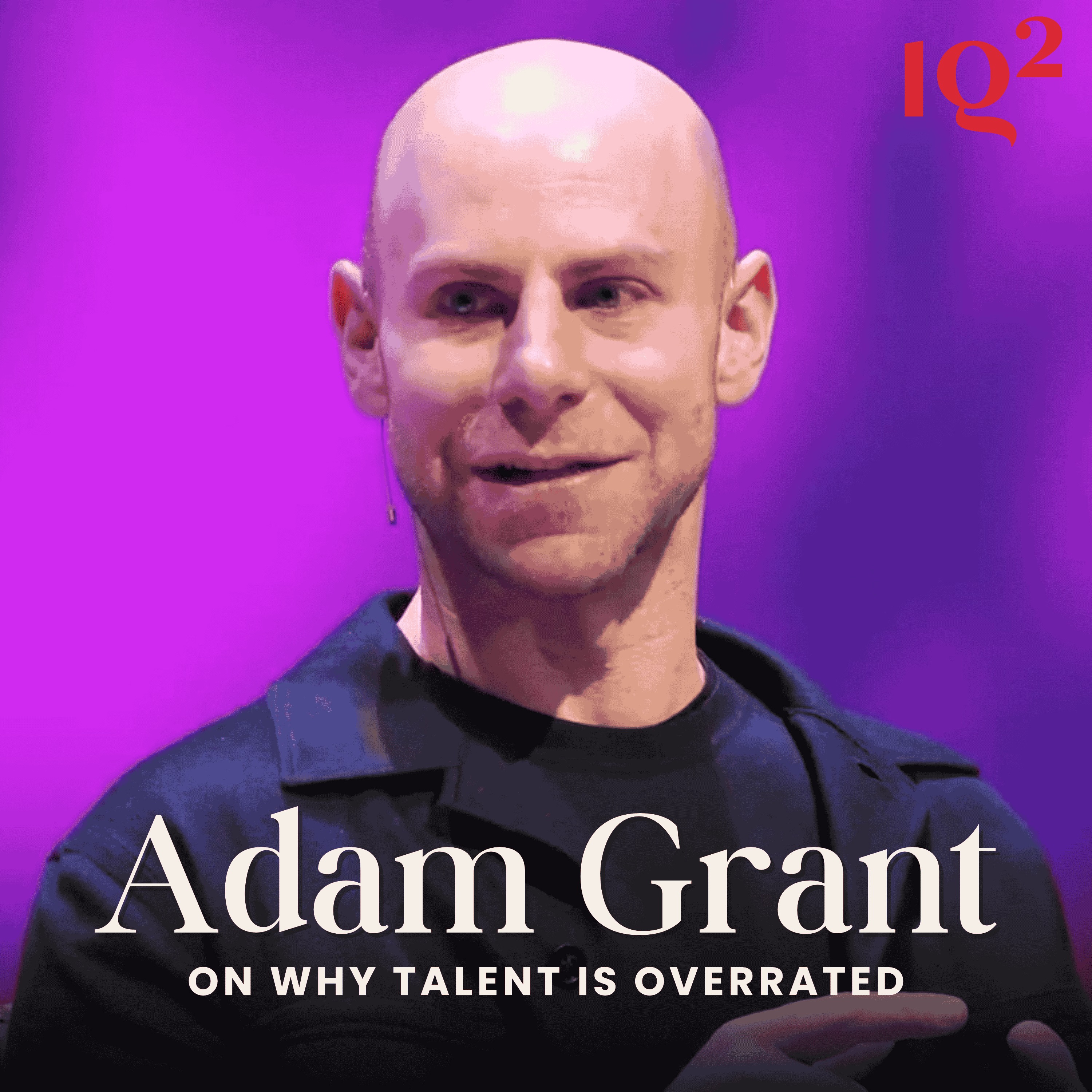
Adam Grant is one of the most sought after organisational psychologists in the world. He has provided expert advice to many of the world’s greatest business leaders, including Bill Gates and Sheryl Sandberg, equipping them with the mental tools to find motivation and meaning, rethink assumptions, and achieve greatness in their business and personal lives. In January 2024 Grant came to the Intelligence Squared stage for a rare, exclusive London event where he shared his revolutionary framework for how we can all exceed the expectations and aspirations we have set for ourselves. Drawing on his new book Hidden Potential he explained that despite living in a world that tends to admire people who start out with innate talent, there is clear scientific evidence that we can all bridge the biology gap and improve ourselves dramatically. In conversation with economist and FT columnist Tim Harford, Grant wove together groundbreaking evidence, surprising insights, and vivid story telling to take
Matthew Farwell’s conviction settled the federal case against him. It did not settle what may have happened to evidence, what other officers knew, or how many cases depended on his work as a Stoughton police detective. Tony Brueski is joined by retired FBI agents Jennifer Coffindaffer and Robin Dreeke to connect two questions that belong together: could there be more arrests in the Sandra Birchmore case, and should prosecutors review the cases Farwell once investigated? These are not the same question, and neither has an automatic answer. William Farwell, Matthew’s twin, testified under federal immunity. Former Stoughton deputy chief Robert Devine has contested an oversight board’s findings concerning the “Marty Riggs” Facebook account, saying he was hacked. Neither has been charged in Sandra’s death. Coffindaffer lays out what investigators would need: corroborated communications, authenticated account access, consistent timelines and proof of each person’s conduct. Knowing somebody i
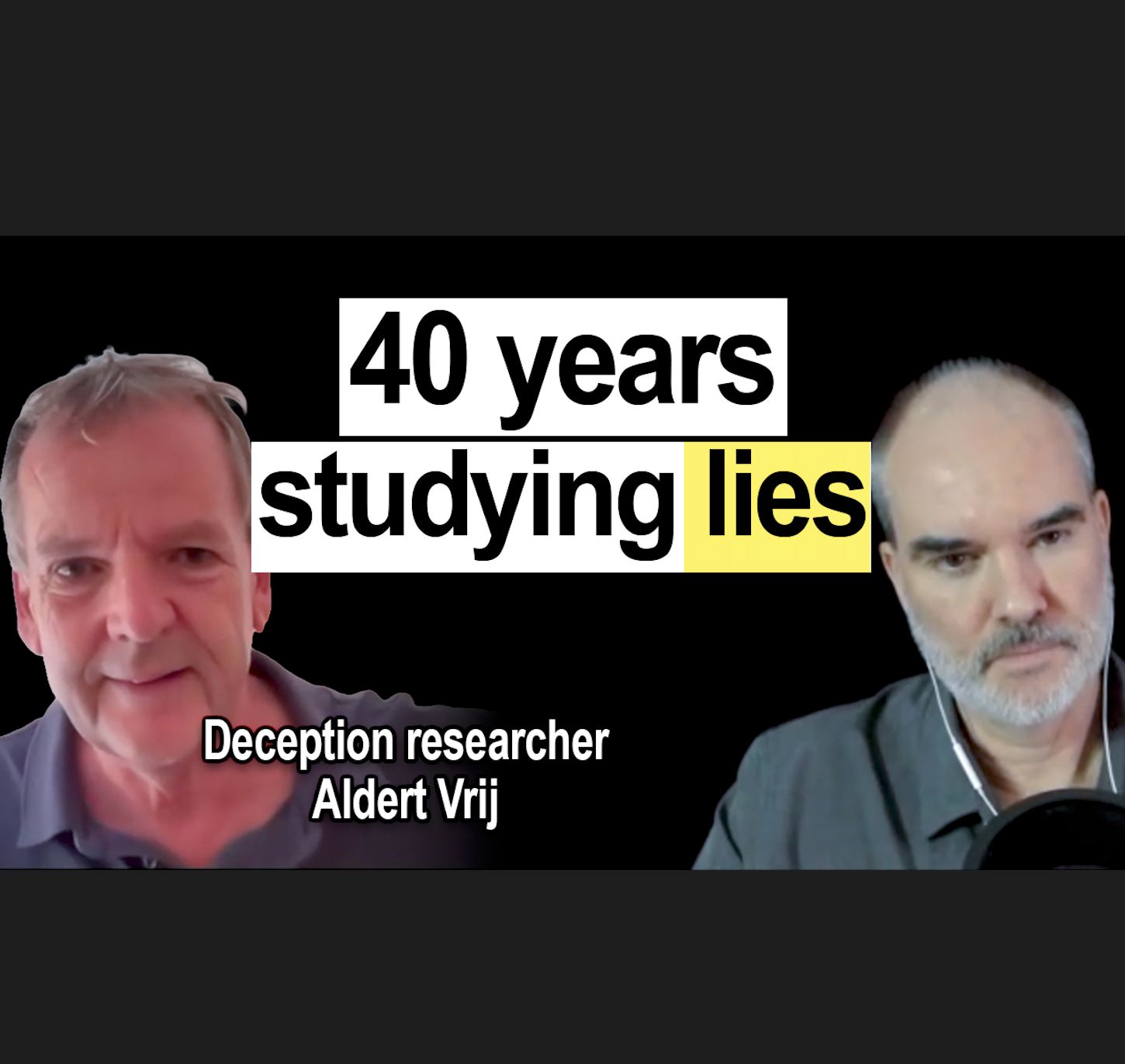
What actually works when it comes to detecting lies, and why are so many popular ideas about reading people and nonverbal behavior at odds with the scientific research? I talk with Aldert Vrij, one of the world's leading deception-detection researchers, who has spent almost four decades studying these topics. We discuss why what people say is far more revealing than their body language; why the perceived “sexiness” of reading nonverbal behavior has contributed to widespread myths and misconceptions; whether vocal behaviors like pitch, volume, and hesitation contain meaningful clues; and whether there's value in analyzing minor word choices and turns of phrase, as is done in so-called “statement analysis.” We discuss Paul Ekman's legacy as a source of faulty ideas about deception, micro-expression-based deception detection training, and the strategies that popular “body language experts” use to appear scientifically credible while simultaneously promoting ideas that conflict with the sc
They say it’s the biggest crypto currency hack on record. More than 6 billion dollars of digital assets were targetted when hackers attacked Binance - the world’s largest crypto exchange, estimated to have more than 300 million users worldwide. About $3 billion of the 6.3 billion dollars was frozen before the attackers could make off with it but the rest has gone. The FBI has blamed a group of hackers linked to North Korea for the theft. The North Koreans say it wasn’t them… But it’s not the first time North Korean hackers have targetted the crypto currency industry. And then just a few days ago supermarket fridges and freezers came under cyber attack across Europe when hackers managed to heat them up. So what’s happening? How worried should we be and what could be next? Guests: Joe Tidy, BBC Cyber Correspondent Geoff White, Investigative journalist and author and co-host of the BBC podcast series, The Lazarus Heist. Emily Taylor, CEO of Oxford Information Labs and co-founder of the Gl
Researchers should publish important limitations alongside the main findings.
Share your view, then see how readers voted. No sign-in required. This poll is shared across stories.
Do you agree or disagree?
Common Quandary
A Common Quandary to discuss
Another conversation to explore, separate from this news story.
Your best friend is an AI that profits when you stay lonely. Is the friendship real?
A lonely adult considers an AI companion their closest confidant. The service is always patient and supportive, but the company profits when users spend more time engaged with it.
Does a comforting system have a duty to make itself less necessary?