How one million Australians will be put on a public list over financial arrangement
24 min
Listen through the publisher, then discuss the episode here or arrange an in-person Roundtable. Your city determines where to meet.
Roundtables are designed for groups of four, with a shared subject and room for everyone to speak. Come for discussion, with no dating expectation.
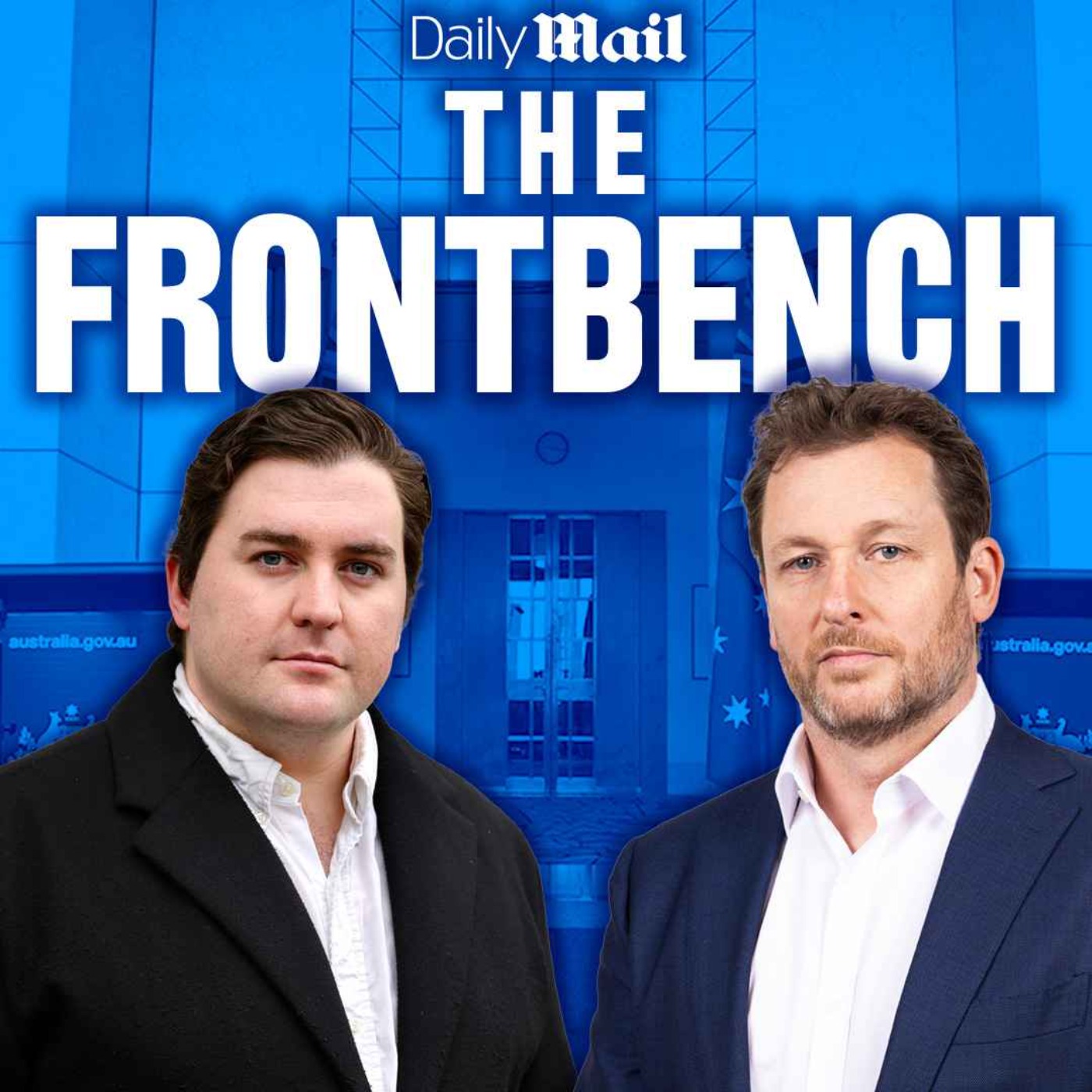
Join Political Editor Peter van Onselen and Reporter Nicholas Comino each Tuesday as they tell you who's winning, who's losing, the drama behind the scenes and how the big decisions in Canberra affect you.In this episode, Peter and Nicholas discuss the political fallout from rising unemployment and the threat of a recession. The pair debate the true impact of government spending on inflation, pointing out Jim Chalmers' "deliberately deceptive" rhetoric when attempting to hand off the blame. The conversation then shifts to Labor's controversial plan to impose a 30% tax on trust distributions, which includes the highly concerning potential for a public register of individual beneficiaries. Finally, they provide an update on the fast-approaching Victorian state election. Hosted on Acast.
Episode information is provided by the publisher. Listening takes place on the publisher’s service.
Almost half of Australian adults are going without healthcare they need as household budgets come under pressure. Rising living costs are forcing Australians to make difficult choices about their health, with almost half going without care they need. Dr Elizabeth Deveny, CEO of Consumers Health Forum, talks about the growing affordability crisis and what needs to change. Plus, Piers Bolger, Chief Investment Officer at Infinity Asset Management, explains why Australian shares have avoided the worst of Wall Street's technology sell-off, and what Wednesday's inflation figures could mean for interest rates and investors. In this episode: Why almost half of Australian adults are going without healthcare they need, including dental treatment, prescriptions and medical tests. How rising living costs are creating a divide in access to healthcare, and what could make treatment more affordable. Why Australia's sharemarket has held up better than Wall Street despite a sharp sell-off in technology
It was the longest COP on record - and it ended with no deal. Minister for Climate Change and Energy Chris Bowen was president of negotiations - so is he responsible for the result? And what does this failure say about the world’s ability to work together on climate change, and other major issues, in the future? Back in Canberra it’s finally the last sitting week of 2026. Controversial bills, last minute concessions, and plenty of political horse trading will be underway - including around Digital Duty of Care, a Gas Reservation Scheme, trusts and tax, and any cost-of-living measures the government can squeeze in. So who’s getting what they want and who’s walking away empty-handed? Patricia Karvelas and Jacob Greber break it all down on Politics Now. Read PK's latest analysis here (https://www.abc.net.au/news/2026-11-23/election-victorian-labor-election-defeat-albanese-stays-away/107414442). Listen to our sister podcast, ABC Business Daily, unpack if we're already in a recession in tod
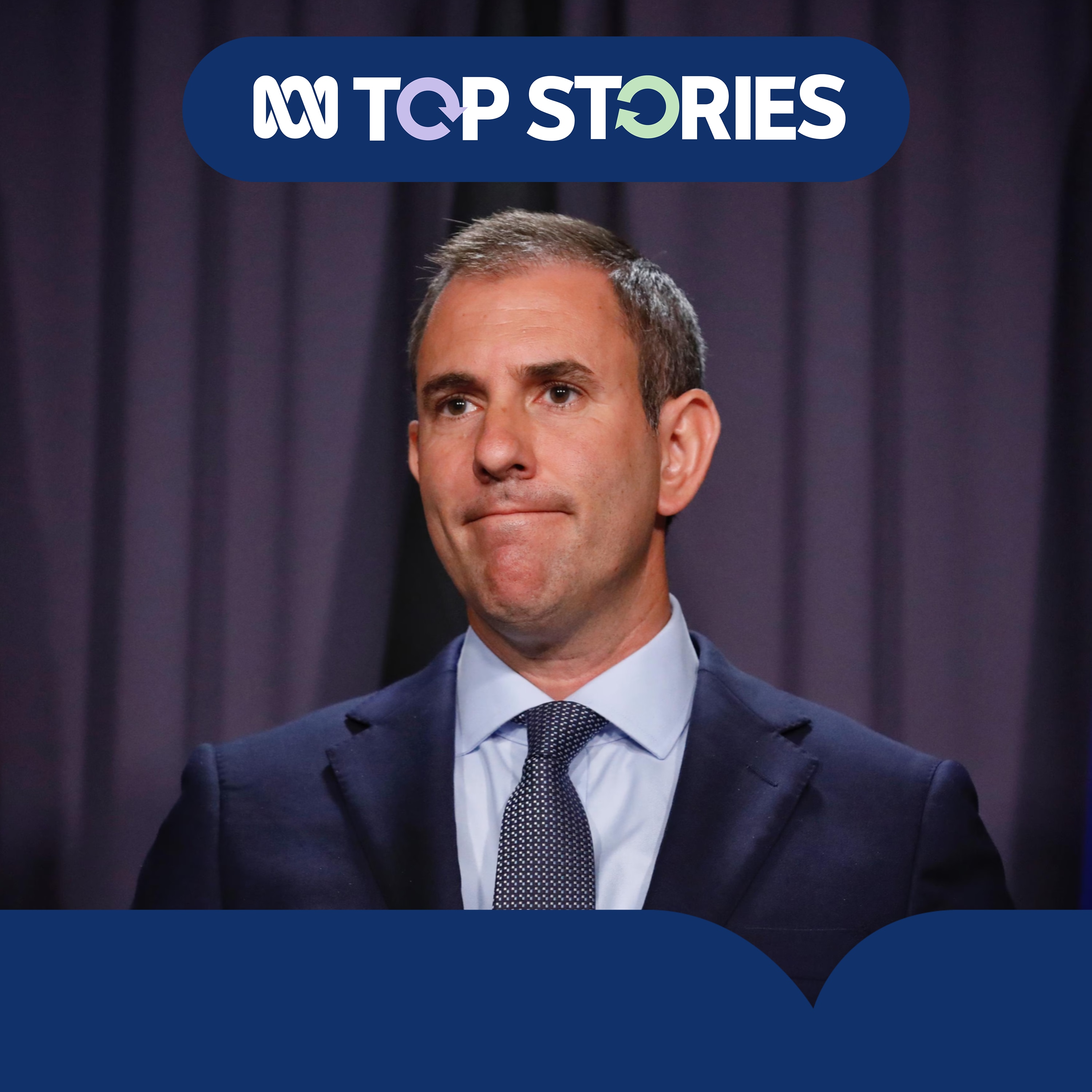
The treasurer is warning that things are going to get worse before they get better, with higher unemployment, weaker growth, and inflation still proving stubborn. To tackle the problem, the government is promising to cut more than it spends in next month's budget update. But the Coalition and the Greens are already drawing lines in the sand over what they will and won't support.
The legal profession is standing at its most pivotal crossroads in centuries. Artificial Intelligence is reshaping the practice, business, and liability profile of the global legal sector. But when the gavel comes down, who will ultimately be holding it, human hands or artificial code? AI’s impact on law is not a new conversation. Five years ago, the Law Society predicted that by 2030, everyone might have access to a 'free' legal assistant, akin to a Siri for law. That same projection warned of a potential de-skilling of the workforce and a complete overhaul of legal compensation models. So today are those predictions becoming operational realities? What are the pros and cons of letting Artificial Intelligence into our legal world and how do we capitalise on the benefits while safeguarding our legal institutions, the rule of law and society itself? Joining our host, Tom Parker, is Ross McNairn, Co-Founder and CEO of Wordsmith, Professor Richard Susskind CBE, Author and President of the
For America's first 100 years, Supreme Court justices were an integral part of political life. They ran for office from the bench, met with constituents, wrote newspaper op-eds about their work, and more. Today, of course, they do their work mostly in secret and rarely speak to the public aside from a few appearances each year. How did things get this way, and what would happen if the justices went back to having a closer relationship with the people? Our guest today answers those questions and sheds light on what life was like for justices in the 19th century. Rachel A. Shelden is an associate professor of history and director of the George and Ann Richards Civil War Era Center at Penn State. She is the author of The Political Supreme Court: A Forgotten History (https://uncpress.org/9781469697130/the-political-supreme-court/), which explores the court's role as an "unmistakably a political institution." The book also follows the shifts at the turn of the twentieth century, when member
What is the Streisand effect? Entertainment icon Barbra Streisand celebrated her 80th birthday on 24th April 2022. The actress, director, producer and musician has been in the public eye since the age of 20 and belongs to a very select group known as EGOT winners. That means she’s won an Emmy, a Grammy, an Oscar and a Tony. Her dazzling career has seen her sell over 150 million albums worldwide, and accumulate wealth of $635M, according to a 2021 estimate. SON - cash register She’s also had a media phenomenon named after her: the Streisand effect. How did that come to happen? What’s the psychology behind the Streisand effect? What are some prominent examples? In under 3 minutes, we answer your questions! (https://podcasts.ba-ba-bam.com/do-you-really-know/) To listen to the last episodes, you can click here: What is antibiotic-free meat? (https://podcasts.ba-ba-bam.com/do-you-really-know/202204260600-what-antibiotic-free-meat) What is a migraine? (https://podcasts.ba-ba-bam.com/do-you-r
Join Political Editor Peter van Onselen and Reporter Nicholas Comino each Tuesday as they tell you who's winning, who's losing, the drama behind the scenes and how the big decisions in Canberra affect you.In this episode, Peter and Nicholas discuss the rising discontent with the Albanese government, marked by declining poll numbers. The conversation covers the political fallout from yet another interest rate hike, scrutinising Labor's attempts to shift the blame to the RBA while ignoring their own economic missteps and lagging productivity. They also delve into explosive allegations from Senator Fatima Payman, accusing the Prime Minister of leveraging taxpayer-funded staffing to secure her votes. Hosted on Acast.
In this episode, Peter and Nicholas discuss the political fallout from rising interest rates, noting the irony of Prime Minister Anthony Albanese and the Labor movement blaming Reserve Bank Governor Michelle Bullock for an economic situation largely fuelled by government spending and stagnant productivity. They also explore the strained relationship between Albanese and Treasurer Jim Chalmers, pointing out how the PM seems to be distancing himself from Chalmers ahead of potential economic trouble. Finally, they delve into Albanese's recent pattern of bending the truth regarding community grants and why his behaviour makes him similar to a famous character from the iconic sitcom Seinfeld. Hosted on Acast.
Environmental commitments should be judged by measured outcomes rather than announced targets.
Share your view, then see how readers voted. No sign-in required. This poll is shared across stories.
Do you agree or disagree?
Common Quandary
A Common Quandary to discuss
Another conversation to explore, separate from this news story.
The night before the wedding, your friend admits serious doubts. Do you tell their partner?
On the night before a wedding, your closest friend says they are unsure they should marry but insists it is ordinary panic. They make you promise secrecy and plan to proceed. Their partner asks you directly whether everything is okay.
When does loyalty require breaking a confidence before an irreversible choice?