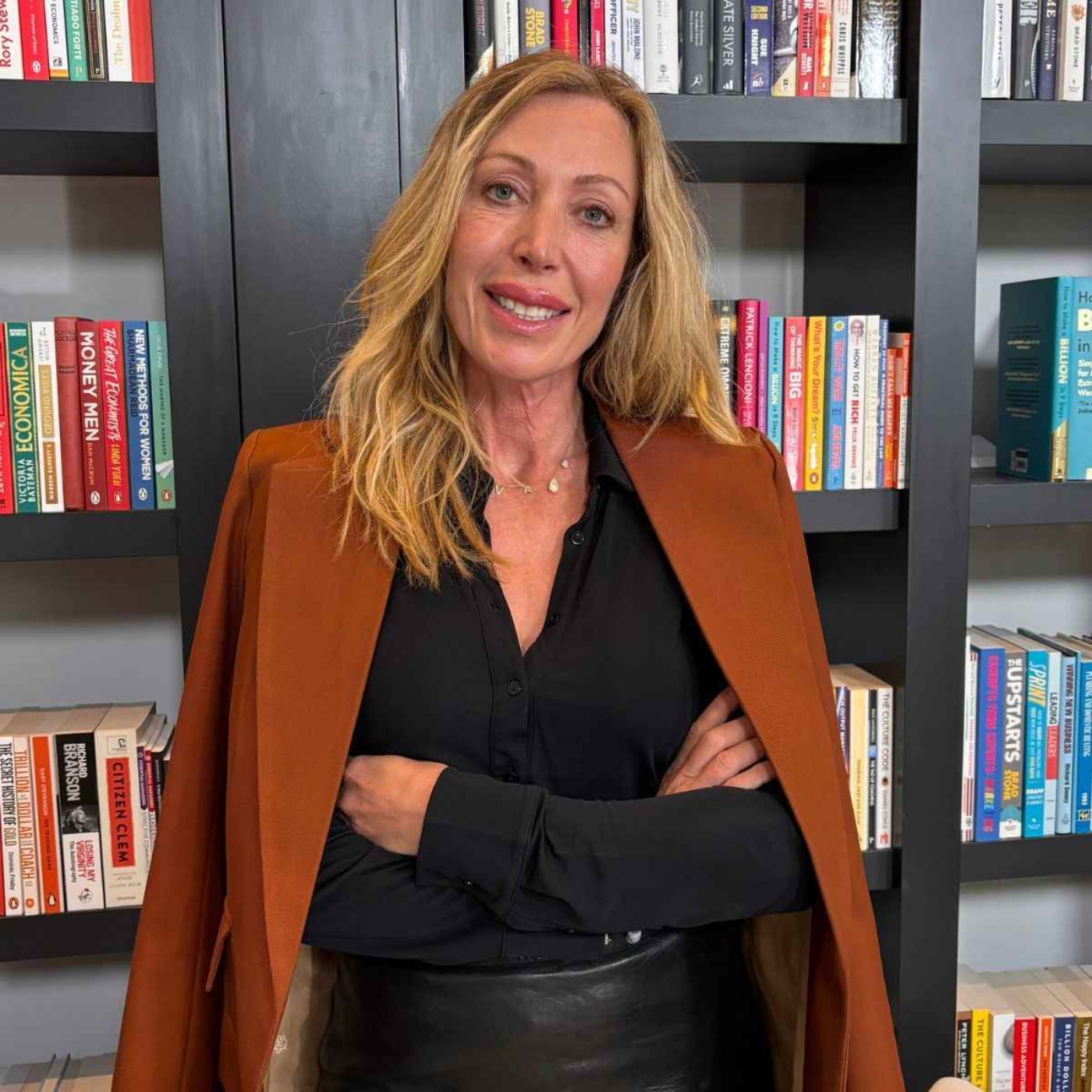
How two friends built Maeving into a £6m British electric motorbike brand
51 min
Listen through the publisher, then discuss the episode here or arrange an in-person Roundtable. Your city determines where to meet.
Roundtables are designed for groups of four, with a shared subject and room for everyone to speak. Come for discussion, with no dating expectation.
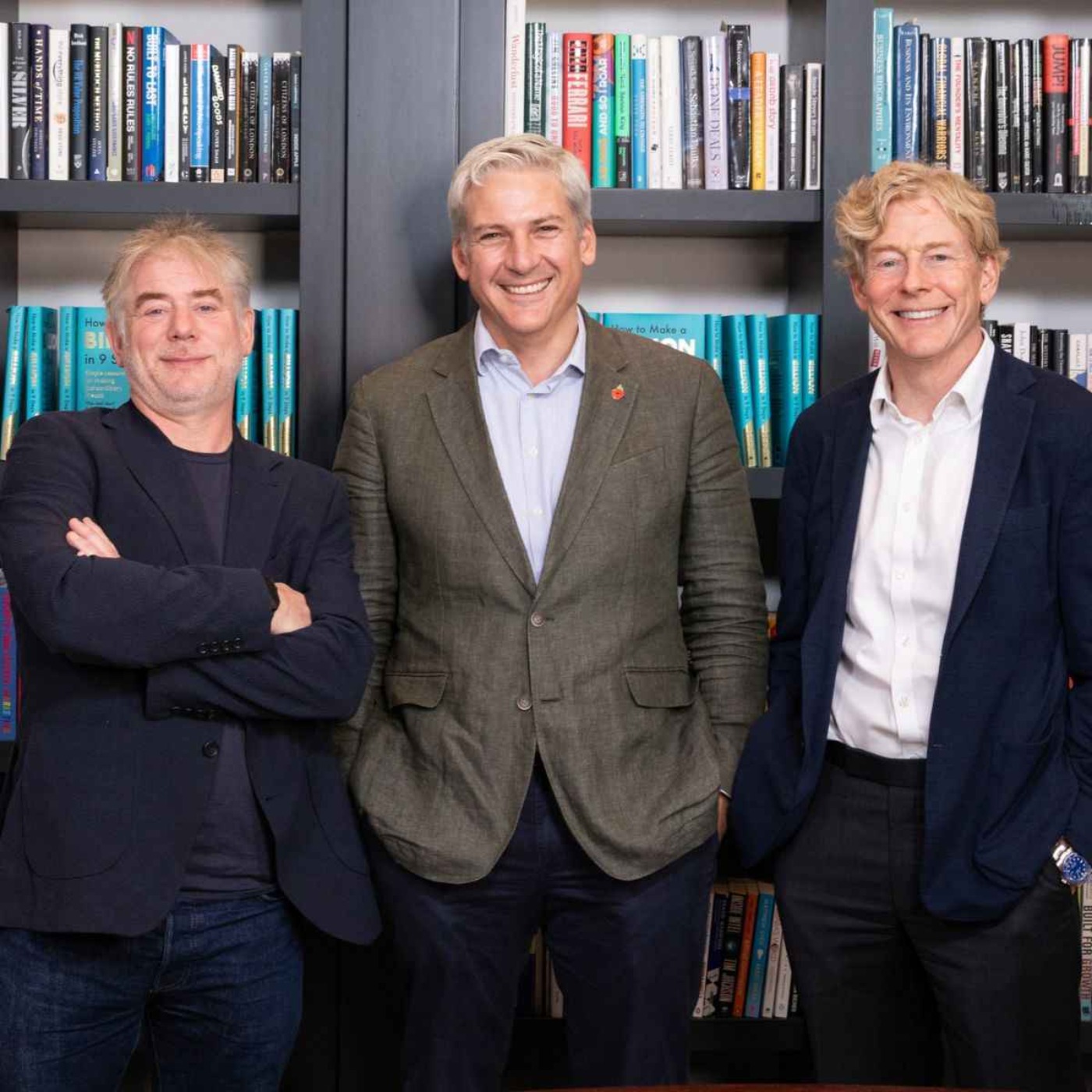
Seb Inglis-Jones is the co-founder and co-CEO of Maeving, the Coventry-based electric motorcycle brand. He tells Sir Richard Harpin how a promise between two university best friends turned into a British business building electric motorbikes, in the style of the James Dean and Steve McQueen era. And now, why he’d love to see a Maeving bike in a Bond film. Maeving sells electric motorbikes in the UK, US, France and Germany and has accelerated investing for international growth in Europe and Australia. Inglis-Jones shares how a brand management career at Reckitt Benckiser prepared him to build Maeving and how he splits the co-CEO role. Being “forged in fires” - raising money just before Covid, then launching a product as Russia invaded Ukraine - built the company’s resilience. He also covers Maeving’s direct-to-consumer model, removable-battery technology and servicing. On scaling, he talks about growing revenue towards £10m, accessing government grants and loans, and why quality control kept Maeving alive while many electric motorcycle rivals went under. Hosted on Acast.
Episode information is provided by the publisher. Listening takes place on the publisher’s service.
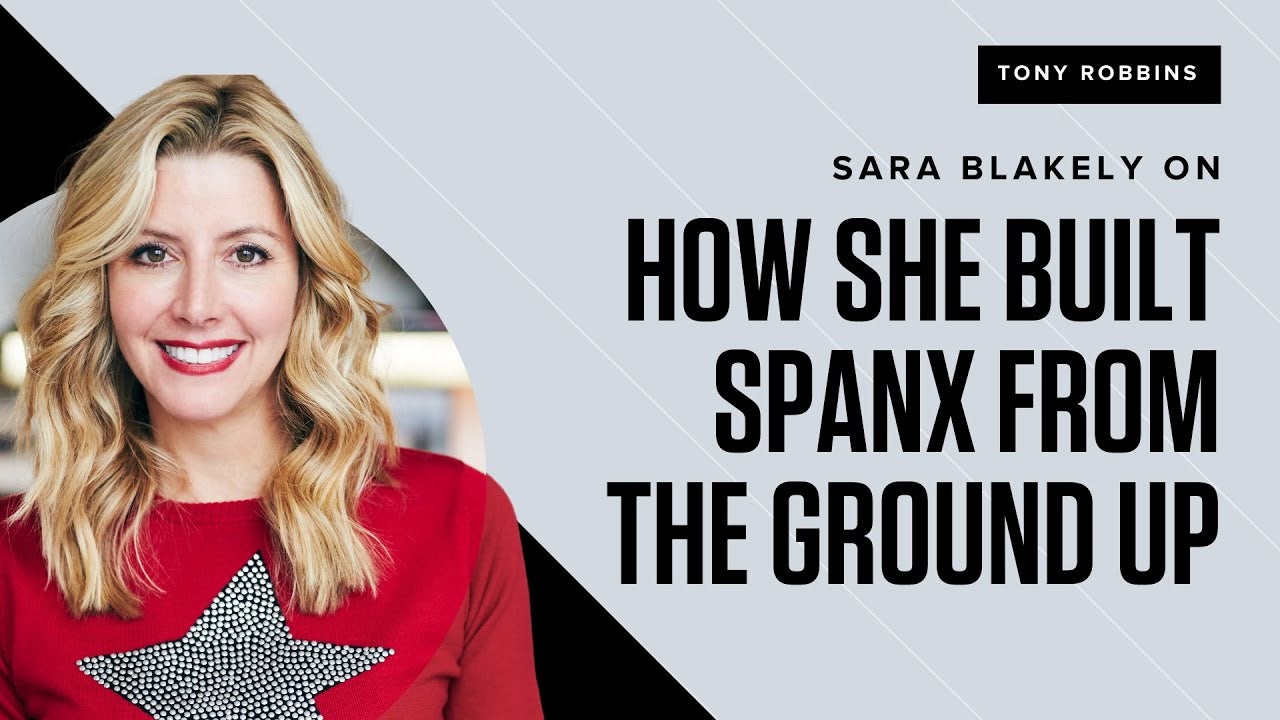
Tony had the pleasure of speaking with Sara Blakely at his Business Mastery event in Palm Beach. She’s the founder of shapewear company SPANX, and in 2012 – at just 41 year old – she became the first female in the world to become a billionaire, on her own, without the help of an inheritance or spouse. Uploaded 22-07-21 Sara’s story is incredible. She went from failing the L-SAT, to being a greeter at Disney World, to selling fax machines door to door, to turning $5,000 of her own savings into a billion dollar empire. But what you may not have heard before is everything in between: The exact steps she took to get her business off the ground, how she’s overcome negative self talk, and limiting beliefs by doing the deep, emotional work that many people, unfortunately, neglect, and how honoring both her feminine and masculine energies – and finding balance between them – has been a key to her success. Beyond her extraordinary accomplishments, Sara is an extraordinary person. She is authent
Berkshire Hathaway, legendary investor Warren Buffett’s holding company, just made a nearly $600M bet on the housing market, all while real estate sentiment (https://www.biggerpockets.com/blog/pulse-q3-2026) hits its lowest levels in over a decade. What do Berkshire and Buffett know about the real estate market that most Americans are completely missing? Between September 17th and October 2nd, Berkshire Hathaway invested nearly $600M in one building company—Lennar. Even with Lennar’s quarterly revenue down 9% as it experiences one of its weakest quarters in over a decade, Berkshire sees what nobody else does: housing will recover, and whoever can build and own it will profit. Berkshire is known for its long-term, conservative, and bottom-line-based investing strategy. So, if the best investors on earth are putting their money into real estate and projecting a long-term recovery on the horizon, should rental property (https://www.biggerpockets.com/guides/how-to-buy-rental-property) inve
This episode was sponsored by Cardiff, Sprout Realty, & Sprout Roofing LightSpeed VT: https://www.lightspeedvt.com/ Dropping Bombs Podcast: https://www.droppingbombs.com/ This Dropping Bombs episode features Cody Cooper, the Austin founder who talked an investor into backing a $300,000 brokerage at 24, before he had ever sold a single home. That bet became Sprout Realty, which keeps 98% of its agents and launched mortgage, roofing, and software companies off its deal flow. Cody breaks down how a self-described party brokerage grew up, how Zillow's referral model is quietly rerouting buyer leads, and the HOA software built to turn neighborhood associations into revenue. He also explains why being rich on paper can leave you broke in cash. Most people never start because they're waiting to feel ready. Cody didn't, and this conversation makes waiting hard to defend. Connect with Cody Instagram: https://www.instagram.com/cody.b.cooper Sprout Realty Instagram: https://www.instagram.com/spro
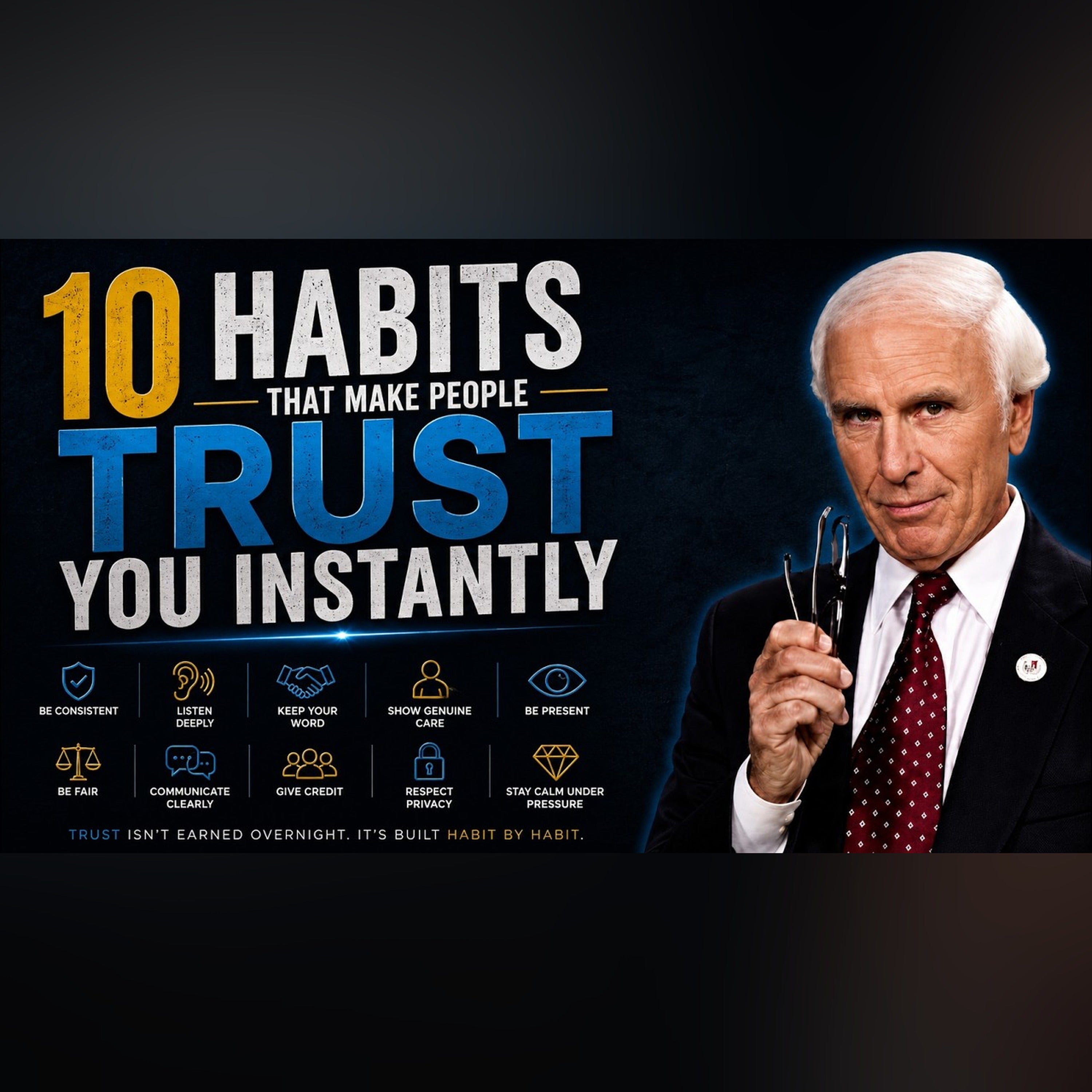
Watch two people meet for the first time. Inside of a few minutes, one of them has already decided about the other. And most of the time, they don't even know they've made the decision. They just walk away with a feeling. He seemed solid. Or, something about her felt off. Uploaded 27-08-26 That feeling, formed in minutes, follows you for years. Most people believe trust is earned slowly, over long stretches, through big gestures. And some of it is. But the foundation, the part that decides whether the slow building ever gets a chance to begin, that part is built fast, in small moments, through habits you may not even know you have. Here is the truth: trust is not a mood and it is not luck. Trust is a prediction. When somebody trusts you, they are betting that the version of you they see today is the version they will get tomorrow. This seminar walks through ten things you must understand about becoming the kind of person others are safe to rely on. CHAPTERS 0:00 Intro — the decision ma
How do you build a network product when it only works if everyone around you is already using it? Originally recorded in 2024, Tinder founder Sean Rad explains how the company went from a few hundred users to the world’s #1 dating app. Sean joins a16z General Partner Andrew Chen to unpack Tinder’s early product decisions, why the team avoided mass marketing in favor of building density on college campuses, and how the swipe experience grew out of designing specifically for mobile. They also discuss why product-market fit has to come before marketing, how Tinder learned from failed features, and why listening to users mattered more than competitors or the press. Resources: Learn more about Speedrun:https://a16z.com/games/speedrun/ Find Sean on Twitter:https://x.com/seanrad Find Andrew on Twitter:https://x.com/andrewchen Stay Updated: Find a16z on YouTube: YouTube (https://www.youtube.com/@a16z) Find a16z on X (https://x.com/a16z) Find a16z onLinkedIn (https://www.linkedin.com/company/a1
Tom Aspinall is a British mixed martial artist and former UFC heavyweight champion, known for his lightning-fast finishes. In this moment, Tom opens up about growing up in a working class town, the season of life when he couldn't afford to fill his car, and what really kept him going in the harder times. He shares the advice he wishes more young people were given, and a poignant story that changed the way he views fear. Listen to the full episode here! Spotify: [INSERT LINK] Apple: [INSERT LINK] Watch the Episodes On YouTube: https://www.youtube.com/c/%20TheDiaryOfACEO/videos Progressive Insurance - https://progressive.com/purpose
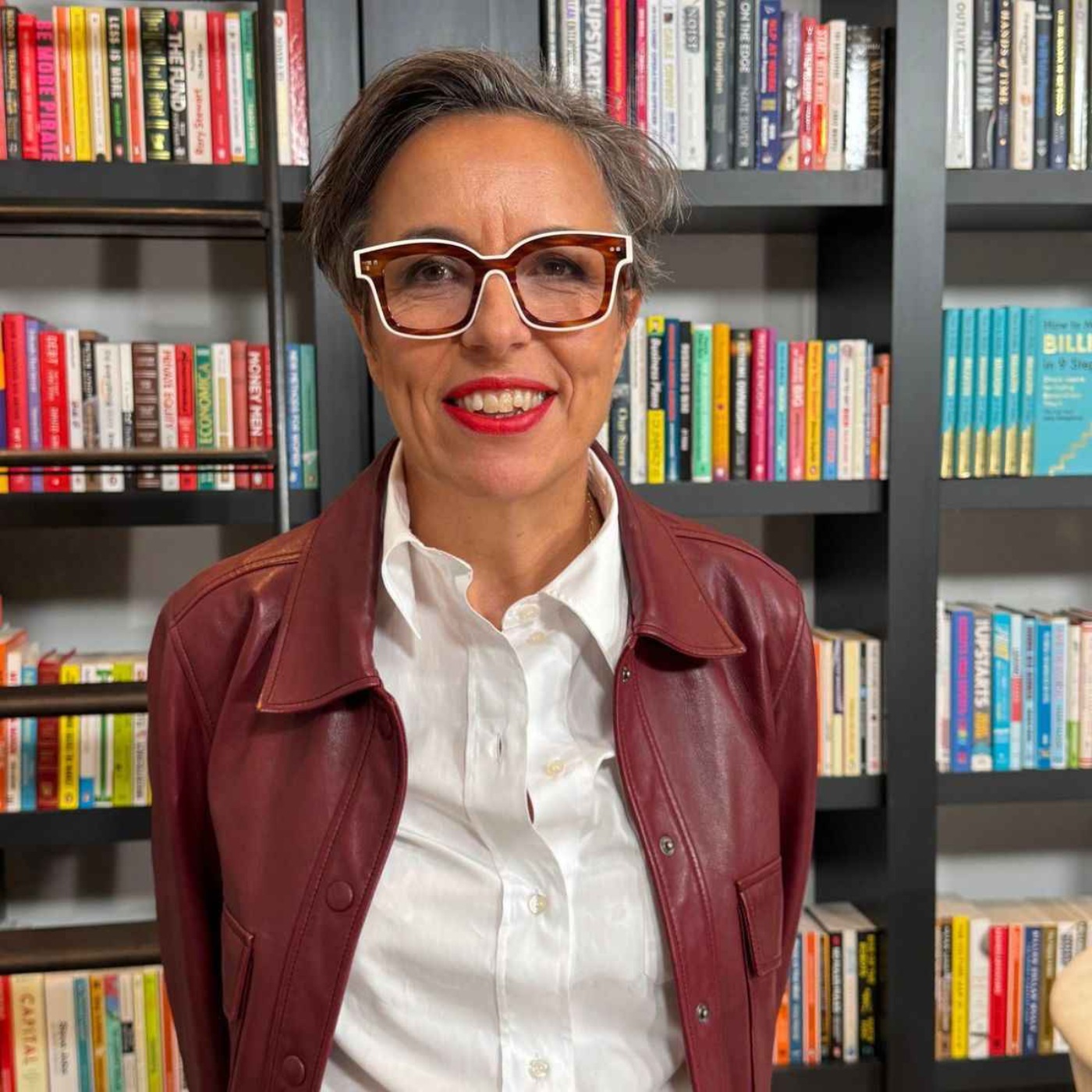
Cécile Coutens, President of Royal Canin, talks to Sir Richard Harpin about how a French vet's idea became a pet nutrition business sold in 120 countries, and what it takes to scale it inside Mars. Coutens has spent 23 years at Mars and is the first woman to lead Royal Canin. She talks about the shift from brand management to running a business, leading a global team, building trust with vets in a social media world, and where pet care goes next. She also explains how Royal Canin has grown to more than twice its size in the 11 years since she joined, how she thinks about competition from fresh-food challengers and Mars' own brands, and how she looks for curiosity when recruiting. Across nutrition and vet care, she says, Mars serves around half of the world's pets. On leadership, she says it is "more powerful when it's shared" and “diversity drives results”, and she empowers her ten-strong team to act as co-presidents rather than function heads. And, what does she feed her own cat and a
How do you build a £1 billion business in the UK? James Whittaker, Deutsche Bank’s head of wealth management business in the UK and Nordics, asked two founders who succeeded – Sir Richard Harpin, founder of HomeServe and host of the Business Leader podcast, and Greg Jackson, founder and CEO of Octopus Energy. Do founders need to study at university, think globally, stay focused on the core business or even do without an HR department in order to achieve unicorn status? Jackson argues for more investment in British businesses, warns of a £2 trillion gap in pension fund investment in British companies and calls for a 100-day plan to fix it. Harpin calls for stamp duty on shares to be scrapped to revive the London Stock Exchange, explains why he refused to sue a HomeServe copycat in India, and argues for investment to help scale-ups accelerate from £100m to £1bn. Plus: why entrepreneurship “isn’t good for you” and “it’s not a rational decision”, AI’s impact on the next generation of unico
Eva Alexandridis is the co-founder of 111SKIN, the luxury clinical skincare brand favoured by Lady Gaga, Margot Robbie, and Victoria Beckham, and stocked at Harrods, Selfridges, and Bergdorf Goodman. In this episode, Alexandridis joins Sir Richard Harpin to trace her journey from growing up behind the Iron Curtain in Bulgaria, to working at Silicon Valley startups during the dot-com boom, to co-founding 111SKIN, the doctor-driven skincare brand, with her husband plastic surgeon Dr. Yannis Alexandridis, in London. Alexandridis reveals why she refused to sell 111SKIN anywhere but her husband's Harley Street clinic for the first few years, and what changed her mind after years of resisting outside investment, leading her to agree to Estée Lauder taking a minority stake. She shares her advice for founders on patience, scaling, and avoiding the "fast beauty" trap and reflects on treating every failure as a learning opportunity. Alexandridis also explains why she deliberately avoided over-ex
Correcting clear officiating errors is worth some interruption to a game's flow.
Share your view, then see how readers voted. No sign-in required. This poll is shared across stories.
Do you agree or disagree?
Common Quandary
A Common Quandary to discuss
Another conversation to explore, separate from this news story.
Everyone clicks through mandatory training without reading it. May you do the same?
Your employer requires an hour-long annual course whose answers have not changed in years. Coworkers run it in the background and share the quiz answers. Completing it carefully would make you late for actual work with a deadline.
When does pointless compliance excuse pretending to comply?