Listen through the publisher, then discuss the episode here or arrange an in-person Roundtable. Your city determines where to meet.
Roundtables are designed for groups of four, with a shared subject and room for everyone to speak. Come for discussion, with no dating expectation.
In this conversation, Judy Cho discusses the complexities of inflammation, emphasizing its role as a healing signal rather than a problem. She explores how chronic inflammation can indicate deeper health issues and the importance of diet, environmental factors, and psychological well-being in achieving holistic health. In this conversation, Judy and Stephen discuss the intricate relationship between diet, mental health, and chronic illness. They emphasize the importance of understanding the mind-body connection and the need for a holistic approach to healing. Takeaways Inflammation is a healing signal Chronic inflammation indicates deeper issues Mind-body connection is crucial Diet alone may not resolve issues Chapters 00:00 Introduction to Inflammation and Healing 02:45 Understanding Systemic Inflammation 05:59 The Role of Diet in Inflammation 09:06 Lab Tests and Their Nuances 12:10 Empowering Patients Through Education 14:57 Frameworks for Healing Beyond Diet 17:47 Environmental and Psychological Factors 20:52 The Importance of Detox and Drainage 23:49 The Interconnectedness of Body Systems 25:13 Understanding Histamines and Liver Function 27:03 The Role of Diet in Healing 28:56 Addressing Trauma and Chronic Illness 30:18 The Impact of Social Media on Health 35:32 Elimination Protocols for Healing 40:08 Empowering Yourself in Health Decisions
Episode information is provided by the publisher. Listening takes place on the publisher’s service.
"Everyone Wants a Good Relationship, But Nobody Talks About THIS" - Listen to my Morning Monologue: I’m sharing my take on pressing issues, enlightening research on human behavior, answering questions I get by email, and my favorite, most instructive interactions with callers. It’s the free therapy you need! Got a dilemma? Follow on social media: Facebook.com/DrLaura (http://facebook.com/DrLaura) YouTube.com/DrLaura (http://youtube.com/DrLaura) Join the Dr. Laura Family!! >> Receive my weekly newsletter, perks, and more! Sign up now, it's FREE > DrLaura.com (https://www.drlaura.com/) Hosted by Simplecast, an AdsWizz company.
A kiss can be wonderful. It can create an instant connection, spark romance, or make you feel closer to someone. But a kiss can also have the opposite effect — and sometimes ruin everything. So what makes kissing so powerful, and why can one kiss make such a difference? There's some fascinating science behind it. https://www.scientificamerican.com/article/why-we-kiss/ We spend an enormous amount of time worrying about what's going to change. What's next? What's coming? How do we prepare? But what if we're paying attention to the wrong things? Some of the most important forces shaping our lives never change, and understanding them may be far more valuable than trying to predict the future — something humans are notoriously bad at. Morgan Housel, partner at The Collaborative Fund and author of Same as Ever: A Guide to What Never Changes (https://amzn.to/3SwWn6u) (https://amzn.to/3SwWn6u)), joins me to explain why the things that stay the same may be the most important things to understan
In this episode, Dr. K analyzes candid feedback from over a hundred software engineers facing burnout, loss of joy in coding, and existential dread in an AI-driven tech landscape. He breaks down the friction between developer reality and executive expectations, where corporate pressure to rapidly increase output with AI tools often results in code instability, production incidents, and tedious code-review assembly lines. Drawing on engineering benchmarks like the DORA report, Dr. K outlines tactical communication strategies for developers to manage upward by matching leadership enthusiasm while proactively documenting technical risks. Ultimately, he emphasizes that cultivating emotional resilience, social proficiency, and clear communication provides engineers with their strongest competitive edge during periods of industry disruption. Mental health resources designed by Dr. K and made with love: https://bit.ly/3ZOopgQ Talk to a HG Coach 1-on-1: https://bit.ly/46bIkdo Dr. Dr. K's Guide
Why is the manosphere so appealing to young men? What does it actually mean to be a good man? To join our journaling club, with 10,600 + others, subscribe to my imperfect email - https://www.theimperfects.com.au/sign-up-to-our-newsletter/ Journalist Marc Fennell joins us in the studio to talk about the manosphere: what is it? what are its consequences? and how can we talk to our kids about it? Marc explores with Hugh, Ryan and Josh why the manosphere is so appealing to young men, especially those who think they have little value to offer, and Josh questions what his reaction would have been, if he had of been exposed to the manosphere at a vulnerable time. We look at ‘toxic masculinity,’ and the impact of being right versus making change, and in a moment of vulnerability, Marc discusses the importance of self reflection of your own behaviour. Chapters: Chapters 00:00:00 – Marc Fennell on the Manosphere [TRAILER] 00:01:01 – Ryan’s doppelganger (and media buff etc) 00:04:24 – The State o
Today, Mel is doing something she's never done before on The Mel Robbins Podcast. She's bringing members of her team into the studio for live coaching with world-renowned communications expert Vinh Giang. Vinh is known for teaching millions of people online how to stop sounding insecure, speak more clearly, and get people to listen when you talk. And when you hear him coaching today, it will be like he’s coaching you. One person freezes when they're put on the spot. Another can't stop interrupting people. Someone else has great ideas but stays quiet because they're afraid of being judged. Does any of that sound familiar? And Vinh isn't just giving advice. He's coaching real people through practical exercises, right there in the studio, so you can hear the difference and start making those same changes in your own life. As Mel says, put yourself in their shoes. As Vinh works with each person, you'll recognize things you struggle with, too. You'll learn: -What to do when your mind goes b
Today, I’m honored to connect with Dr. Troy Badger. He is a board-certified cardiologist and interventionalist and the founder of Cardiostrong, a concierge preventive cardiology clinic in Provo, Utah, focused on reducing cardiovascular risk, optimizing metabolic health, and improving strength and cardiorespiratory fitness for executives and athletes. In today’s conversation, we discuss Dr. Badger’s gender- and age-specific approach to heart health, including treatment differences for men and women, and diagnoses such as INOCA, SCAD, vasospastic disease, and Takotsubo. We examine emotions and their influence on heart health, coronary ischemia and cardiomyopathies, labs and diagnostics, how Dr. Badger assesses risk in his patients, and the differences between a CAC and a CCTA. Dr. Badger also shares the labs he finds essential for all patients and discusses the role of VO2 Max, cardiovascular training, and lifestyle—specifically nutrition, the use of GLP-1 drugs, and a multidisciplinary
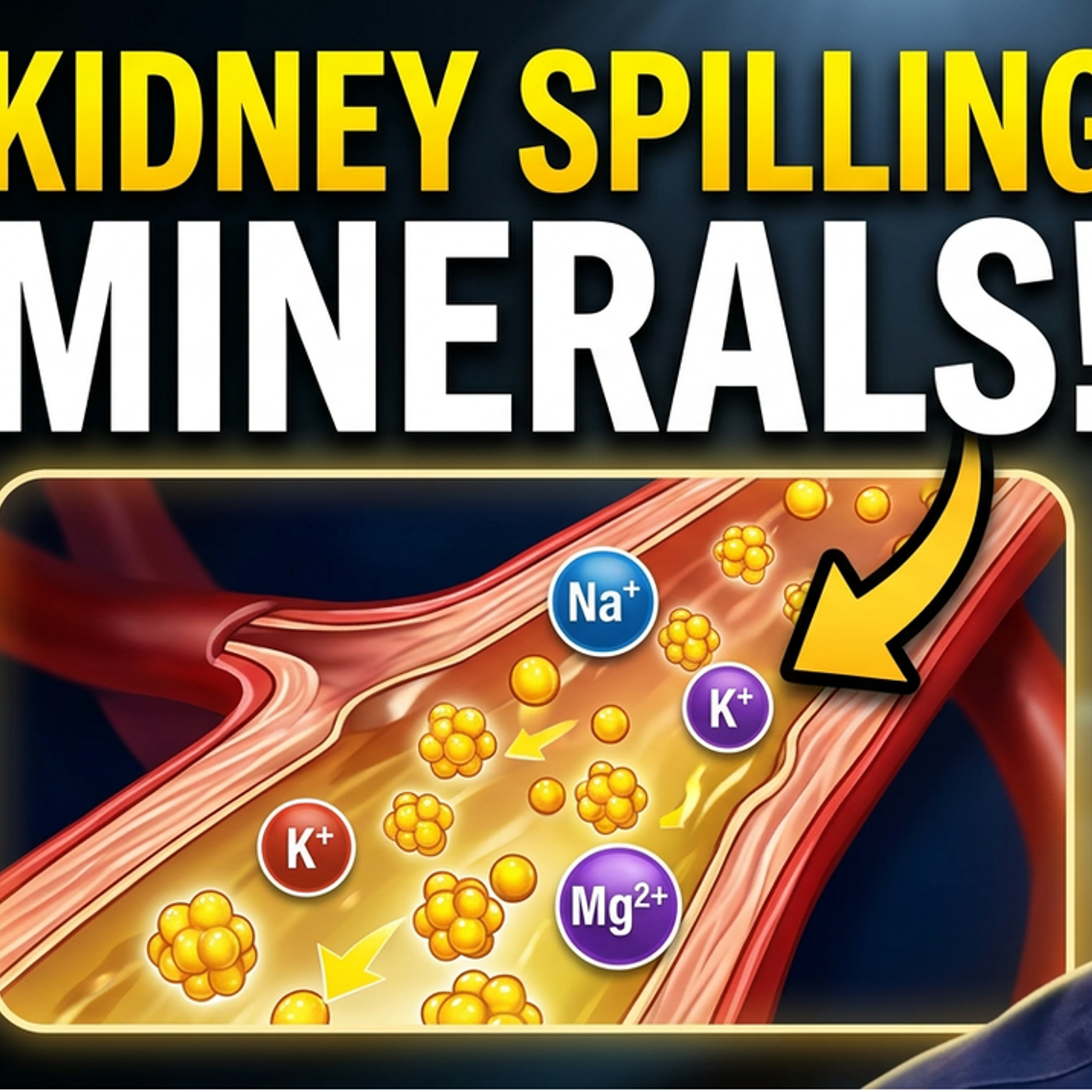
The conversation delves into the implications of glucose in urine, emphasizing that it signifies not just high blood sugar but also the loss of essential electrolytes. Stephen Thomas explains the physiological processes involved, the importance of minerals in blood sugar management, and the need to address carbohydrate intake to prevent further complications. Takeaways Glucose in urine indicates electrolyte loss Mineral depletion affects blood sugar control Chapters 00:00 Understanding Glucose in Urine 10:10 The Role of Electrolytes 15:22 Carbohydrate Toxicity Explained 20:00 Managing Symptoms and Causes
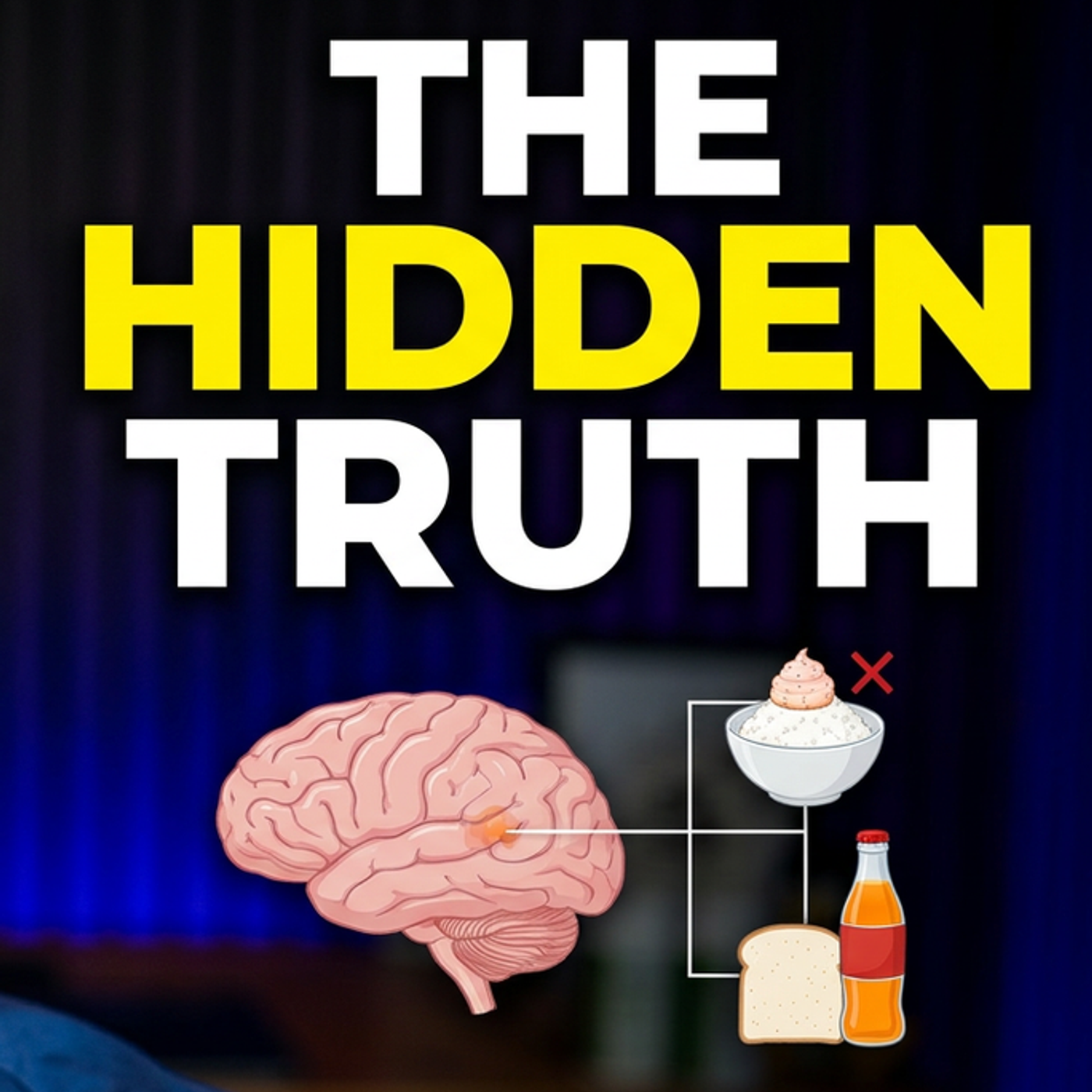
In this conversation, Stephen Thomas discusses the misconceptions surrounding food addiction, emphasizing that the real issue lies with sugar and refined carbohydrates rather than food itself. He argues that eliminating sugar can help stabilize blood glucose levels and reduce cravings, leading to better health outcomes. Takeaways Food addiction is a myth Sugar is the real culprit Chapters 00:00 Debunking Food Addiction Myths 09:13 Understanding Sugar's Role in Cravings
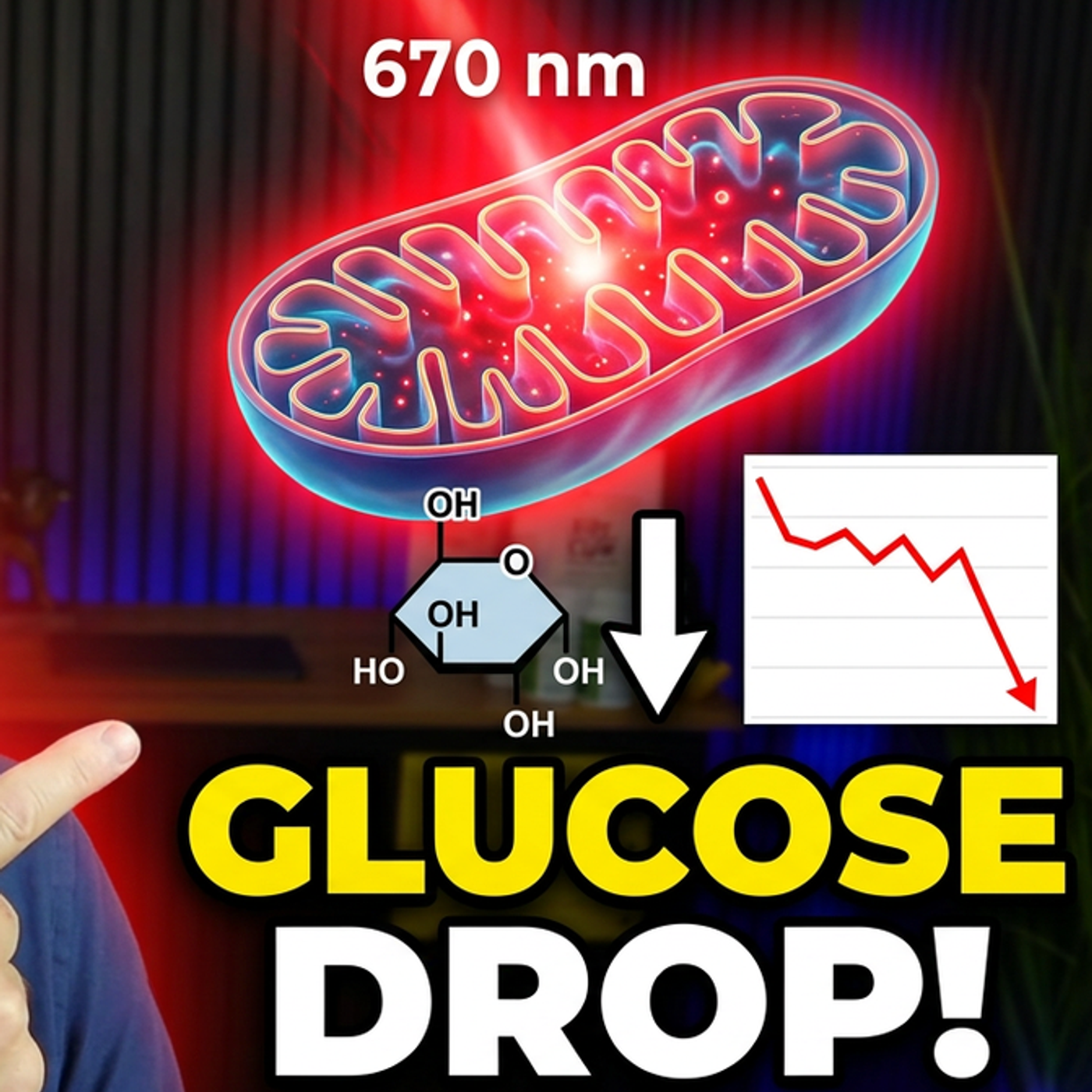
The conversation explores the relationship between light, specifically red wavelengths, and mitochondrial function in lowering blood glucose levels. It emphasizes the scientific basis behind these claims while demystifying complex concepts related to light and biology. Takeaways Light influences blood glucose Mitochondria boost energy production Chapters 00:00 Demystifying Light and Biology 09:56 The Science of Mitochondria and Light 11:50 Practical Applications of Light Therapy 12:45 The Impact of Modern Lighting on Health
Keeping a league competitive is more important than maximizing rewards for its strongest teams.
Share your view, then see how readers voted. No sign-in required. This poll is shared across stories.
Do you agree or disagree?
Common Quandary
A Common Quandary to discuss
Another conversation to explore, separate from this news story.
Would you want a doctor to give you a fake pill if the lie might make you feel better?
A patient has persistent symptoms that have not responded to standard treatments. A harmless placebo may help, but its effect could weaken if the clinician fully explains that it contains no active medicine.
Can a beneficial deception respect the person it helps?