Indictment sheds light on alleged Iran-backed plots across U.S. and Europe
5 min
Listen through the publisher, then discuss the episode here or arrange an in-person Roundtable. Your city determines where to meet.
Roundtables are designed for groups of four, with a shared subject and room for everyone to speak. Come for discussion, with no dating expectation.
Iran's top national security official warned that it would strike American bases beyond the Gulf, including in Europe, if the United States resumes air strikes against the Islamic Republic. The warning comes one day after indictments in New York against three men who allegedly conspired to attack U.S. Air Force planes at a base in England. Nick Schifrin reports. Hosted on Acast. See acast.com/privacy
Episode information is provided by the publisher. Listening takes place on the publisher’s service.
For review: 1. Iraq has reached a compromise with the powerful Iran-backed militia Kataeb Hezbollah, three senior security officials said, after Prime Minister Ali al-Zaidi readied security forces to move against the group. Reflecting the gravity of the situation, Iraqi Shiite political sources said Esmail Qaani, commander of Iran’s elite Revolutionary Guards’ Quds Force, arrived in Baghdad late on Monday to help defuse tensions with Kataeb Hezbollah, Tehran’s most powerful militia ally in Iraq. 2. Lebanese President Joseph Aoun launched a lengthy rebuke of Iran in an Independence Day address, arguing that the Islamic Republic does not have the right to interfere in Lebanon’s internal affairs, as it long has via support for its local terror proxy, Hezbollah. 3. Yemen’s Houthis launched strikes on the Saudi capital Riyadh on Saturday, after vowing reprisals for a “special operation” by the Saudi-led coalition fighting them. The coalition later said it had “intercepted and destroyed” thr
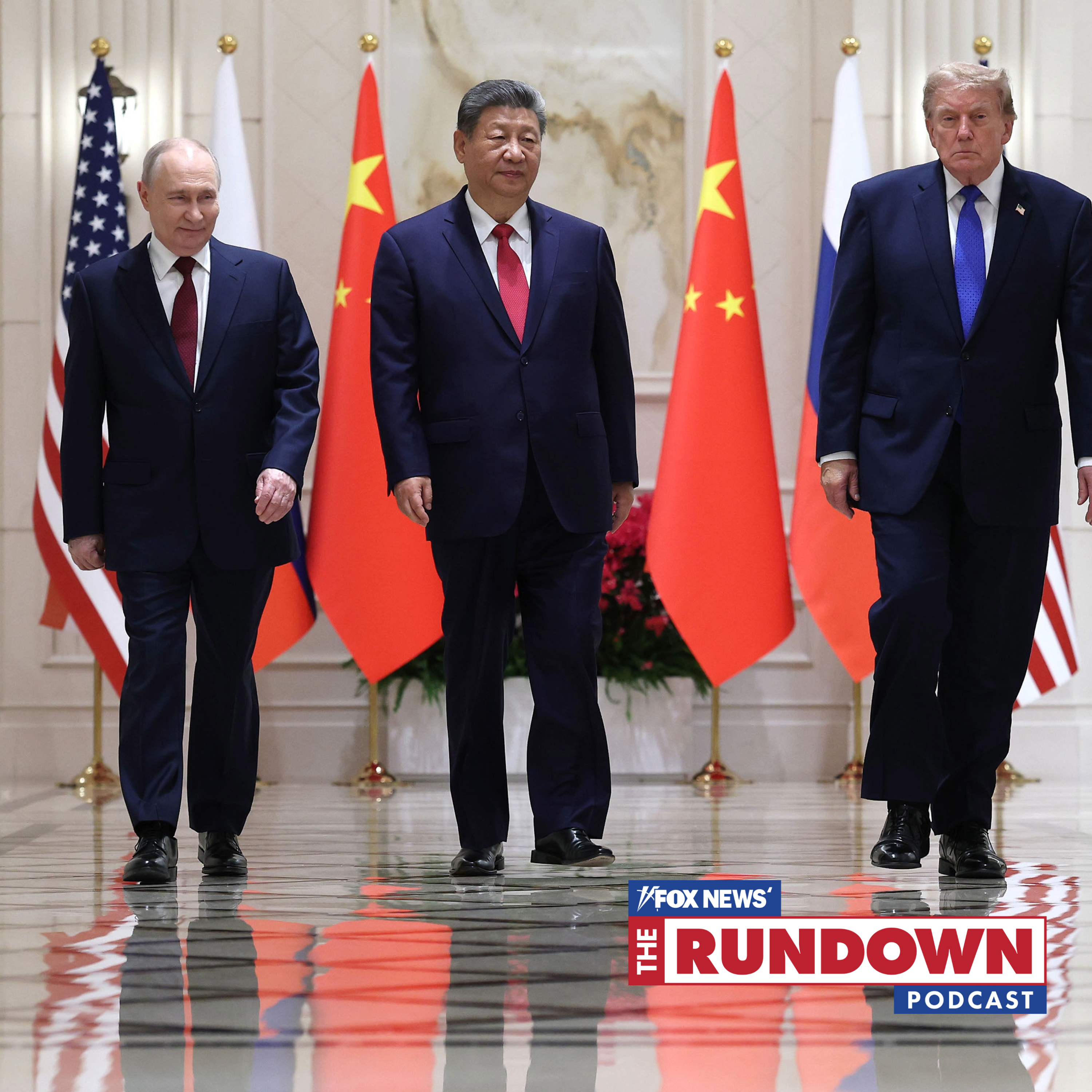
November 20, 2026 On November 19, Trump met with Xi Jinping and Vladimir Putin in Shenzhen, China, The fact that the president of the US would meet with leaders of China and Russia was bizarre since both China and Russia have been helping Iran in its current fight against the US, Trump appeared to want the fanfare and President Xi played that up, Putin wanted the meeting because it would suggest that Russia was a great power, although it is far from being so and Putin’s war on Ukraine is going poorly, The meeting’s purpose seemed to be to produce propaganda for each of the three leaders, Beyond the propaganda is the larger story of the destruction of the post-World War II rules-based international order, In its place is the idea of dividing the world into spheres of influence, The three leaders met for 90 minutes and issued only a vague "joint declaration toward peace," which vowed to reform the UN and weaken the International Criminal Court, where Putin is already under indictment for
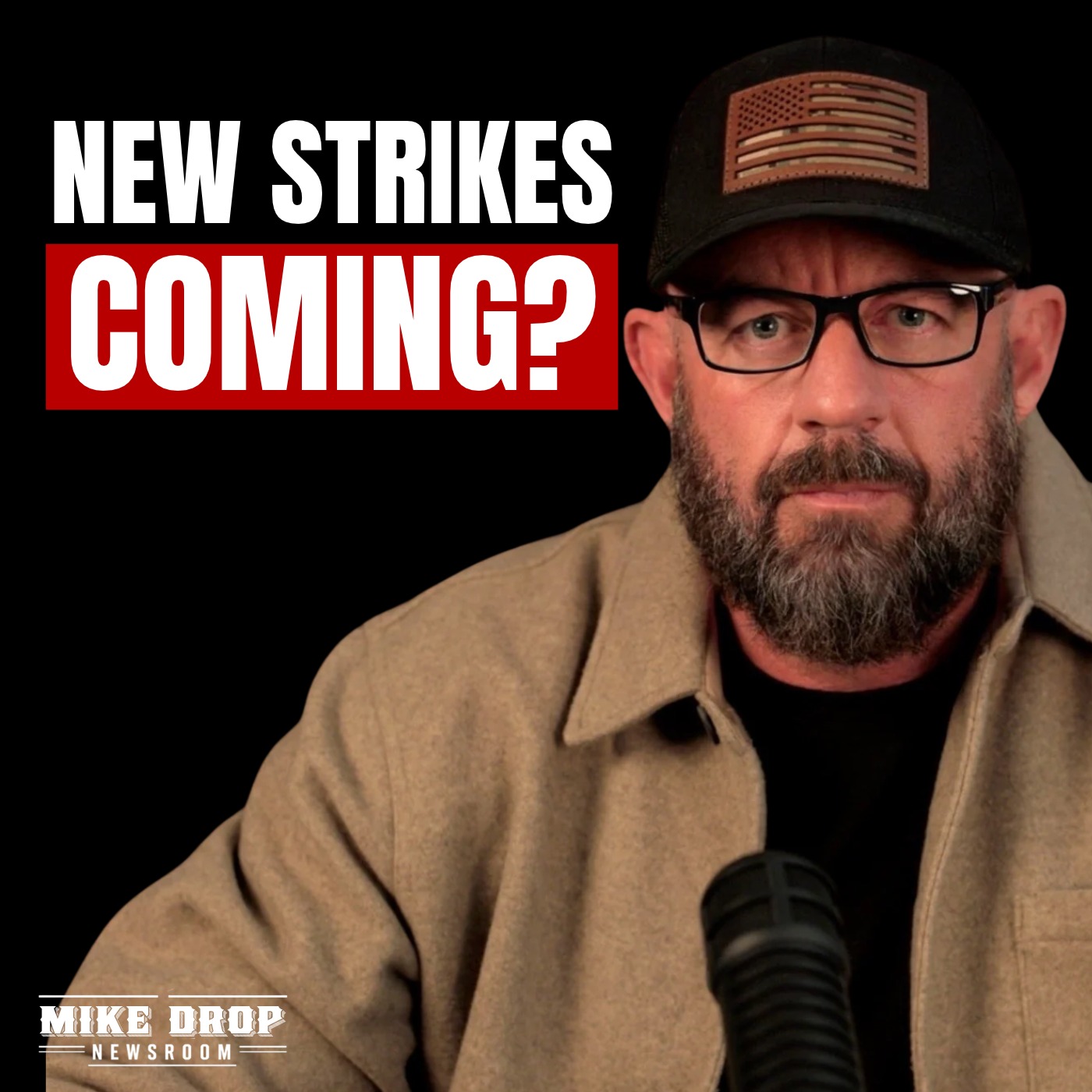
Iran says it shot down a U.S. drone over the Strait of Hormuz as CBS News reports the U.S. and Israel are weighing a new assault on Iran. MIKE DROP NEWSROOM | 21 NOVEMBER 2026 Iranian state TV claimed Saturday that Iran downed a U.S. drone near Qeshm Island; the U.S. has not confirmed it. CBS News reported, citing sources, that the U.S. and Israel are considering a new assault in the short term, driven by Israeli concern over how fast Iran is rebuilding its missile production and moving sites underground. President Trump told Israel's Channel 12 he is not rushing any decision. At the same time, the New York Times reported Israeli warnings that Iran has made progress on chemical and biological weapons and could use them against U.S. officials, though some U.S. officials doubt those warnings. Mike Ritland breaks down why a single intelligence source shouldn't drive a decision this big, how corroboration works when lives are on the line, and what would actually change his mind. Also cover
A secret relationship can create leverage even before anyone makes a threat. That is the question Tony Brueski puts to Robin Dreeke, retired FBI Special Agent and former chief of the FBI’s Counterintelligence Behavioral Analysis Program, as they unpack the reporting around former Nvidia CEO Jensen Huang. Huang admitted infidelity and resigned in November 2026. Reports linked his affair to Alice Huang, a former Megaspeed executive whom U.S. intelligence reportedly suspected of acting for China. Those suspicions remain unproven publicly. Reuters says it could not independently confirm the alleged intelligence connection; Beijing denies it. Nvidia’s board has said it has no reason to believe company secrets or national security were compromised. That leaves plenty to investigate, but it does not establish blackmail, recruitment or disclosure of protected information. Robin explains why counterintelligence investigators focus on incentives and access, not just intercepted orders or dramati
Following President Trump’s trip to Asia and a first-ever trilateral meeting with the leaders of China and Russia, foreign policy experts are weighing what was accomplished on the world stage. Former national security advisor to Vice President Dick Cheney and Heritage Foundation senior research fellow Stephen Yates joins The Rundown to analyze the summit’s outcomes on Taiwan, Ukraine, Iran, and strategic arms talks. Yates also explains how new rare-earth agreements with U.S. allies and export controls on AI chips balance Trump’s warmer rhetoric toward Beijing. Later, widespread tech outages across major platforms and government systems raise urgent questions about whether U.S. digital infrastructure is prepared for the artificial intelligence era. Former Cybersecurity and Infrastructure Security Agency (CISA) director Bridget Bean breaks down how rapid software patching can trigger cascading system failures, the growing cyber threats posed by China and Iran, and how organizations can d
Runaway government spending, rising costs, and a new wave of legal battles over constitutional rights. With Democrats preparing to take control of Congress and several state governments, Republicans are confronting a very different political landscape. John Solomon and Amanda Head welcome Montana Senator-elect Kurt Alme, who says Washington must get serious about reining in spending, lowering inflation, and making everyday life affordable again. Already preparing for his arrival in the Senate, Alme discusses his priorities for protecting Montana's way of life, keeping taxes low, creating good-paying jobs, and working across party lines when possible. He also addresses the challenges Republicans face in the minority, the remaining lame-duck session, and concerns about efforts to expand the Supreme Court and eliminate the filibuster. Then, Southeastern Legal Foundation President Kimberly Hermann joins the show with a warning about potential policy reversals in states where Democrats have
In a lengthy press conference, President Trump touted his recent trip to Asia and defended his relationship with Chinese President Xi Jinping and Russian President Vladimir Putin. White House correspondent Liz Landers was in the briefing room as the president took questions from reporters. Hosted on Acast. See acast.com/privacy
In our news wrap Friday, stocks tumbled to end the week as worries about AI rattled the market, a second federal judge is blocking President Trump's triumphal arch in Washington and a federal appeals court is blocking the Army from detonating several tons of bomb-making chemicals amid concerns over environmental and health risks. Hosted on Acast. See acast.com/privacy
President Trump has replaced the nation's top cybersecurity official following a string of seemingly unrelated technology outages over the last couple of weeks. Officials have repeatedly stressed that these outages were not the result of intentional attacks, but given the growth of AI, there's growing concern that attacks are on the horizon. William Brangham discussed more with Chris Krebs. Hosted on Acast. See acast.com/privacy
Telling another person's difficult story carries responsibilities beyond getting the facts right.
Share your view, then see how readers voted. No sign-in required. This poll is shared across stories.
Do you agree or disagree?
Common Quandary
A Common Quandary to discuss
Another conversation to explore, separate from this news story.
Your grandfather brought home an ancient artifact. A museum wants it back. Do you surrender it?
In your grandfather's attic you discover a beautiful ancient object he brought home while working overseas decades ago. Your family treasures it and his papers suggest the rules were murky. A museum from that country says it belongs to their collection and asks for its return.
Can a family inherit clear ownership of something acquired through unclear power?