Is Australia doing enough to prevent youth extremism attacks?
3 min
Listen through the publisher, then discuss the episode here or arrange an in-person Roundtable. Your city determines where to meet.
Roundtables are designed for groups of four, with a shared subject and room for everyone to speak. Come for discussion, with no dating expectation.
Australia's spy and policing agencies are joining forces in a new counter-terrorism centre aimed at stopping young people from going down a path of radicalisation. The focus is on early intervention, but experts warn there's a fine line between keeping kids safe online and overreach. There are also hard questions about whether the centre goes far enough.
Episode information is provided by the publisher. Listening takes place on the publisher’s service.
Billions in taxpayer dollars allegedly lost to fraud, Chinese-backed efforts to undermine American energy production, and a growing wave of AI-powered cyber threats. Is America doing enough to protect itself? John Solomon and Amanda Head are joined by Minnesota Congressman Pete Stauber, who discusses the expanding welfare fraud scandal, efforts to hold those responsible accountable, and allegations that Chinese-funded organizations are working to obstruct American mining and energy projects. Stauber also addresses permitting reform and the battle over America's critical mineral independence. Then, American Energy Institute CEO and former Texas state representative Jason Isaac warns that proposed electricity price controls could discourage investment, threaten grid reliability, and ultimately drive energy costs even higher. He also examines China's influence over global oil markets, America's growing energy production, and how AI data centers could generate their own electricity rather
A teenager fighting for life after being stabbed at a Sydney shopping centre; COP31 goes into overtime as delegates argue over fossil fuel promises; Cricket Australia stands by Pat Cummins as the nation's test captain.
Project Synapse: Markets in Freefall, Fragile Infrastructure, and AI's Perfect Storm The hosts banter through the show's intro before focusing on a sense that "things are out of control," citing a WallStreetBets suicide-hotline post amid a market crash and discussing cascading system failures involving Microsoft, the FAA, and a reported NSA internal communications outage. They argue politicians and leadership lack technical competence and clear messaging, increasing panic, while emphasizing that many problems stem from aging, underfunded infrastructure and complex, brittle software (PHP, NGINX, Java), not proven AI attacks—more a "perfect storm" of crises. They debate whether AI should help fix complexity, stressing critical thinking, accountability, and using multiple AIs to verify each other. In a lightning round they cover Anthropic's IPO performance, mixed reactions and token limits with ChatGPT 6.2 (favoring "Sol" over "Astra"), Google's cheaper Neon model and confusing UX, Loblaw
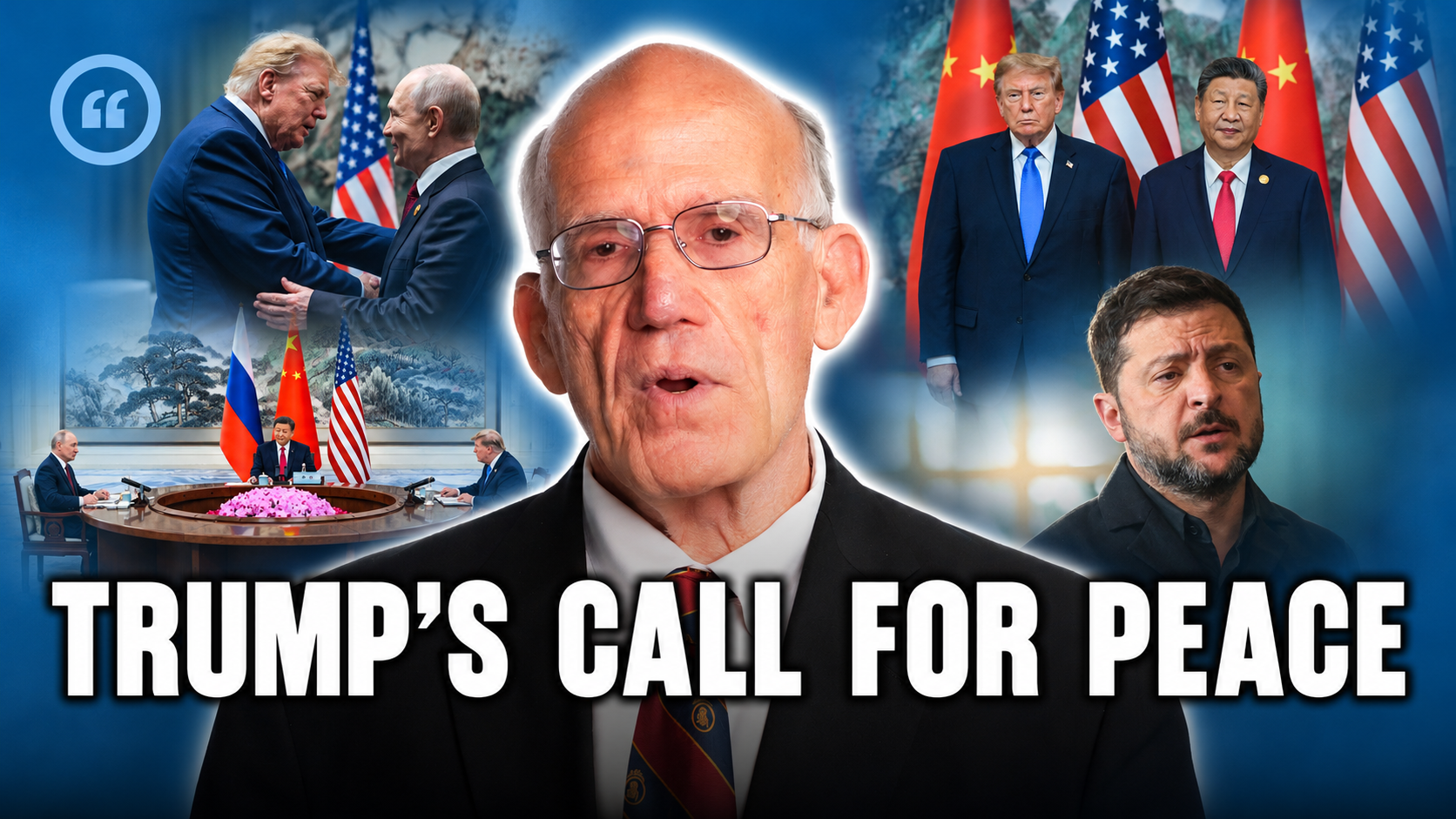
President Donald Trump's first ever trilateral summit with Vladimir Putin and Xi Jinping raises questions about the future of the war in Ukraine and whether a peace agreement could finally be within reach. Victor Davis Hanson and Sami Winc examine the summit on today’s edition of “Victor Davis Hanson: In His Own Words,” discussing Russia's declining influence, potential territorial concessions in Ukraine, and Europe's frustration over Trump's peace negotiations. Hanson criticizes Hillary Clinton's attacks on Trump's diplomacy; he also argues that European leaders have weakened their influence by neglecting defense spending and relying on American military protection. They discuss Elon Musk's shifting political allegiances, and Hanson warns that distancing himself from MAGA may not protect him from Democrat investigations. They also discuss the potential economic benefits of artificial intelligence and the challenges facing Hakeem Jeffries as Democrats prepare to take control of the Hou
Hey everybody, Tom Bilyeu here. On today’s episode of Impact Theory, we’re taking on a topic that’s got the whole world holding its breath: the escalating crisis between the United States and Iran. As tensions ratchet up, we’re asking the tough questions—how did we get stuck in this “escalation trap,” and what does it mean for America’s global leverage, our economy, and our very sense of security? The conversation focused on why the traditional idea of “strategy” might be failing policymakers, using powerful analogies—like chess versus roulette—to show how doubling down in conflict can spiral out of control. We’ll break down the risks of tactical “wins” that create even bigger crises, the real leverage Iran holds with control of the Strait of Hormuz, and the mounting pressure on President Trump as political support erodes and legacy hangs in the balance. A key theme that emerged is what happens when military might runs into decentralized opposition, and why high-stakes gambles—like the
In this month’s Q&A, Patrick and Tom ask how far Nato should go in responding to Russian provocations including whether drones should be shot down before they enter allied airspace. They also discuss whether the armed forces should rethink who is eligible to serve in an age of drones and cyber warfare, the relationship between veterans and the public, and whether Robert Pattinson is the right choice for Britain’s next James Bond. Send your questions to [email protected] Hosted on Acast.
Sides are being drawn in Australian cricket between who knew - or didn't know - about the use of sandpaper to tamper with the ball during the 2018 tour. Then-coach Darren Lehmann has again denied knowing about the plot. So, who else is saying they didn't know?
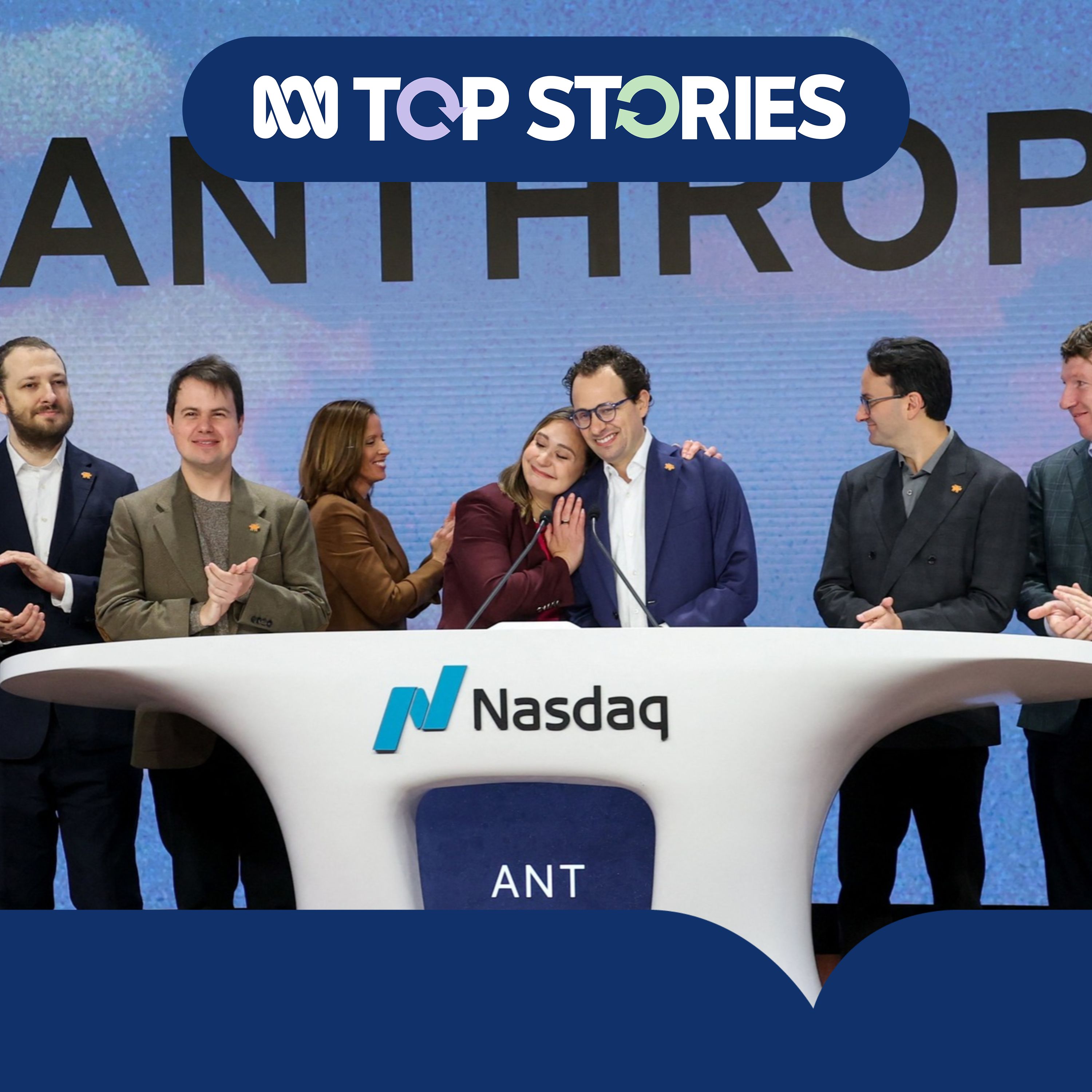
Anthropic, the company behind the Claude AI tools, has become the first purely AI frontier lab to list on Wall Street, at one point valued at more than $US2 trillion. The listing has generated more than $US80 billion for the company, which reported an operating loss of more than $US1 billion in the first nine months of 2026. With some suggesting an AI bubble is ready to burst and OpenAI reportedly planning to go public in 2027, can Anthropic justify its valuation?
The United States Treasury has placed sanctions on the Comanchero outlaw motorcycle gang and five individual members, in a move the Australian Federal Police says will hurt the gang. The AFP says the gang has been doing business with four Mexican drug cartels, including the Sinaloa cartel, and the sanctions are aimed at making that harder. But will the sanctions be enough to slow down the Comancheros?
Companies should provide a reasonable transition when ending support for a product.
Share your view, then see how readers voted. No sign-in required. This poll is shared across stories.
Do you agree or disagree?
Common Quandary
A Common Quandary to discuss
Another conversation to explore, separate from this news story.
Your anonymous review could cost a coworker a promotion. Do you sign your name?
A company requests anonymous feedback about a colleague being considered for promotion. You have serious concerns based on direct experience, but anonymity prevents them from asking questions or understanding the context of your criticism.
Does honest criticism require accepting personal accountability for it?