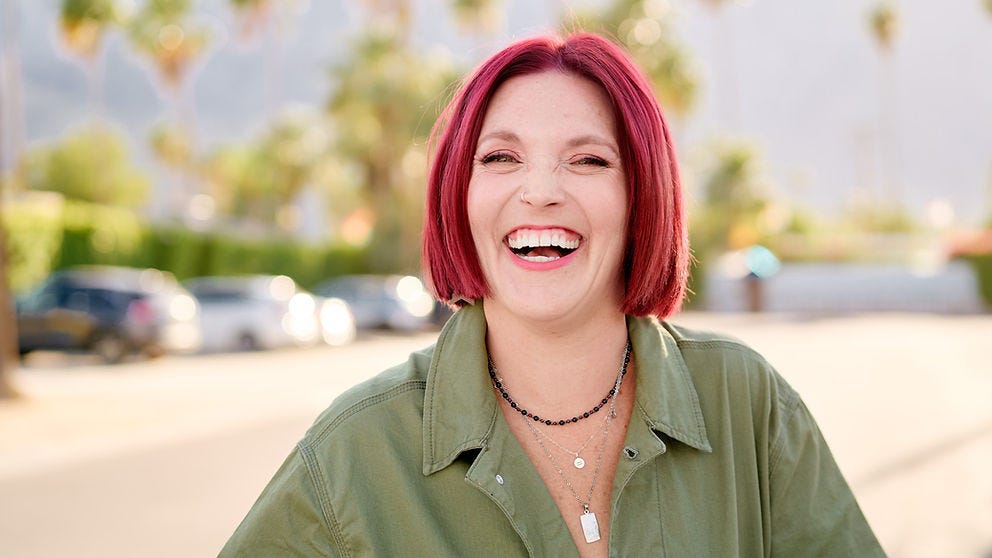
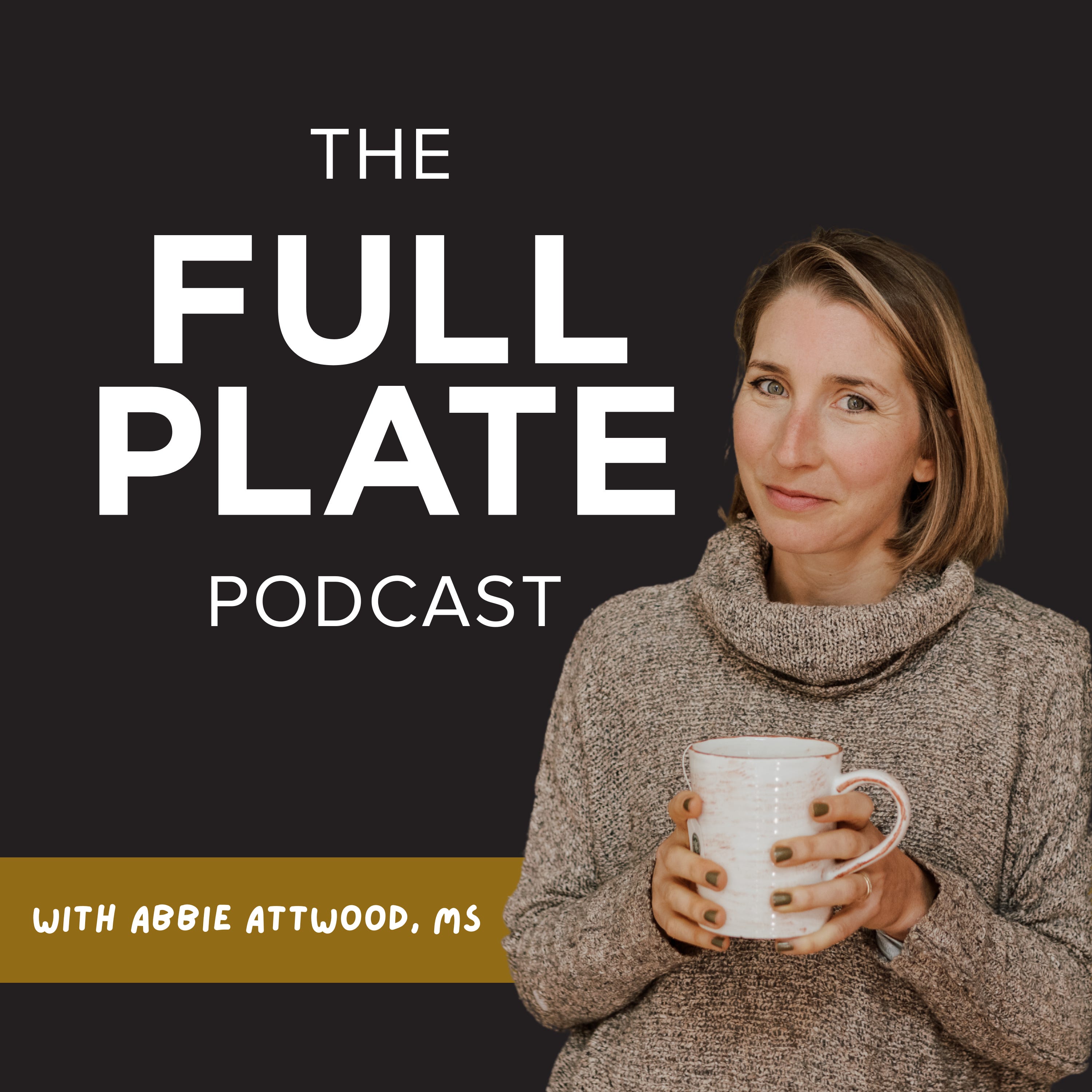
Is Diet Culture a Cult? Beauty, Patriarchy, and the Worship of Thinness with Paula Atkinson
63 min
Listen through the publisher, then discuss the episode here or arrange an in-person Roundtable. Your city determines where to meet.
Roundtables are designed for groups of four, with a shared subject and room for everyone to speak. Come for discussion, with no dating expectation.
Today’s episode is free for everyone. Full Plate is made possible by paid subscribers. To receive bonus posts and support the pod, consider upgrading to paid. It really means the world, so, thank you! Paula Atkinson is a psychotherapist and Licensed Independent Clinical Social Worker who has spent decades working with people around trauma, disordered eating, body image, internalized weight stigma, anxiety, grief, and relationships. For ten years, she was also a professor of Weight & Society at George Washington University, where she taught about our culture’s obsession with thinness, the history and politics of body ideals, and the oppression of larger bodies. Listen for more on: Paula’s experience growing up in a fat body, developing an eating disorder, and discovering how differently people treated her when her body became smaller Why Paula thinks of thinness as a cult, and what makes its promises so difficult to walk away from The relationship between beauty, patriarchy, white supremacy, and the policing of bodies How attractiveness became tied to women’s survival, and why beauty standards shift alongside social and political power Thinness as a moral hierarchy, and the promises of purity, superiority, and belonging GLP-1s, starvation, and the normalization of suppressing our bodies’ most basic needs Why understanding body hatred as a systemic issue can change the way we approach recovery The grief of letting go of the promises attached to thinness, even when we know they aren't real What to do when you know the body hierarchy is b******t but still struggle with your own body (hint: seething feminist rage) Find more about Paula here (https://www.pauladatkinson.com/). Follow her on Instagram here (https://www.instagram.com/pauladatkinson/). And if you’re not following Full Plate on Instagram, make sure to do that here (https://www.instagram.com/fullplate.podcast/)! Social media: This is a public episode. If you'd like to discuss this with other subscribers or get access to bonus episodes, visit abbieattwoodwellness.substack.com/subscribe (https://abbieattwoodwellness.substack.com/subscribe)
Episode information is provided by the publisher. Listening takes place on the publisher’s service.
Is your body weight stable, but you're still not eating enough to properly fuel your training, recovery, and overall health? Introducing Why Stable Weight Doesn't Always Mean You're Eating Enough from Jeff Hoehn of the Mind Muscle Connection Podcast (https://www.buzzsprout.com/1508401). Just because your weight isn't changing doesn't necessarily mean you're adequately fueled. In this episode, Jeff breaks down why maintaining a stable body weight doesn't always mean you're meeting your body's energy needs, especially if you're training hard, staying lean, or spending long periods dieting. You'll learn: Why stable body weight doesn't automatically mean adequate energy availability Who is most at risk of underfueling, even when their weight isn't changing How high training output, staying too lean, and chronic dieting can contribute to low energy availability The potential signs of underfueling, including changes in performance, recovery, hormones, and menstrual health Why spending too lo
Today, I’m honored to connect with Dr. Troy Badger. He is a board-certified cardiologist and interventionalist and the founder of Cardiostrong, a concierge preventive cardiology clinic in Provo, Utah, focused on reducing cardiovascular risk, optimizing metabolic health, and improving strength and cardiorespiratory fitness for executives and athletes. In today’s conversation, we discuss Dr. Badger’s gender- and age-specific approach to heart health, including treatment differences for men and women, and diagnoses such as INOCA, SCAD, vasospastic disease, and Takotsubo. We examine emotions and their influence on heart health, coronary ischemia and cardiomyopathies, labs and diagnostics, how Dr. Badger assesses risk in his patients, and the differences between a CAC and a CCTA. Dr. Badger also shares the labs he finds essential for all patients and discusses the role of VO2 Max, cardiovascular training, and lifestyle—specifically nutrition, the use of GLP-1 drugs, and a multidisciplinary
In this meditation, I invite you to reflect on the changing light of autumn as we move towards the darker days of winter. As the daylight hours grow shorter, we can sometimes feel that we are losing something. Yet the contemplative life invites us to receive each season as it is, discovering beauty and sacredness in the present moment. Beginning with the breath, we explore the difference between the changing light around us and the unchanging light of divine presence within. From the gentle light of morning to the lamps that illuminate our evenings, every expression of light becomes an invitation to awareness. As we breathe, we allow ourselves to be filled with divine light, offering compassion, peace and prayer to those in need. Chapters: 00:00 – Introduction: Autumn light 01:10 – Entering meditation with intention 01:58 – Relaxing the body and following the breath 02:48 – Returning to the present moment 03:12 – Becoming aware of the light within 03:40 – The gift of divine light 04:10
If you're training hard but feeling wiped, eating a restricted diet for your gut, or just never hungry after a tough workout, you might not be getting the protein you need. This episode breaks down how much you really need and how to get it without upsetting your gut. YOU'LL TAKEAWAY: Macronutrients and calories 101, and how restrictive diets throw off your balance How your body digests protein, and why it matters before workouts The many roles of protein, from enzymes and iron storage to post-workout appetite How much protein you need, plus 3 easy low FODMAP ways to boost it — RESOURCES & LINKS MENTIONED: ⤵️ Want high touch coaching support for IBS & fuelling performance? Apply for coaching. (http://gutfitnutrition.com/apply) Free Training: How to Control IBS So You Can Fuel Your Training Without a Lifelong Low FODMAP Diet (https://gutfitnutrition.com/heal-ibs-training-live) Supporting your immune system when you're sick (Ep. 70) (https://open.spotify.com/episode/5bCto0jWLcbC5hQW4hrH6
Today’s guest is David Ludwig, MD, PhD, an endocrinologist, pediatrician, and international thought leader in obesity medicine and metabolic health. He’s also a treasured mentor of mine from my time at Harvard Medical School. In this episode, we discuss his new paper in the New England Journal of Medicine on ultra-processed foods and why “simple” is the enemy of metabolic health. We explore the science of nutrition, weight loss, and food quality, challenging conventional wisdom about diet and metabolism. If you’re courageous enough to listen all the way through, this conversation will expand your perspective, change the way you think about food, and inspire a healthier relationship with eating. New England Journal of Medicine Article: https://www.nejm.org/doi/full/10.1056/NEJMp2508694 David Ludwig MD PhD’s Medium Blog (No Paywall): https://davidludwigmd.medium.com/ultra-processed-food-retold-by-hc-andersen-7a3d2ae60f39 Chapters 0:00 – Meet Harvard Endocrinologist David Ludwig MD PhD 1:
Does your relationship feel like home, or does it feel like standing on the edge of something you might lose? In Part 3 of our Relationship Anxiety series, clinical hypnotherapist and former paramedic Martin Hewlett guides you through the process of teaching your nervous system that love doesn't have to hurt to be real. We explore the physical manifestations of anxiety—the tight chest, the 2:00 AM racing mind, and the "stomach drop" when a text takes too long—and provide the tools to "turn down the alarm" of your internal survival response. If you are ready to stop "cherry-picking" evidence of disaster and start building a foundation of trust, this session is for you. In This Episode, We Cover: The Science of Safety: Understanding how your nervous system confuses love with danger. Guided Visualization: A journey into your own "safe room" where you are already enough. Rewiring the Brain: Moving from worst-case disaster reels to the reality of small, daily kindnesses. Breaking the Cycle:
This is a free preview of a paid episode. To hear more, visit abbieattwoodwellness.substack.com (https://abbieattwoodwellness.substack.com/) This is a bonus episode for our paid subscribers! To listen, you can upgrade to paid right here (https://abbieattwoodwellness.substack.com/subscribe). Or go to https://abbieattwoodwellness.substack.com/subscribe Based on something I saw recently on social media, I'm unpacking the culture of macro tracking, protein goals, the difference between physical and psychological restriction, and why eating a variety of foods doesn't necessarily mean we have freedom in our relationship with food. I'm also sharing my own experience with macro tracking a few years into recovery from disordered eating, when I turned to counting macros during a difficult period of chronic illness because I wanted to make sure I was "eating enough." But some sneaky old thoughts and patterns started taking hold. In this episode, we explore: * Why macro tracking has earned a reput
We live in a culture where some of the warning signs of an eating disorder are the very behaviors we’re taught to celebrate. So how do we recognize when someone is struggling, especially when their behaviors look like what we’ve been told is “healthy”? And how can we support the people we love when we don’t always understand what they’re going through? Today I’m joined by Alli Spotts-De Lazzer for a conversation about what eating disorders actually feel like, why they’re so often misunderstood, and what it means to offer meaningful support. This conversation is for anyone who has struggled with an eating disorder, loved someone who has, or wants to better understand the complicated relationship between food, fear, and recovery. In this episode, we talk about: * Why eating disorders can be so difficult to recognize, especially when disordered behaviors are praised as “healthy.” * What living with an eating disorder actually feels like, including a powerful exercise Alli walks me through
Public projects should publish comparisons of promised and actual outcomes.
Share your view, then see how readers voted. No sign-in required. This poll is shared across stories.
Do you agree or disagree?
Common Quandary
A Common Quandary to discuss
Another conversation to explore, separate from this news story.
You match with a friend's ex from ten years ago. Do you need permission to go out?
A dating app matches you with someone your close friend dated seriously a decade ago. Both are now single and rarely speak, but the breakup was painful at the time. The match asks you to keep the first date private.
Do old relationships create lasting claims over a friend's future choices?