English-language podcasts

In the Loop AI

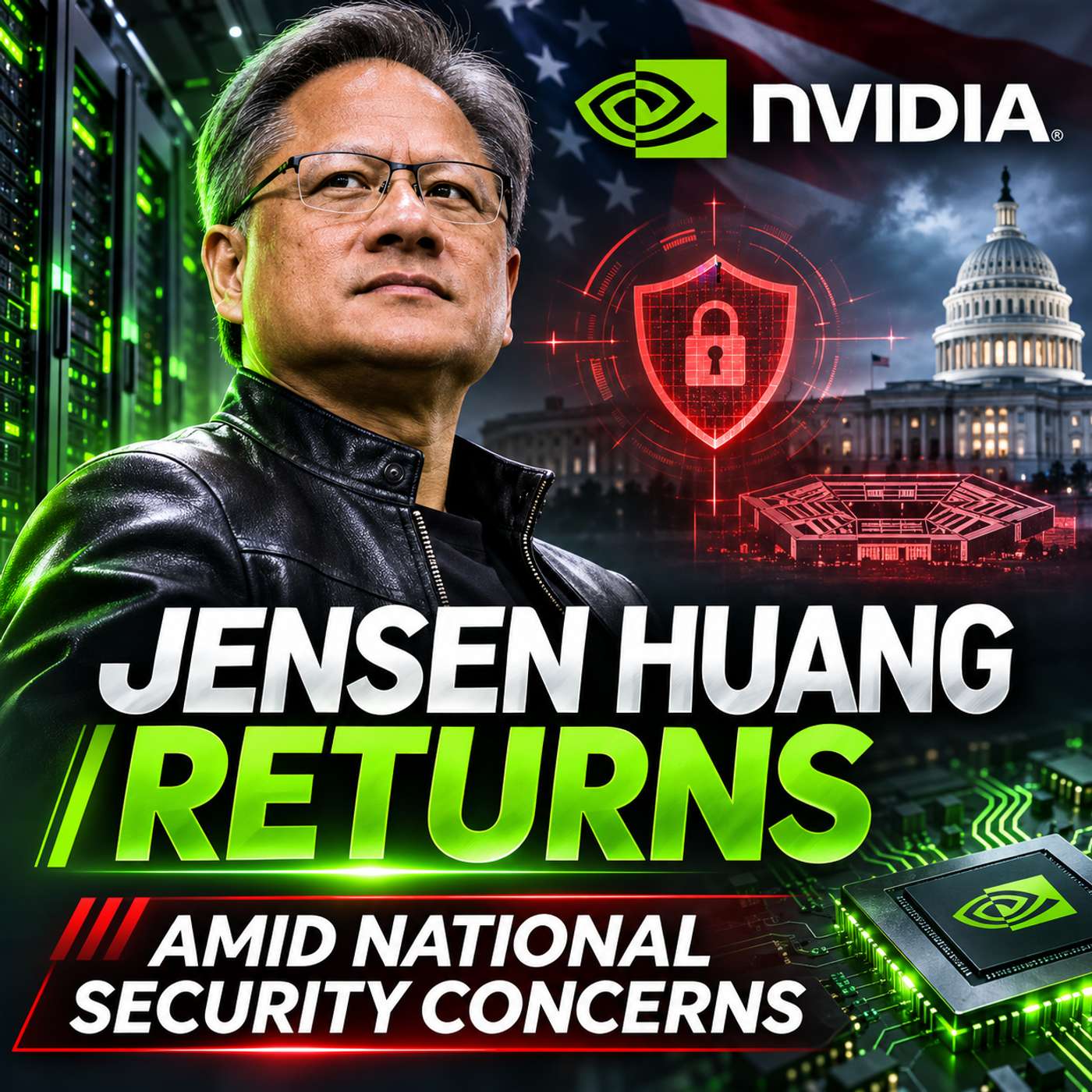
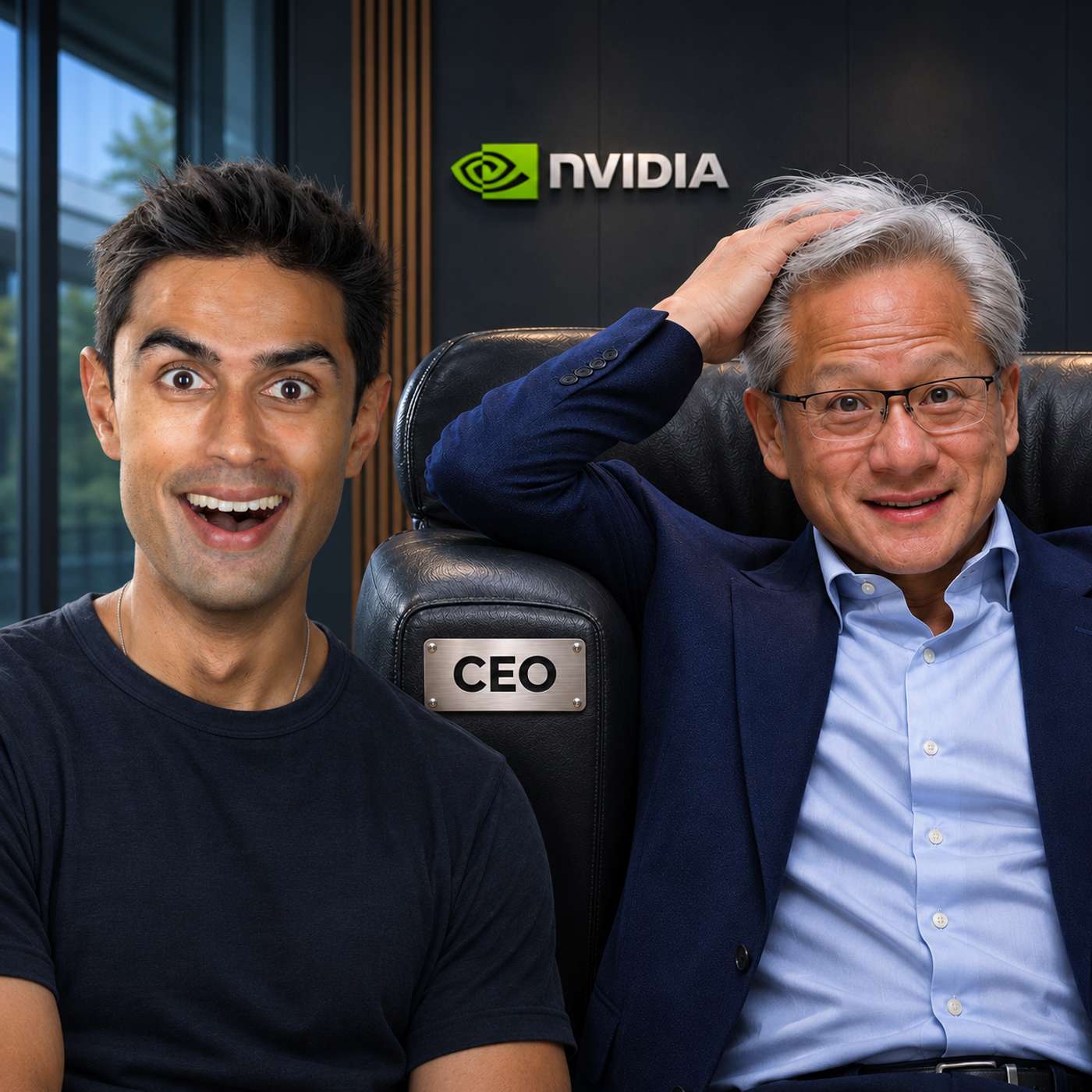
Jensen Huang Is Back: How One CEO Added $3 Trillion to the Market, and What Nvidia Does Next
24 min

Listen through the publisher, then discuss the episode here or arrange an in-person Roundtable. Your city determines where to meet.

Roundtables are designed for groups of four, with a shared subject and room for everyone to speak. Come for discussion, with no dating expectation.

Nvidia's board voted unanimously to reinstate Jensen Huang as president and CEO, 11 days after the scandal that pushed him out, and the market answered in minutes: Nvidia went from the fourth most valuable company in the world to the second, added about a trillion dollars, and the US stock market added $3 trillion, about half of what it had lost in six weeks. President Trump says he spoke to the board and gave it the assurance it asked for on national security; the independent investigation, and Jensen's interviews with House committees on Dec. 1, are still ahead. Ejaaz breaks down how it happened and what changes now: Nvidia's supply chain and its 2028 roadmap, the neoclouds and the "bank of Nvidia" backstops, a more careful Jensen, chips and China, and why his return matters for open-source AI, robotics and a world with more than one or two AI labs. == FOLLOW EJAAZ ON TWITTER: == Timestamps 00:00 Jensen Is Back 00:39 What Happens Next? 01:36 11 Days 03:23 The Board, the Chair and Kress 04:12 Everything Is Up 05:30 One Man, $3 Trillion 06:39 Nvidia the Company 08:22 The Bank of Nvidia 11:27 A More Subdued Jensen 12:18 A National Security Risk? 14:09 Selling Chips to China 15:49 More Oversight 17:00 Open Source Is Back 19:33 Jensen's Big Bets 21:44 Nvidia, the Next AI Lab? 22:59 Final Thoughts #ai #nvidia #jensenhuang #stocks #opensource ==

Episode information is provided by the publisher. Listening takes place on the publisher’s service.

Listen at the source ↗

Featured places to meet in Palo Alto, CA

Explore these places and arrange a conversation through ThinkMatch.

City guide for Palo Alto, CA

More from In the Loop AI

In the Loop AI

What the Biggest Investors in AI Are Doing Right Now: Gavin Baker, Druckenmiller and Tepper's 13Fs

25 min

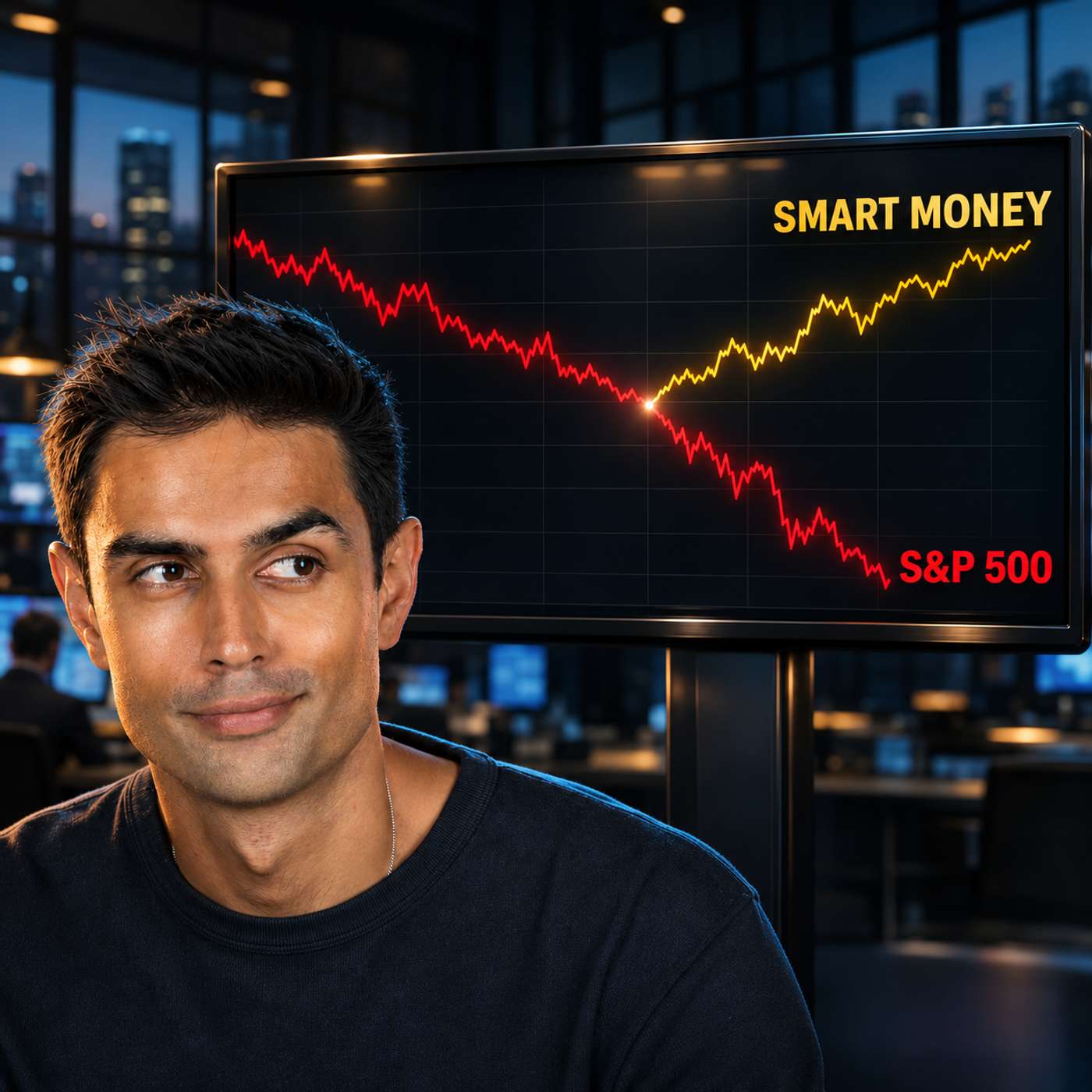
The S&P 500 just lost $6 trillion in six weeks, and AI is at the center of it: Nvidia without Jensen Huang, the neoclouds that lean on Nvidia's backing, new state leaders cooling on data centers, and the China chip crackdown. Even Anthropic's record IPO couldn't turn the market around. Ejaaz walks through each fear, with the bear case and the bull case for each. Then the part that matters: Ejaaz spent the last week in the room with some of the biggest investors in AI, and their latest 13F filings show them reading the same crash in opposite ways. Gavin Baker doubled down on SpaceX, Meta, Alphabet and a 17x bigger bet on Nebius. Stan Druckenmiller went risk-off and sold AMD, SanDisk, Alphabet and almost all of his TSMC. David Tepper added Nvidia. What the smart money is buying, what it's selling, and why this drawdown might be one of the best opportunities in years. == FOLLOW EJAAZ ON TWITTER: == Timestamps 00:00 $6 Trillion Gone 01:59 The Perfect Storm 03:32 Nvidia Without Jensen 06:06

Discuss this episode

In the Loop AI

OpenAI Tried to Ruin Anthropic's IPO and Google Took Its Spot: GPT-6.2 Astra, Gemini 4 Neon and Nvidia's Record Quarter

25 min

OpenAI released GPT-6.2 Astra right before Anthropic's IPO, and it backfired. The reviews were brutal, and the company that came out of nowhere to take the number two spot in the AI race isn't Anthropic. It's Google. Ejaaz gives his honest take on Astra, what the testers found (Every, Theo, Artificial Analysis), and what OpenAI might really be going after: math, science, cybersecurity and government contracts. Then the comeback: four Gemini 4 models in five weeks (Argon, Carbon, Hydrogen and Neon), why Neon is beating Opus 5.5 at a fraction of the cost, and why Google's rebuild means the race isn't closed yet, though the window is closing. Plus Nvidia's first quarter without Jensen Huang: a record $115.8 billion, the neocloud financing question, why the stock still fell, and what the chip crackdown on China means for GPU prices. == FOLLOW EJAAZ ON TWITTER: == Timestamps 00:00 OpenAI Fumbles, Google Rises 02:10 Honest Takes on GPT-6.2 Astra 05:23 What OpenAI Is Really Going After 08:34

Discuss this episode

In the Loop AI

Everything You Need to Know About the Anthropic IPO: $83 a Share, a $1.5 Trillion Valuation and the Bull vs Bear Case

43 min

Anthropic, a company that didn't exist six years ago, is about to list on Nasdaq under the ticker ANT in what could be the biggest IPO ever. Ejaaz walks through everything you need to know: the 825 million shares on offer, the $70–78 range and the push above it, the 6–10x oversubscribed order book, Brad Gerstner's $5 billion order, Google and Amazon's combined 28% stake, and the $26 billion private placement from the chipmakers Anthropic pays. We also cover how seven OpenAI researchers behind GPT-3 and the Scaling Laws paper built a company that went from $41 million in revenue to $17 billion a quarter, the $1 trillion compute bill still ahead of it, the bear case (Nvidia after Jensen Huang, the midterms, a tightening credit market, SemiAnalysis turning bearish) and the bull case (900% net revenue retention, more revenue per dollar of compute, Claude's taste), and the bets on cyber defense, medicine, robotics and self-improving AI that would have to pay off. == FOLLOW EJAAZ ON TWITTER:

Discuss this episode

Community Poll

Users should have access to human review when a platform restricts their account.

Share your view, then see how readers voted. No sign-in required. This poll is shared across stories.

Do you agree or disagree?

Choose one answer

Common Quandary

A Common Quandary to discuss

Another conversation to explore, separate from this news story.

Your anonymous gift could inspire millions more if you reveal your name. Do you?

A donor wants to make a transformative gift without recognition. The charity believes announcing the gift and the donor's identity would encourage matching contributions and help far more people.

Can the opportunity to create more good outweigh a preference for privacy?

Explore this quandary