John the Baptist Rejected the Spotlight - John 1:19–34 and John 3:22–30
5 min
Listen through the publisher, then discuss the episode here or arrange an in-person Roundtable. Your city determines where to meet.
Roundtables are designed for groups of four, with a shared subject and room for everyone to speak. Come for discussion, with no dating expectation.
You can be influential without needing to be the centre of attention. His life challenges us to stop measuring our success by popularity, recognition, and how many people are watching us John the Baptist had a significant following, attracted crowds, and became a recognised spiritual voice. Yet when religious leaders questioned him about his identity, he refused to claim a title that did not belong to him. He understood that his assignment was not to draw attention to himself but to prepare people for Jesus. Every contribution counts. Thank you for being part of our journey!
Episode information is provided by the publisher. Listening takes place on the publisher’s service.
In today's episode, Jordan sits down with Shaolin Master Shi Heng Yi and world-renowned spiritual leader Sadhguru for an extraordinary conversation about self-mastery, spirituality, Shaolin philosophy, meditation, consciousness, and the pursuit of inner peace. Bringing together the ancient wisdom of Shaolin teachings and yogic philosophy, Shi Heng Yi and Sadhguru explore what it truly means to master the mind, overcome suffering, and unlock human potential. They examine the relationship between discipline and spiritual growth, the differences between a master and a guru, and why developing awareness may be more important than pursuing external success. The conversation explores the origins of Shaolin martial arts, the influence of Bodhidharma, and the connections between Buddhism, Zen meditation, and yoga. Shi Heng Yi reflects on his personal journey from physical mastery towards a deeper understanding of consciousness, while Sadhguru explains how our thoughts, emotions, and attachment
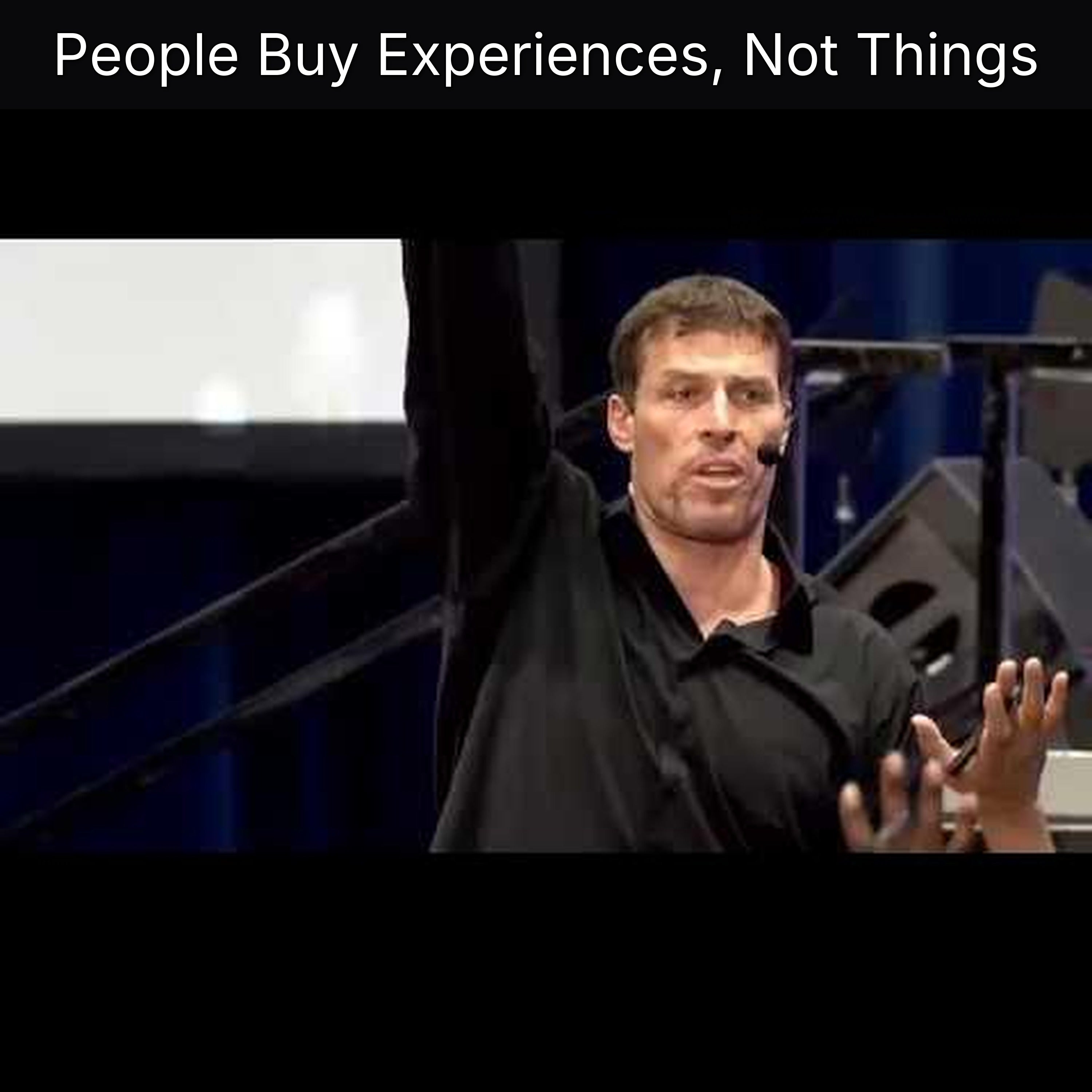
HOW EMOTIONS INFLUENCE PURCHASING DECISIONS What kind of car do you own? What kind of purse do you carry? What is your favorite brand of clothing? Why? While product quality and seller reputation matter, the reason we make a purchase goes far beyond the fundamentals. It goes far beyond rational thought. It goes into the subconscious. In fact, research by the Nielsen Company shows that roughly 90% of purchasing decisions are made subconsciously. And further studies have revealed that while our brains process 11 million bits of sensory information every second, our conscious minds can only handle less than 100 per second. So how does our subconscious determine our decisions? It comes down to our needs and emotions. Each and every one of us is unique, but we also share six fundamental needs — certainty, significance, variety, love and connection, growth, contribution — that determine how we feel about ourselves, how we feel about others, and how we experience life. And all behavior, inclu
BONUS MONDAYS: Today on the show, we are thrilled to once again dive into the fascinating world of psychic and medical intuitive, Julie Ryan. A true luminary in her field, Julie's journey from a young Southern native discovering her innate psychic abilities to becoming a beacon of healing and guidance has captivated audiences worldwide. Throughout her remarkable career spanning decades, Julie has touched countless lives with her unique gifts. From her early days of apprehension to embracing and honing her talents, Julie has dedicated herself to assisting others in understanding their health issues and finding paths to holistic well-being. Her ability to tap into the intricate web of energy fields and connect with spiritual guidance has led to transformative insights for her clients, earning her widespread acclaim and recognition. With appearances on television, radio, and as a sought-after speaker, Julie's influence extends far beyond her consultations. Her commitment to sharing her kn
Trace the rise and fall of the powdered wig fashion craze, from King Louis XIII to the French Revolution in the 18th century. -- Wigs date at least as far back as ancient Egypt, where well-regarded hairdressers crafted them into intricate styles. And under certain ancient Roman dynasties, women’s wigs became particularly ornate. Yet it wasn’t until Louis XIII unveiled a magnificent mane in the 17th century that big wigs truly began booming. Stephanie Honchell Smith details the rise and fall of the bewigged fashion craze. Lesson by Stephanie Honchell Smith, directed by Patrick Smith. Support Our Non-Profit Mission ---------------------------------------------- Support us on Patreon: http://bit.ly/TEDEdPatreon Check out our merch: http://bit.ly/TEDEDShop ---------------------------------------------- Connect With Us ---------------------------------------------- Sign up for our newsletter: http://bit.ly/TEDEdNewsletter Find us on Twitter: http://bit.ly/TEDEdTwitter Peep us on Instagram:
Trent and Peaches are tired of watching people celebrate minimum standards like they are excellence. The episode starts with Trent declaring Rudy the worst sports movie ever and immediately turns into a broader conversation about how organizations, teams, and candidates spend enormous amounts of energy supporting the bottom performers while sometimes failing to recognize the people who are actually crushing it. Their argument is not that struggling people deserve no support — it is that finishing last, barely passing, or simply meeting the minimum should not automatically be treated like an exceptional performance. They use athletes like Michael Jordan, Kobe Bryant, and other elite performers to make the point that talent does not eliminate work. Then the conversation comes back to Air Force Special Warfare preparation. Candidates claim they do not have time to train while sometimes putting in only a few hours each week for a pipeline they say is their biggest goal. Trent and Peaches e
"Close Your Eyes and Go, or Stay" Common near death experiences involve a tunnel, a light, and a reunion with loved ones. Eden Koz's NDE is different, and she believes it had to be. _______________________ Ski season's here. Gear up now, the way the locals do. _______________________ Imagine suddenly being hit by a skull-splitting headache and a scan showing three brain masses and one in her lung, believed to be stage four cancer. Then, after the first of two craniotomies, she woke alone in the ICU at 1 a.m. to the sounds of heaven and hell outside her door, felt a gentle pressure settle over her, and heard a voice she knew as God offer her a choice: close her eyes and go to a beautiful heaven, knowing her daughters would be okay, or stay, endure a hard human life, and learn far more. That NDE experience wasn't a dramatic out-of-body journey, and Eden argues it couldn't be, since a glimpse of heaven would have made the choice too easy. She chose to stay, and the cost was steep: two yea
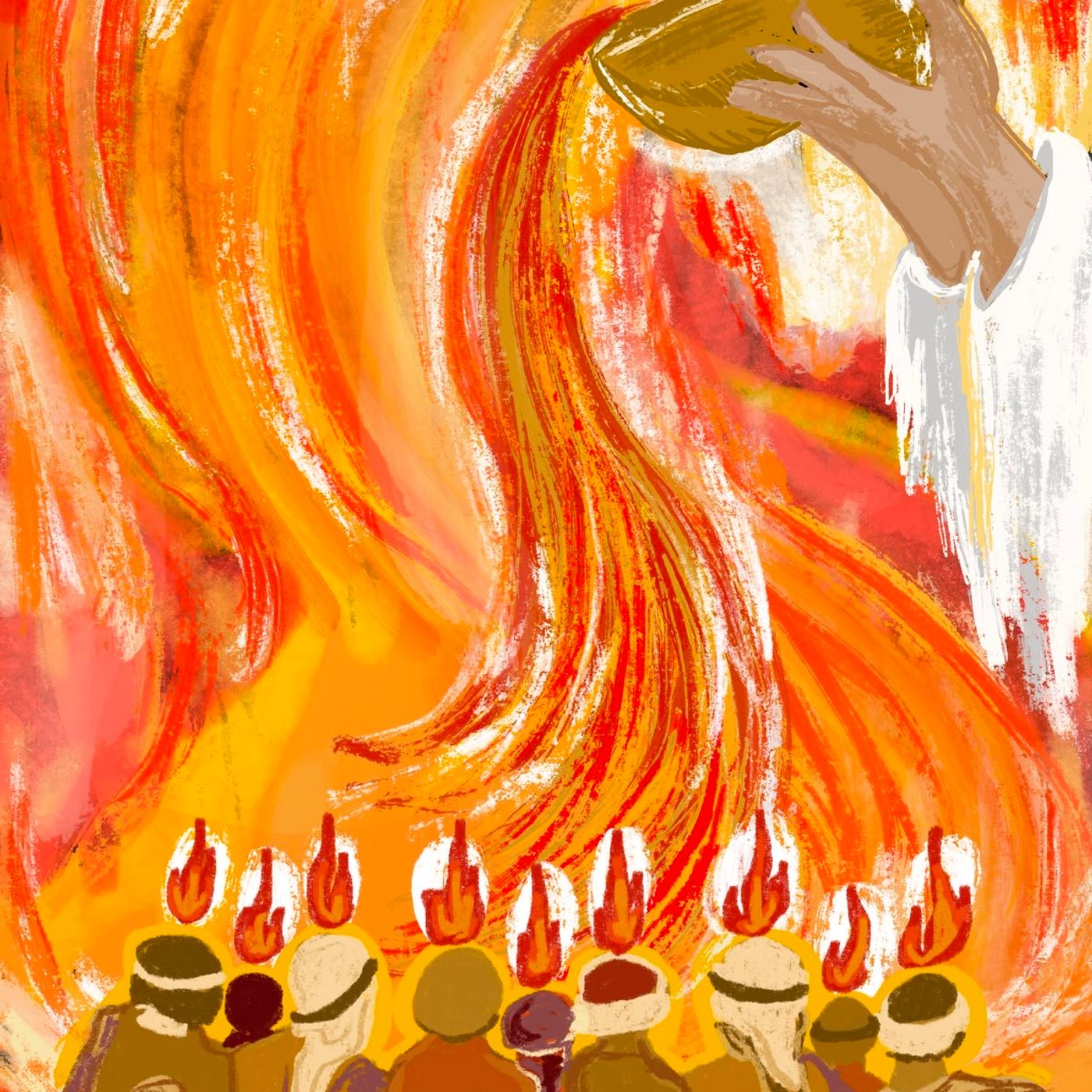
After Jesus ascended into heaven, He instructed His disciples to remain in Jerusalem and wait for the promise of the Father: the Holy Spirit. On the day of Pentecost, while the believers were gathered together in one place, a sound like a mighty rushing wind suddenly filled the house. Something resembling tongues of fire appeared and rested on each of them, and they were filled with the Holy Spirit, beginning to speak in other languages as the Spirit enabled them. Every contribution counts. Thank you for being part of our journey!
After being baptised, Jesus was led by the Spirit into the wilderness, where He fasted for forty days and forty nights. At the end of this period, the devil approached Him with three temptations: turning stones into bread to satisfy His hunger, throwing Himself from the temple to test God's protection, and worshipping Satan in exchange for the kingdoms of the world. Jesus did not overcome temptation through shortcuts but through obedience, spiritual discipline, and confidence in God's Word. Every contribution counts. Thank you for being part of our journey!
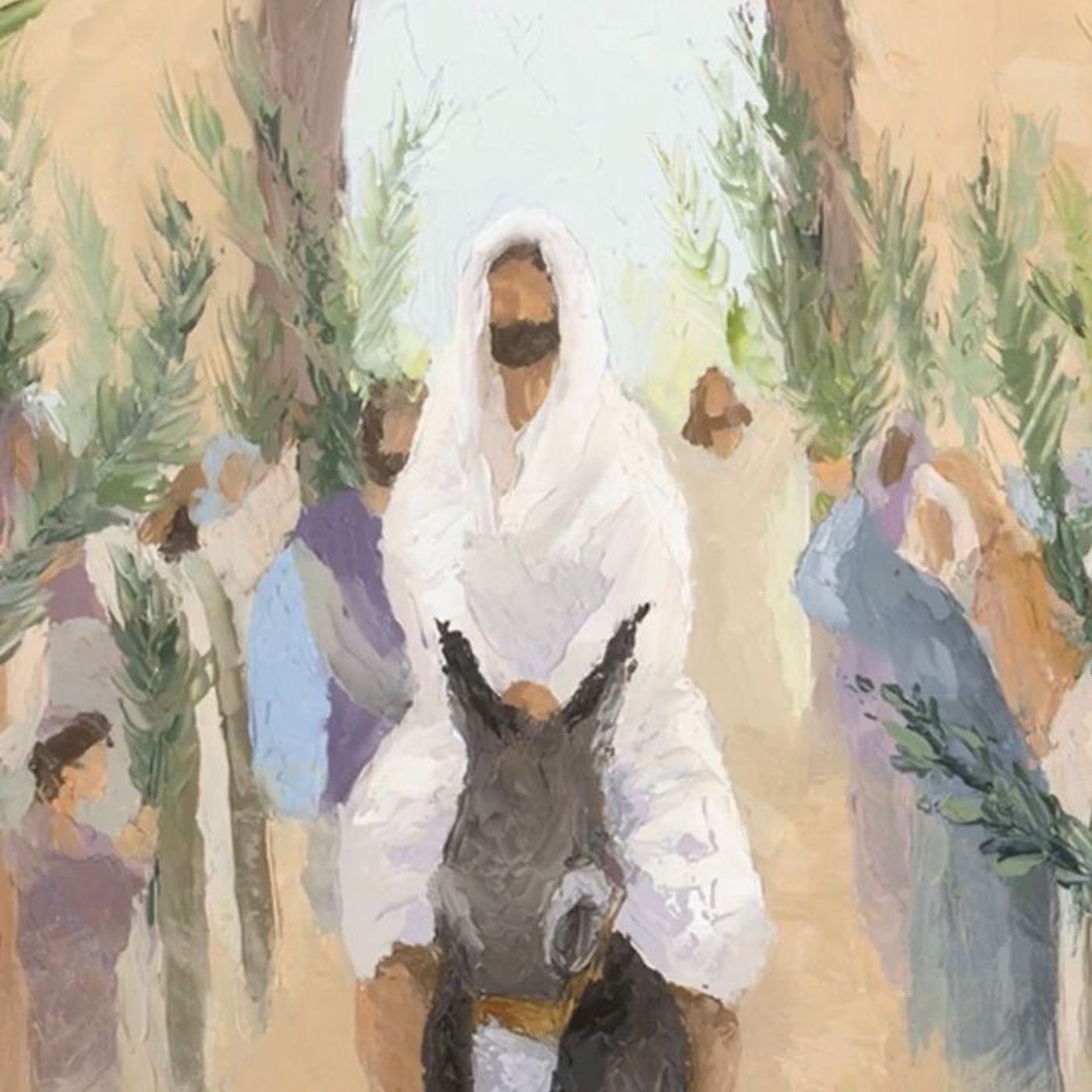
Matthew 21:1–11; Luke 19:28–40; Zechariah 9:9 He came riding on a donkey, fulfilling the prophecy in Zechariah 9:9 about a humble King arriving on a donkey's colt. The scene reveals a contrast between human expectations of power and the kind of kingdom Jesus came to establish. He instructed two of His disciples to find a donkey and its colt and bring them to Him. He then rode into the city as crowds spread their garments and branches along the road, shouting, "Hosanna to the Son of David!" Their actions reflected the expectations of people who believed the promised King was arriving. Every contribution counts. Thank you for being part of our journey!
Organizations should collect less personal information rather than simply promise stronger security.
Share your view, then see how readers voted. No sign-in required. This poll is shared across stories.
Do you agree or disagree?
Common Quandary
A Common Quandary to discuss
Another conversation to explore, separate from this news story.
You match with a friend's ex from ten years ago. Do you need permission to go out?
A dating app matches you with someone your close friend dated seriously a decade ago. Both are now single and rarely speak, but the breakup was painful at the time. The match asks you to keep the first date private.
Do old relationships create lasting claims over a friend's future choices?