Listen through the publisher, then discuss the episode here or arrange an in-person Roundtable. Your city determines where to meet.
Roundtables are designed for groups of four, with a shared subject and room for everyone to speak. Come for discussion, with no dating expectation.
This is the story of K.C. Irving, the man who refused to be stopped. When a railway raised his shipping costs, he bought a ship. When oil suppliers tried to squeeze him, he built a refinery. Whenever someone told him no, he found a way. From his father’s general store in a small New Brunswick town, he built an empire of roughly 300 companies. How do you beat competitors with more money, more people, and a head start? You’ll see how he won customers the big companies ignored, why he kept expanding during the Great Depression, and why a man who owned ships and a refinery still cared about clean bathrooms and one customer’s cold house. Shane Parrish tells the story of how Irving built his businesses and what it took to keep them in his hands. But the bigger he got, the bigger the fights became. He spent his life making sure no one could push him around. Eventually he got so big governments wanted to rein him in. ----- Chapters: (00:00) Introduction (02:06) Thrown Out of Town at Fourteen (07:18) How a Caterpillar Almost Destroyed Everything (10:22) The Hole in Front of the Store (15:27) The Great Gasoline War (21:34) The Year Ford Nearly Ruined Him (25:21) The Question He Asked for Sixty Years (27:26) How He Scaled Up During the Depression (36:21) The Insult That Pushed Him Into Politics (41:24) The Operational Secret to Unmatched Control (49:42) How K.C. Taught His Sons Business (53:43) Don't Argue with Your Coat On (59:25) Why Winning 96% Wasn't Good Enough (1:08:48) The Four-Word Answer That Shocked BP (1:30:46) The One Project He Couldn't Control (1:35:36) The Man Who Owned Every Newspaper (1:39:41) Mr. Irving Goes to Ottawa (1:45:32) Too Expensive to Die in Canada (1:50:16) The Verdict (1:58:18) Epilogue ------ Newsletter: The Brain Food newsletter delivers actionable insights and thoughtful ideas every Sunday. It takes 5 minutes to read, and it’s completely free. Learn more and sign up at fs.blog/newsletter (https://fs.blog/newsletter/) ------ Follow Shane Parrish: X: https://x.com/shaneparrish Insta: https://www.instagram.com/farnamstreet/ (https://cms.megaphone.fm/organizations/0952fb44-cf49-11ef-b8d1-b3d0eb63a3e5/podcasts/9c0d00ea-df1d-11ef-9477-2b8336fcd8e9/episodes/14f2f220-0089-11f1-bf31-33a5591c2bb0) LinkedIn: https://www.linkedin.com/in/shane-parrish-050a2183/ ------ Thank you to the sponsors for this episode: + See how Stripe can power what’s next for your business at stripe.com (https://stripe.com/)
Episode information is provided by the publisher. Listening takes place on the publisher’s service.
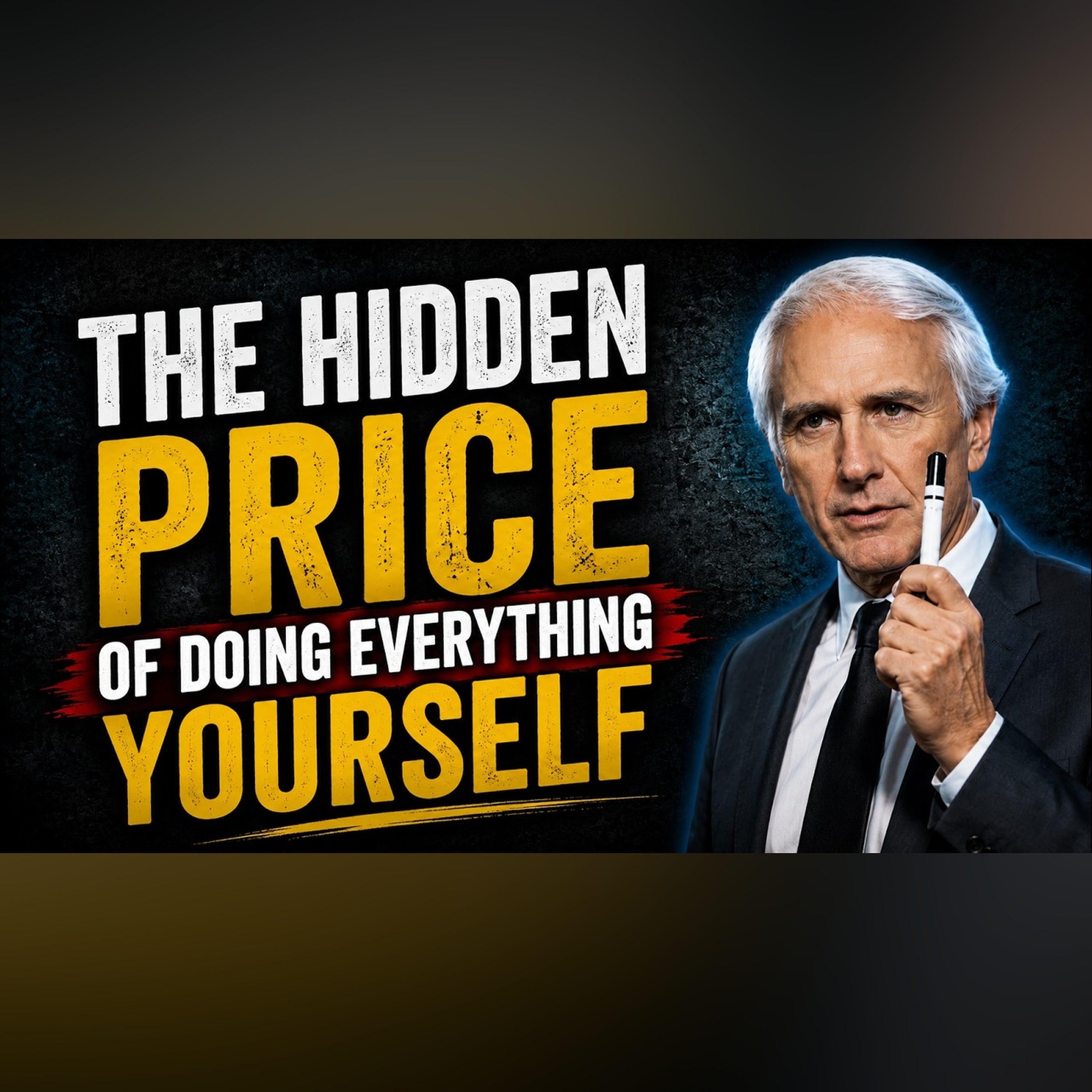
I've watched a lot of capable people over the years. People with more talent than they knew what to do with, more drive than most, a willingness to work that would put others to shame. And a strange thing kept happening. The most capable ones, the ones who could do anything, kept ending up buried under everything. Not because they lacked ability. Because they refused to let go of any of it. Uploaded 16-08-26 They told themselves this was strength. But it wasn't only strength. It was also a kind of quiet, slow-motion collapse — and the tragedy is that it looked like the opposite. It looked like competence. It looked like a person holding everything together. And that's exactly why it's so dangerous. Here is the truth: the habit of doing everything yourself is one of the most expensive habits a person can have, and almost nobody counts the cost, because the bill doesn't arrive all at once. It arrives in small quiet installments over years. This seminar walks through four things you must
Project Synapse: Markets in Freefall, Fragile Infrastructure, and AI's Perfect Storm The hosts banter through the show's intro before focusing on a sense that "things are out of control," citing a WallStreetBets suicide-hotline post amid a market crash and discussing cascading system failures involving Microsoft, the FAA, and a reported NSA internal communications outage. They argue politicians and leadership lack technical competence and clear messaging, increasing panic, while emphasizing that many problems stem from aging, underfunded infrastructure and complex, brittle software (PHP, NGINX, Java), not proven AI attacks—more a "perfect storm" of crises. They debate whether AI should help fix complexity, stressing critical thinking, accountability, and using multiple AIs to verify each other. In a lightning round they cover Anthropic's IPO performance, mixed reactions and token limits with ChatGPT 6.2 (favoring "Sol" over "Astra"), Google's cheaper Neon model and confusing UX, Loblaw
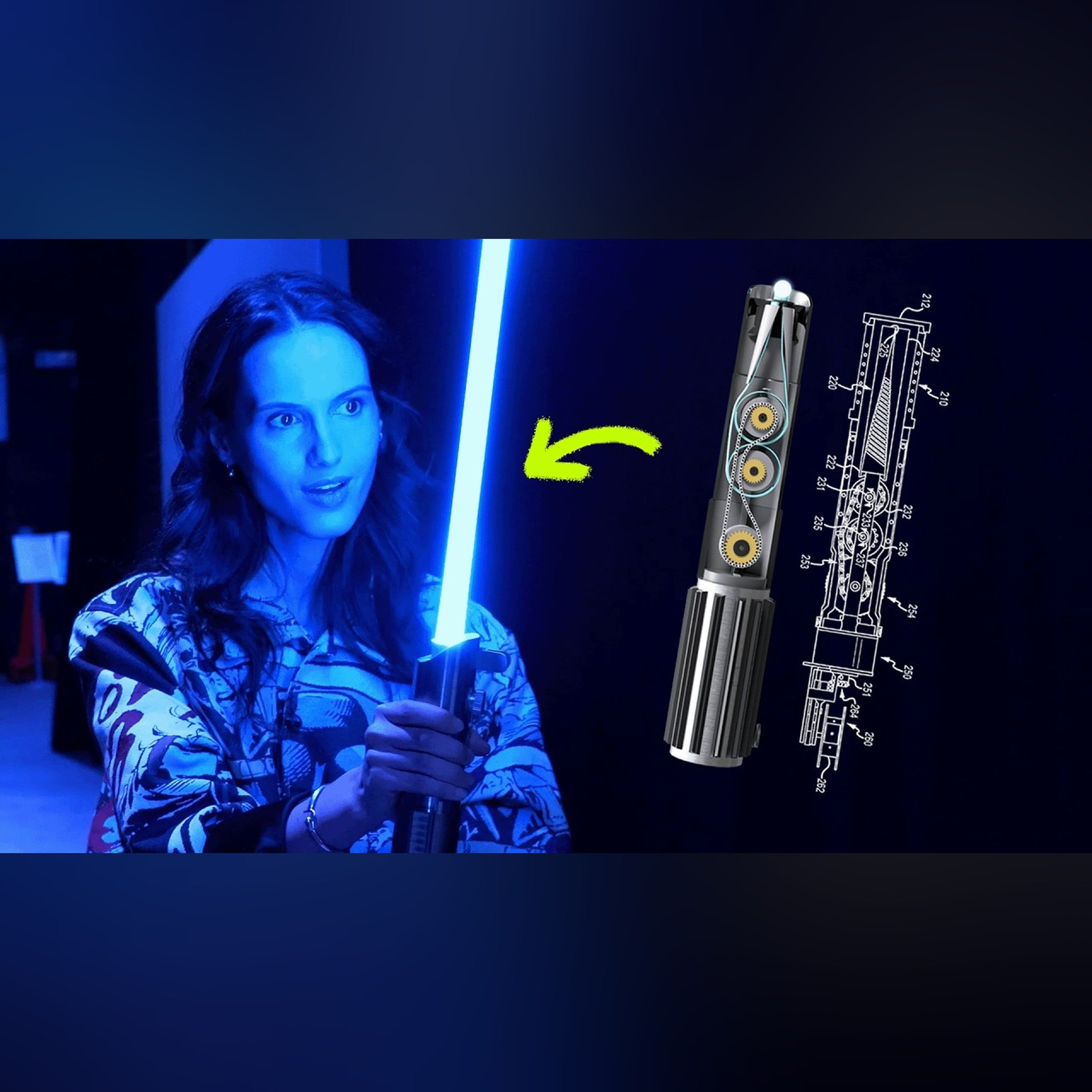
I tested Disney’s coolest new tech… Go to https://surfshark.com/cleo for 4 extra months of Surfshark Today I’ve been invited behind the scenes at Walt Disney Imagineering, the place where Disney brings their craziest ideas to life - from STUNT ROBOTS to a real life version of The Force, to adorable little droids! On this show Huge If True, we explore how tech can improve people’s lives - by living longer, going farther, doing more. But the reason I’ve loved Disney since I was a kid is they use tech to improve lives another way… by making people happy. And that means they end up pushing forward tech in some crazy, unexpected ways. So let me take you inside the magic, to show you the cutting edge tech they’re building… how it works… and what happens when we put it to the test! Chapters: 0:00 What is Disney building next? 1:11 What does Walt Disney Imagineering do? 1:52 What are Disney’s new droids really like? 2:47 How do Disney’s new droids work? 5:08 What’s the world’s most realistic l
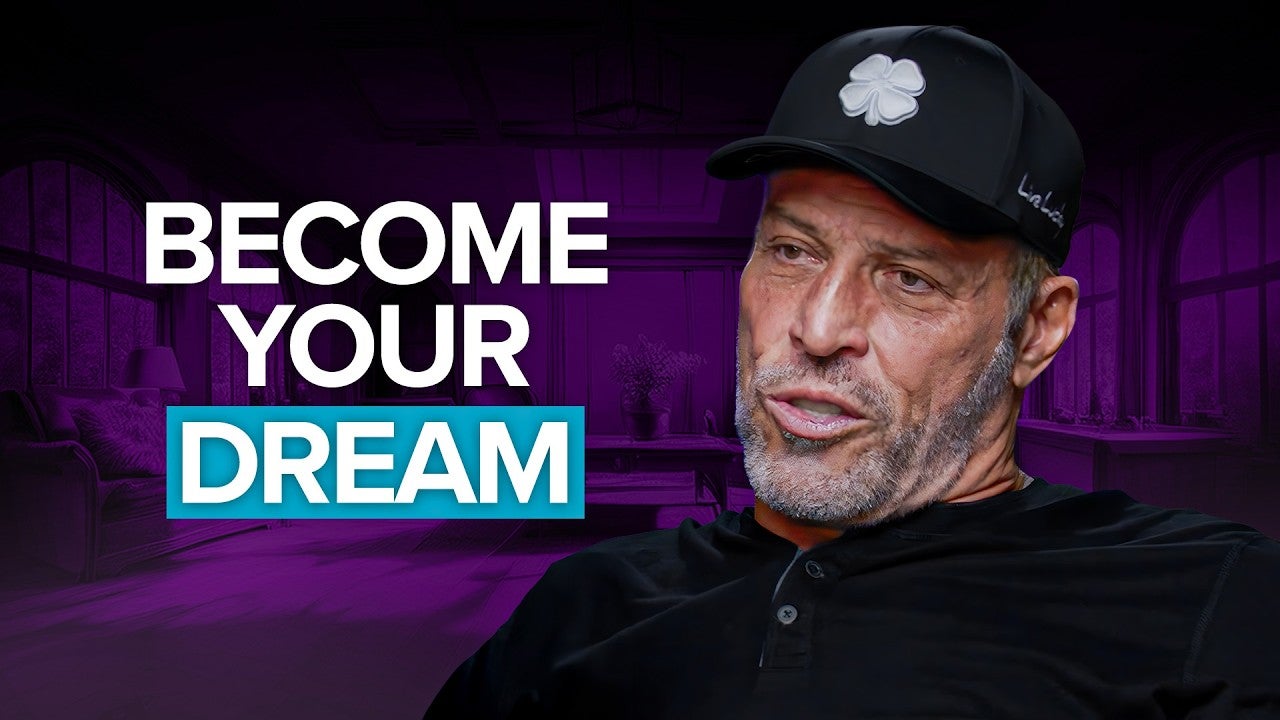
At 17, he was broke, homeless, and sleeping in a laundry room. With $12 to his name, he found a book that helped him rewire his mind—and it changed everything. This is the true story of how Young Tony Robbins used belief, discipline, and unstoppable drive to achieve his dream... Uploaded 15-06-25 Watch more videos like this Tony Robbins' Untold Story of His Childhood with Randall Kaplan: https://youtu.be/F6r0zvfJDF8 Do THIS When You Feel Lost In Life - FULL Tony Robbins Intervention: https://youtu.be/ngTzB0WeYOc This ONE Mental Shift Will Rewrite Your Entire Future...: https://youtu.be/zi_22RoSklI Wake Up the Part of You That’s Been Asleep | Tony Robbins Breakthrough: https://youtu.be/ngTzB0WeYOc Join "The Edge" - Tony Robbin's FREE weekly newsletter: https://tonyr.co/3YJ0m2L Try Tony AI for just $1: https://tonyr.co/4cr742A Follow Tony Robbins: Facebook: https://www.facebook.com/TonyRobbins Instagram: https://instagram.com/tonyrobbins/ TikTok: https://www.tiktok.com/@tonyrobbins Twitt
One week after the U.S. midterm elections, join Valérie Beaudoin, one of Canada's most respected commentators on U.S. politics, for a discussion on how Canadian policymakers and officials are digesting the results in Washington. From the new balance of power in Congress to the potential implications for Canada-U.S. relations, trade economic growth, and cross-border policy priorities, we'll explore what the election outcome could mean for Canada in the months ahead. Recorded on November 10, 2026. -- Optique canadienne sur les élections américaines de mi-mandat – Valérie Beaudoin Pour une version avec des sous-titres français, veuillez consulter Une semaine après les élections de mi-mandat aux États-Unis, Valérie Beaudoin, l’une des commentatrices de la politique américaine les plus respectées du Canada, discute des façons dont les décideurs canadiens et Ottawa ont réagi aux résultats à Washington. Du nouvel équilibre des pouvoirs au Congrès aux répercussions possibles sur les relations
November 20, 2026: Melissa Lee and the Fast Money traders unpack a brutal market sell-off, NVIDIA’s latest concerns, what's next for Anthropic, Bitcoin’s break below $59,000, and whether healthcare can still offer shelter. The key takeaway: traders see possible near-term bounces, but they remain cautious about unresolved risks in AI, rates, credit, and market leadership. Hosted by Simplecast, an AdsWizz company.
Jon McNeill is the former President of Tesla and the co-founder and CEO of DVx Ventures. Elon Musk believes speed creates a competitive advantage, whether it’s speed of decision, speed of cash, or speed of response. But what does that look like day to day, and how do you build a company around it? Jon spent years inside Elon’s companies, and he explains how they work. We talk about what happens when you skip the chain of command, why bad news can’t wait, and why Elon wanted problems explained in three sentences. We also get into the five-step algorithm Jon uses to simplify problems, why Elon treats a company like a garden full of weeds, and how Tesla grew with zero marketing budget. Enjoy! ----- Chapters: (00:00) Introduction (00:11) How to Impress Elon Musk (03:48) What Happens When You Overstep Elon (04:41) The Sales Problem that Kept Teslas on the Lot (07:58) Building Tesla's Culture of Speed (08:55) The Power of Battlefield Promotions (09:32) Three-Sentence Emails and Fast Bad News
Sporting rivals should be able to enjoy competition without hostility between supporters.
Share your view, then see how readers voted. No sign-in required. This poll is shared across stories.
Do you agree or disagree?
Common Quandary
A Common Quandary to discuss
Another conversation to explore, separate from this news story.
One friend is rich, one is broke, and everyone ordered differently. How do you split dinner?
A group of longtime friends traditionally divides restaurant bills equally. Their incomes have grown increasingly unequal, and one friend now declines gatherings because even their share is difficult to afford while others order without thinking about price.
When should friendship adjust for differences in wealth?