LAST HOURS Final Ceasefire and Postwar Legacy JAMES HOLLAND BROTHERS IN ARMS PART 8
7 min
Listen through the publisher, then discuss the episode here or arrange an in-person Roundtable. Your city determines where to meet.
Roundtables are designed for groups of four, with a shared subject and room for everyone to speak. Come for discussion, with no dating expectation.
1945 BERLIN Final Ceasefire and Postwar Legacy James Holland, author of Brothers in Arms: One Legendary Tank Regiment’s Bloody War from D-Day to VE-Day, describes Stanley Christopherson receiving a penciled order at Karlshöfen on May 4, 1945, to cease fire at 8 AM the next day. Survivors like Stuart Hills felt relief mingled with sorrow. Arthur Reddish emigrated to New Zealand, John Semken lived to 95, and Christopherson returned to Britain, while the regiment’s traditions endure in A Squadron of the Royal Yeomanry. (8)
Episode information is provided by the publisher. Listening takes place on the publisher’s service.
MAHI MONDAY The day has come, where words have come back to haunt that who spoke them, where the tables have turned… JORDAN reacts to the news of Robert Pattinson being casted as the NEW James Bond!… What words can be used to describe the ENERGY that was experienced last week as we became one of the first in the world to play GTA VI… A huge shoutout to Reel Factory, Chorus, Creative Technology, Foot Locker, Chemist Warehouse, Twitch and MOST importantly… YOU, join joining us throughout the 12hours of mayhem… We have an exciting announcement coming soon, so stay tuned!… POWERED BY THE PEOPLES MEDIA CO. www.chemistwarehouse.co.nz/ (https://www.chemistwarehouse.co.nz/) 00:00 - INTRO 01:38 - CHECK IN (GTA VI STREAM REVIEW) 14:01 - DAILY BREAD 22:35 - REACTION TO ROBERT PATTINSON NEWS, ALL BLACKS VS WALES + MATUA'S BUNGEE JUMP STORY 48:11 - OUTRO
Prince Harry makes a lively appearance on Britain's This Morning, revealing his thoughts on the new James Bond, Meghan Markle's former television series Suits, and why he considers Glastonbury and Coachella a nightmare. The Duke of Sussex endorses Robert Pattinson as the next 007, chooses Suits over EastEnders, and reveals that he tried to FaceTime presenter Alison Hammond with Prince Archie and Princess Lilibet, only for her to ignore his calls. Harry also helps prepare a Christmas cake alongside Invictus Games veterans, shares a laugh involving a prosthetic hand, and enjoys a shot of whisky. He's later spotted at London's Savoy hotel. But Harry's latest television appearance sparks criticism from Daily Express columnist Alicia Liberty, who questions how his highly publicized appearances fit with his longstanding concerns about security in Britain. Meanwhile, former Margaret Thatcher aide Nile Gardiner calls for Harry and Meghan to be stripped of their royal titles, accusing the Susse
What led Trump voters to finally flip to Democrats this year? To find out, we teamed up with Future Forward and Orchestra for a series of focus groups with two- and three-time Trump voters who voted for James Talarico and Gina Hinojosa in Texas, and Josh Turek and Rob Sand in Iowa. David Binder and Will Gudelunas, the pollsters who conducted the focus groups, stop by the studio to talk to Jon Favreau about what they learned over the eight hours of groups. Then, David Plouffe, Obama's 2008 campaign manager, talks to Jon about what stood out to him in the tape and what lessons it teaches campaigns ahead of the 2028 presidential election. Hate listening to ads? Include the podcast name, episode title, and air date. Please allow 48 hours for delivery.
It was an historic day at the Allianz as England beat the All Blacks 37-12 and the winning margin of 25 points is the biggest ever against a New Zealand side. Chris, Paul Grayson and Matt Dawson were all there to witness this record-breaking moment! It was a game dominated by England from the very start – with five tries scored by the hosts on Saturday afternoon. One of the try scorers, Jack van Poortvliet joins the pod straight after the final whistle to chat to Sara. Not only that, Steve Borthwick pops up too and explains what’s going right for this England side. It was an emotional time at the Allianz too as pre-match former captain Lewis Moody led England's response to the haka, and the guys reflect on that special moment. Attention then turns to New Zealand who suffered a shock defeat by Wales last weekend and the guys wonder if their performance is a result of a long Test season, which included four Tests against South Africa - and could it be catching up with them? And Chris tel
This week, Voyager 1 reached one light day away from earth - the farthest any man-made object has ever been. For fifty years, it as well as its sister probe Voyager 2, have been sending information back to earth. Now, they’re off to interstellar space, carrying two golden records designed to introduce humanity to whatever life form may be out there. So what’s on those discs? And what does the project tell us about what it means to be human? Guests: Rhys Blakely, science editor, The Times Tim Ferris, author and producer of the Voyager Golden Record Host: Manveen Rana Producer: Olivia Case We want to hear from you - email: [email protected] Read more: Voyager - humanity’s most distant message (https://www.thetimes.com/uk/science/article/nasa-golden-record-sounds-voyager-humanity-bksl2n0ck?eafs_enabled=false) Further listening: Has space become the final frontier for war? (https://pod.link/1501716010/episode/NmFhYzMzNzM4ZGUzYjQzYjZhOTk4ZGJj) Clips: NASA Voyager Golden Record / Carl Sa
When will your Social Security check arrive in December 2026—and will the holidays affect your payment date? Get the December 2026 Social Security payment schedule, SSI and SSDI updates, and answers to your questions about Medicare, Medicaid, and your benefits. Need help with your Medicare plan, contact our friends at Chapter Medicare: 352-841-0632 I’m Dr. Ed Weir, a former Social Security insider. In this LIVE update and Q&A, I’ll explain which payment schedule applies to you, what to watch for around the holidays, and important benefits updates as we head into 2027. We’ll discuss: - December payment dates for Social Security retirement, disability (SSDI), and survivors benefits. - Supplemental Security Income (SSI) payment dates and holiday schedule adjustments. - Why an early payment changes when you receive your money—it doesn’t create an extra benefit. We’ll review the [official SSA payment calendar](https://www.ssa.gov/pubs/EN-05-10031-2026.pdf). - Social Security Administration
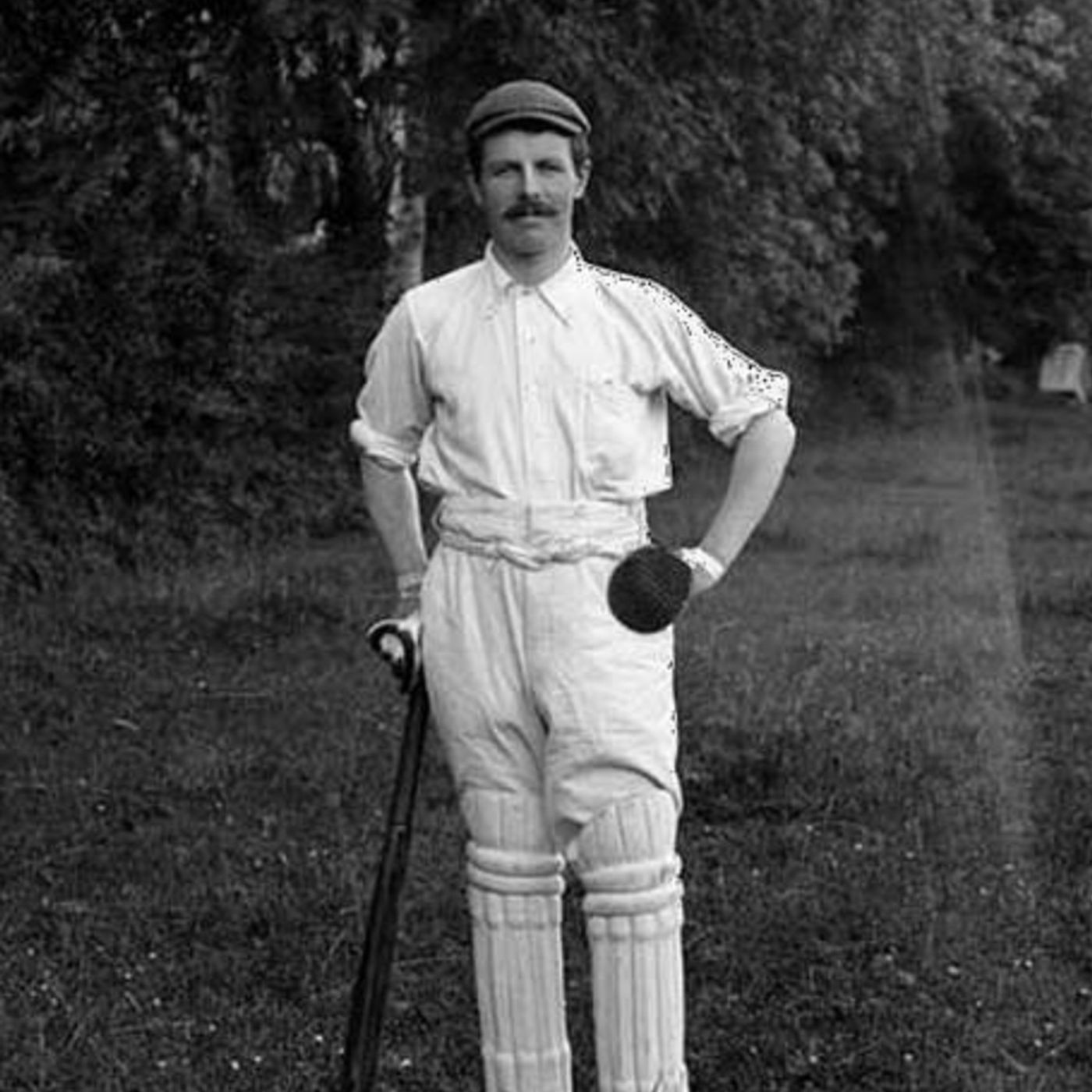
Sandpaper Scandal Resurfaces Again Jeremy Zakis reviews the 2018 cricket scandal in which Australian players secretly used sandpaper to alter the ball. The controversy has resurfaced after a former teammate published a book accusing current captain Pat Cummins of involvement, sparking intense debate despite official support for Cummins. (3)
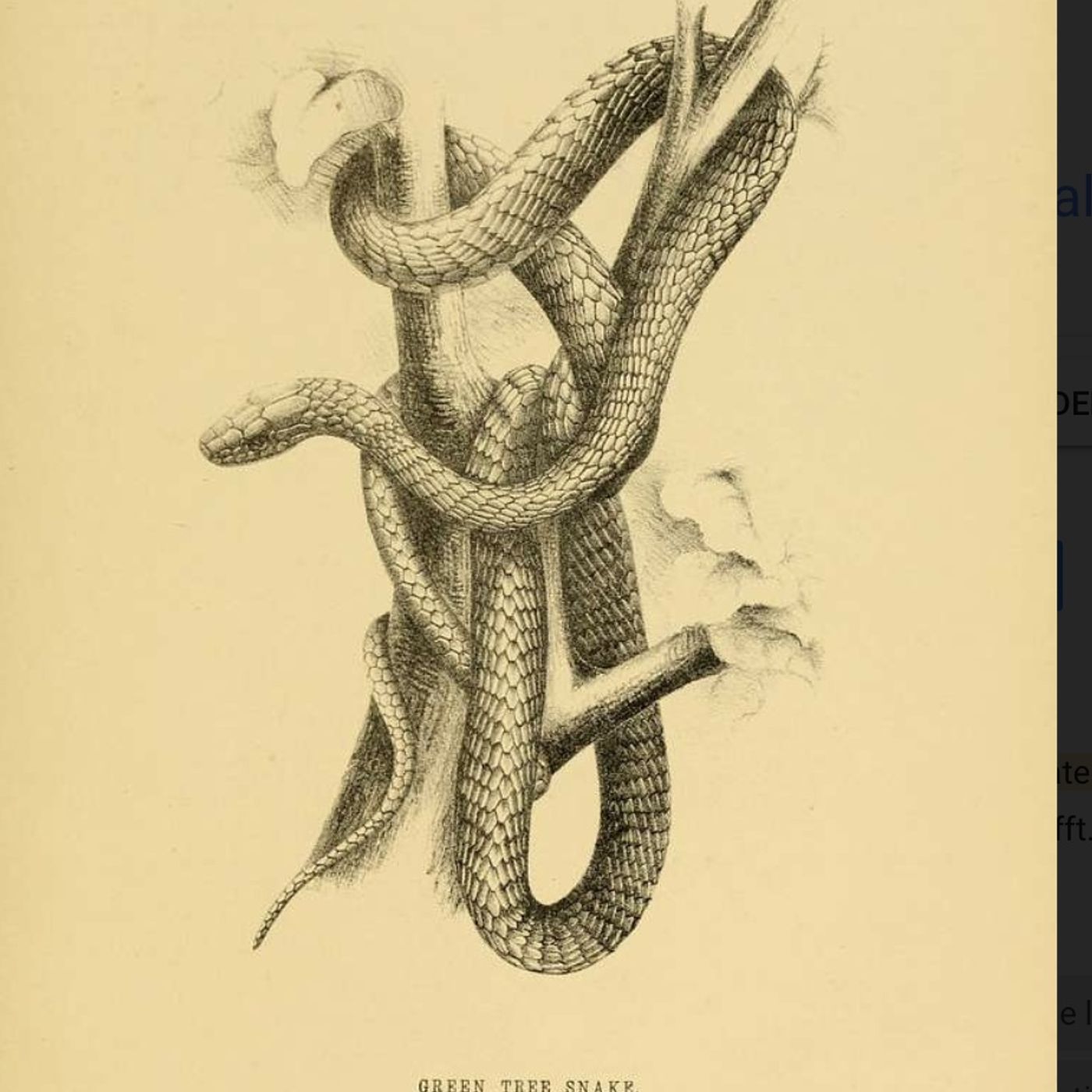
Floods Wash Snakes Downtown Jeremy Zakis explains the official warnings issued in Melbourne after floodwaters washed venomous snakes into the central business district. Snake catchers face surging demand and charge costly call-out fees, while unseasonable storms have disrupted local wildlife, leaving kangaroos hyperactive and erratic on the roads. (2)
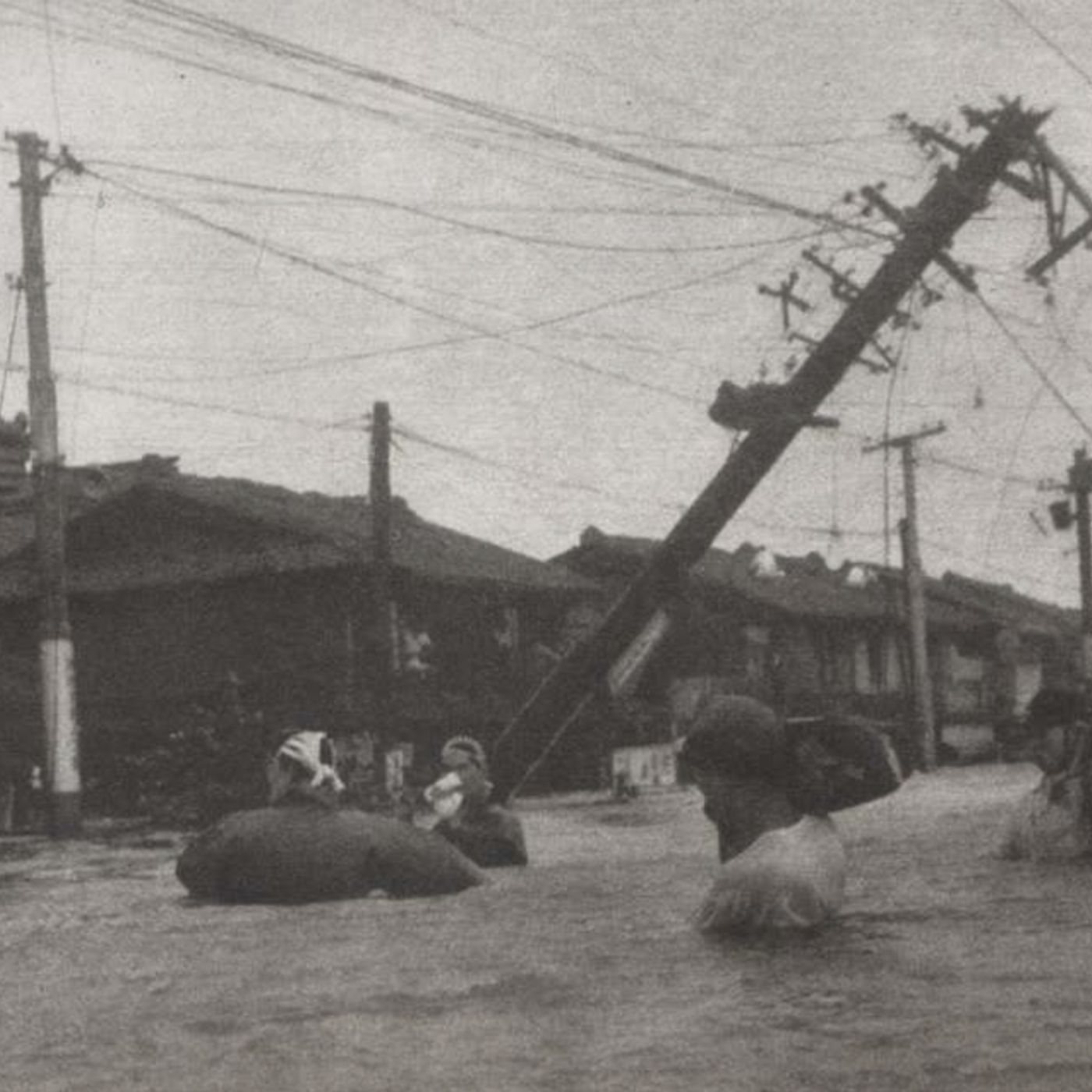
1950 Super El Niño Spring Storms Jeremy Zakis discusses extreme spring weather across Australia, driven by a super El Niño and elevated ocean temperatures. Heavy rain, microbursts, and severe winds in South Australia toppled massive power lines and spawned funnel clouds, while Sydney faces hot, chaotic, (1)
Experts should explain openly why their recommendations change.
Share your view, then see how readers voted. No sign-in required. This poll is shared across stories.
Do you agree or disagree?
Common Quandary
A Common Quandary to discuss
Another conversation to explore, separate from this news story.
You inherit a fortune made in ways you despise. Can you keep it?
You inherit a substantial sum from a relative who accumulated it through practices you consider exploitative. Keeping it would improve your family's security; donating it could support people harmed by similar practices.
Can ownership be morally clean when its history is not?