Mara Wilson asks, should we still have child stars?
31 min
Listen through the publisher, then discuss the episode here or arrange an in-person Roundtable. Your city determines where to meet.
Roundtables are designed for groups of four, with a shared subject and room for everyone to speak. Come for discussion, with no dating expectation.
As more former child stars come forward about the pain they experienced, does it still make sense to put kids in the spotlight? This week on the show, guest host Jasmine Romero speaks with actor Mara Wilson (of “Mrs. Doubtfire” and “Matilda”) and journalist Kate Taylor about how to protect child stars. If you like this episode, share it with a friend! Support This Is Uncomfortable with your donation today: https://mktplc.org/support-thisisuncomfortable
Episode information is provided by the publisher. Listening takes place on the publisher’s service.
You're not a victim in your life, you're a co-creator with it. In this video, Sage Robbins shares the practice of Taking Full Responsibility. It's not about self-blame, it's about recognizing that our choices, our words, our actions, and even where we place our attention shape everything we feel and experience. Uploaded 12-07-26 Sage walks through a simple question she asks herself the moment she feels resistance or tension in a relationship: "Am I cultivating harmony right now, or am I adding to the discord?" And she shares what it actually sounds like to repair a moment in real time — "I'm sorry. Can we begin again?" If you've ever caught yourself waiting for someone else to change before you can feel okay, this one's for you. Watch more videos like this I Was Humiliated… And It Made Me Who I Am: https://youtu.be/-YDXWSJ-gu0 How to Find Compassion When Someone Wrongs You: https://youtu.be/uRi3xrVjjVA The #1 Secret to Helping ANY Child Self Regulate Their Emotions: https://youtu.be/Pw
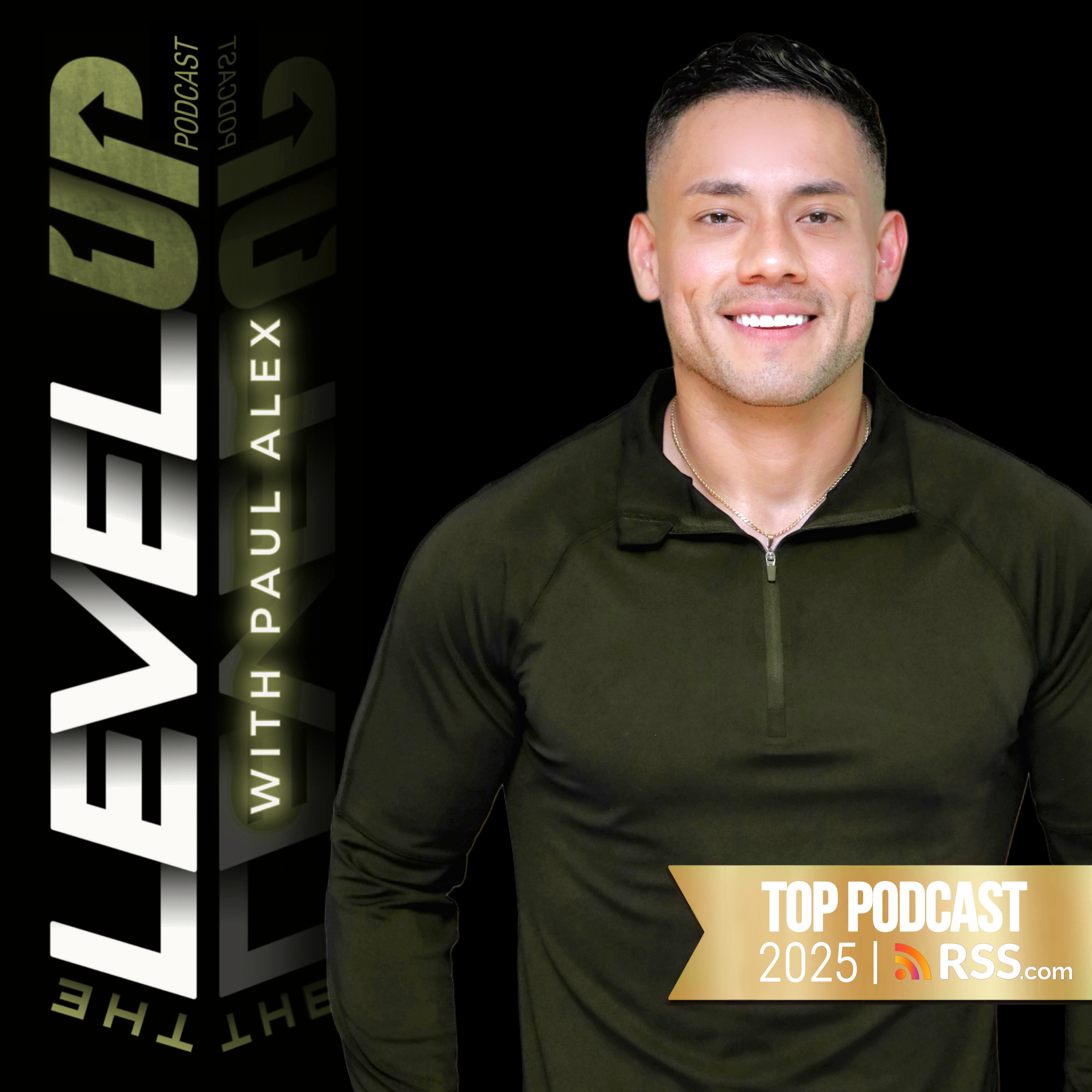
An optional overtime shift opens up and you automatically say yes. What is that time buying? The income and the hours you trade both deserve a clear purpose. In this episode of The Level Up Podcast, Paul Alex breaks down how to evaluate a genuinely optional extra shift against your needs, goals, and available time. Paul reflects on long law enforcement weeks and wanting greater control over his time. The episode distinguishes a real choice from required work or income needed for essentials, then asks what the next additional shift serves. There may be a strong reason to take it. Name that reason and consider what the hours would otherwise support, including recovery, a personal commitment, or learning. A deliberate comparison can help you decide without assuming that either money or time should always win. In this episode, you’ll learn: • Why required hours and essential income change the context of the decision. • How to identify the specific need or goal an optional shift serves. • W
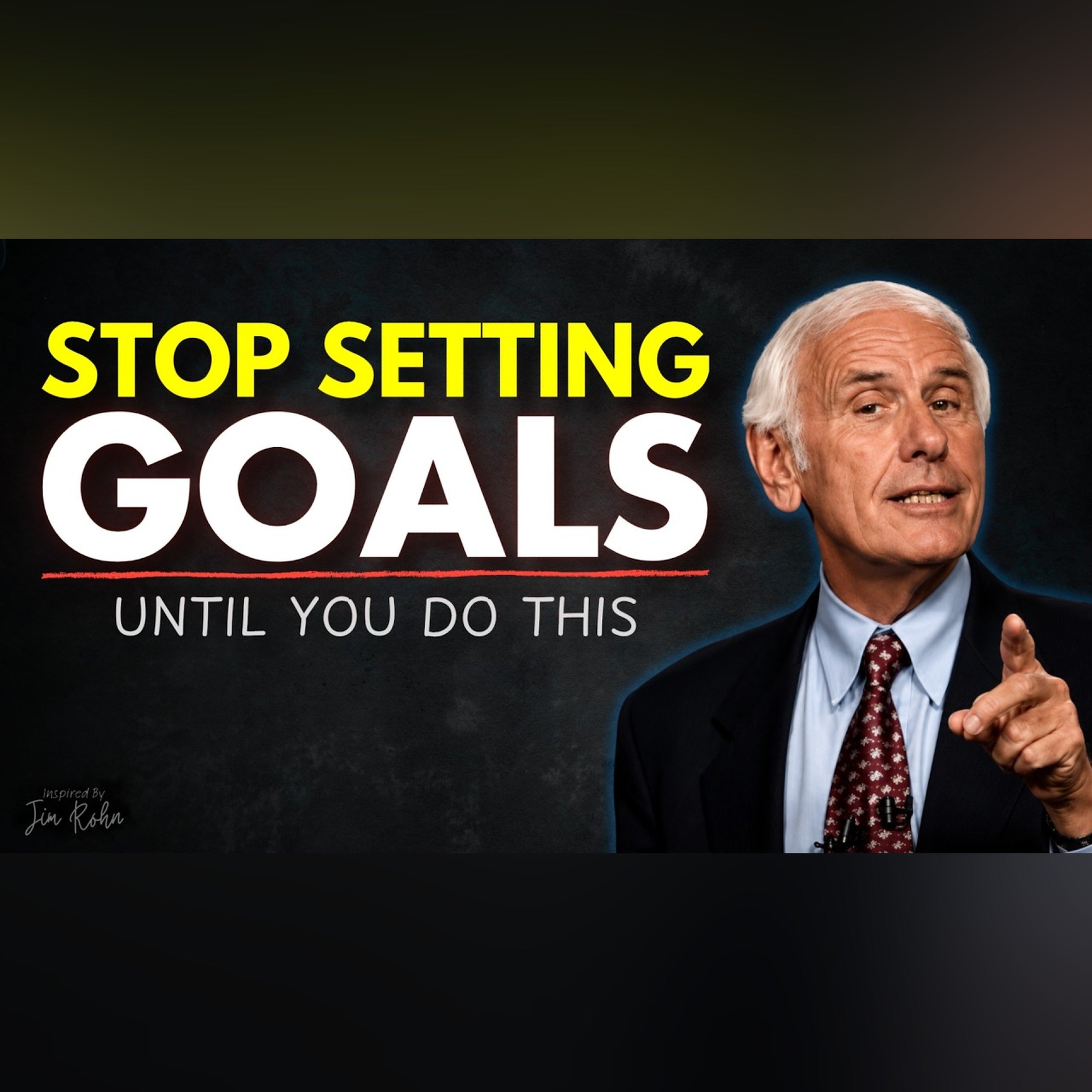
There's a pattern that has ruined more lives than almost anything else. Uploaded 02-06-26 People decide what they want. They set a goal. They write down the number. They put a date on it. They tell their friends. They make a plan. And somewhere between week 3 and week 6, the goal quietly dies. The plan falls apart. The date is going to come and go. And the person who set the goal sits in their disappointment and tries to figure out what went wrong. They blame their willpower. They blame their schedule. They tell themselves next January will be different. But that isn't what went wrong. They didn't fail because the goal was wrong. They failed because they had it backwards. They tried to install the goal before they built the habit. They built the destination before they built the road. They wrote the postcard before they laid the bricks. A goal without a habit underneath it is a wish dressed up in a deadline. It cannot survive. It was never going to survive. This seminar lays out why th
Project Synapse: Markets in Freefall, Fragile Infrastructure, and AI's Perfect Storm The hosts banter through the show's intro before focusing on a sense that "things are out of control," citing a WallStreetBets suicide-hotline post amid a market crash and discussing cascading system failures involving Microsoft, the FAA, and a reported NSA internal communications outage. They argue politicians and leadership lack technical competence and clear messaging, increasing panic, while emphasizing that many problems stem from aging, underfunded infrastructure and complex, brittle software (PHP, NGINX, Java), not proven AI attacks—more a "perfect storm" of crises. They debate whether AI should help fix complexity, stressing critical thinking, accountability, and using multiple AIs to verify each other. In a lightning round they cover Anthropic's IPO performance, mixed reactions and token limits with ChatGPT 6.2 (favoring "Sol" over "Astra"), Google's cheaper Neon model and confusing UX, Loblaw
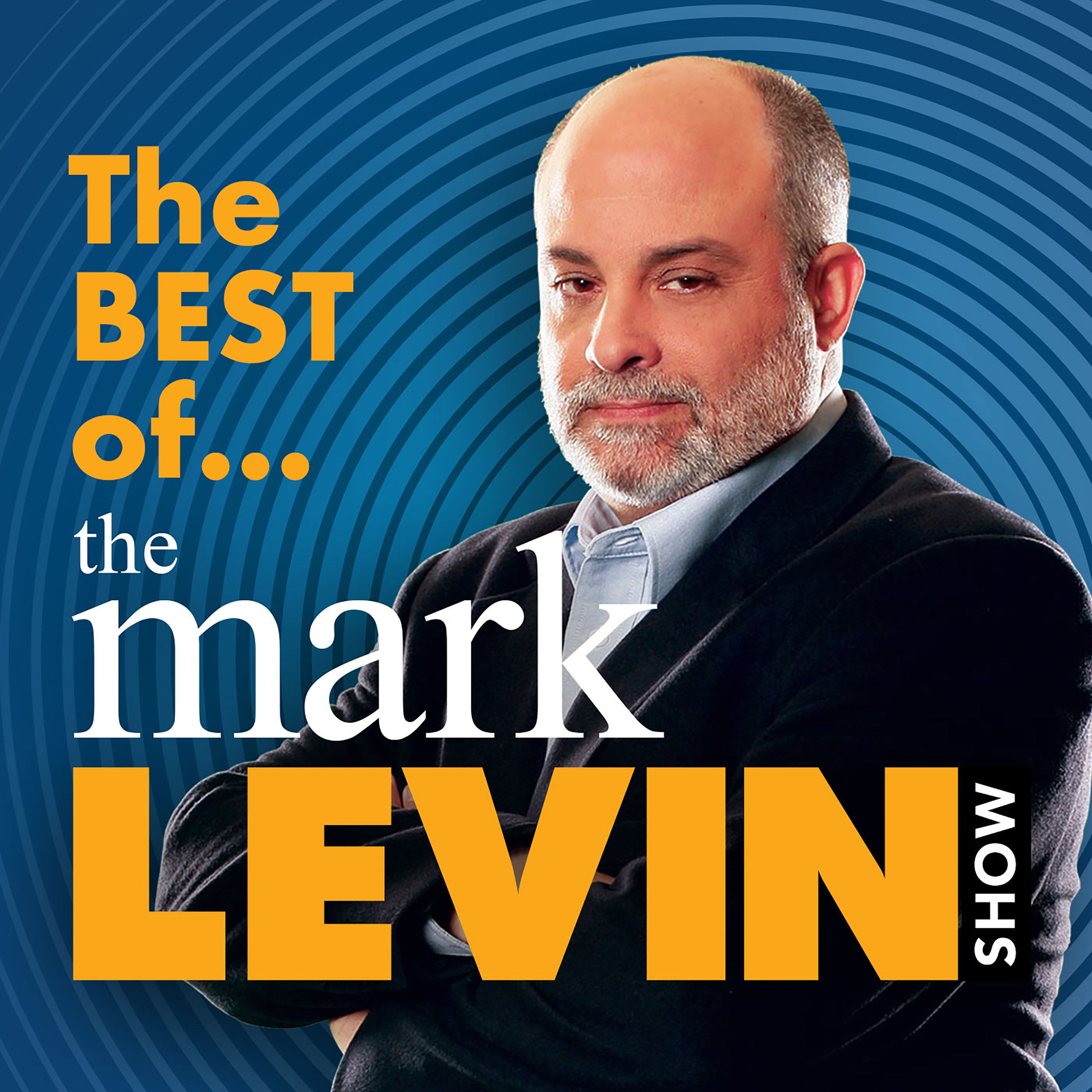
This week on the Mark Levin Show, 2028 Republican Presidential candidates must directly address the urgent threats to the country - Marxism and Islamism. These candidates should deliver bold, courageous speeches that clearly explain what is happening in the country, identify those responsible, and directly challenge these threats rather than leaving such warnings to a small number of media voices. Also, it is difficult to believe so many major outages affecting entities such as the NSA, FAA, airline systems, Microsoft, and Apple services could be merely coincidental. The timing and scale of the incidents are troubling and remain inadequately explained. President Trump had proposed a major modernization and restructuring of air traffic control in 2017 that Congress failed to enact. Had those reforms been adopted, many current FAA failures might have been avoided. Later, does Senator John Kennedy know anything about originalism? Originalism is not pure textualism. The meaning and intent
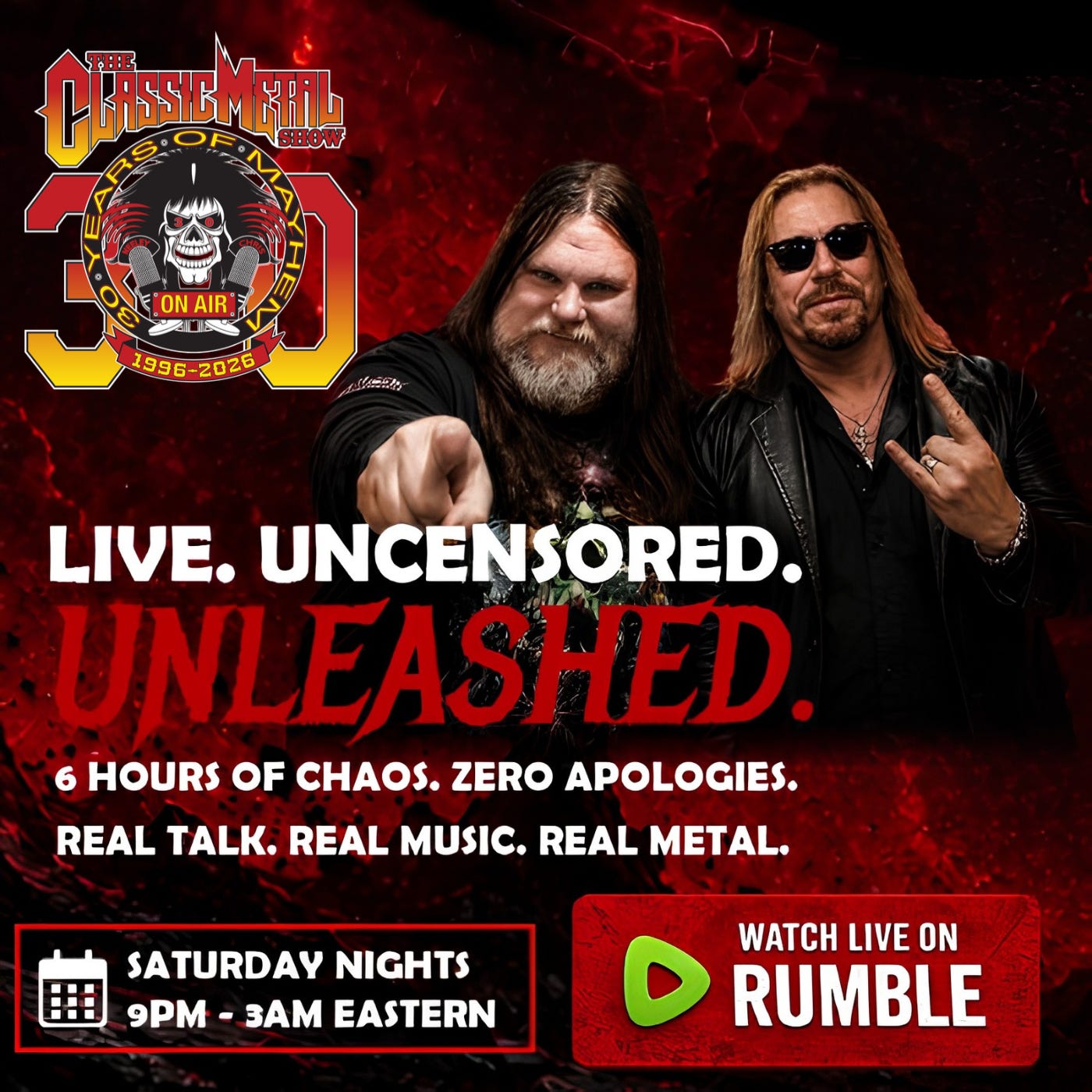
Can artificial intelligence replace the voices of rock’s greatest singers? And if it can, what happens to the musicians who spent decades developing those unmistakable sounds? On this episode of CHRIS AKIN PRESENTS, Chris welcomes Danny Vaughn of TYKETTO for a revealing conversation about the band’s latest release, CLOSER TO THE SUN, the changing music industry, and the growing influence of AI-generated music. Get Tyketto's CLOSER TO THE SUN on Vinyl while supplies last! https://link.amazon/B0c4HJfbA Danny doesn’t hold back when discussing artificial intelligence. From computer-generated singers that sound eerily similar to established rock vocalists to technology that can imitate an artist’s unique phrasing, he raises serious questions about where creativity ends and exploitation begins. Could AI eventually produce new AC/DC albums without AC/DC? And who should profit when technology recreates a musician’s signature sound? But there’s much more to this interview than AI. Danny takes u
Are you the kind of grocery shopper who clips coupons and compares prices across stores? Do you sometimes splurge on the nicer olive oil, only to regret the extravagance? It’s easy to feel like you spent too much, wasted food or prioritized the wrong things, especially now that groceries cost so much more (https://apnews.com/article/grocery-shopping-prices-food-affordability-8468c1d6532ca762bbcfa17e3c7707d1) than they used to and wages haven’t necessarily kept pace (https://www.marketplace.org/story/2026/09/04/wage-growth-cant-compete-with-inflation-right-now). And of course, even having choices about what to buy or the luxury of worrying about food waste is a privilege when so many people are struggling just to put food on the table. This week, Reema is joined by neuroeconomist Uma Karmarkar (https://gps.ucsd.edu/faculty-directory/uma-karmarkar.html) and wellness editor Miranda Larbi (https://www.stylist.co.uk/author/miranda-larbi) to unpack our complicated feelings around food spendi
You’ve got savings. You’re paying your bills. You’re hitting your financial goals. On paper, you’re doing fine. So why does it still feel like you’re just one step away from financial disaster? This week, Reema talks with writer Lindsey Stanberry and financial therapist Amanda Clayman about money dysmorphia – the disconnect between how much money we have and how secure we actually feel – and how we can build a healthier relationship with money when the future feels impossible to predict. Plus, another edition of “Alice Gets Her Life Together,” where producer Alice Wilder shares the details of her largest purchase yet: a home. If you like this episode, share it with a friend! Support This Is Uncomfortable with your donation today (https://mktplc.org/support-thisisuncomfortable%20).
Public information should be withheld only when there is a clear reason for confidentiality.
Share your view, then see how readers voted. No sign-in required. This poll is shared across stories.
Do you agree or disagree?
Common Quandary
A Common Quandary to discuss
Another conversation to explore, separate from this news story.
You lecture everyone about climate change—then get invited on a dream flight. Do you go?
A close friend living overseas invites you to an important celebration. Flying is affordable but carbon-intensive. Your individual decision will not determine whether the flight operates, yet it conflicts with commitments you publicly encourage others to make.
When is a small personal contribution to a large harm morally significant?