Listen through the publisher, then discuss the episode here or arrange an in-person Roundtable. Your city determines where to meet.
Roundtables are designed for groups of four, with a shared subject and room for everyone to speak. Come for discussion, with no dating expectation.
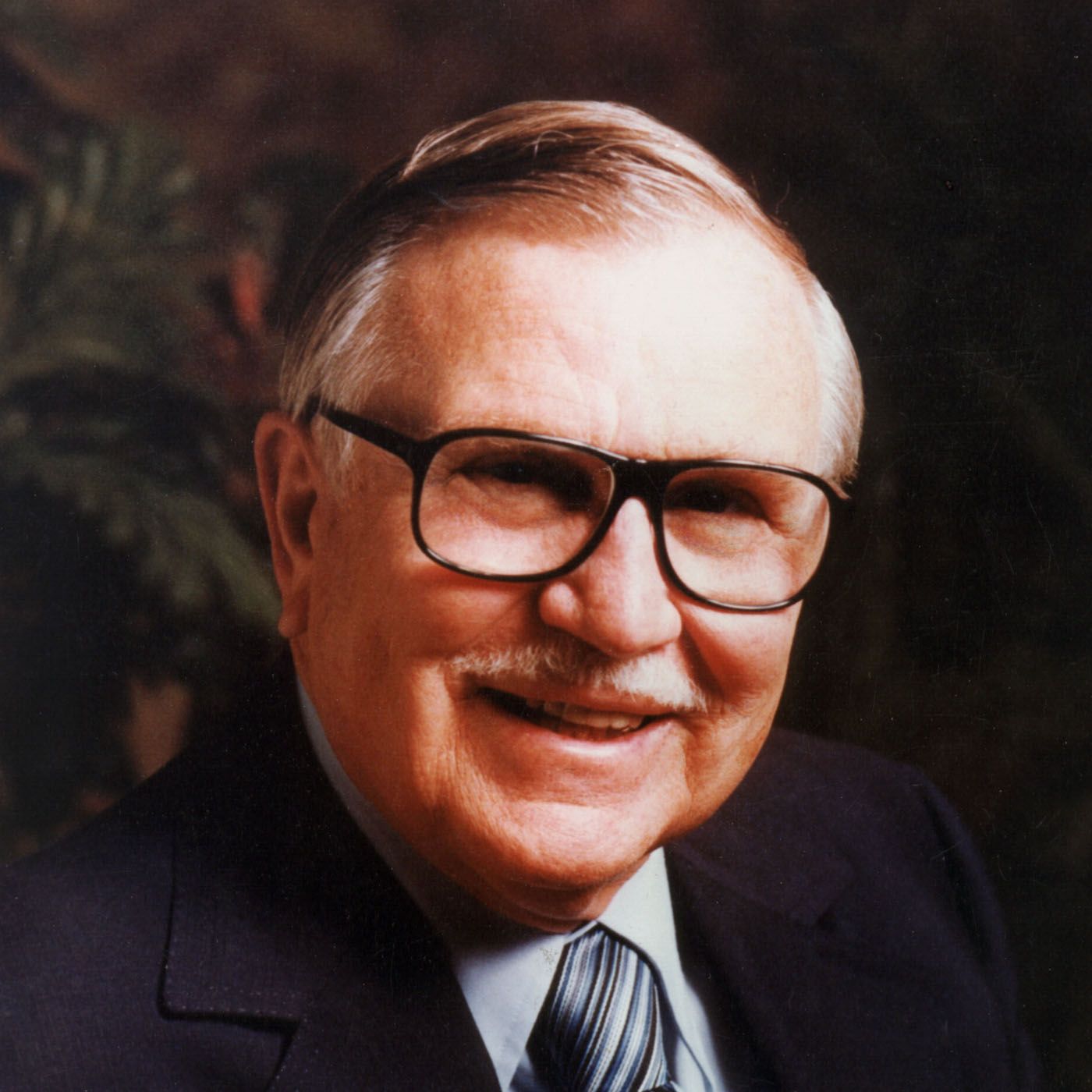
The battle between our flesh and the Spirit is real. One moment, the Spirit sings “Hosanna!”—another moment, the flesh yells, “Crucify Him!” In Mark 11, Jesus’ triumphal entry into Jerusalem is His statement of authority and a fulfillment of Old Testament prophecy. Follow along as Dr. McGee explains this important moment and pay attention to the way people treat Jesus before His crucifixion.
Episode information is provided by the publisher. Listening takes place on the publisher’s service.
Familiarity Makes People Blind to Who You're Becoming When Jesus returned to His hometown of Nazareth, the people who had known Him growing up struggled to accept the authority and wisdom they were witnessing. They recognised Him as the carpenter, Mary's son, and someone whose family they knew. Instead of considering what God was doing through Him, they allowed their familiarity with His past to shape their judgment of His present. But Jesus did not abandon His calling because His hometown misunderstood Him. This passage challenges us not to make other people's limited perception the boundary of what God can do through our lives. Every contribution counts. Thank you for being part of our journey!
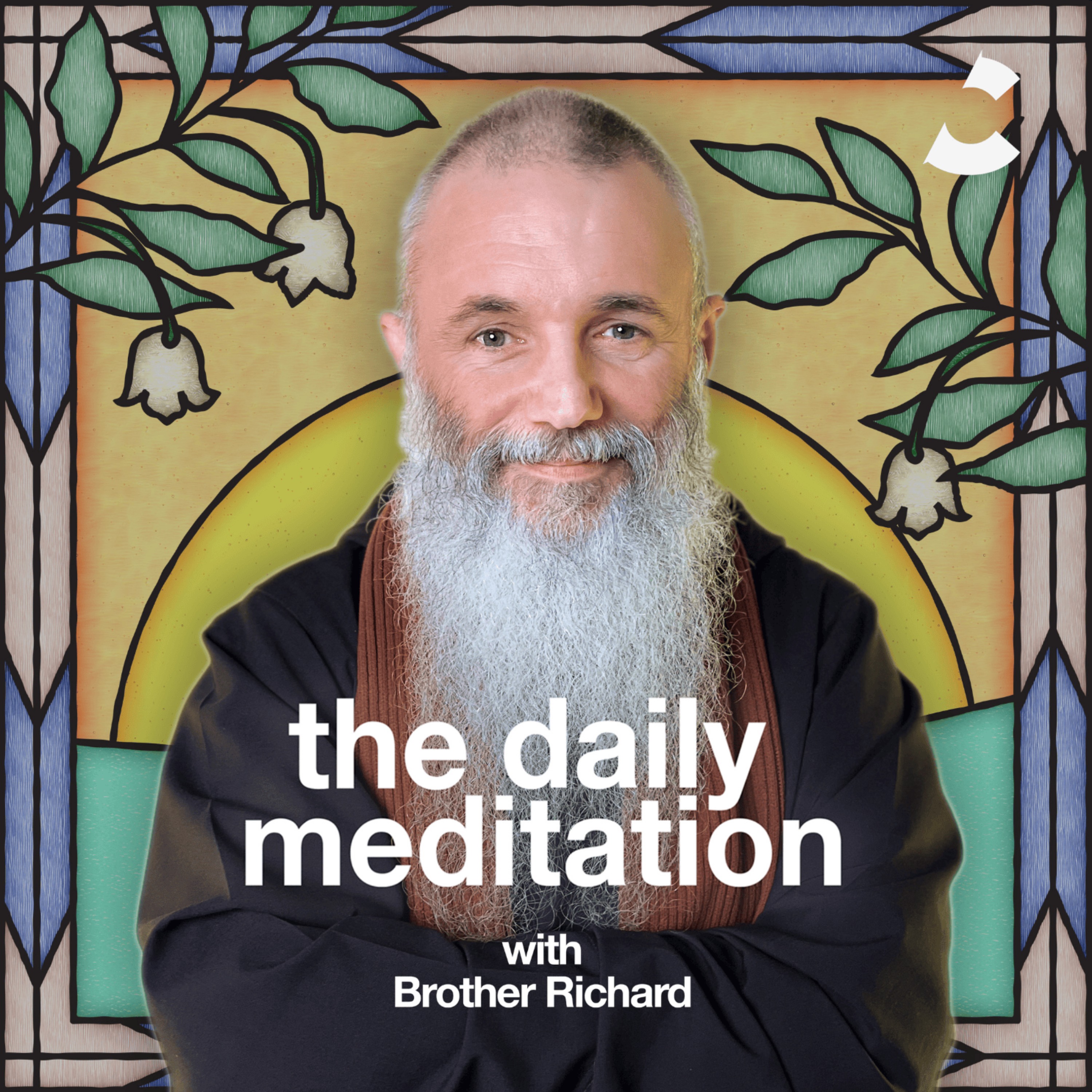
In this meditation, I explore how something as ordinary as drinking a cup of coffee can become a contemplative practice. As a Capuchin Franciscan, I can even claim a particular connection with coffee through Blessed Mark of Aviano, whose story became associated with the cappuccino. You can practise this meditation with coffee, tea or another warm drink, either holding a real cup or simply visualising the experience. We begin by feeling the warmth and weight of the cup in our hands. We notice its texture, the steam, the fragrance and the anticipation of taking a drink. As we take each sip, we pay attention to sensations that usually pass unnoticed: the cup against the lips, the warmth of the liquid, its movement through the mouth and throat, and the memories or stories awakened by taste and smell. By attending closely to an ordinary action, we begin to see how rich even the simplest moment can be. Towards the end of the meditation, we reflect with gratitude on everything that has allowe
Do you ever feel named but unknown? Like you are invited but not necessarily included? You have a seat at the table, but you rarely speak? Let me tell you something, the behind the scenes people are needed. Jesus could have chosen a king to be in his inner circle. He could have chosen a military leader. He could have chosen a prominent business man. But instead, he chose James the son of Alphaeus, known as James the Less. For real, that was his title – James the Less. Why? Because there was already a James chosen for Jesus’ inner circle. Remember James the fisherman and brother of John? That James was given the title James the Great, so now we have this James known as James the Less. Maybe sometimes you feel like your name comes with the title “lesser than” too. You’re not as smart. You’re not as pretty. You’re not as successful. You’re not the first one everyone chooses. You’re named but mostly just unknown. Oh girl, how you are needed!!!!! This James, James the Less, is named but pre
We take a pilgrimage walk into Jerusalem that ends with a centuries-old tattoo stamp and a sudden realization on the Mount of Olives. From Mark 13, we focus on Jesus’ clear warnings about deception and persecution and ask whether we’re ready to endure when faith in Christ costs us something. • Pilgrimage through Israel and arrival in the Old City of Jerusalem • Visit to Razouk, the oldest tattoo parlor in the world, and why Christians mark pilgrimage • Meaning of the Jerusalem cross, Trinity crowns, branch, and the Sword of the Spirit • Setting and purpose of the Olivet Discourse as a private warning to the apostles • Reading Mark 13 on false messiahs, wars, earthquakes, famine, and betrayal • Two urgent themes to prepare for: deception that undermines faith and persecution that tests it • A direct challenge to men to prepare their families and churches for rising pressure Want to connect? Email [email protected]
Why is it so hard to forgive someone who has hurt you? Why did Jesus tell Peter to forgive not just seven times, but seventy-seven? And what does the parable of the unforgiving servant reveal about the way we treat people who wrong us? In today's episode, Patrick explores Matthew 18:21–35 and shows us why the forgiveness we've received from God should change the way we extend forgiveness to others. Want to become a more consistent Bible reader? Read the Bible with us! We're almost done exploring the Gospels—Matthew, Mark, Luke, and John—but it's never too late to jump in! Your support makes TMBT possible. Ten Minute Bible Talks is a crowd-funded project. Join the TMBTeam to reach more people with the Bible. Give now (https://info.tenminutebibletalks.com/support). Like this content? We'd love to hear from you! Passage: Matthew 18:21–35 (https://www.biblegateway.com/passage/?search=Matthew+18%3A21%E2%80%9335&version=NIV)
Luke 20: 27-40 - 'In God all men are alive.' Catechism of the Catholic Church Paragraphs: - 330 (In 'Who are Angels'?) - As purely spiritual creatures angels have intelligence and will: they are personal and immortal creatures, surpassing in perfection all visible creatures, as the splendor of their glory bears witness. - 575 (In 'Jesus and Israel') - Many of Jesus’ deeds and words constituted a “sign of contradiction,” but more so for the religious authorities in Jerusalem, whom the Gospel according to John often calls simply “the Jews,” than for the ordinary People of God. To be sure, Christ’s relations with the Pharisees were not exclusively polemical. Some Pharisees warned him of the danger he was courting; Jesus praises some of them, like the scribe of Mark 12:34, and dines several times at their homes. Jesus endorses some of the teachings imparted by this religious elite of God’s people: the resurrection of the dead, certain forms of piety (almsgiving, fasting, and prayer), the c
We fill our lives with so much noise. Somewhere amid the chaos of our busy lives, peace becomes an afterthought. In Leviticus 3, the peace offering is a symbol of Christ as a person and our fellowship with Him. Follow along as Dr. McGee shows us how the person of Christ enables us to fellowship together as believers and to commune with God through Jesus Christ.
Life is about to get sweeter for the children of Israel. The meal offering found in Leviticus 2 represents Christ in His perfect humanity. God calls it “a sweet smelling savor unto the Lord.” This is how God sees Christ and, therefore, how He sees us when we put our faith in Him. That’s pretty sweet!
Worship is not just a feeling—it’s a picture. The first part of Leviticus outlines the burnt offerings and their significance. Every detail is incredibly important, as each instruction serves a unique purpose. Think of Leviticus as a Divine tapestry. Every mundane, lonely thread of instruction is carefully woven by God’s hand. In the end, the picture will be more beautiful than you could have imagined.
Removing outdated rules is worthwhile even when it reduces some existing protections.
Share your view, then see how readers voted. No sign-in required. This poll is shared across stories.
Do you agree or disagree?
Common Quandary
A Common Quandary to discuss
Another conversation to explore, separate from this news story.
Your best friend is an AI that profits when you stay lonely. Is the friendship real?
A lonely adult considers an AI companion their closest confidant. The service is always patient and supportive, but the company profits when users spend more time engaged with it.
Does a comforting system have a duty to make itself less necessary?