English-language podcasts

How To Fail With Elizabeth Day

Michael Johnson - I Was In Perfect Shape. Then I Had A Stroke.

49 min

Listen through the publisher, then discuss the episode here or arrange an in-person Roundtable. Your city determines where to meet.

Roundtables are designed for groups of four, with a shared subject and room for everyone to speak. Come for discussion, with no dating expectation.

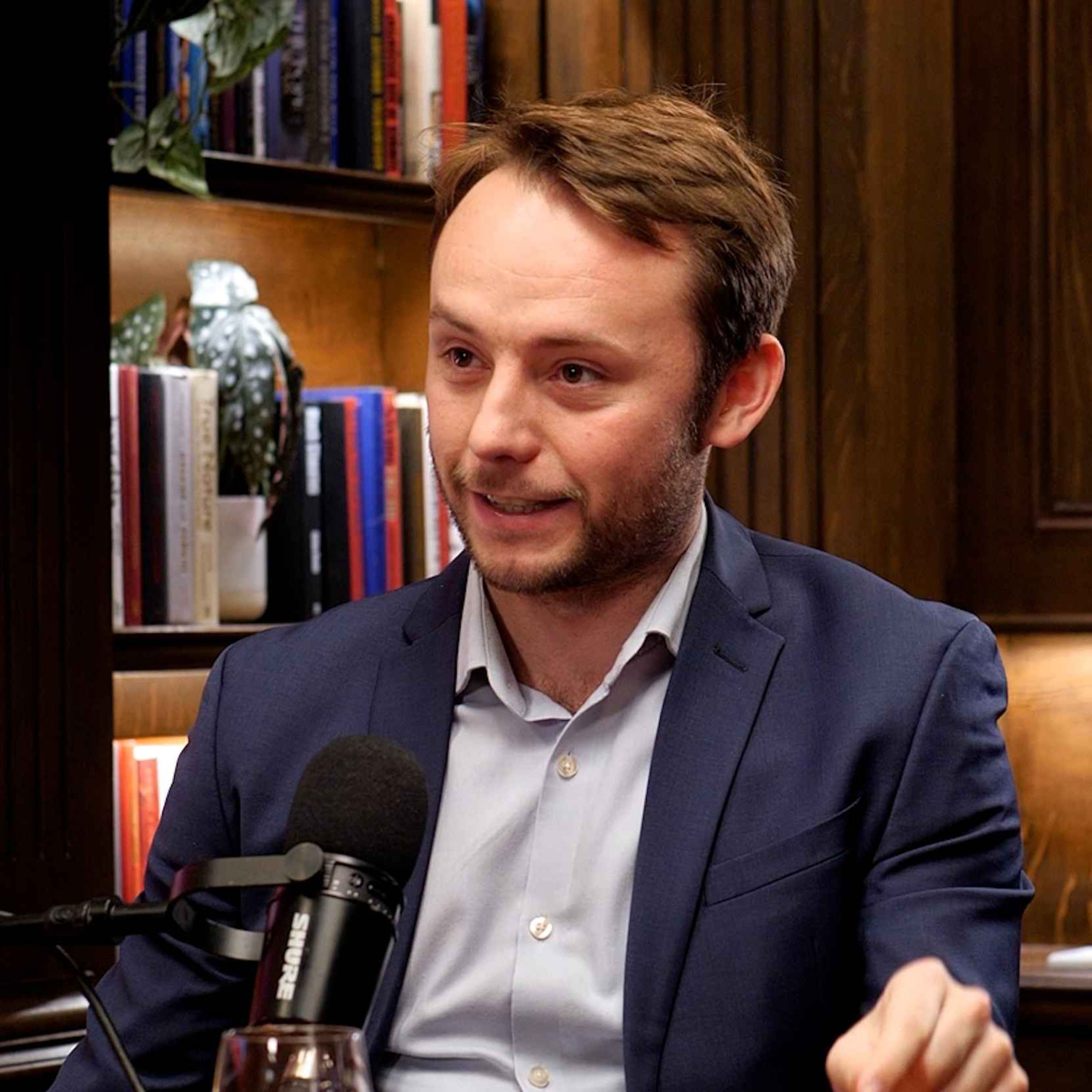
You might know Michael Johnson as one of the greatest sprinters in Olympic history, the first man to win both the 200m and 400m at the same Olympic Games, or for his iconic gold running shoes and distinctive upright running style. A four-time Olympic gold medallist and eight-time World Champion, Johnson dominated athletics throughout the 1990s, becoming synonymous with winning. But behind the medals and records lies a story of self-doubt, disappointment and learning how to cope when things don't go to plan. In this episode of How To Fail, we discuss Michael's childhood growing up as the youngest of five in 1970s Dallas, his early struggles with confidence and how he found his way from American football to athletics. He reflects on the Olympic heartbreaks that shaped his career, from missing out on the 1988 Games through injury to losing his chance at gold in Barcelona in 1992 after food poisoning, and how he learned to process disappointment along the way. We also talk about the pressures of elite sport, managing stress and the importance of having the right people around you. Finally, Michael opens up about the stroke he suffered at the age of 50 in 2018, the frightening experience of losing his independence and how the mindset that made him an Olympic champion helped him navigate rehabilitation and rebuild his sense of identity. Questions this episode tackles: How do I stay calm under pressure? How do I rebuild strength and mobility after a stroke? How do I increase my running cadence? IN THIS EPISODE 00:00 Introduction 03:55 Gold Sneakers and Wildfire Home 05:30 Sprint Strategy and Flow 08:51 Stress Checks and Stroke Lessons 11:47 Shy Teen to Finding Confidence 13:54 Family Roots and Realism 17:23 Fatherhood and Raising a Musician 23:38 Olympic Setbacks 1988 and 1992 27:19 Rebuilding After Public Failure 28:26 Reframing Olympic Loss 29:45 Loneliness and Support 31:51 Destiny and Confidence 34:20 Sponsor Message Break 35:35 Food Poisoning Reveal 35:51 Atlanta Gold Moment 38:44 Unusual Running Style 40:10 Stroke as Final Failure 48:13 Rehab and Identity Shift 54:49 Competition and Life Advice 56:17 Closing Reflections QUOTES TO REMEMBER: You may not be experiencing any sort of emotional reaction to stress… but that doesn't mean that it does not affect you. Knowing yourself as an individual and how you actually respond to things and why is very important. There are so many lessons in the failures and the losses… it’s a part of the story. LINKS + MENTIONS: Elizabeth’s Substack: www.theelizabethday.substack.com WANT MORE? Sir Chris Hoy (2026) -swap.fm/l/FPumpTWkBzTOcjW38FG9 LOVE THIS EPISODE? Follow How To Fail & Elizabeth: Instagram: @elizabday TikTok: @howtofailpod Podcast Instagram: @howtofailpod Website: www.elizabethday.org Elizabeth and Michael answer listener questions in our subscriber series, Failing with Friends. Join our community of subscribers here: https://lnk.to/7i0moR Click here to get in touch: askhowtofail.com Production & Post Production Coordinator: Eric Ryan Engineer: Matias Torres Assistant Producer: Shania Manderson Senior Producer: Hannah Talbot Executive Producer: Alex Lawless

Episode information is provided by the publisher. Listening takes place on the publisher’s service.

Listen at the source ↗

Featured places to meet in Palo Alto, CA

Explore these places and arrange a conversation through ThinkMatch.

City guide for Palo Alto, CA

More from How To Fail With Elizabeth Day

How To Fail With Elizabeth Day

Laura Kuenssberg - The abuse is awful, but I have a job to do.

50 min

You might know Laura Kuenssberg as the BBC’s first female political editor, the presenter of Sunday with Laura Kuenssberg, or a familiar voice on Newscast. Having spent decades holding politicians to account, she is one of the most recognisable faces in British journalism. But for someone so often on our screens, Laura rarely puts herself at the centre of the story. Her new book, Pay Attention, draws on her years of reporting to explore the relationship between politicians and the public, and why we need to listen more closely to each other. In this conversation, Laura shares the stomach-dropping moment she accidentally sent Boris Johnson her entire interview plan; the abuse and intimidation that led to her needing personal security and the double standards women face in front of the camera. Laura also opens up about learning she *can’t* actually do everything, the importance of asking for help and a wardrobe malfunction in front of world leaders that was rescued…with gaffer tape. IN T

Discuss this episode

How To Fail With Elizabeth Day

Sue Perkins - “My Late ADHD Diagnosis Changed My Life”

50 min

You might know Sue Perkins from her long-running partnership with Mel Giedroyc, presenting The Great British Bake Off (The Great British Baking Show for our American friends), or from TV and radio shows including The Supersizers..., Just a Minute and her many travel documentaries. A comedian, broadcaster, writer and presenter, Perkins has been a fixture on British television for more than 25 years. In 2023, she was diagnosed with ADHD, inspiring her latest Audible Original, Attention Please!, an exploration of neurodivergence, dopamine and what it means to navigate life with a differently wired brain. In this episode of How To Fail, we discuss Sue's late ADHD diagnosis and how undiagnosed neurodivergence shaped her childhood and school years; the traumatic experience of having a pituitary tumour dismissed by a male doctor because she didn't have a husband or boyfriend, and the lasting impact that had. We also talk about grief, shame and friendship, as Sue reflects on drifting apart fro

Discuss this episode

How To Fail With Elizabeth Day

Greg Wise - ‘Therapy Saved My Life. And My Marriage.’

53 min

You might know Greg Wise as swoonsome Willoughby in the 1995 Sense and Sensibility TV adaptation (where he met his future wife, Dame Emma Thompson, on set); or from his roles in Cranford, The Outcast, The Crown or The Buccaneers. But Wise’s career spans far beyond the world of film and TV. A passionate advocate for talking openly about grief, particularly among men, Greg is an ambassador for Marie Curie, Carers Trust and the Good Grief Trust, and a patron of End of Life Doula UK. His new book, Grief Talking, uses his own personal stories of loss to provide the reader with an emotional and practical map to exploring the most difficult human landscapes. In this conversation, we discuss the depths of trauma and grief, how you have to be able to take rejection as an actor, his and Emma’s experience of IVF, and the unconventional way they built their family. IN THIS EPISODE 00:00 Introduction 03:07 Why He Wrote Grief Talking 05:05 Masculinity And Mourning 06:20 Trauma Versus Grief 08:03 End

Discuss this episode

Community Poll

Institutions should demonstrate equal treatment through people's actual experiences, not just written policies.

Share your view, then see how readers voted. No sign-in required. This poll is shared across stories.

Do you agree or disagree?

Choose one answer

Common Quandary

A Common Quandary to discuss

Another conversation to explore, separate from this news story.

Your anonymous gift could inspire millions more if you reveal your name. Do you?

A donor wants to make a transformative gift without recognition. The charity believes announcing the gift and the donor's identity would encourage matching contributions and help far more people.

Can the opportunity to create more good outweigh a preference for privacy?

Explore this quandary