Listen through the publisher, then discuss the episode here or arrange an in-person Roundtable. Your city determines where to meet.
Roundtables are designed for groups of four, with a shared subject and room for everyone to speak. Come for discussion, with no dating expectation.
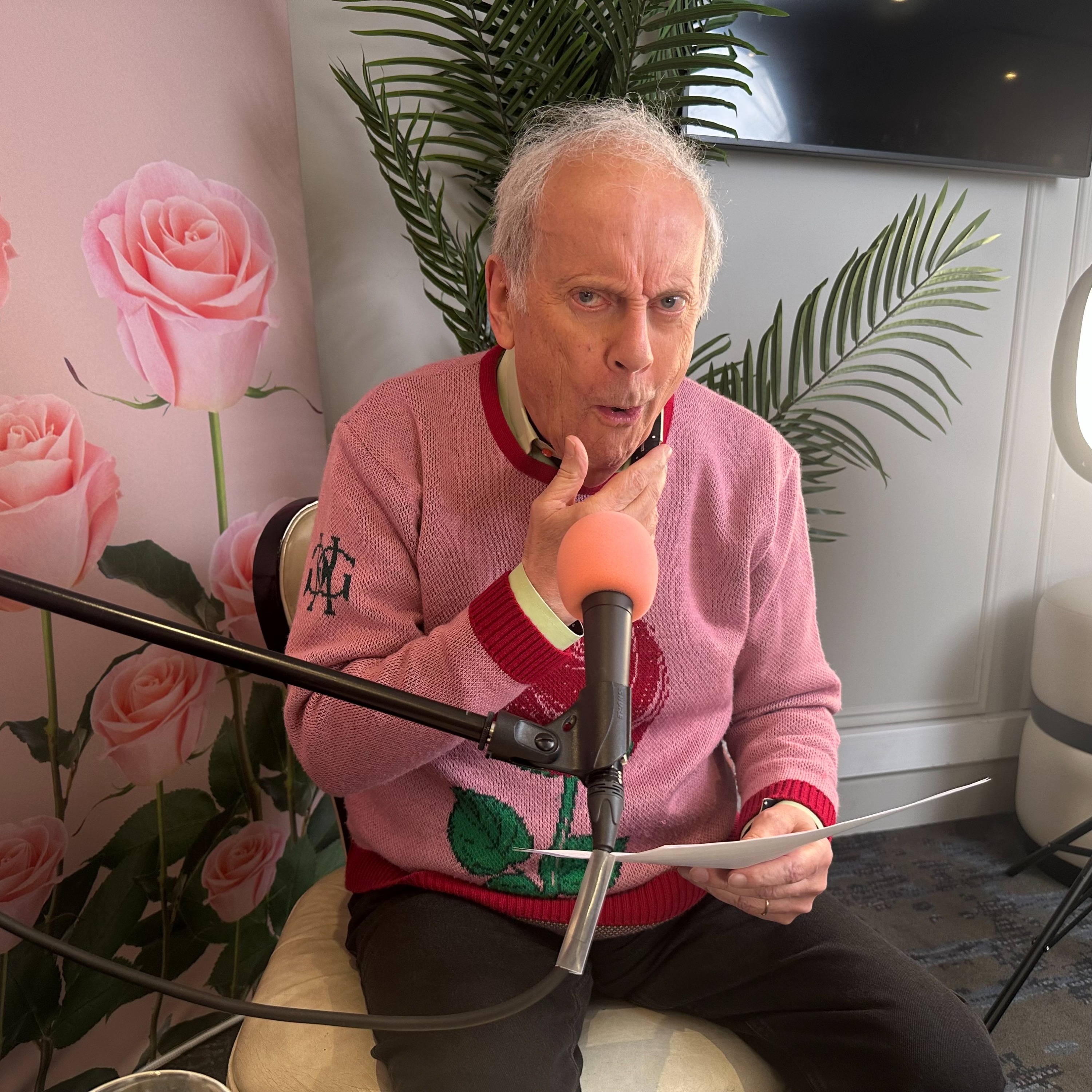
It's time for another deep-dive into Gyles's archive, as he reads from his 1982 diary. It's another fascinating year in the life of Brandreth, and a portrait of our times. Gyles gets on well with Kenneth McMillan, struggles to work with Julian Slade, and finds Anthony Burgess deliciously dangerous. But while the days are filled with gaiety and frivolity, behind the scenes things are much more serious: the British are at war with Argentina in the Falklands, and Gyles's dear Pa is dying. Plus Gyles and Harriet chat about hotels, and read a moving listener email. Thank you so much for writing in to us - we love hearing from you. We're at [email protected]. Enjoy this! Hosted on Acast.
Episode information is provided by the publisher. Listening takes place on the publisher’s service.
What’s up, Flog Nation, and welcome to Flaps, Cracks & Beeswax! What the F@#k opens with a Thanksgiving agenda organised down to the minute, a bit of Viennetta nostalgia, and a weight-loss ad whose side effects sound worse than the sales pitch. The boys also ask whether Gus would be ready to defend the Flogs if a fight broke out next year. We bring back a special snag review in memory of our late little Bray Park Butcher mate. Kirb gets hustled by a herd of walkers, Gibbo shares the words that help him manage anxiety, and a Flog tells us what it’s like living with synaesthesia. Plus, a last-dollar lotto ticket comes painfully close. Kirb’s Evening News brings a nasty cat, a car that can’t park itself, turkeys fighting back, and a Survivor contestant bidding for his own stuff. What Caught Our Eye has a defrosted “Bigfoot”, an eyeball plant, an insect in Gibbo’s eye, and things stuck where they really shouldn’t be. Enjoy, legends! [email protected] If you’re going to bet, bet w
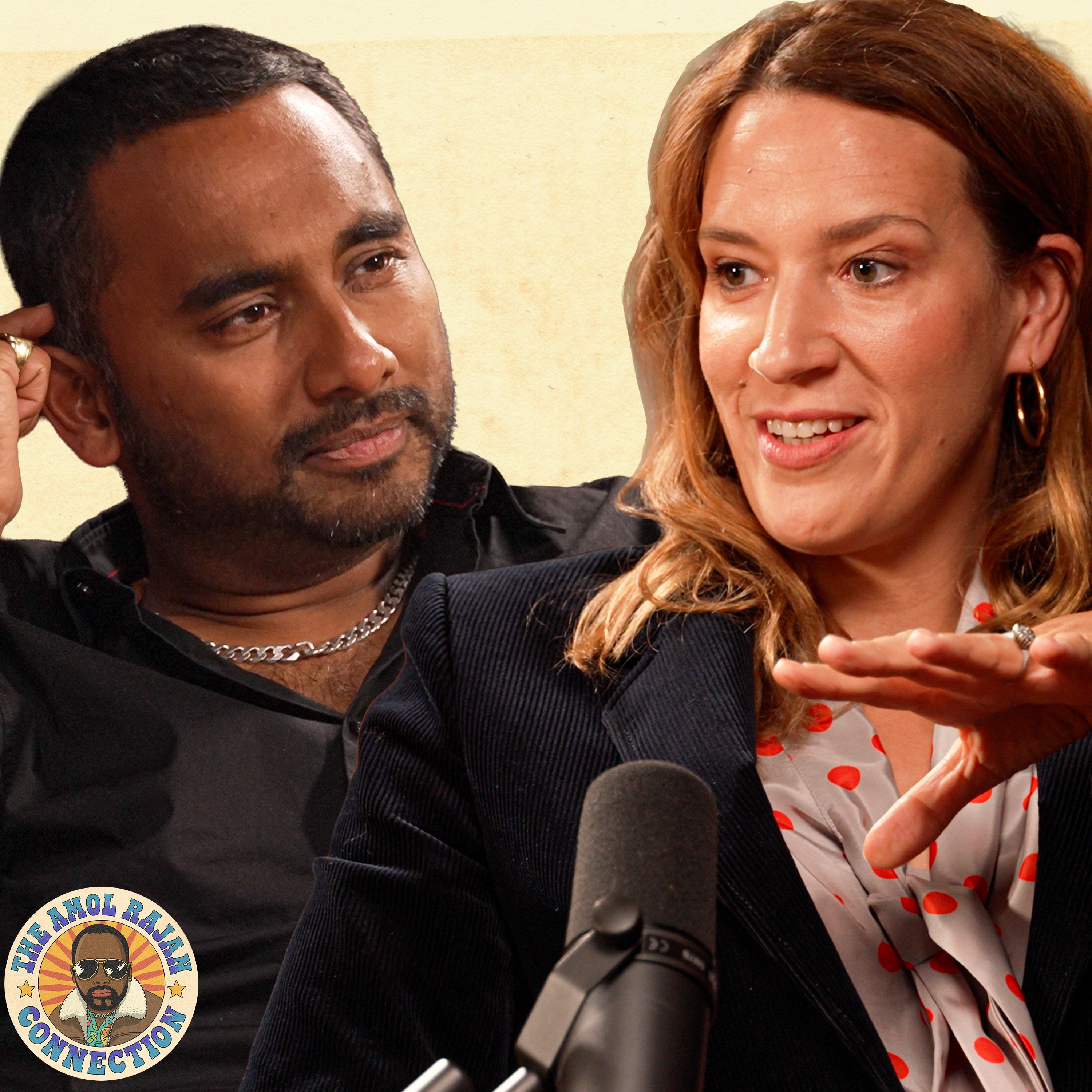
What happens when you’ve got the degree and the job, yet the only friends getting onto the property ladder are the ones whose parents can help them buy? Amol Rajan is joined by historian Dr Eliza Filby, author of Inheritocracy, for a deep dive into the social and economic forces shaping our future. Together, they explore how the 3Ps—pay, property, and pensions—have changed dramatically over recent decades; and look at the urgent need to control and shape our future, and rebuild society, in a fast changing world. Please click and follow the Amol Rajan Connection (it’s free). Thank you - it means a lot. NEWSLETTER: If you would like the free newsletter, this is the link to sign up or join our club here. ON TOUR: Need a Christmas present? Amol is on tour in 2027 with the Amol Rajan Connection. Details here. Books mentioned by Amol and Eliza: The Inheritocracy by Dr Eliza Filby God and Mrs Thatcher: The Battle for Britain’s Soul - by Dr Eliza Filby HillBilly Elegy - JD Vance Chapters: 00:0
Can the mind access information beyond the reach of our senses? How do remote viewers separate useful impressions from imagination and how can their results be tested? In this special extended edition of That UFO Podcast, I bring together over six hours of conversations exploring remote viewing, its connections to UFOs, and the questions surrounding its practice. We begin with Joe McMoneagle, who shares his experiences working on the US government’s remote-viewing programme and some of his most remarkable cases. Debra Katz explores the process, its challenges and your listener questions, before Simeon Hein and Daz Smith offer their perspectives on research, consciousness and viewing unusual targets. Featuring interviews from across the podcast’s archive, including early episodes newer listeners may never have heard, this omnibus brings together extraordinary accounts, practical explanations and discussions about evidence, interpretation and the limits of what can be verified. Originall
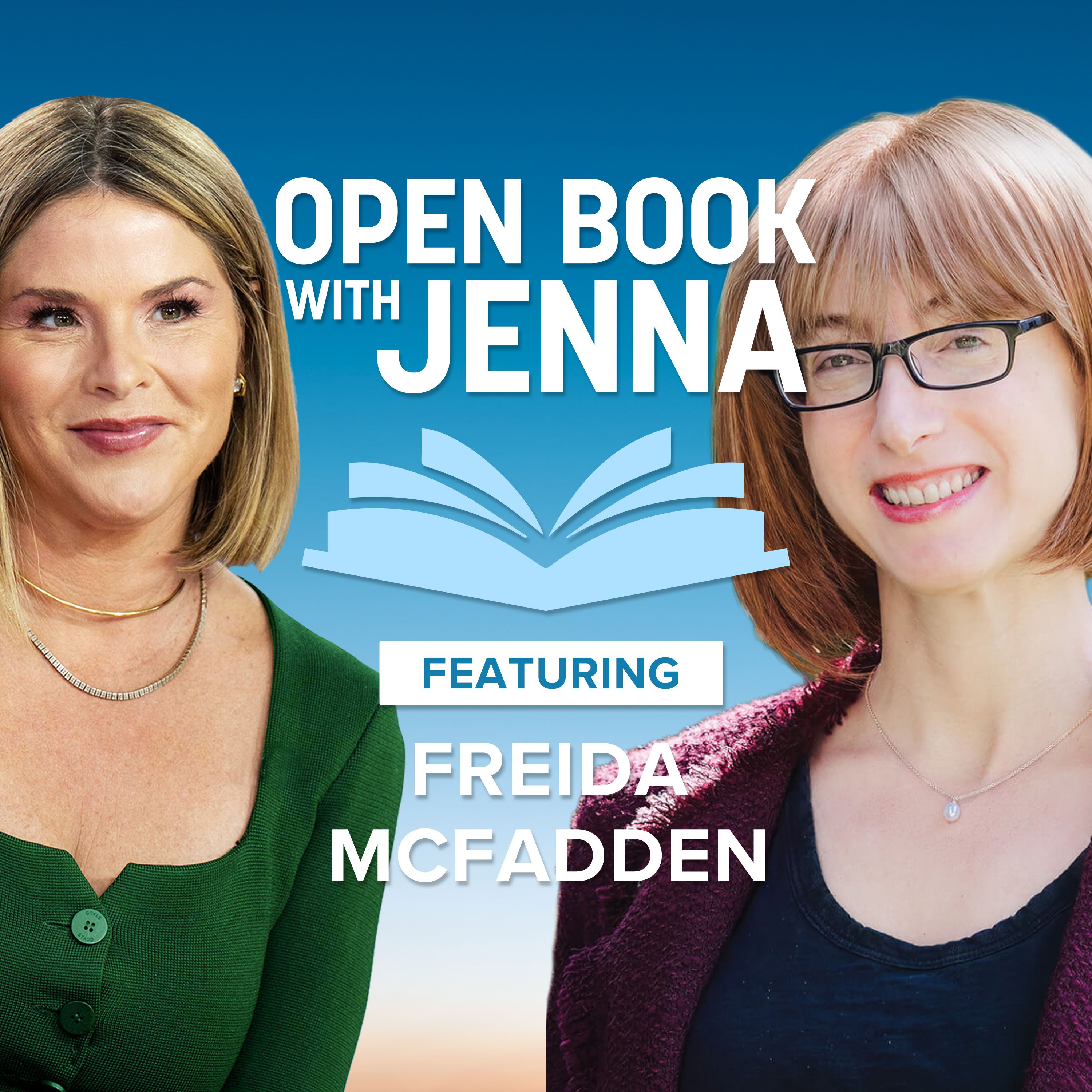
New York Times bestselling author Freida McFadden sits with Jenna Bush Hager to share how she balances life as a physician and a thriller writer. Freida reflects on her early love of writing, how she crafts her trademark twists, and the rise of The Housemaid, now becoming a film starring Amanda Seyfried and Sydney Sweeney. She also opens up about maintaining her privacy, writing under a pseudonym, and the craziest rumors she’s heard about herself. Hosted by Simplecast, an AdsWizz company.
This week on the SheerLuxe Podcast, Billie Bhatia is joined by Polly Newman and Lucia Hawley to celebrate Polly’s final episode before her maternity leave and unpack the biggest pop culture moments, winter shopping wish lists and festive dilemmas. First, the team share what they’re loving – from independent art galleries in Bath and Netflix’s 90s crime drama ‘Legends’, to the ‘Hot History’ podcast and the best breakfast spots and hotels in New York. Next, they run through what they’re buying for winter and party season, covering nautical windbreakers, feather-trimmed evening bags, Massimo Dutti loafers and the monogrammed canvas tote Lucia is desperate to get her hands on. In ‘The Lowdown’, the trio unpack Miley Cyrus’s wedding dress code fiasco – questioning whether guests should ever be told what colour to wear after one attendee turned up to the all-black affair in bright yellow. They also debate the endless wave of TV reboots and why nostalgic ‘comfort watches’ like ‘Gossip Girl’ a
At this week's COP31 climate conference in Turkiye, the 190 gathered nations could not agree on the need to transition away from fossil fuels. Despite widespread and longstanding agreement on the science of anthropogenic climate change, policymaking continues to be delayed, weakened and blocked. So how does 'climate obstruction' work, and what might circumvent it? Guest: Christian Downie, Professor in the School of Regulation and Global Governance at the Australian National University, and director of its ‘Governing Energy Transition’ Lab Producer: Jack Schmidt Get in touch: Email us at [email protected]
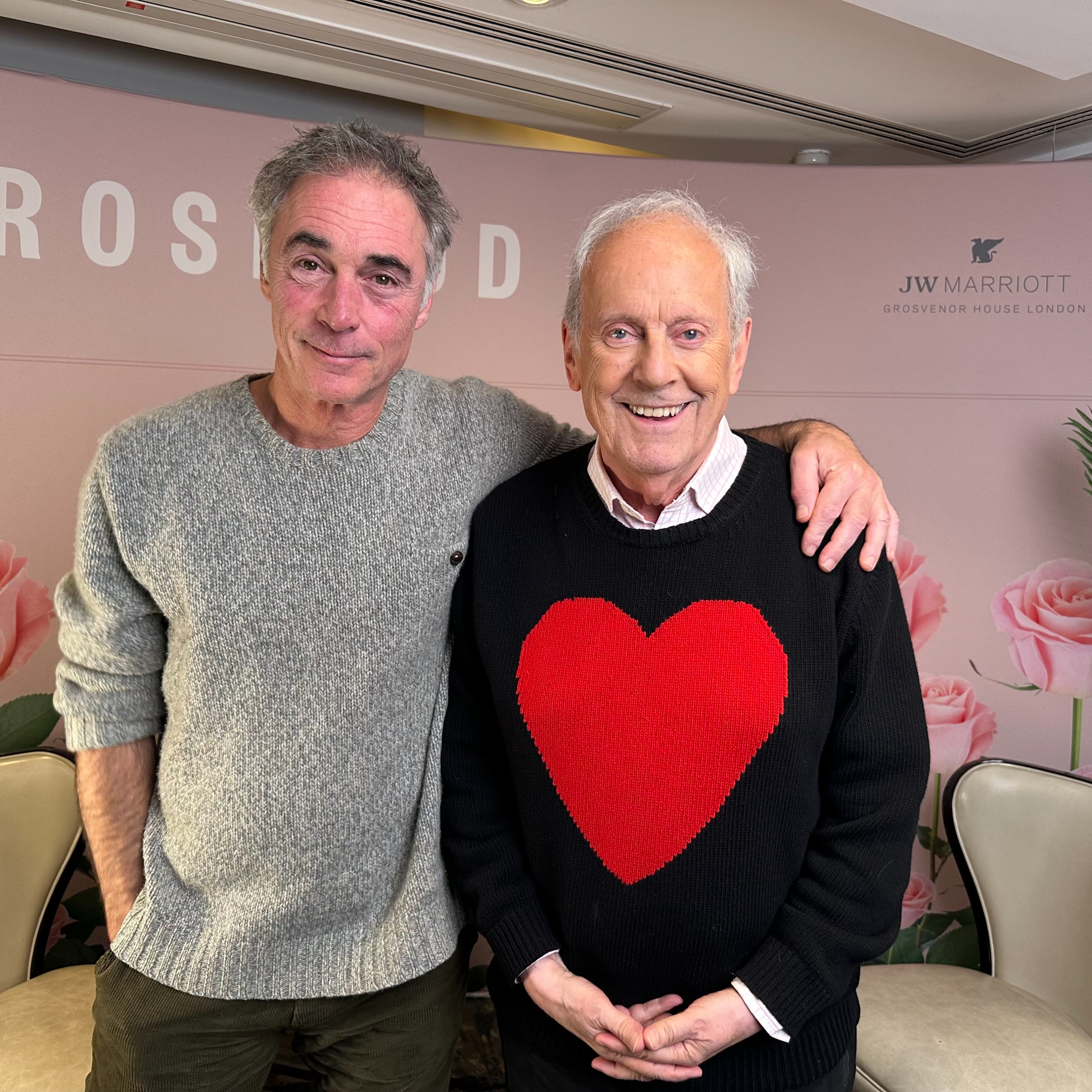
Greg Wise tells Gyles about his life - starting with the fascinating history of his parents, both of whom had overcome adversity and were creative, yet ultimately badly matched. As a result, Greg and his older sister, Clare, grew up in a turbulent household, caught between their dad's self-containment and withdrawal and their mum's violent and passionate outbursts of rage. This brought the siblings close - and the episode ends with Greg's moving account of caring for Clare during her final illness, and her death in 2016. Greg also talks about his school days, when he took the unprecedented step of joining the choir and the rugby team, his days at university in Scotland, and his eccentric and sociable student flat. He talks about the death of his friend, Simon. And he talks about meeting Emma Thompson and their experiences doing IVF. Greg's book Grief Talking is out now and available here (https://www.waterstones.com/book/grief-talking/greg-wise/9781035058297). It's highly recommended f
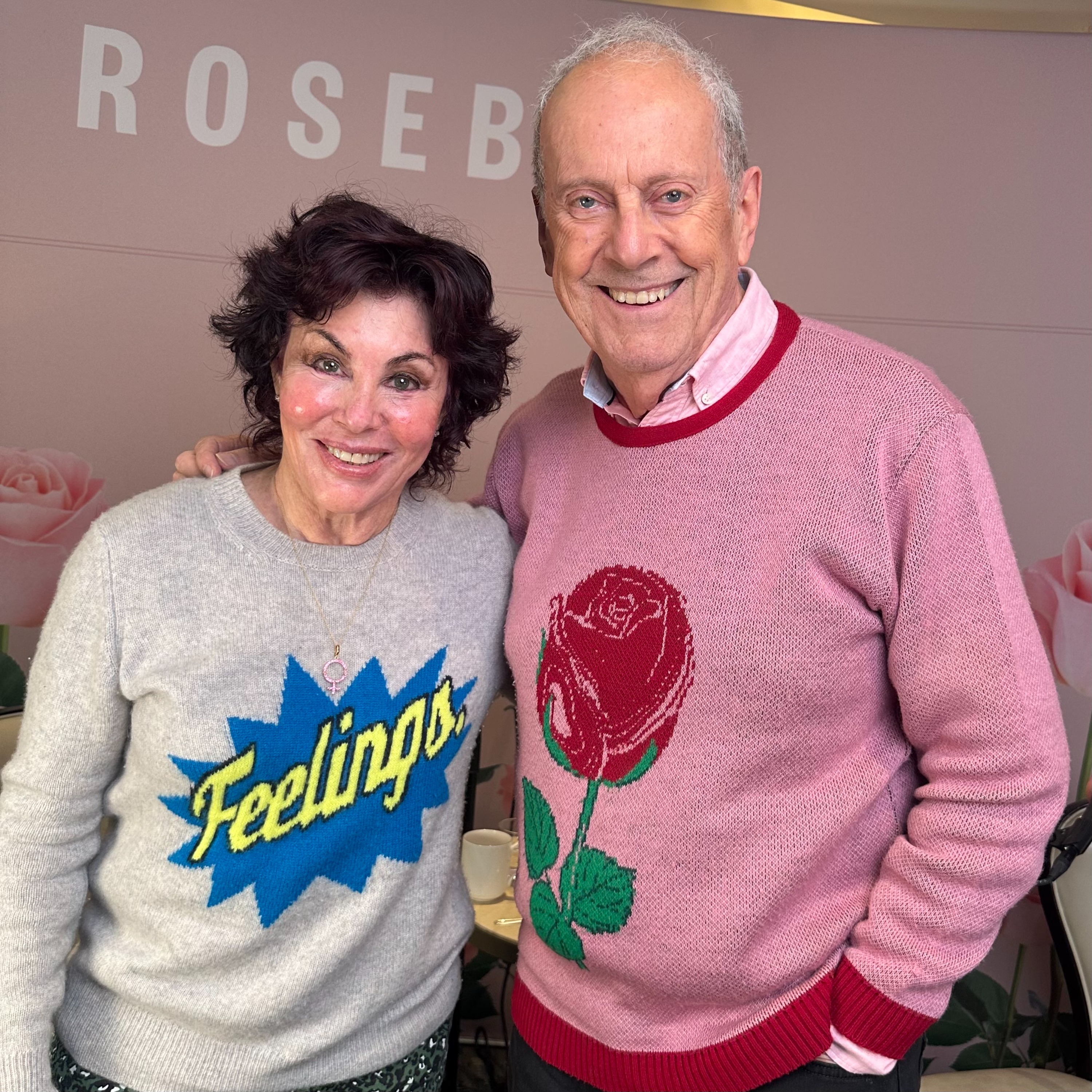
Ruby Wax tells Gyles the story of her extraordinary life - and it really is an extraordinary story... Born to Jewish emigrés who had fled Vienna in the 1930s, Ruby was brought up in Evanston, Illinois in a household overshadowed by aggression, OCD and mental illness. Her parents were both, in their own different ways, damaged, and "brought WWII to our kitchen outside Chicago"; they also forbad Ruby from going outside and getting dirty, and wrapped the furniture in plastic to keep it neat. But Ruby escaped; first through her bedroom window to San Francisco, and finally to England, where she eventually got work at the RSC and met lifelong friends Alan Rickman and Zoë Wanamaker. Rickman encouraged her to write about her childhood, and from there Ruby's life was set - she became a writer and performer, known for her wit, irreverence and sass, and went on to interview stars like Donald Trump (find out what she really thought of him) and OJ Simpson. Ruby has also suffered from depression and
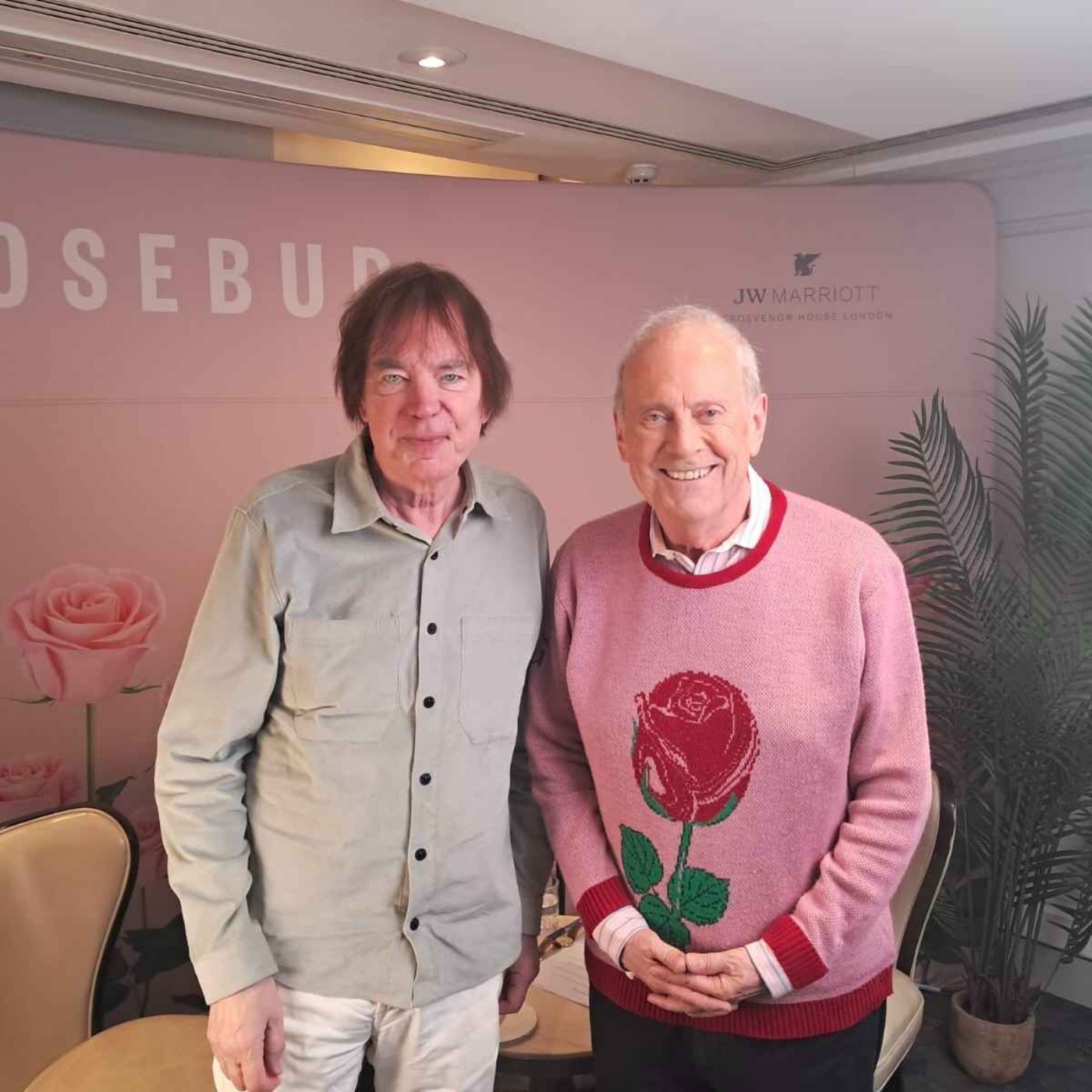
Julian Lloyd Webber, the great solo cellist and former principal of the Royal Birmingham Conservatoire, is our guest today. This is a fascinating and frank conversation, full of music, which begins in the South Kensington mansion block flat in which Julian grew up, alongside his complicated musician parents, his grandmother, his brother, Andrew, and various talented musical lodgers - including, at one point, Tim Rice (who once did Julian's homework for him). Julian tells Gyles about his father, an organist and frustrated composer, and his mother, who was a talented pianist and teacher. Gyles and Julian then talk about high points Julian's career - including playing at the handover of Hong Kong to the Chinese and being conducted by Yehudi Menuhin, and also the low point: when Julian was struck down by a serious neck injury and didn't play the cello for 12 years. Julian's memoir, Bows and Arrows, is out now and available here (https://www.waterstones.com/book/bows-and-arrows/julian-lloyd
Employees should usually have a say in whether their work requires office attendance.
Share your view, then see how readers voted. No sign-in required. This poll is shared across stories.
Do you agree or disagree?
Common Quandary
A Common Quandary to discuss
Another conversation to explore, separate from this news story.
An old friend refuses to use someone's new name. Do you correct them at the reunion?
At a reunion, an old friend repeatedly uses the name a former classmate had years ago. They say shared history gives the old name affectionate meaning; the classmate has clearly introduced themselves with a different name.
When does preserving your shared past deny who someone is now?