Listen through the publisher, then discuss the episode here or arrange an in-person Roundtable. Your city determines where to meet.
Roundtables are designed for groups of four, with a shared subject and room for everyone to speak. Come for discussion, with no dating expectation.
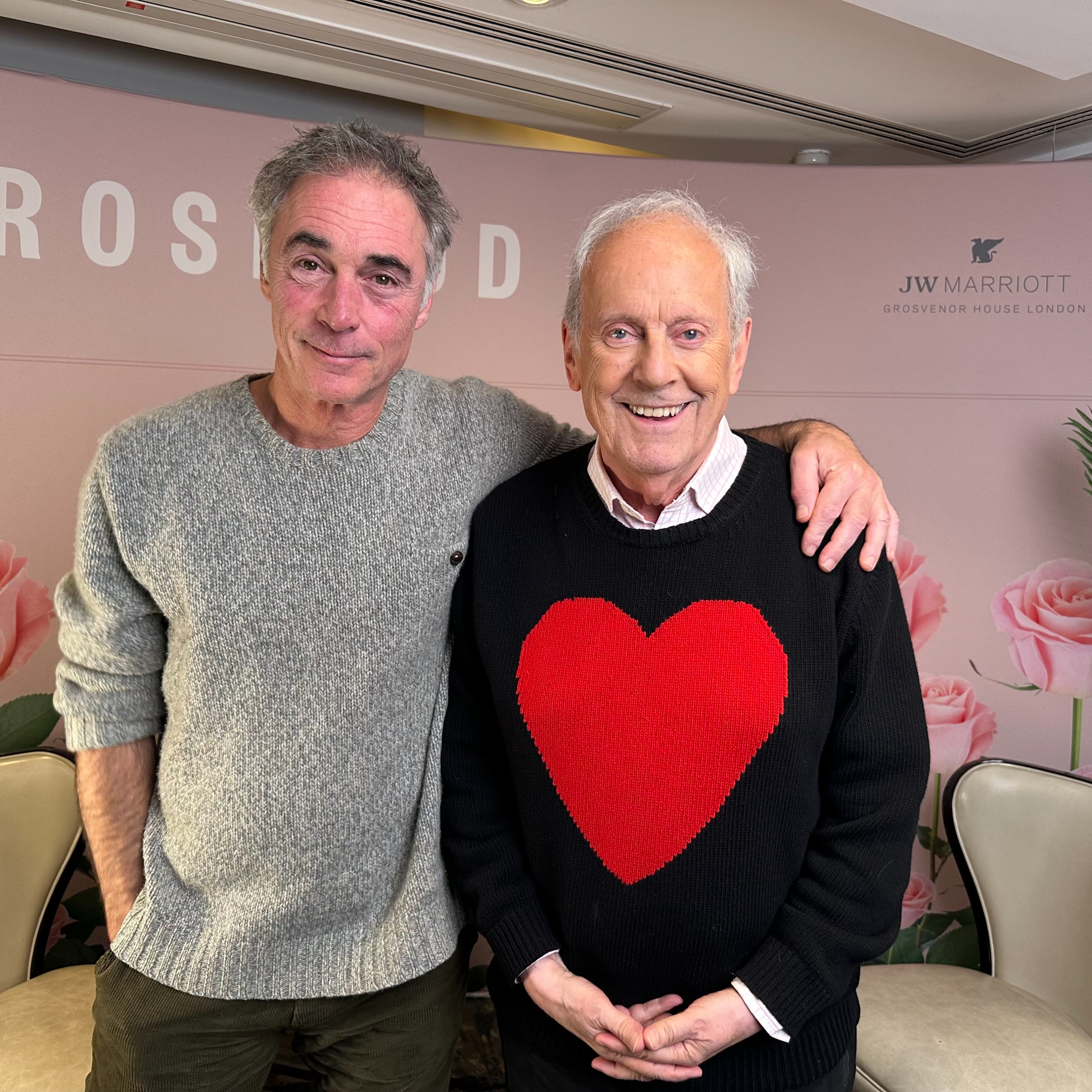
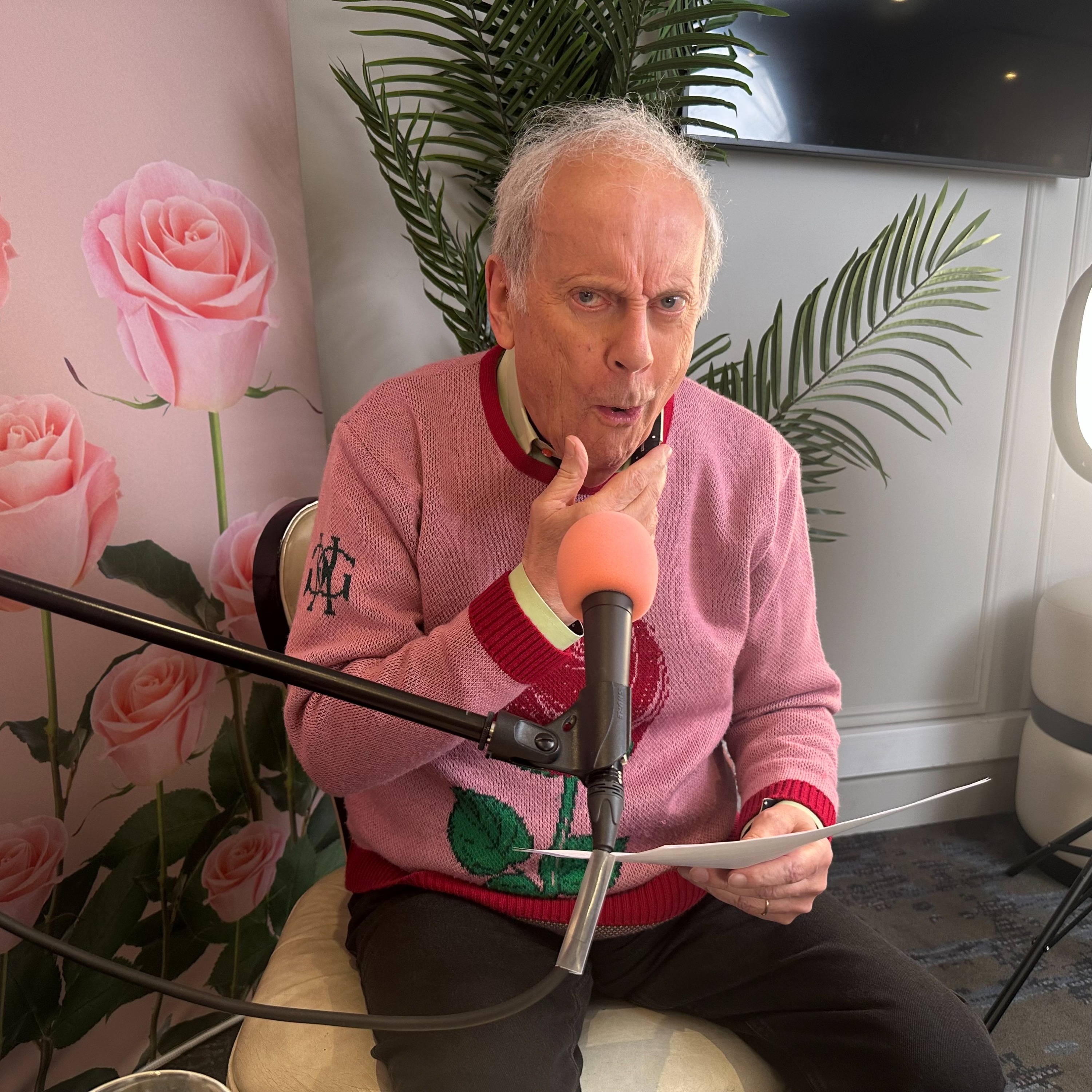
Greg Wise tells Gyles about his life - starting with the fascinating history of his parents, both of whom had overcome adversity and were creative, yet ultimately badly matched. As a result, Greg and his older sister, Clare, grew up in a turbulent household, caught between their dad's self-containment and withdrawal and their mum's violent and passionate outbursts of rage. This brought the siblings close - and the episode ends with Greg's moving account of caring for Clare during her final illness, and her death in 2016. Greg also talks about his school days, when he took the unprecedented step of joining the choir and the rugby team, his days at university in Scotland, and his eccentric and sociable student flat. He talks about the death of his friend, Simon. And he talks about meeting Emma Thompson and their experiences doing IVF. Greg's book Grief Talking is out now and available here (https://www.waterstones.com/book/grief-talking/greg-wise/9781035058297). It's highly recommended for anyone who has lost someone dear to them - which, let's face it, is most of us! Our thanks to Greg for this wise, warm and lovely conversation. Hosted on Acast.
Episode information is provided by the publisher. Listening takes place on the publisher’s service.
My special guest tonight is Dr. Stephen Flowers who's here to discuss the history of Mazdan magic from his book called Original Magic: The Rituals and Initiations of the Persian Magi (https://www.amazon.com/Original-Magic-Rituals-Initiations-Persian/dp/1620556448/ref=sr_1_2?dchild=1&keywords=ancient+Persian+magic&qid=1604461378&sr=8-2)c A complete guide to the theory, practice, and history of Mazdan magic, the first organized system of magic • Provides a complete curriculum of magical study and initiation centered on exercises keyed to the sacred Zoroastrian calendar • Details advanced magical rituals and practices based on archaic Persian formulas, including fire rituals and divine invocations • Explores the history and lore of Persian magic, explaining how the author reconstructed the original Mazdan system of magic Stephen Flowers explores the history, theory, practice, rituals, and initiations of the Mazdan magical system practiced by the Magi of ancient Persia, who were so skilled
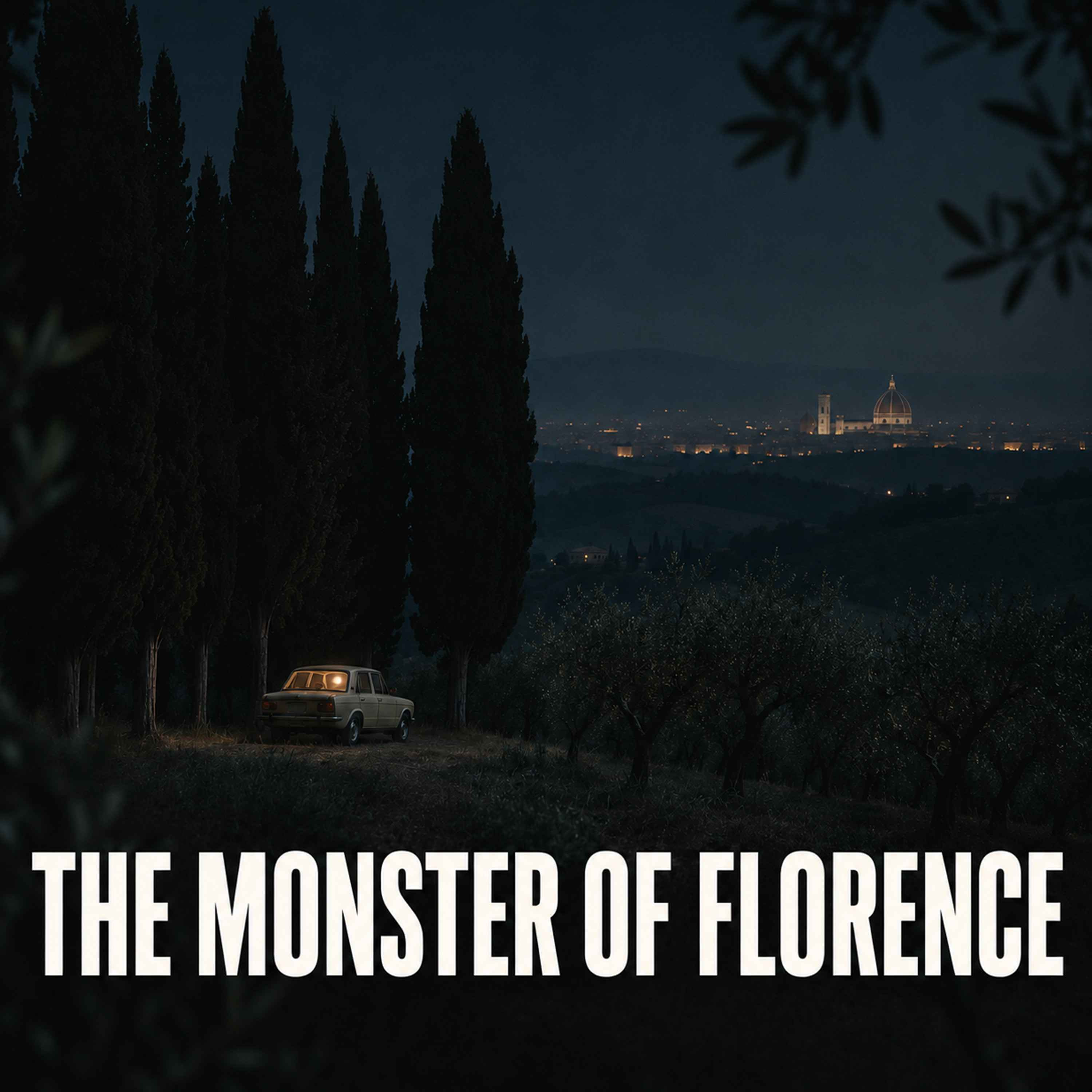
An American thriller writer moves into a farmhouse beside one of the Monster's crime scenes, and teams up with the journalist who knows the case better than anyone. Their search for the gun puts them in the sights of the investigation itself: an interrogation in Perugia, a hidden bug, a prison cell. Then new science starts to take the official version apart. In the final part, Ryan follows the case to the present day, and sets out where the evidence actually points. IF YOU KNOW SOMETHING The Monster of Florence killings have never been fully solved. If you have information, contact the Carabinieri on 112 (in Italy), or write to the Procura della Repubblica presso il Tribunale di Firenze (the public prosecutor's office in Florence), Palazzo di Giustizia, Viale Guidoni 61, 50127 Firenze, Italy. A NOTE ON SOURCING The full texts of the Italian court judgments in this case are not publicly available online, so this series draws on Douglas Preston and Mario Spezi's book, contemporaneous Ita
Poundland, one of Britain's best-known discount retailers has collapsed into administration putting 11,000 jobs at risk and raising fresh questions about the future of the high street. For many shoppers, Poundland has been a place to pick up affordable everyday essentials. But it's also a major employer of women - many of whom are drawn to the flexibility and accessibility that high street retail jobs offer. To discuss the impact of the close on women, Chloe Tilley is joined by Joanne Thomas, general secretary of Usdaw, the Union of Shop, Distributive and Allied Workers, Catherine Shuttleworth, CEO of Savvy Marketing, and Dr Daniella Jenkins, Executive Director of the Women's Budget Group. In 2022 the body of 19-year-old Leah Croucher, who went missing while walking to work in February 2019, was discovered at a house in Milton Keynes, less than half a mile from her home. Leah had been killed by a repeat sex offender who had been on the run from the police at the time. Leah's family are
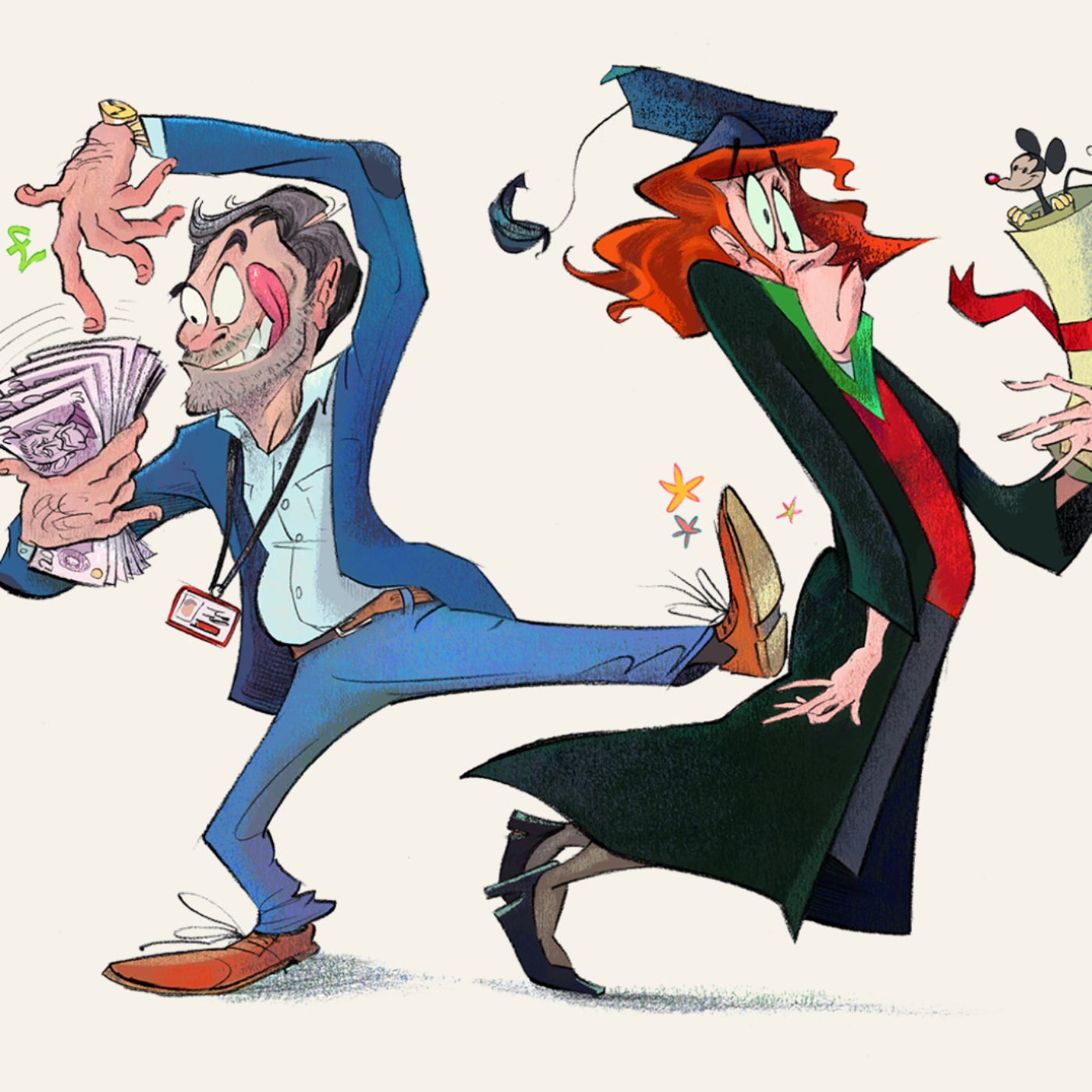
For this week’s Edition, William Moore is joined by the Spectator’s economics editor Michael Simmons, writer-at-large Max Jeffery and the historian Alice Loxton. This week: are Britain’s universities becoming degree factories? William Finlator explains the extraordinary growth of franchised universities – institutions which can make huge profits while offering courses with poor academic outcomes and, in some cases, little of the traditional university experience at all. Michael asks what universities are actually for, while Alice warns that low-quality degrees risk devaluing the reputation of British higher education. Is a bad degree worse than no degree? Also: how did Bangladesh’s violent politics end up on the streets of east London? Max explains how Britain has become a major arena for the country’s political factions, following the fall of Sheikh Hasina, with rival groups clashing on the streets while exiled politicians lobby British MPs. Is Britain equipped to deal with foreign po
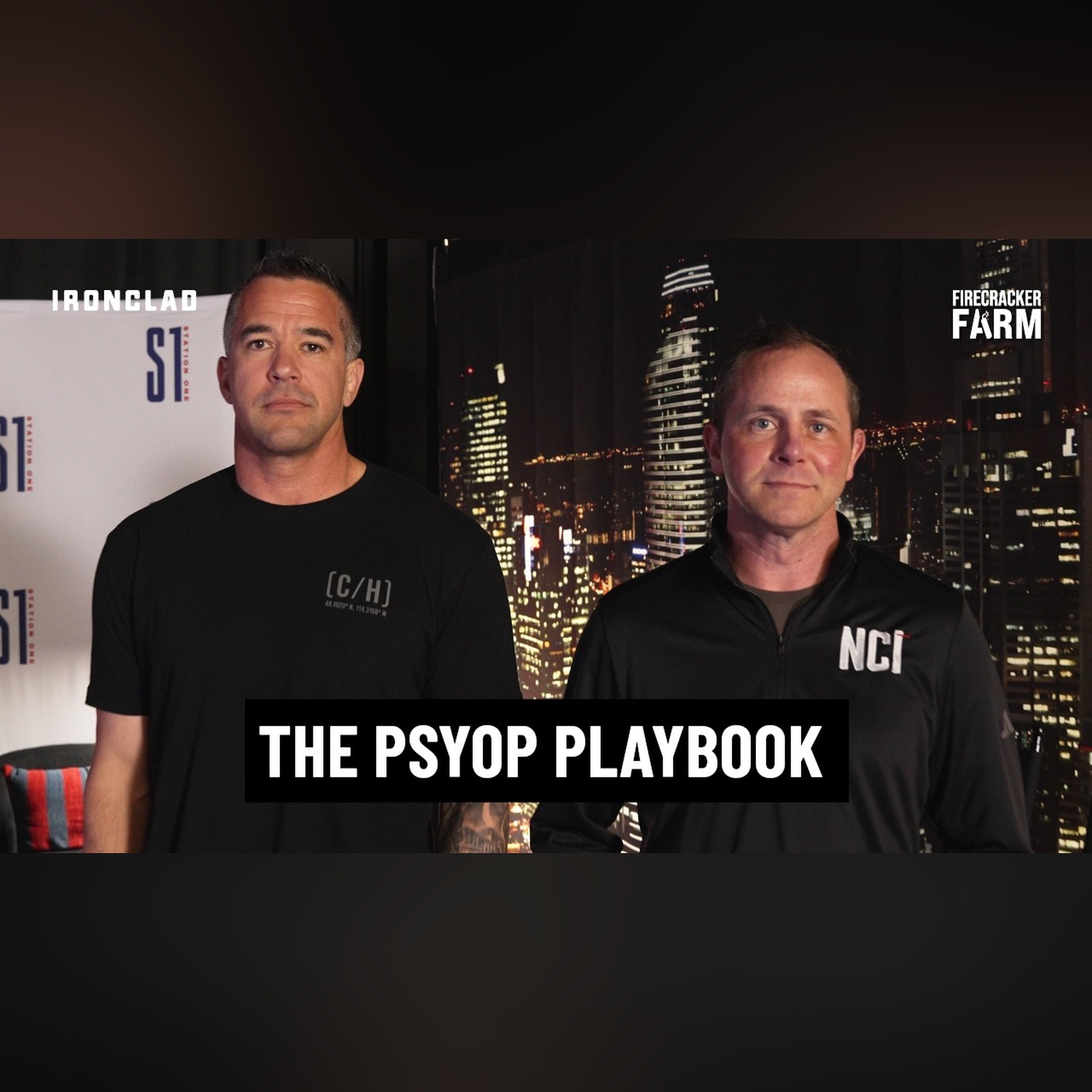
This is a PREVIEW of the upcoming episode of Change Agents. The full episode drops tomorrow at 5pm EST Uploaded 18-06-26 On this week's episode of Change Agents, Andy travels to Chase Hughes' new studio to break down how human behavior is manipulated at scale, from bot farms manufacturing fake consensus to the psychological framework Chase calls WOUND that explains why outrage, fear, and loneliness keep us glued to our phones. They dig into why Chase believes the algorithm is less a sinister mastermind and more an engine optimized purely for ad revenue, how think tanks may shape policy more than most people realize, and why Walter Cronkite and Julia Child both have far stranger backstories than anyone learned in school. Andy also gets a tour of Chase's new independent news studio, Station One, built to show audiences the psyops behind the headlines rather than just the headlines themselves. Change Agents is an IRONCLAD Original Firecracker Farm Norwood Sawmills: Learn more about Norwoo
It's nice to have a close relationship with your parents, but this guy took things WAY too far... The chooks who endured COVID-era situationships, you are some of our strongest soldiers fr fr LINKS: Follow It's A Lot on socials https://linktr.ee/itsalotpod CREDITS It's A Lot Social Media Manager: Julia Toomey Social Media and Marketing Strategist: Elizabeth Baxter Hosted on Acast.
It's time for another deep-dive into Gyles's archive, as he reads from his 1982 diary. It's another fascinating year in the life of Brandreth, and a portrait of our times. Gyles gets on well with Kenneth McMillan, struggles to work with Julian Slade, and finds Anthony Burgess deliciously dangerous. But while the days are filled with gaiety and frivolity, behind the scenes things are much more serious: the British are at war with Argentina in the Falklands, and Gyles's dear Pa is dying. Plus Gyles and Harriet chat about hotels, and read a moving listener email. Thank you so much for writing in to us - we love hearing from you. We're at [email protected]. Enjoy this! Hosted on Acast.
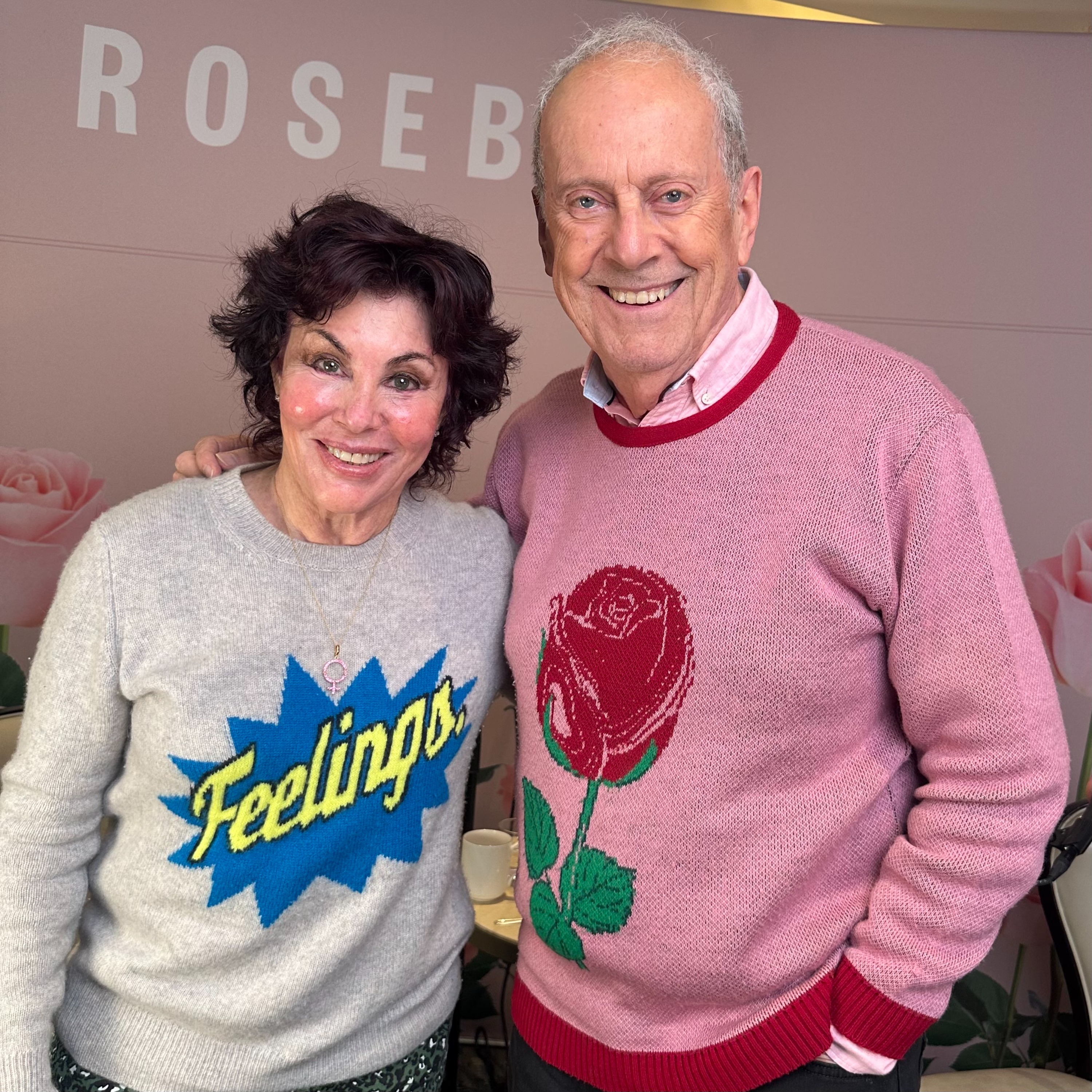
Ruby Wax tells Gyles the story of her extraordinary life - and it really is an extraordinary story... Born to Jewish emigrés who had fled Vienna in the 1930s, Ruby was brought up in Evanston, Illinois in a household overshadowed by aggression, OCD and mental illness. Her parents were both, in their own different ways, damaged, and "brought WWII to our kitchen outside Chicago"; they also forbad Ruby from going outside and getting dirty, and wrapped the furniture in plastic to keep it neat. But Ruby escaped; first through her bedroom window to San Francisco, and finally to England, where she eventually got work at the RSC and met lifelong friends Alan Rickman and Zoë Wanamaker. Rickman encouraged her to write about her childhood, and from there Ruby's life was set - she became a writer and performer, known for her wit, irreverence and sass, and went on to interview stars like Donald Trump (find out what she really thought of him) and OJ Simpson. Ruby has also suffered from depression and
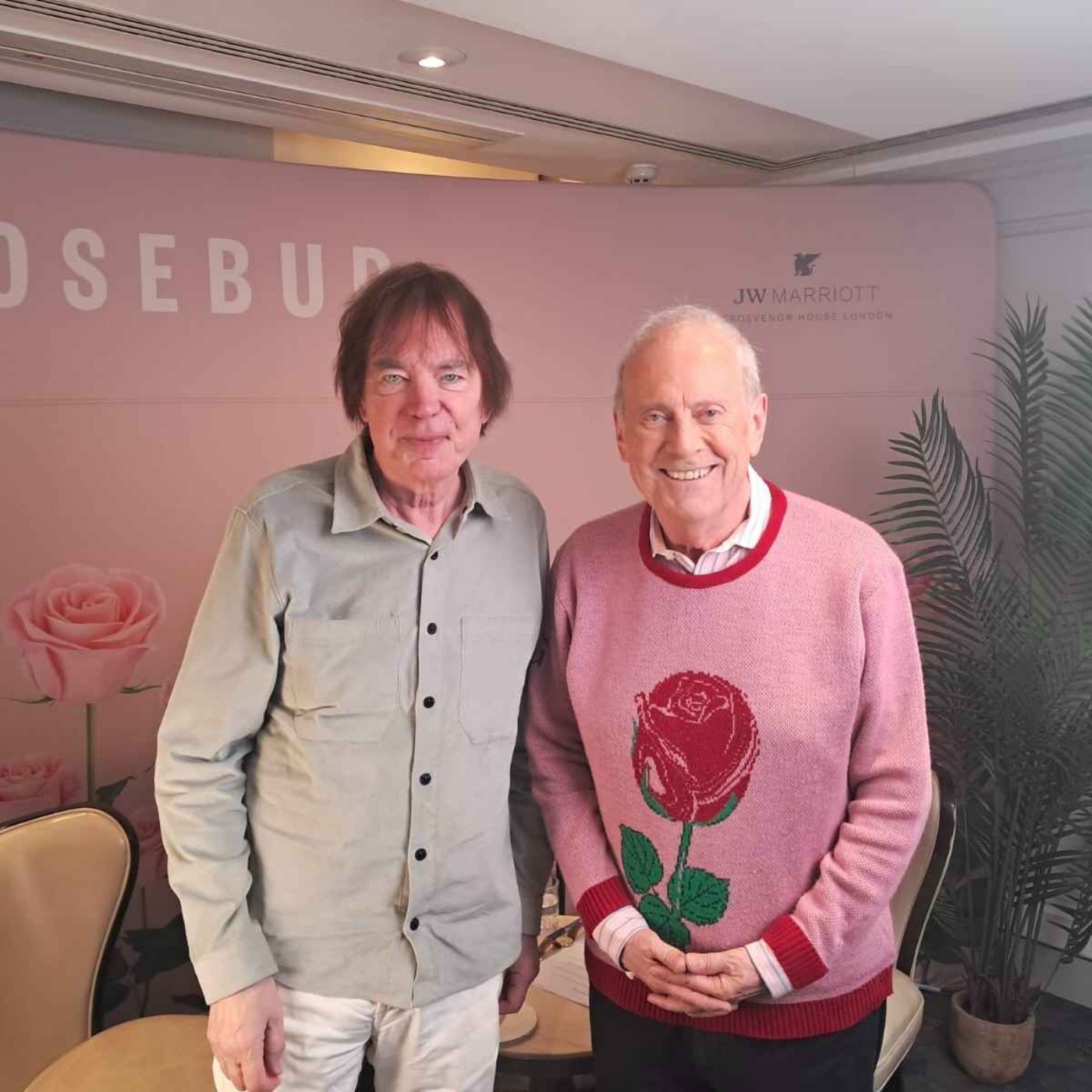
Julian Lloyd Webber, the great solo cellist and former principal of the Royal Birmingham Conservatoire, is our guest today. This is a fascinating and frank conversation, full of music, which begins in the South Kensington mansion block flat in which Julian grew up, alongside his complicated musician parents, his grandmother, his brother, Andrew, and various talented musical lodgers - including, at one point, Tim Rice (who once did Julian's homework for him). Julian tells Gyles about his father, an organist and frustrated composer, and his mother, who was a talented pianist and teacher. Gyles and Julian then talk about high points Julian's career - including playing at the handover of Hong Kong to the Chinese and being conducted by Yehudi Menuhin, and also the low point: when Julian was struck down by a serious neck injury and didn't play the cello for 12 years. Julian's memoir, Bows and Arrows, is out now and available here (https://www.waterstones.com/book/bows-and-arrows/julian-lloyd
Communities should help financially sustain independent local reporting.
Share your view, then see how readers voted. No sign-in required. This poll is shared across stories.
Do you agree or disagree?
Common Quandary
A Common Quandary to discuss
Another conversation to explore, separate from this news story.
Your anonymous gift could inspire millions more if you reveal your name. Do you?
A donor wants to make a transformative gift without recognition. The charity believes announcing the gift and the donor's identity would encourage matching contributions and help far more people.
Can the opportunity to create more good outweigh a preference for privacy?