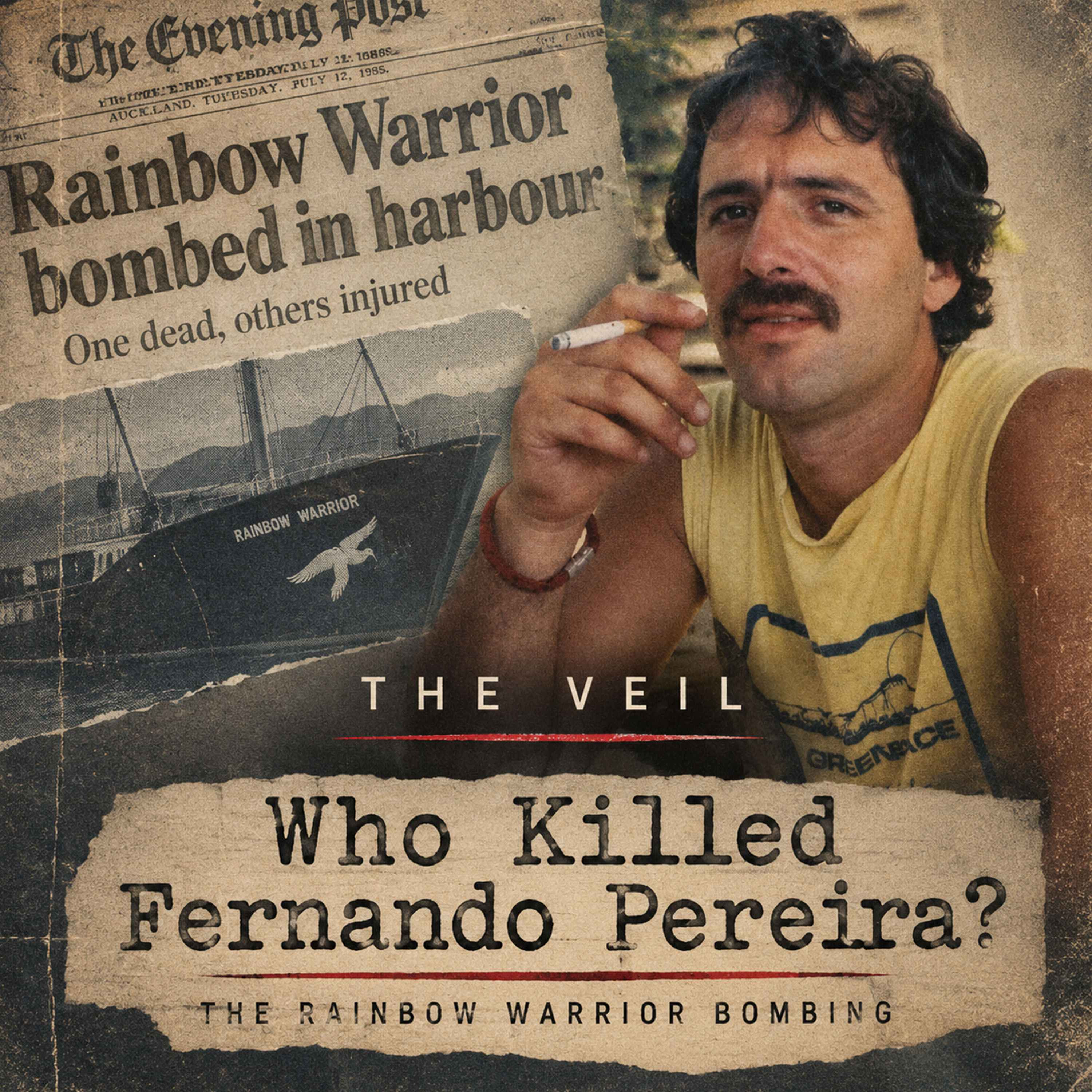
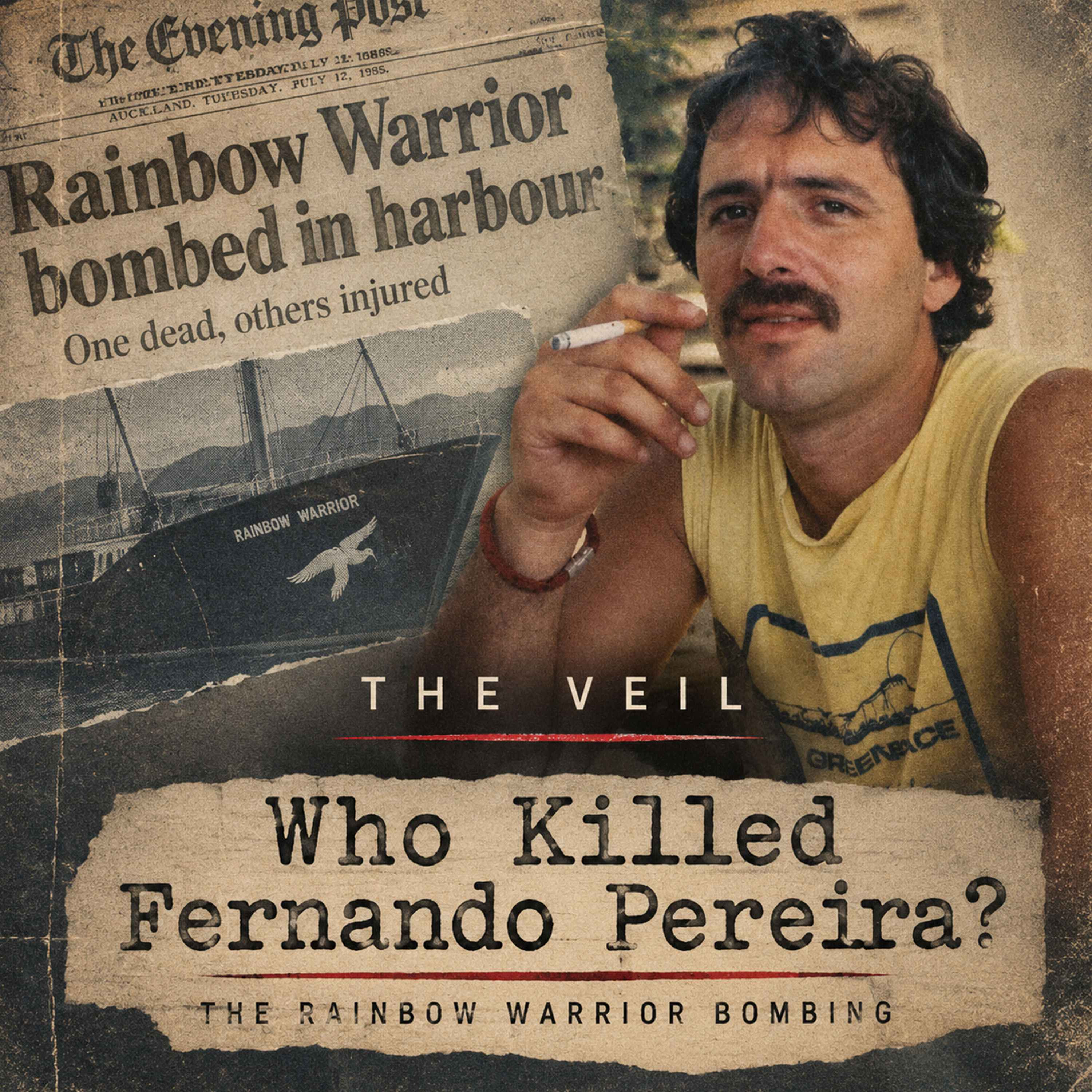
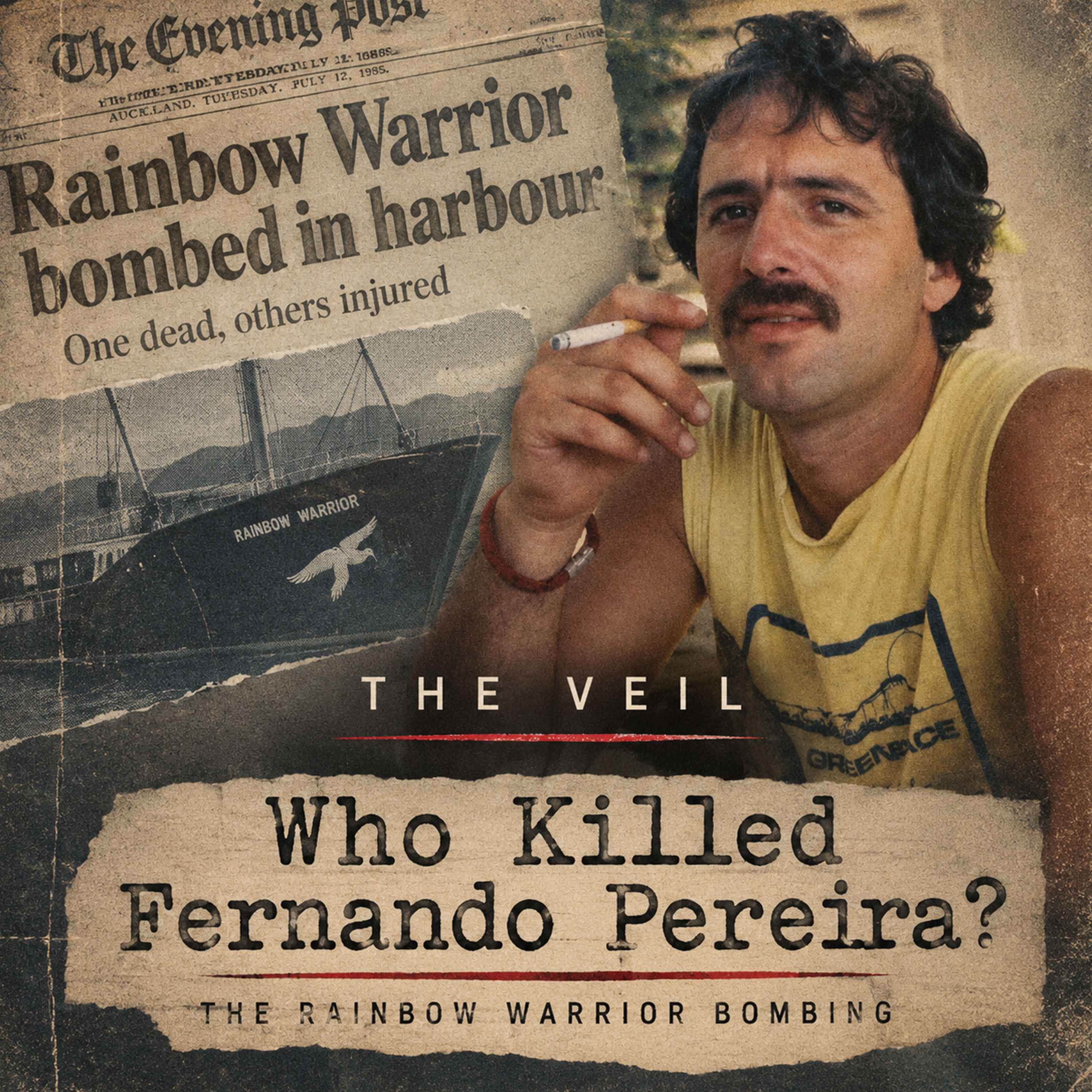
In November 1985, in front of the world's press, two French officers plead guilty to manslaughter and are sent to prison for ten years. Within eight months, a trade war and a United Nations ruling have put them on a Pacific atoll, and within three years both are home in France. Then come the arbitration, the arrest in Basel, the apology from a man who placed a bomb, and the question of who gave the order. The final part of A Friendly Country, and a daughter who remembers painting a red stripe. IN MEMORY Fernando Pereira, 1950 to 1985, photographer, father of Marelle and Paul. A national environmental award in Portugal, the Prémio Nacional de Ambiente Fernando Pereira, carries his name. A NOTE ON SOURCING Alain Mafart and Dominique Prieur are the only people ever convicted over the bombing. The man arrested in Basel in 1991 is not named: he was never tried, and New Zealand dropped the case. Jean-Luc Kister is named for his own public statements in 2015, Christine Cabon for her own 2017
The bombing of the Rainbow Warrior, Auckland, New Zealand, 1985 Three days in the interview rooms at Auckland Central. A fisherman called Peter who never turns up, a pair of scars no surgeon made, a horoscope that reads like a police brief, and a young constable who speaks French. Then the passports come back from Switzerland as forgeries. As the Turenges are charged, the investigation chases a yacht to Norfolk Island, a doctor to Sydney, a volunteer to Israel and a pair of black pantyhose to Paris, and France's denials begin to give way. IN MEMORY Fernando Pereira, 1950 to 1985, photographer, father of Marelle and Paul. A NOTE ON SOURCING Alain Mafart and Dominique Prieur, who used the names Alain and Sophie Turenge, are named because they pleaded guilty to manslaughter and wilful damage in November 1985. Christine Cabon is named because her role has been publicly documented and she has spoken about it. The Ouvéa's crew, the yacht's doctor, the divers and their commander are described
The bombing of the Rainbow Warrior, Auckland, New Zealand, 1985 Just before midnight on 10 July 1985, two bombs tore through the Greenpeace flagship Rainbow Warrior as she lay at Marsden Wharf in Auckland, days before she was due to sail to protest French nuclear testing at Moruroa. The ship's photographer, Fernando Pereira, went below for his cameras after the first blast and drowned when the second one hit. Within hours, a stolen-gear watch at a boat club, a camper van registration and a hire company's paperwork gave the police a married Swiss couple called Alain and Sophie Turenge. In Part One: the ship, the man, the night, and the first interviews at Auckland Central. IN MEMORY Fernando Pereira, 1950 to 1985, photographer, father of Marelle and Paul. A national environmental award in Portugal, the Prémio Nacional de Ambiente Fernando Pereira, carries his name. A NOTE ON SOURCING This is a closed case. Two French agents, Alain Mafart and Dominique Prieur, pleaded guilty to manslaugh
A professor of false confessions who said no, then yes. A diagnosis nobody had looked for in twenty years. Five judges in London. In the final part of The Boy in the Chair, Teina Pora's case reaches the Privy Council, a retired judge goes through every piece of evidence ever used against him, and the man who said he'd never met him finally stands trial for Susan Burdett's murder. Hear every series on the day it launches, ad free, plus all my other shows and bonus episodes: https://guilt.supportingcast.fm/ A NOTE ON SOURCING This series draws on the Privy Council's 2015 judgment, the 2016 reports of Hon Rodney Hansen QC to the Minister of Justice, later court decisions, contemporaneous reporting, and Michael Bennett's book In Dark Places. Where the official record and other accounts differ, we have followed the official record. THE BOOK In Dark Places: The Confessions of Teina Pora and an Ex Cop's Fight for Justice, by Michael Bennett (Paul Little Books, 2016). Winner of the 2017 Ngaio
In 2000, with a serial rapist already convicted of raping Susan Burdett, a second jury found Teina Pora guilty of her murder. Nine years later, a former detective who'd once heard the case argued over in police circles picked up the phone, and went looking for the evidence that had convicted him. In Part Two of The Boy in the Chair, we follow the witnesses who tied Teina to Malcolm Rewa, the blue leaf earrings, the affidavits that took that case apart, and the long lost police interview tapes, including the night Teina was driven to Pah Road and couldn't find the house. Hear every part of this series on the day it launches, ad free, plus all my other shows and bonus episodes: https://guilt.supportingcast.fm/ (https://guilt.supportingcast.fm/%EF%BF%BCA) A NOTE ON SOURCING This series draws on the Privy Council's 2015 judgment, the 2016 reports of Hon Rodney Hansen QC to the Minister of Justice, later court decisions, contemporaneous reporting, and Michael Bennett's book In Dark Places.
On a Monday night in March 1992, Susan Burdett came home from bowling to her unit on Pah Road in Papatoetoe. About twenty minutes later, her neighbour heard the thuds. A year later to the day, a seventeen year old car thief from Otara was charged with her rape and murder, on the strength of his own confession. In Part One of The Boy in the Chair, our new feature series, we follow the investigation into Susan's death, the family members who pointed police toward Teina Pora, the reward that hung over a police interview room in Otahuhu, and the arrest, three years later, of a serial rapist who said he'd never met him. Hear every part of this series on the day it launches, ad free, plus all my other shows and bonus episodes: https://guilt.supportingcast.fm/ (https://guilt.supportingcast.fm/%EF%BF%BCA) A (https://guilt.supportingcast.fm/%EF%BF%BCA) NOTE ON SOURCING This series draws on the Privy Council's 2015 judgment, the 2016 reports of Hon Rodney Hansen QC to the Minister of Justice, la
On 9 August 2011, in a room at the Hyatt in Perth, the boss of the gang Brett Cowan had worked for all winter asked him a simple question. After nearly eight years of denials, Cowan answered it. Days later he led his new friends to the places where it had happened, police were waiting, and the search for Daniel Morcombe finally had somewhere to look. This final part follows the arrest, the search through the bushland and creek at Glass House Mountains, the trial that asked whether a confession made to undercover police could be trusted, and the family who never gave up until they brought their son home. This is the final part of a three part series. If you’re on the free feed, Parts One and Two are available now. One Brevity Studios subscription unlocks every part of every series on the day it launches, plus all of Guilt: https://guilt.supportingcast.fm/ FURTHER READING Kate Kyriacou, The Sting: The Undercover Operation That Caught Daniel Morcombe’s Killer (Echo Publishing). Many of th
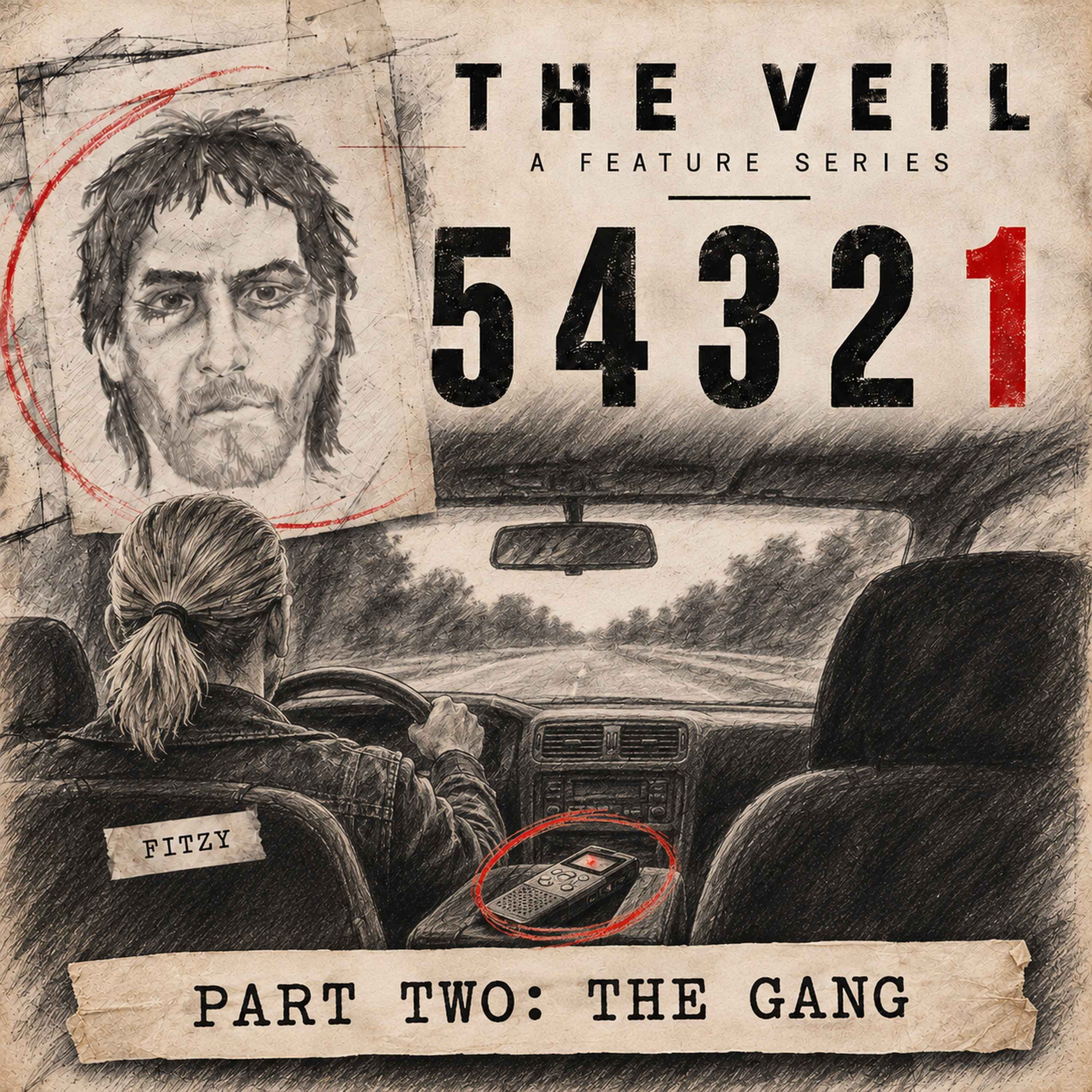
5, 4, 3, 2, 1: The Incredible True Story of How Australian Police Trapped Daniel Morcombe’s Killer, Part Two of Three In April 2011, days after giving evidence at the inquest into Daniel Morcombe’s disappearance, Brett Cowan flew home to Perth and made a new friend on the plane. Within weeks he was out of work, out of a home and running jobs for what he believed was a powerful criminal organisation: debt collections, gun deliveries, brothel takings and a bag of diamonds worth close to a million dollars. The gang paid him, praised him and told him there was nothing in the world it couldn’t fix. He called it the first family he’d ever had. Every member of it was a police officer, and every word he said was being recorded. Then a notice arrived from the Coroners Court in Brisbane, and the man at the top of the gang asked to see him. This is Part Two of a three part series. Subscribers have all three parts now. On the free feed, Part Three, The Confession, is out Friday. One Brevity Studio