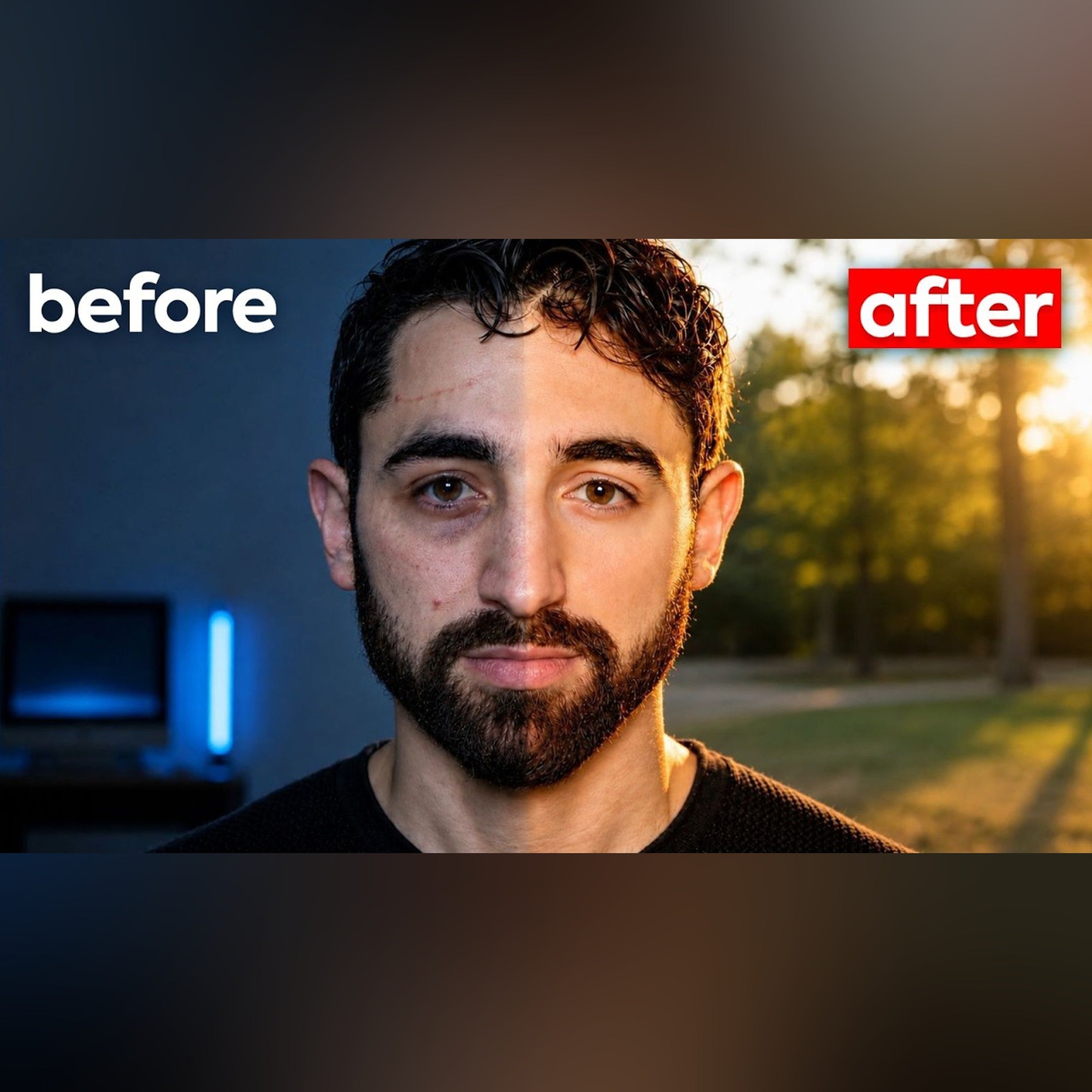
Muscle is Not What We Thought (ft’ Dr Gabrielle Lyon)
56 min
Listen through the publisher, then discuss the episode here or arrange an in-person Roundtable. Your city determines where to meet.
Roundtables are designed for groups of four, with a shared subject and room for everyone to speak. Come for discussion, with no dating expectation.
If you’re interested in getting Dr Gabrielle Lyon’s Forever Stronger Playbook, check it out here: https://drgabriellelyon.com/playbook/ You can also win one of 5 signed copies if you’re a premium StayCurious Metabolism subscriber and you read and leave a thoughtful comment at this Protein Paradox Letter: mTOR Muscle Paradox Letter: https://staycuriousmetabolism.substack.com/p/the-aging-muscle-paradox-how-to-keep?r=40ekz2 Molecular Choreography of Acute Exercise, Interview with Michael Snyder: https://youtu.be/_9ywulQF2Ho Description: Skeletal muscle isn’t just about strength or aesthetics. In this video, we break down why muscle quality may be one of the most underappreciated determinants of long-term health, and why it’s never too late to start building it. We unpack a core idea that reframes modern metabolic disease: healthy skeletal muscle can be more important than a “healthy weight,” not the other way around. From muscle’s role in glucose disposal and fat oxidation to its signaling effects on the brain, immune system, and mitochondria, muscle emerges as a central regulator of whole-body health. We also explore emerging concerns and controversies—GLP-1 drugs and sarcopenia risk, the mTOR “muscle paradox,” protein intake in light of new dietary guidelines, and how exercise-induced myokines drive inter-organ communication with implications for Alzheimer’s disease and aging. Chapters 0:00 – Introducing Muscle as a Health Insurance Policy 2:45 – The #1 Misconception About Muscle: It’s Too Late to Start 3:11 – Understanding the Nuances of Body Fat vs Muscle Quality 6:40 – Markers of Unhealthy Skeletal Muscle Mass 8:33 – “Obesity is Secondary to Unhealthy Skeletal Muscle” 9:53 – Exercise, Muscle, NAD and Alzheimer’s Disease 13:56 – Myokines, Interorgan Crosstalk and Precision Exercise 19:20 – Are GLP-1s Going to Create a Sarcopenic Crisis? 26:16 – mTOR Muscle Paradox and Surprise Giveaway 29:32 – Data Over Feelings and a Moment of Creator Transparency 31:20 – The Discussion of Protein Intake Based on New Dietary Guidelines 39:00 – Rapid Fire Question: MVP Protein, Junk Protein, Best Exercises, and More #Exercise #Muscle #GabrielleLyon #BodyFat #iMAD #Lonngevity #Health #Insulin #InsulinResistance #Diabetes #GLP1 #NickNorwitz #Myokines #SkeletalMuscle #MuscleMass #BrainHealth #NAD #MetabolicSyndrome #Interview #PushUps #Obesity #WeightLoss #BDNF #Endocrinology #Alzheimer #PrecisionExercise #Neuroscience #DietaryGuidelines #Protein #ProteinIntake #Macrophages #Inflammation #Immunity #ScienceBased #EvidenceBased #StayCurious
Episode information is provided by the publisher. Listening takes place on the publisher’s service.
Text me what you thought of the show (https://www.buzzsprout.com/1959372/fan_mail/new) Can working night shifts affect your fertility, ovulation or IVF success? After speaking with numerous women trying to fall pregnant while working shifts, including those undergoing expensive IVF treatment, I wanted to explore what the research actually tells us. In this episode of A Healthy Shift, we discuss how night shifts, disrupted sleep and circadian misalignment may affect reproductive health. We cover: Why the fertile window is so short. Shift work, reproductive hormones and menstrual irregularities. What research says about night shifts, fertility and IVF outcomes. The roles of sleep, stress, nutrition, weight and exercise. Practical steps for women trying to conceive while working shifts. Research links shift work with menstrual irregularities, but evidence that night shifts directly cause infertility or reduce IVF success remains uncertain. If you're trying to get pregnant while working ni
Does your relationship feel like home, or does it feel like standing on the edge of something you might lose? In Part 3 of our Relationship Anxiety series, clinical hypnotherapist and former paramedic Martin Hewlett guides you through the process of teaching your nervous system that love doesn't have to hurt to be real. We explore the physical manifestations of anxiety—the tight chest, the 2:00 AM racing mind, and the "stomach drop" when a text takes too long—and provide the tools to "turn down the alarm" of your internal survival response. If you are ready to stop "cherry-picking" evidence of disaster and start building a foundation of trust, this session is for you. In This Episode, We Cover: The Science of Safety: Understanding how your nervous system confuses love with danger. Guided Visualization: A journey into your own "safe room" where you are already enough. Rewiring the Brain: Moving from worst-case disaster reels to the reality of small, daily kindnesses. Breaking the Cycle:
Glycine is an amino acid that helps build collagen and is involved in regulating inflammation, and researchers are exploring its role in healthy aging, yet your body may produce less of it as you get older Modern diets often lack glycine-rich connective tissues, such as bones, tendons and cartilage, making grass fed beef bone broth, gelatin and collagen-rich cuts of meat valuable additions to your meals Animal studies described by biochemist Joel Brind, Ph.D., found that glycine supplementation extended lifespan in rats and mice by approximately 10% to 15%, although researchers have yet to establish whether it produces similar benefits in humans In a small, three-month placebo-controlled trial of 74 adults with Type 2 diabetes, those given glycine had significantly lower HbA1c and reduced inflammatory markers compared with placebo, although larger studies are needed Research suggests glycine may help your body release heat and lower its core temperature before sleep, while collagen-ric
Robot dogs are here. But why? You might think you already know Spot, the robot dog from Boston Dynamics. Maybe you saw a viral video of it opening a door, or dragging a truck, or dancing. But now, this robot has hit a HUGE milestone... Spot got a job! These robots are now out in the real world doing real work, for fire departments, factories, defunct nuclear power plants like Fukushima, ancient ruins like Pompeii, deep mines, and, more controversially, police departments. You might already be starting to see robot dogs walking around, and even if you’re not, they’re starting to affect your life. That’s why we went to visit Boston Dynamics. In this video, we put Spot to the test, to show you what it’s really capable of, and how our future could be even better with robot dogs. Chapters: 00:00 What is Boston Dynamics robot dog? 1:33 What does Boston Dynamics robot dog do? 2:50 Why robot dogs? 3:32 Taking Spot on an obstacle course 4:33 When Spot falls down 5:34 How Spot protects itself an
In this video I explain Where does Glucose Come From? More specifically I talk about Glycogen and explain how Glycogen is stored Glucose. A lot of people think that you can’t have Glycogen or more specifically Muscle Glycogen on a Keto Diet but I’m here to explain why that may not be true. So where does Glucose Come from? Watch and find out! Don’t forget to Share and Like if you enjoy this video! This is a clip from my Weekly Live Recordings, Watch Full Video Here: https://bit.ly/2Ip5YrO ********************************************* Thanks for checking out the Dr Boz Channel. Documentary American Traddiction Playlist: https://on.bozmd.com/AT Tune in Tuesday nights, 6PM Eastern/5PM Central to watch me Live! We improve health - One ketone at a time. Dr Boz’s ONLINE Course Consistently Keto: https://bozmd.com/shop Dr BOZ FAVORITES: http://on.bozmd.com/fav WAYS TO SUPPORT THIS CHANNEL: Share the Dr Boz content with people you love. Everyone wins when you share. Buy Dr Boz Products. Dr Boz
Fall asleep to this quiet science story. A Boring Science For Sleep episode about How Mitochondria Power the Cells in Your Body. How Mitochondria Power the Cells in Your Body Settle in for a quiet exploration of How Mitochondria Power the Cells in Your Body. This episode follows The folded inner membrane; Cold sucrose and pigeon muscle; From sugar to spinning rotor; A theory tested in Cornwall; A living restless network. Listen closely or let the details drift past. Chapters 00:00:00 How Mitochondria Power the Cells in Your Body 01:32:12 Broom Making and the Binding of Broomcorn 04:03:10 Rubber Erasers and the Mixing of a Soft Compound If you enjoy this quiet science bedtime pace, you might also like Nature Documentary for Sleep (https://open.spotify.com/show/6Jcyoklmz2GdNGdCcNyQes) on Spotify — same quiet rhythm, different night.
Microplastics in my Heart Letter: https://staycuriousmetabolism.substack.com/p/microplastics-in-my-heart-its-worse?r=40ekz2 Stanford Fiber RCT, Letter https://staycuriousmetabolism.substack.com/p/fiber-is-good-for-you-is-lazy-science?r=40ekz2 Microbiome Reset, Letter https://staycuriousmetabolism.substack.com/p/how-im-rebuilding-my-microbiomeafter?r=40ekz2 Description: Microplastics are everywhere—in our food, water, and inside our bodies—and avoiding them completely is nearly impossible. In this conversation, I sit down with Dr. Matthew Dunn PhD, a molecular biologist working at the intersection of biotechnology and human health, to unpack what the science actually says about microplastics and how they may be linked to cardiovascular disease, reproductive health issues, and gut inflammation We break down the landmark human data, the animal and cellular studies that help explain possible mechanisms, and dissect the state of the data. We also explore a potential inside-out solution: usi
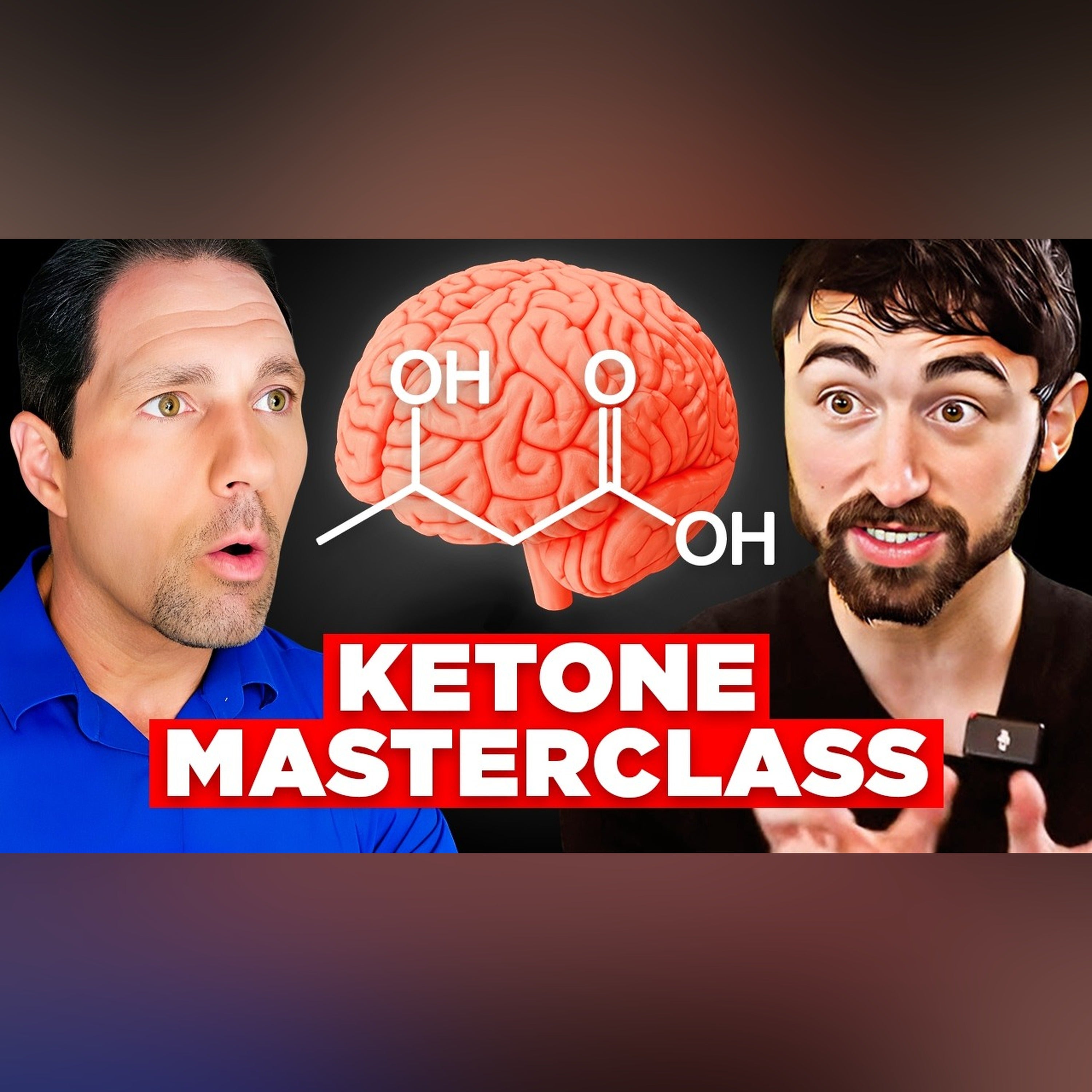
In this conversation, I sit down with Professor Dom D’Agostino, one of the world’s leading experts on metabolic therapies, ketosis, and exogenous ketones. We dive deep into the science of ketone esters, MCT oils, and 1,3-butanediol, breaking down how these compounds affect the brain, liver, and mitochondria. If you’ve ever wondered what ketone supplements actually do, this interview cuts through hype with hard data, clinical context, and self-experimentation. Mitochondrial Migration (Adapt) Video: https://youtu.be/R9x5Y57HuoA 0:00 – Ketones Can Rescue the Brain from Hypoglycemia 2:00 – The Self-Experiment That Changed Dom’s Career 5:00 – Ketones as a Lifeline in Severe Hypoglycemia 8:15 – Ketone Esters Explained: Forms, Effects, and Risks 16:10 – What Are MCTs and How They Boost Ketones 18:00 – The Story of MCT Oil and Alzheimer’s Disease 27:40 – Polyunsaturated Fats (PUFAs) and Ketone Production 33:00 – Ketone Salts: Benefits, Risks, and Misconceptions 36:00 – The Hidden Dangers of 1,
For extra nuances and all the references, please see the newsletter: https://staycuriousmetabolism.substack.com/p/how-i-hacked-my-girlfriends-brainwith?r=40ekz2&utm_campaign=post&utm_medium=web&triedRedirect=true (https://staycuriousmetabolism.substack.com/p/how-i-hacked-my-girlfriends-brainwith?r=40ekz2&triedRedirect=true) Can light influence attraction, hormones, and even reproductive biology? In this video, we explore surprising research on light exposure, testosterone, estrogen, fertility signals, and behavioral changes observed in both animal models and human studies. From hormone cascades triggered through the skin to seasonal changes in reproductive biology, this is a fascinating look at how deeply light may shape human physiology. Along the way, I also test whether increasing my own sunlight exposure changes my testosterone levels and reveal how my girlfriend hacked my brain! For more nuance, mechanisms, protocols, and limitations behind these findings, check out the full deep
Countries should consider serious effects on people abroad when setting domestic policies.
Share your view, then see how readers voted. No sign-in required. This poll is shared across stories.
Do you agree or disagree?
Common Quandary
A Common Quandary to discuss
Another conversation to explore, separate from this news story.
A likable but unreliable former employee lists you as a reference. How honest are you?
A former employee who was unreliable but personally likable lists you as a reference without asking. Their prospective manager calls and asks only whether you would hire them again.
How much truth do you owe a stranger when it may cost someone a fresh start?