English-language podcasts

Chase Hughes: Behavior, Influence, Lies & Interrogation

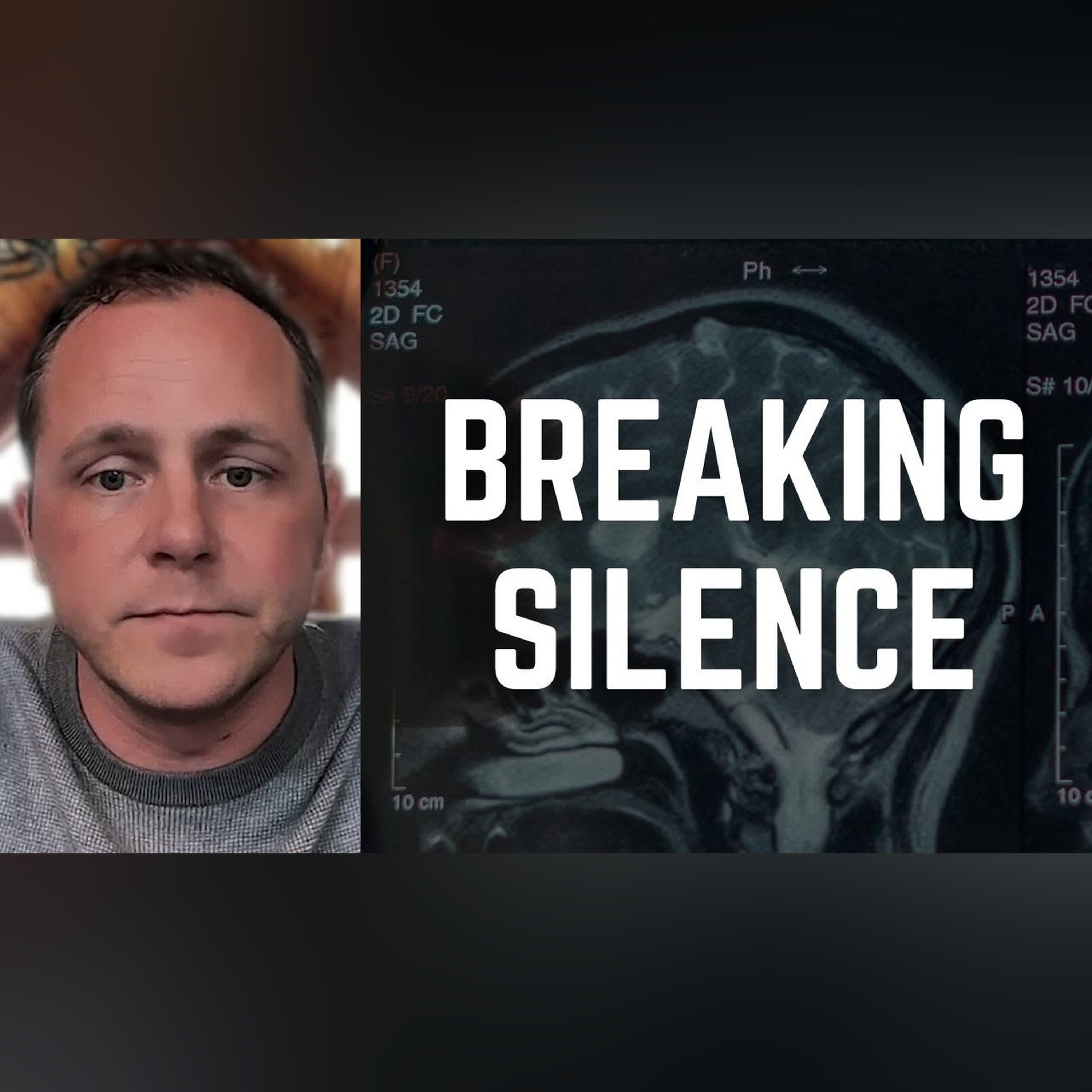
My Brain Disease

17 min

Listen through the publisher, then discuss the episode here or arrange an in-person Roundtable. Your city determines where to meet.

Roundtables are designed for groups of four, with a shared subject and room for everyone to speak. Come for discussion, with no dating expectation.

In this video, I finally open up about my diagnosis with Temporal Lobe Epilepsy and possible Mesial Temporal Sclerosis, conditions that have disrupted my life behind the scenes. This revelation comes after years of battling symptoms in secrecy, from memory loss to severe neurological episodes. My decision to come forward is driven by a desire to illuminate the challenges of living with a brain disease, the struggles of maintaining a façade of normalcy, and the personal acceptance of a life-altering reality. Uploaded 06-04-24 Why share this now? Because knowledge is power, but shared knowledge is empowerment. By documenting my journey, I aim to demystify these conditions, provide solace to those silently suffering, and initiate a conversation on the importance of mental and neurological health. This video is just the beginning. I promise to document my experiences, the good days and the bad, in hopes that my journey can offer understanding, hope, and support to those facing similar battles, perhaps to people I may never meet. Your engagement means the world to me. If you find solace in my story, have experiences to share, or questions about any of this, please leave a comment below. Let's foster a community of support and information. For more updates and to follow my journey, subscribe and hit the notification bell. If you're going through something similar, I am with you. I want people to know that there are answers out there that aren't always the ones that the mainstream might suggest. Join NCI University today to master human behavior and influence:

Episode information is provided by the publisher. Listening takes place on the publisher’s service.

Listen at the source ↗

Featured places to meet in Palo Alto, CA

Explore these places and arrange a conversation through ThinkMatch.

City guide for Palo Alto, CA

More from Chase Hughes: Behavior, Influence, Lies & Interrogation

Chase Hughes: Behavior, Influence, Lies & Interrogation

How Cults Recruit and Program People

25 min

DISCOVER NCI - 1: https://nci.university/nci-1v2 Uploaded 09-05-26 ⬆️ Please note that the content provided in this broadcast is for informational and educational purposes only and should not be construed as legal, medical, financial, or professional advice. No material in this communication establishes any form of professional relationship that is privileged or confidential. The insights and opinions expressed herein solely reflect the personal views of the speaker based on his extensive expertise and academic background in his field of study. These are purely personal opinions and should not be taken as direct statements of fact about any individuals, whether stated explicitly or implied. Any opinion shared in this broadcast is drawn from referenced material specific to this publication only. Remember, what's discussed here are perspectives—not claims of fact. Copyright and all rights reserved.

Discuss this episode

Chase Hughes: Behavior, Influence, Lies & Interrogation

Someone Designed This Experience - Here's How

14 min

Master the skills that change lives — enroll in your free human behavior course today: https://nci.university/learn Uploaded 09-01-26 You were never reacting to chaos — you were responding to structure. Outcomes don’t appear suddenly; they’re assembled long before you notice them. Understanding how pressure is built changes how the world feels immediately. All influence follows patterns once you know where to look. Reality doesn’t break — it gets reshaped in layers. Every system depends on predictable human responses. Given the right conditions, behavior becomes almost automatic. Once you see the architecture, panic loses its leverage. Detection beats reaction — every time. Please note that the content provided in this broadcast is for informational and educational purposes only and should not be construed as legal, medical, financial, or professional advice. No material in this communication establishes any form of professional relationship that is privileged or confidential. The insi

Discuss this episode

Chase Hughes: Behavior, Influence, Lies & Interrogation

I’ll Prove It - THE SIMULATION IS REAL

16 min

Instant Access to your FREE training course: https://nci.university (https://nci.university/) Uploaded 27-07-25 This is the simulation you already live inside of—and you’ve been breathing it like oxygen since the day you were born. In this video, we expose the invisible machinery beneath modern life—how symbols have replaced truth, how marketing has replaced meaning, and how our desires are manufactured by the very system that feeds on them. Drawing from the work of Jean Baudrillard and the hidden mechanisms of simulacra, we walk you through 10 real-life “glitches” that reveal the truth: • Why your food is rendered, not real • How social media replaced memory • Why you take photos of things you never actually see • And why even your “rebellion” is likely pre-approved This isn’t a conspiracy. It’s a mirror. And once you see it, you can’t unsee it. simulation theory, simulated reality, Baudrillard simulation, are we in a simulation, hyperreality explained, social media illusion, digital

Discuss this episode

Community Poll

Countries should consider serious effects on people abroad when setting domestic policies.

Share your view, then see how readers voted. No sign-in required. This poll is shared across stories.

Do you agree or disagree?

Choose one answer

Common Quandary

A Common Quandary to discuss

Another conversation to explore, separate from this news story.

You love the free sample but will never buy it. How many times may you circle back?

A warehouse store is offering delicious samples. You have no intention of purchasing the product, but the employee seems bored and has trays to spare. After taking two, you consider removing your jacket and returning for a third.

Is exploiting generosity wrong when the giver appears not to care?

Explore this quandary