Listen through the publisher, then discuss the episode here or arrange an in-person Roundtable. Your city determines where to meet.
Roundtables are designed for groups of four, with a shared subject and room for everyone to speak. Come for discussion, with no dating expectation.
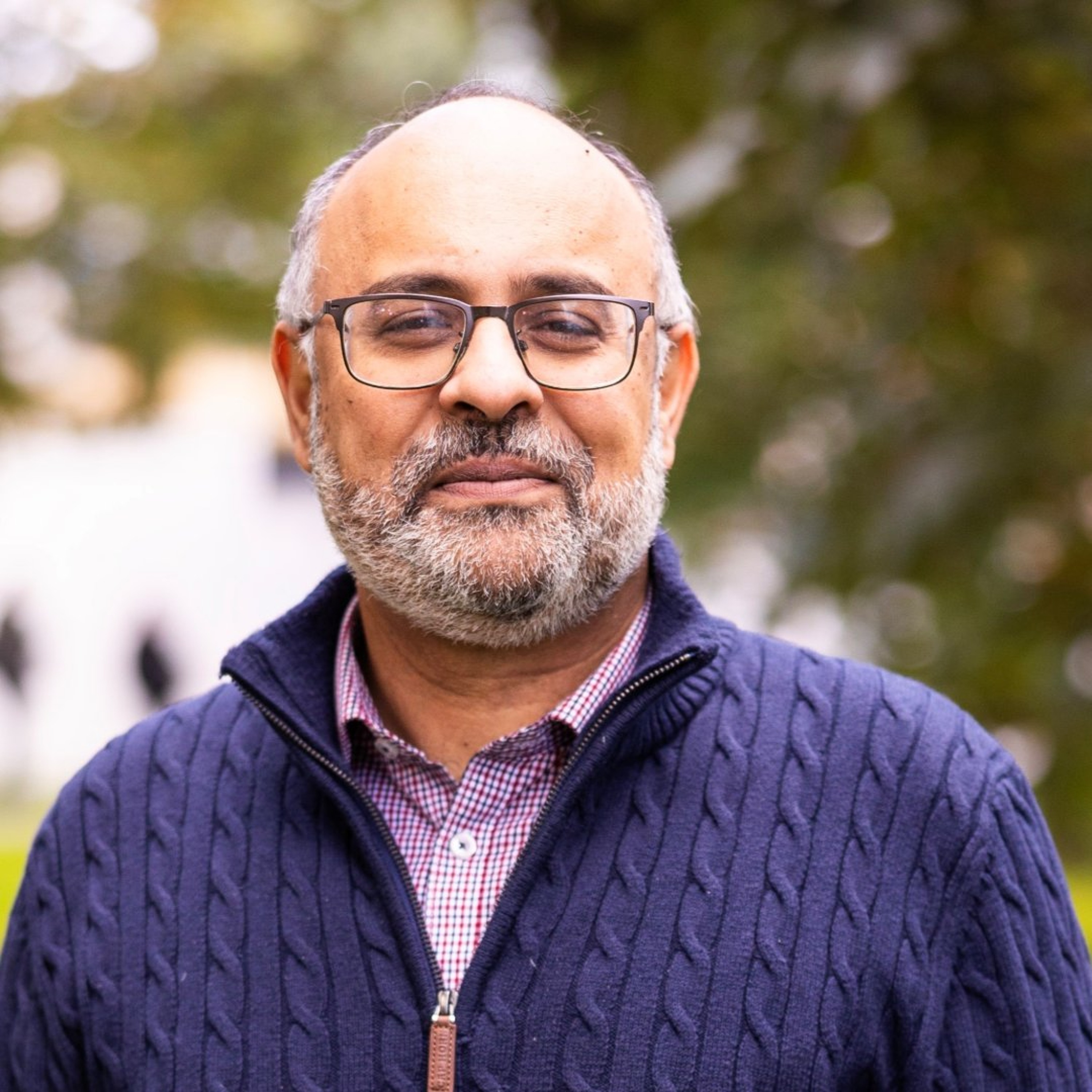
Mysticism has too often been “pushed aside or swept under the carpet” in academic study, despite its presence within all religions and traditions throughout history. So says Professor Ali Qadir, a professor of sociology at Tampere University. Senior writer Madeleine Davies speaks to him about how mysticism is perceived and understood. Professor Qadir speaks about a €7.2-million Templeton Religion Trust–backed programme, which he describes as the largest comparative investment in mysticism. The Trust also supports 18 research teams and will organise six international conferences. Their conversation covers: •Misconceptions that mysticism belongs mainly to Eastern religions. •Tensions between mystics and institutions. •The shift from “experience” to “mystical consciousness”. •Current post-material cultural trends, including concerns about politicised religiosity and distrust of science. mysticopenings.substack.com Read this week’s featured headlines here: • Archbishop of York ‘appalled’ by Russell Brand’s crimes: https://www.churchtimes.co.uk/articles/2026/13-november/news/uk/archbishop-of-york-appalled-by-russell-brand-s-crimes • Adult baptisms up in Church of England: https://www.churchtimes.co.uk/articles/2026/13-november/news/uk/adult-baptisms-up-in-c-of-e • US Evangelical turnout falls at mid-term elections: https://www.churchtimes.co.uk/articles/2026/13-november/news/world/us-evangelical-turnout-falls-at-mid-term-elections Picture credit: Tampere University Try 10 issues of the Church Times for £10 or get two months access to our website and apps, also for £10. Go to www.churchtimes.co.uk/new-reader Music for the podcast is by Twisterium
Episode information is provided by the publisher. Listening takes place on the publisher’s service.
A new Pew Research Center study projects that Islam could surpass Christianity as the world's largest religion by 2035. What's driving the shift, and does it have prophetic significance? Plus, America's technology outages, the replacement of the White House cyber director, and a Vatican interfaith agreement. Today Bryan Smith and I discuss all of these things and more as well as take your calls at 877-ENDTIME. ⭐️: True Gold Republic: Get The Endtime Show special on precious metals at https://www.endtimegold.com (https://nam02.safelinks.protection.outlook.com/?data=05%7C02%7Cjstigleman%40endtime.com%7C65159039fb314704a4fa08df474730fc%7C52ec07a2b30b4170899eeb635151c261%7C0%7C0%7C639308043258421121%7CUnknown%7CTWFpbGZsb3d8eyJFbXB0eU1hcGkiOnRydWUsIlYiOiIwLjAuMDAwMCIsIlAiOiJXaW4zMiIsIkFOIjoiTWFpbCIsIldUIjoyfQ%3D%3D%7C0%7C%7C%7C&reserved=0&sdata=EaKVQgcHpqhqRftSuSopZdlkW23GYnhya8WPJ%2BNMqxA%3D&url=https%3A%2F%2Fwww.endtimegold.com%2F) : It’s never been easier to understand. Stream Only Sourc
The debate over Christian nationalism raises some uncomfortable questions about faith, politics, and the role of government. Al, Zach, John Luke, and Christian examine how Christianity transformed the Roman Empire and why the early church flourished despite intense persecution. The guys also revisit the Garden of Eden, questioning whether Adam's failure to protect Eve was the first sin and what his actions reveal about responsibility and obedience. They consider what history teaches us about the dangers of unchecked power and why Christians must put their allegiance to God's kingdom above any earthly government. In this episode: Genesis 2, verses 15–17; Genesis 3, verses 1–7; Daniel 2; John 1, verses 4–5; Matthew 5, verses 27–30; Matthew 28, verses 18–20; John 11, verses 49–52; Luke 23, verses 6–12; Galatians 3, verse 28; 1 Timothy 2, verses 11–14; Romans 13, verses 1–7 Today’s conversation is about Lesson 6 of Western Heritage: From the Book of Genesis to John Locke taught by various
Embryo Research in the Netherlands: Sean and Scott reflect on the Dutch Senate narrowly passing legislation allowing scientists to create human embryos (https://www.medicalbrief.co.za/netherlands-approves-embryo-creation-for-research/) specifically for research, such as gene-editing experiments. They critique this move as an erosion of human dignity from conception that treats unborn lives as disposable commodities. Major U.S. Tech Outages: Following widespread disruptions across airlines, banks, and Microsoft Outlook, the hosts weigh whether foreign cyberattacks, AI vulnerabilities, or fragile legacy code are to blame. They challenge listeners to resist conspiracy theories through "epistemic humility" while reflecting on how biblical truth-telling underpins the trust our economy and communities rely on. The Youth Sports Industrial Complex: From kids missing school for travel tournaments to families spending fortunes on F1 racing academies, the $40 billion youth sports industry is reac
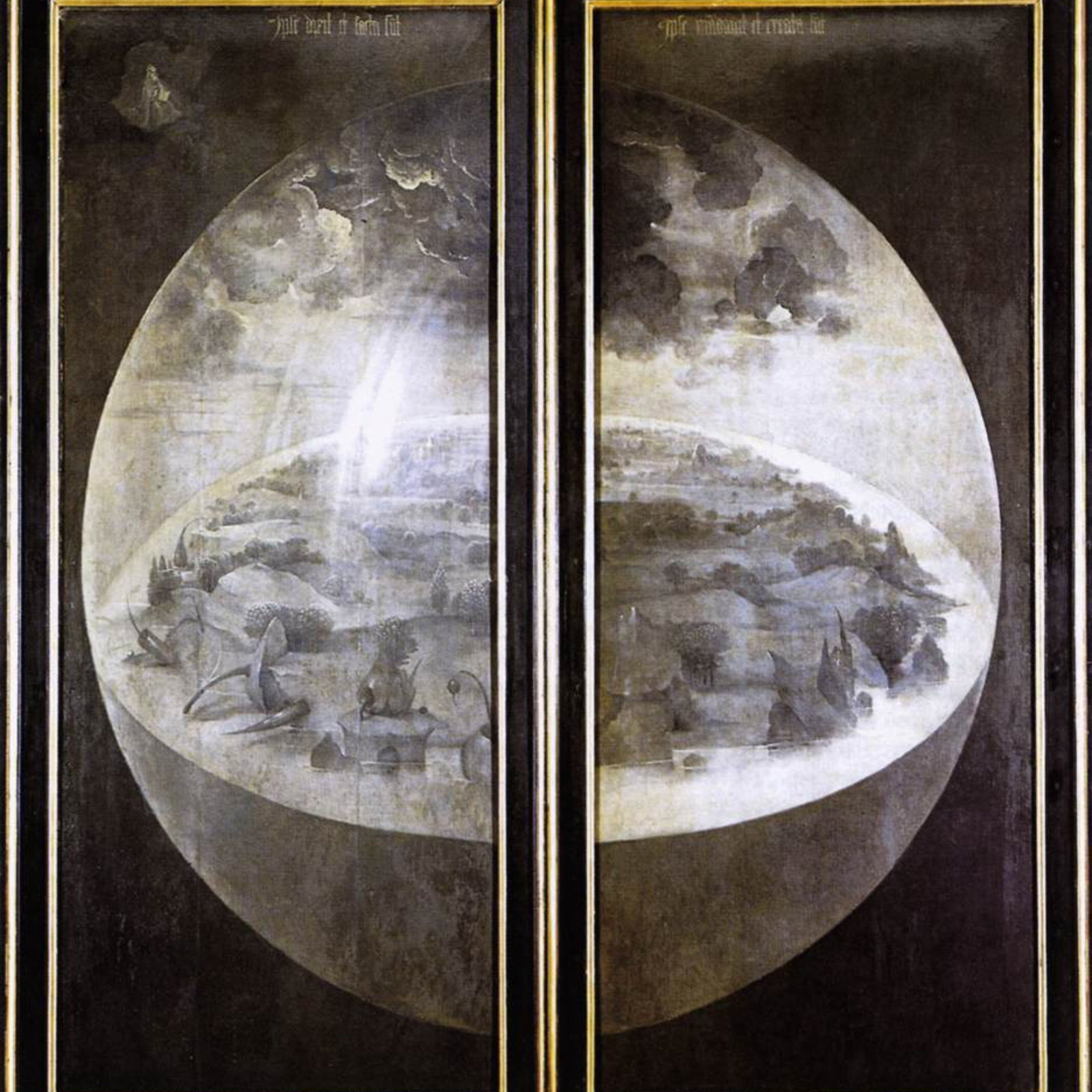
By analyzing the writings of Thomas Aquinas and other historical records, Fr. Timothy Bellamah, O.P. debunks the pseudo-controversy of the medieval "flat-earth" myth to demonstrate that the Church has long supported scientific inquiry. This lecture was given on September 20th, 2026, at Dominican House of Studies. About the Speaker: Fr. Bellamah was born and raised in Washington, D.C. He entered the Order of Preachers in 1991 and was ordained a priest in 1998. He studied at Wake Forest University (B.S., 1982), the Pontifical Faculty of the Immaculate Conception (M.Div. and S.T.B., 1997; S.T.L, 1999) and the Ecole Pratique des Hautes Etudes, Paris, (Ph.D., Section des sciences Religieuses, 2008). He has previously taught at Providence College in the Department of Theology and the Department of the Development of Western Civilization. From 2010 to 2018 he served as editor of the speculative review The Thomist and is a member of the Leonine Commission, a team of Dominican scholars responsi
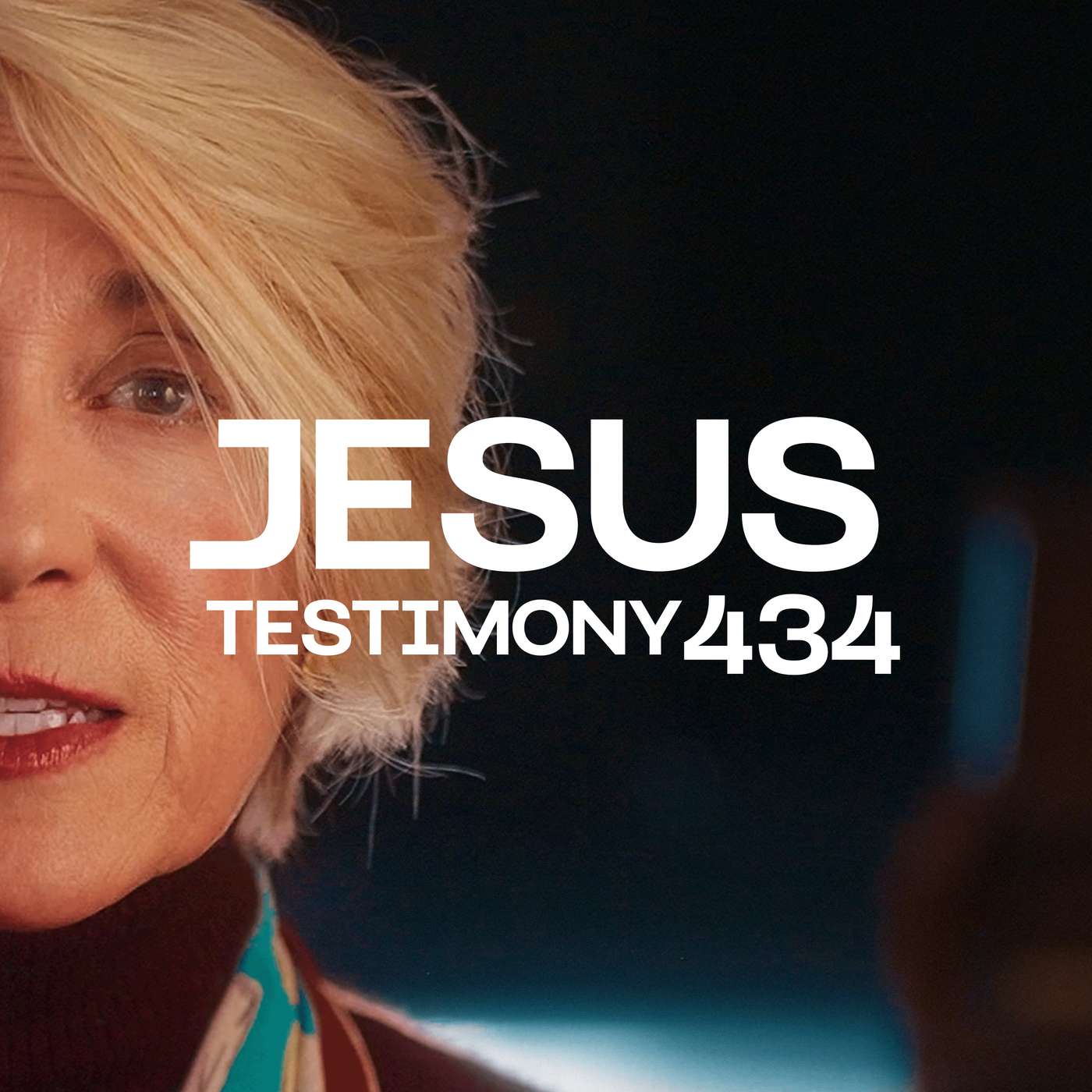
Testimony #434 Connect with Mission Delafe Website: https://www.missiondelafe.org/ Facebook: https://www.facebook.com/delafetestimonies Instagram: https://www.instagram.com/delafetestimonies/ Email: [email protected] Credits: Testimony by Alexandra Harris Directed by Darvin Ramirez Interviewed by Jenifer Ramirez Edited By Darvin Ramirez Audio Mixed by Paul Nicholas Testimony Recorded In Michigan Chapters 00:00 The Gospel Changed My Life 00:23 Growing Up Greek Orthodox 03:08 I Was Ignoring God 05:08 Glimpses of Something More 07:10 “God Is Going to Be My Hobby” 08:20 Searching Everywhere for Truth 09:14 Jesus Kept Standing Out 11:21 I Realized I Was Separated From God 12:04 I Decided to Follow Jesus 13:03 Leaving My Old Life Behind 14:29 Getting Baptized Again 17:13 Finding Christian Community in New York 22:00 Meeting My Future Husband 24:29 A Life of Ministry Begins 29:14 Learning to Trust God Again 41:14 What Jesus Means to Me Now 43:21 A Prayer for Those Ignoring God 44:12 If Y
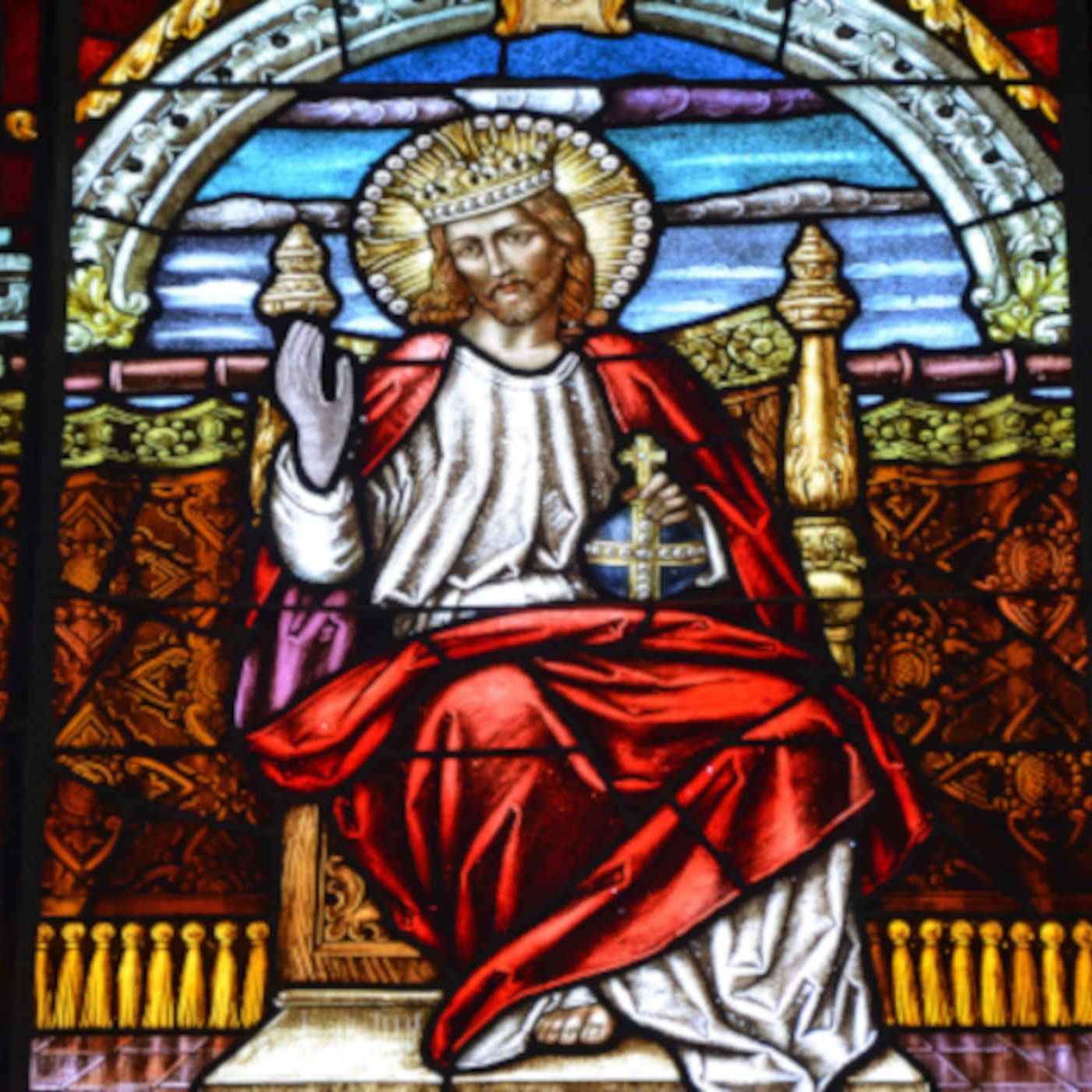
Read Online (https://catholic-daily-reflections.com/2026/11/21/christ-the-universal-king/) Christ the Universal King “Then he will say to those on his left, ‘Depart from me, you accursed, into the eternal fire prepared for the devil and his angels. For I was hungry and you gave me no food, I was thirsty and you gave me no drink, a stranger and you gave me no welcome, naked and you gave me no clothing, ill and in prison, and you did not care for me.’” Matthew 25:41–43 On June 11, 1899, Pope Leo XIII solemnly consecrated the entire human race to the Sacred Heart of Jesus, a moment he regarded as the “great act” of his pontificate. This consecration was rooted in the sacred truth that, “[Christ’s] empire includes not only Catholic nations, not only baptized persons… but also all those who are outside the Christian faith; so that truly the whole of mankind is subject to the power of Jesus Christ” (Annum Sacrum, 3). This prophetic act of entrustment was followed by decades of growing unrest
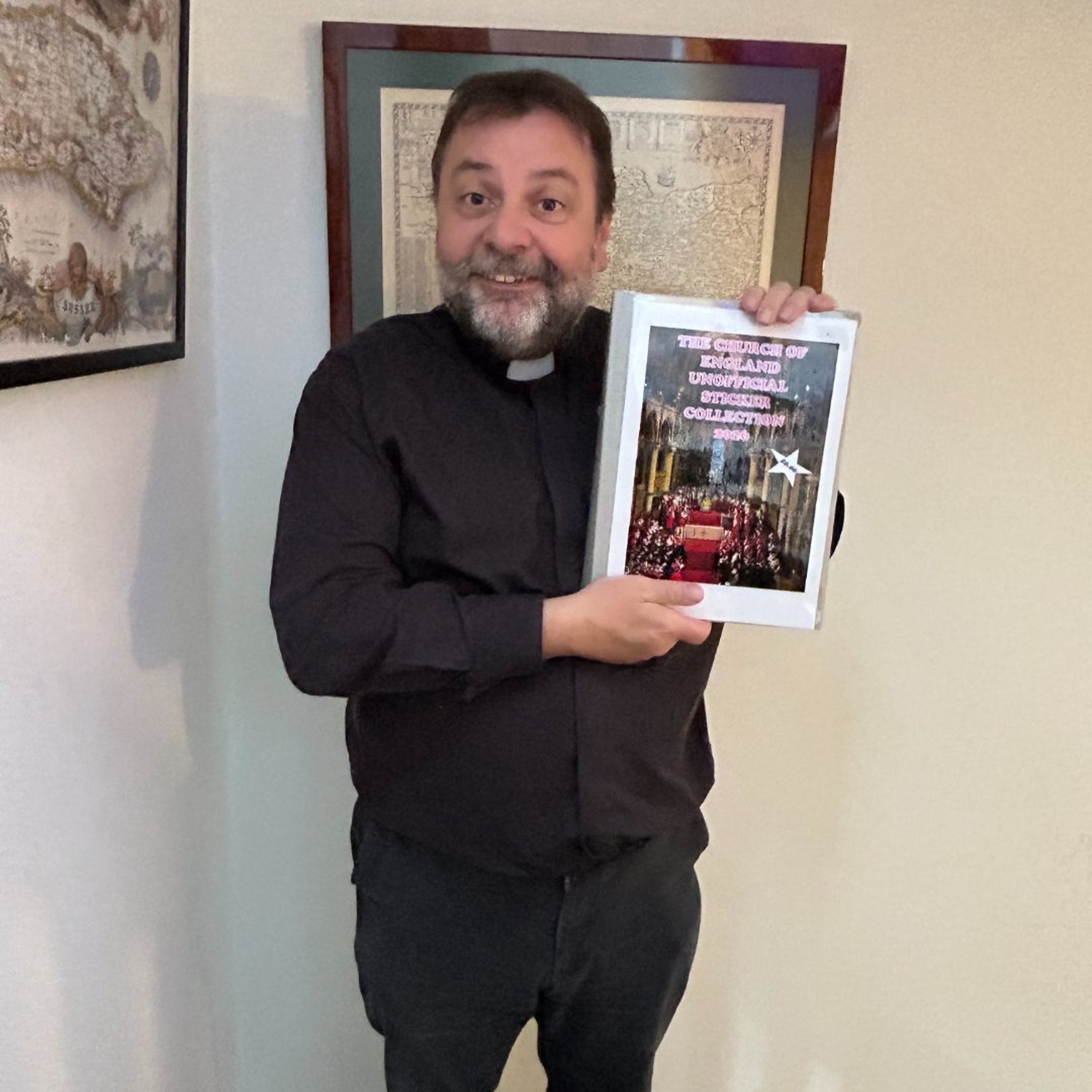
The Revd Peter Organ, a priest in south-east London, has created a Church of England sticker album, Episcopini, On the podcast this week, Ed Thornton talks to Fr Organ about why he created the album, how it works, and the wider appeal of collecting things. Fr Organ is the Team Rector in the Catford, Southend, and Downham Team Ministry, in Southwark diocese. Episcopini is available free of charge as a pdf document, which comes with an attached sticker file (email: [email protected] to request it). Read this week’s featured headlines here: • Democratic faithful win in US mid-term polls: https://www.churchtimes.co.uk/articles/2026/6-november/news/world/we-defeated-goliath-says-talarico-democrat-victor-in-us-mid-terms • We are still relatively wealthy, General Synod members told: https://www.churchtimes.co.uk/articles/2026/6-november/news/uk/we-are-still-a-relatively-wealthy-church-general-synod-members-are-told • Remembrance Day must recognise victims of today’s wars, campaigners say:
News reports should clearly separate verified facts from the writer's interpretation.
Share your view, then see how readers voted. No sign-in required. This poll is shared across stories.
Do you agree or disagree?
Common Quandary
A Common Quandary to discuss
Another conversation to explore, separate from this news story.
Someone you love asks, “Do you think I’ll be okay?” What if you do not?
A relative with a poor prognosis asks whether you think they will recover. They seem to need reassurance, but you believe the odds are very low and do not want to spend the remaining time pretending.
Can preserving hope justify saying more than you believe?