Nancy Guthrie: The Phones, the Porch and the Missing Answers
25 min
Listen through the publisher, then discuss the episode here or arrange an in-person Roundtable. Your city determines where to meet.
Roundtables are designed for groups of four, with a shared subject and room for everyone to speak. Come for discussion, with no dating expectation.
Nancy Guthrie vanished from her Tucson home in February 2026. Months later, questions remain about two very different windows in the investigation: phone activity reportedly detected in the neighborhood during January and the treatment of the porch after relatives discovered she was missing. Together they tell us why the earliest hours of any disappearance matter so much. Tony Brueski is joined by retired FBI agent Jennifer Coffindaffer and retired FBI behavioral specialist Robin Dreeke. A private analyst says certain phones appeared near Nancy’s home in the weeks before the suspected abduction. There is no publicly verified identification of those devices as belonging to a perpetrator. The challenge is determining whether unusual activity reflects surveillance, ordinary neighborhood patterns or incomplete commercial data. Then comes the physical scene. Nancy’s blood was recovered near the doorway, and a masked individual appeared on security footage. The Wall Street Journal reported concerns about how quickly the property was opened and whether the porch had been adequately protected. Pima County Sheriff Chris Nanos has disputed the report’s broader characterization, though he acknowledged that releasing the property early may have been a mistake. Reuters also reported disagreement over sending some DNA evidence to a Florida laboratory rather than the FBI’s Quantico facility. Nanos defended the laboratory choice and denied obstructing federal work. Coffindaffer explains why evidence handling, documentation and communication between laboratories can shape whether later testing is useful. Dreeke asks what we can responsibly infer from the person on the camera and whether a possible earlier visit would really prove planning. He also considers why speculation about kidnapping for ransom can race ahead of facts, particularly when messages are unverified. We do not treat any reported phone as an identified suspect or any claimed ransom demand as reliable without corroboration. The essential question remains: which traceable leads can investigators still test for Nancy? Listen Anywhere You Get Podcasts: https://pod.link/1655749292 Want to comment and watch this podcast as a video? Instagram https://www.instagram.com/hiddenkillerspod/ Facebook https://www.facebook.com/hiddenkillerspod/ Tik-Tok https://www.tiktok.com/@hiddenkillerspod X Twitter https://x.com/tonybpod #NancyGuthrie #SavannahGuthrie #HiddenKillers #JenniferCoffindaffer #RobinDreeke #Tucson #PimaCounty #MissingPerson #FBI #TrueCrime
Episode information is provided by the publisher. Listening takes place on the publisher’s service.
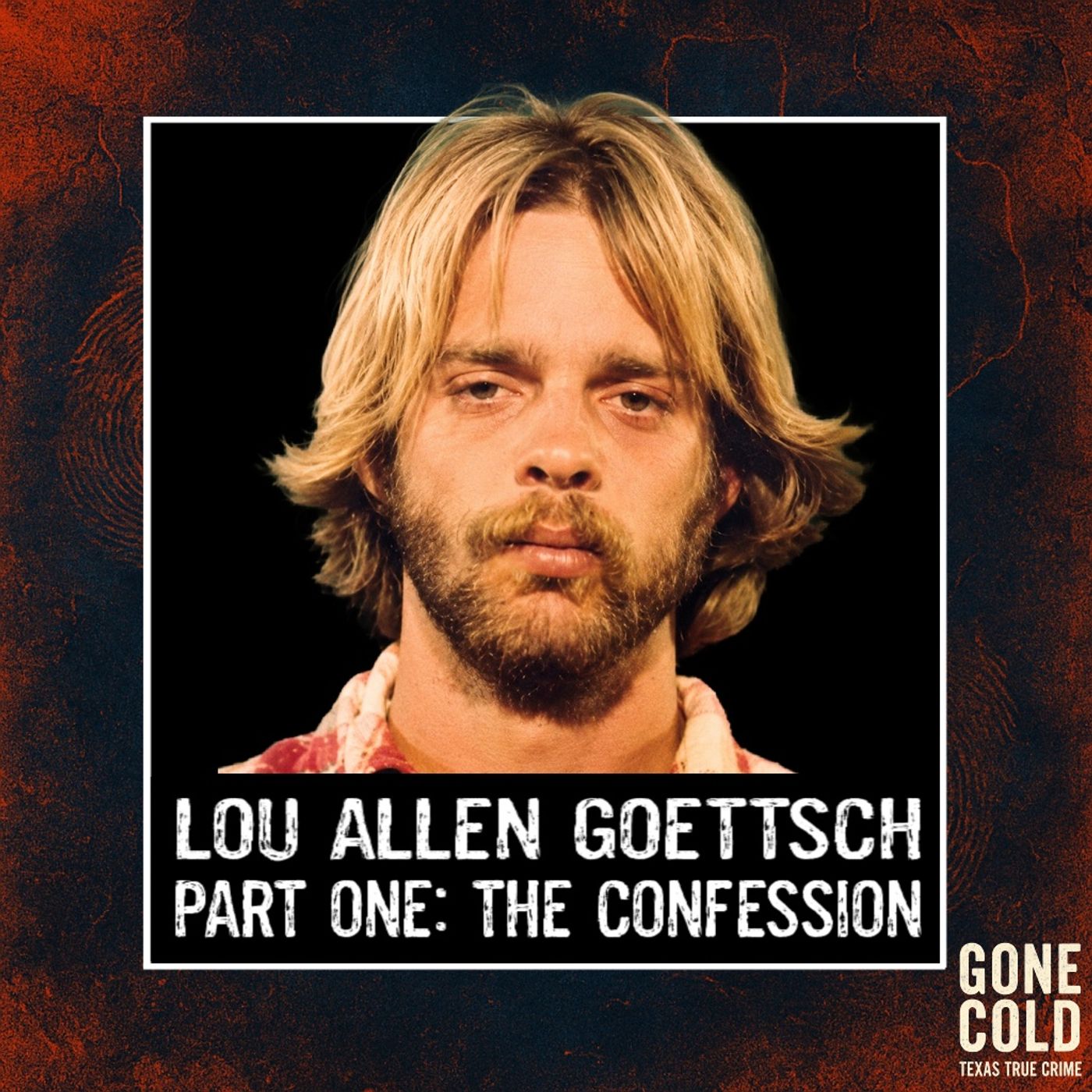
On March 31st, 1981, twenty-one-year-old Lou Allen Goettsch had it made. A couple days earlier, he received a decent sized settlement check for a work injury he’d sustained earlier in the year, opened up a checking account, and put a deposit and first month’s rent on a new apartment. Then, he vanished into thin air. Since the disappearance wasn’t reported for two months, Abilene, Texas Police had a hard time figuring out where to start searching for the young man. In fact, there were absolutely no clues that cut them a break in that department. That year, two other young adults disappeared from Abilene, further complicating and taking resources away from one another. Twelve years after he disappeared, a man confessed to Lou’s murder. Part one of two. If you have any information about the disappearance of Lou Allen Goettsch, please contact Abilene Crime Stoppers at 800-868-8477. You can support Gone Cold: Texas True Crime and listen to the show ad-free at patreon.com/gonecoldpodcast Fin
Prince Harry makes a lively appearance on Britain's This Morning, revealing his thoughts on the new James Bond, Meghan Markle's former television series Suits, and why he considers Glastonbury and Coachella a nightmare. The Duke of Sussex endorses Robert Pattinson as the next 007, chooses Suits over EastEnders, and reveals that he tried to FaceTime presenter Alison Hammond with Prince Archie and Princess Lilibet, only for her to ignore his calls. Harry also helps prepare a Christmas cake alongside Invictus Games veterans, shares a laugh involving a prosthetic hand, and enjoys a shot of whisky. He's later spotted at London's Savoy hotel. But Harry's latest television appearance sparks criticism from Daily Express columnist Alicia Liberty, who questions how his highly publicized appearances fit with his longstanding concerns about security in Britain. Meanwhile, former Margaret Thatcher aide Nile Gardiner calls for Harry and Meghan to be stripped of their royal titles, accusing the Susse
A wave of major technology outages is raising troubling questions about America's cybersecurity, aging infrastructure, and readiness for a new era of artificial intelligence. Are these isolated technical failures, or warning signs of a much larger national security problem? John Solomon and Amanda Head welcome Ohio Congressman and former Army Ranger Warren Davidson, who discusses recent disruptions involving the FAA, Microsoft, and other critical systems. Davidson calls for greater transparency from government agencies and technology companies, questions whether America's infrastructure is adequately protected against emerging cyber threats, and examines how artificial intelligence could be used both to strengthen defenses and exploit vulnerabilities. The conversation also turns to immigration and national security, with Davidson raising concerns about individuals who entered the country illegally, potential gaps in government screening systems, and the surveillance powers used to moni
For review: 1. Iraq has reached a compromise with the powerful Iran-backed militia Kataeb Hezbollah, three senior security officials said, after Prime Minister Ali al-Zaidi readied security forces to move against the group. Reflecting the gravity of the situation, Iraqi Shiite political sources said Esmail Qaani, commander of Iran’s elite Revolutionary Guards’ Quds Force, arrived in Baghdad late on Monday to help defuse tensions with Kataeb Hezbollah, Tehran’s most powerful militia ally in Iraq. 2. Lebanese President Joseph Aoun launched a lengthy rebuke of Iran in an Independence Day address, arguing that the Islamic Republic does not have the right to interfere in Lebanon’s internal affairs, as it long has via support for its local terror proxy, Hezbollah. 3. Yemen’s Houthis launched strikes on the Saudi capital Riyadh on Saturday, after vowing reprisals for a “special operation” by the Saudi-led coalition fighting them. The coalition later said it had “intercepted and destroyed” thr
Wednesday, November 20th, 2024 Today, DA Alvin Bragg tells Judge Juan Merchan that he’s not going to drop the charges against Donald Trump; Nancy Mace introduces a bathroom bill for the Capitol; as more details about the Matt Gaetz ethics committee investigation, someone has hacked a deposition from the Dorworth case files; meanwhile, the top Democrat on the House Ethics Committee is calling for its release; plus concrete steps we can take to survive the next four years; and Allison and Dana deliver your Good News. Guest: Andrea Pitzer Find the Next Comes What Podcast on YouTube (https://www.youtube.com/@DegenerateArtNewsletter/videos), Apple Podcasts (https://podcasts.apple.com/us/podcast/next-comes-what/id1779885475), and Spotify (https://open.spotify.com/show/7lUaIWeKl0oET2DJVTWhy4) AndreaPitzer.com (https://andreapitzer.com/) Stories: DA Alvin Bragg Refuses to Dismiss Trump's 34 Felony Counts (Muellershewrote.com) (https://www.muellershewrote.com/p/da-alvin-bragg-refuses-to-dismiss
Suspecting someone is one thing. Proving what happened is another. Former Scotland Yard Detective Inspector Steve Keogh joins Max Palasi on Shaun Attwood’s channel to take us inside the decisions, breakthroughs and setbacks behind catching killers. Steve spent thirty years with the Metropolitan Police, including twelve investigating homicide. Drawing on his experience, we’ll explore how detectives separate evidence from assumption, establish what happened and recognise when their first theory could be wrong. What happens when the evidence doesn’t fit? How do you interview someone who may be hiding the truth? And how do you tell a family that the answers they desperately need haven’t come? We’ll also discuss Steve’s work on the investigation into the deaths of actress Sian Blake and her two young sons, the personal impact of the job and the cases that stay with detectives long after they leave policing. Thursday 19 November 2026 9pm UK Join us live and bring your questions for Steve. ST
A secret relationship can create leverage even before anyone makes a threat. That is the question Tony Brueski puts to Robin Dreeke, retired FBI Special Agent and former chief of the FBI’s Counterintelligence Behavioral Analysis Program, as they unpack the reporting around former Nvidia CEO Jensen Huang. Huang admitted infidelity and resigned in November 2026. Reports linked his affair to Alice Huang, a former Megaspeed executive whom U.S. intelligence reportedly suspected of acting for China. Those suspicions remain unproven publicly. Reuters says it could not independently confirm the alleged intelligence connection; Beijing denies it. Nvidia’s board has said it has no reason to believe company secrets or national security were compromised. That leaves plenty to investigate, but it does not establish blackmail, recruitment or disclosure of protected information. Robin explains why counterintelligence investigators focus on incentives and access, not just intercepted orders or dramati
Ken Urker died at 34, on his birthday. The Lafourche Parish coroner has now ruled his death an accidental overdose involving multiple substances. Ken was Gypsy Rose Blanchard's former fiancé and the father of her daughter. That's the established medical finding. It is not a finding that Gypsy Rose, anyone online, or a specific argument caused his death. Psychotherapist Shavaun Scott joins Tony Brueski to examine why blame spreads so quickly when a complicated relationship ends in tragedy. Gypsy has been heard on a recorded prison call saying she told Ken she hoped he would overdose. Was that something she actually said to Ken, or was she talking tough during a different relationship? Shavaun considers the difference between an ugly statement, the way it is retold, and evidence of someone's actions. They also discuss Gypsy's account of an incident involving a knife and the headboard of a shared bed, as well as Ken's sister Autumn's claim that he feared Gypsy. These accounts raise hard q
One prosecutor publicly cleared JonBenét Ramsey's family. Another says he would never have done it. That's the fight getting lost in the latest headlines about a murder that remains unsolved thirty years later. Back in 2008, Boulder County DA Mary Lacy sent John Ramsey a letter explaining why DNA recovered from JonBenét's clothing led her office to stop treating the immediate family as suspects. Now DA Michael Dougherty says he would not issue that kind of clearance in any open homicide. He did not announce fresh evidence against the Ramseys or name any suspect. John Ramsey says police should charge him if they believe he's responsible. No one has ever been charged in JonBenét's murder. Tony Brueski, Producer Todd and Lisa examine the gulf between what a district attorney can say and what the evidence actually establishes. A ransom note prepared on a pad from inside the home, materials linked to Patsy's art supplies and decades of arguments about fibers all fed public suspicion. But su
An athlete's recovery should take priority over pressure to return for an important game.
Share your view, then see how readers voted. No sign-in required. This poll is shared across stories.
Do you agree or disagree?
Common Quandary
A Common Quandary to discuss
Another conversation to explore, separate from this news story.
You spot your friend's partner on a dating app. Do you send the screenshot?
While browsing a dating app, you see the long-term partner of a close friend. The profile looks active, but you have no way to know whether it is current, permitted, fake, or simply forgotten.
When does loyalty require sharing uncertain information?