Listen through the publisher, then discuss the episode here or arrange an in-person Roundtable. Your city determines where to meet.
Roundtables are designed for groups of four, with a shared subject and room for everyone to speak. Come for discussion, with no dating expectation.
On March 31st, 1981, twenty-one-year-old Lou Allen Goettsch had it made. A couple days earlier, he received a decent sized settlement check for a work injury he’d sustained earlier in the year, opened up a checking account, and put a deposit and first month’s rent on a new apartment. Then, he vanished into thin air. Since the disappearance wasn’t reported for two months, Abilene, Texas Police had a hard time figuring out where to start searching for the young man. In fact, there were absolutely no clues that cut them a break in that department. That year, two other young adults disappeared from Abilene, further complicating and taking resources away from one another. Twelve years after he disappeared, a man confessed to Lou’s murder. Part one of two. If you have any information about the disappearance of Lou Allen Goettsch, please contact Abilene Crime Stoppers at 800-868-8477. You can support Gone Cold: Texas True Crime and listen to the show ad-free at patreon.com/gonecoldpodcast Find us at https://www.gonecold.com For Gone Cold merch, visit https://gonecold.dashery.com Search @gonecoldpodcast at all or just click linknbio.com/gonecoldpodcast #WhereIsLouGoettsch #JusticeForLouGoettsch #Abilene #AbileneTX #TaylorCountyTX #Texas #TX #TrueCrime #TexasTrueCrime #TrueCrimePodcast #Podcast #Unsolved #GoneCold #GoneColdPodcast #UnsolvedMysteries #TrueCrime #Disappeared #Vanished #MissingPerson #Missing #UnsolvedMurder #ColdCase #CrimeStories #PodcastRecommendations #SerialKiller #TrueCrimeCommunity #CrimeJunkie #MysteryPodcast #TrueCrimeObsessed #CrimeDocs #InvestigationDiscovery #PodcastAddict #TrueCrimeFan #CriminalJustice #ForensicFiles #TrueCrimeAddict #TrueCrimeLovers #CrimeScene
Episode information is provided by the publisher. Listening takes place on the publisher’s service.
In June 1984, Judy Weaver walked home from the Everett bar she managed on the last night of Salty Sea Days. Her case went cold for forty years, until a DNA hit and a fake gum survey put Everett detectives on a stranger's doorstep in Olympia. Then a phone call about a different case changed everything. If you have information about Mitchell Gaff (also known as Sam Wise Price), contact the Everett Police Department tip line at 425-257-8450. Resources: RAINN National Sexual Assault Hotline, 1-800-656-4673 or rainn.org. Suicide and Crisis Lifeline: call or text 988. Sources: Everett Police Department, March 13, 2026 release on the Susan Vesey charge The Everett Herald (Daily Herald): July 14 and 15, 1980; June 1984 obituary for Judy L. Weaver; Aug. 18, 2000 and Dec. 2000; June 3, 2009 (Jackson Holtz); May 1, 5 and 11, 2024; Feb. 5, March 14, April 17 and May 14, 2026 (Jenna Millikan, Ian Davis-Leonard and others) USA TODAY, May 13, 2026, Amanda Lee Myers ABC News, coverage of the Vesey cha
On November 17th, 2011, mother of three Michelle Parker disappeared in Orlando, Florida, on the same day an episode of The People's Court aired featuring a heated dispute between Michelle and her former fiancé. Michelle was last seen dropping off their twins at his home, but she never arrived at work that evening. The following day, her abandoned vehicle was discovered, sparking a missing persons investigation that would leave her family searching for answers for years. Watch The People’s Court episode here. (https://www.youtube.com/watch?v=6L1JEKloLmk) This episode is sponsored by: Ladder: If you have an iPhone, head to ladder.fit/TCKR (http://ladder.fit/TCKR) and take a quick quiz to find your perfect Ladder plan. Use my link and get a free 7-day trial with NO credit card, and $10 off your first month if you join. Aura Frames: For a limited time, visit auraframes.com (http://auraframes.com/) and get up to $50 off select frames plus an additional $5 off your order with the promo code
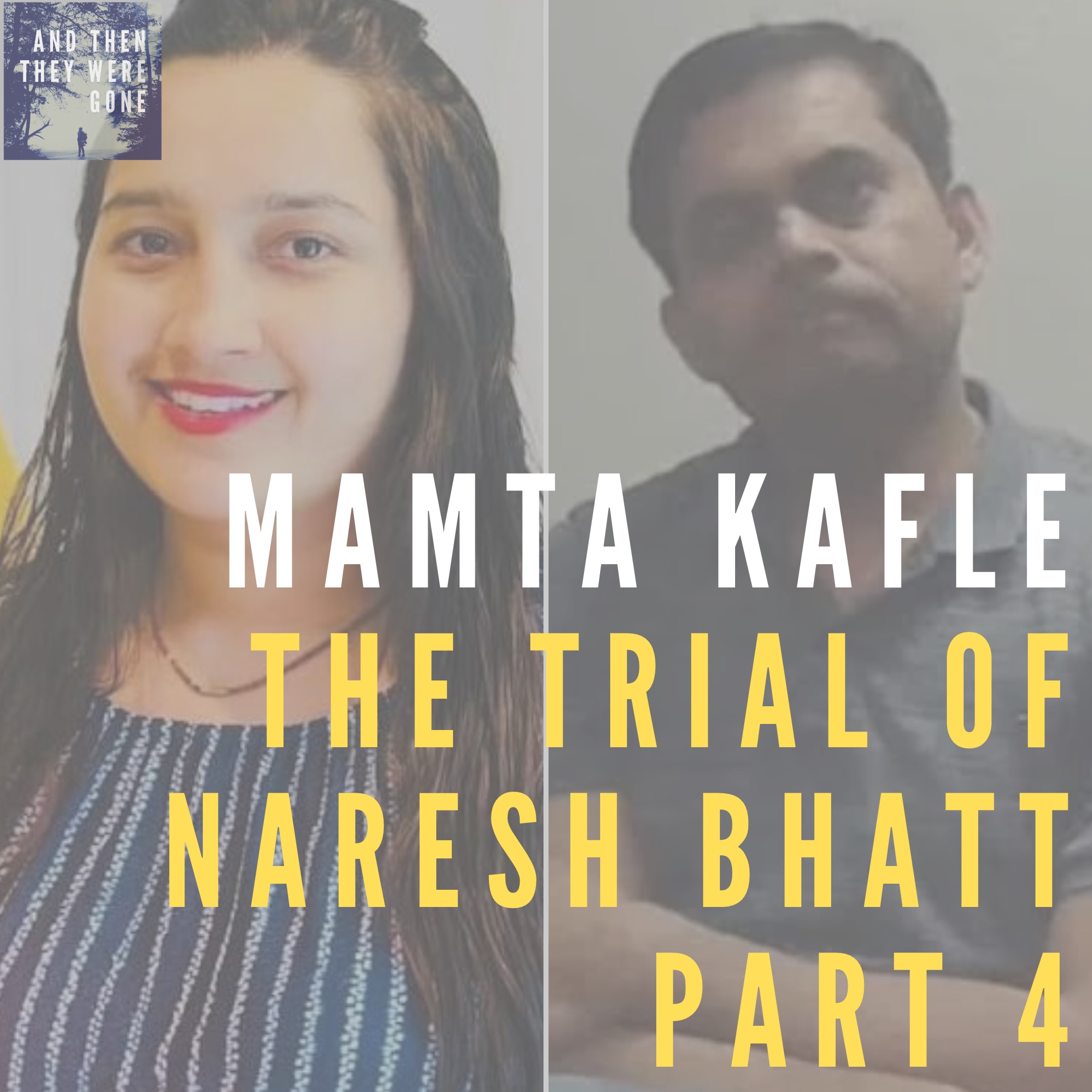
As we continued with the trial of Naresh Bhatt for the murder of his wife, Mamta Kafle, we saw Naresh’s story evolve. First, they were getting a divorce, she smashed her phone and went to either New York or Texas. Then they were fine, and he just assumed she had gone to work. He told Detective Ventura that they stayed at home and cleaned the bathroom, but when police pulled his credit card info, then suddenly he had gone to the grocery store. Naresh Bhatt did go to the grocery store. In fact, he went to several. He bought knives, heavy-duty trash bags, and a cart full of cleaning supplies. It was these purchases that really began to turn the tide in the investigation into Naresh Bhatt and made it clear that investigators were dealing with something much darker than a missing person. Find us everywhere (https://linktr.ee/attwgpod) Merch store (https://www.andthentheyweregone.com/merch-store) Our Sponsors: Privacy & Opt-Out: https://redcircle.com/privacy
Hit subscribe so you don't miss any updates. Supported by True Crime Channel. ------- On the evening of 18 March 2009, Claudia Lawrence, a 35-year-old chef at the University of York, went home to her house on Heworth Road. The next morning she failed to arrive for her early shift, and she has never been seen since. More than seventeen years later, nobody has been charged, her body has never been found, and North Yorkshire Police treat her disappearance as suspected murder. Now, newly upscaled CCTV footage offers a clearer look at that night than ever before. In this special documentary, filmed on location in York, we retrace the streets around Claudia's home: from the Minster to Heworth Road, the alleyway behind her house and the corner where a CCTV camera was recording that night. We're also among the first to be allowed to film inside the Nags Head, Claudia's local pub, and we sit down with Tom McDermott to go through what happened in the hours before she vanished. At the centre of t
On the afternoon of December 22, 1984, thirty-seven-year-old Bernhard Goetz boarded the Manhattan subway at the 14th Street station, bound for home. At one point during the train ride, one of a group of young Black boys approached Goetz and asked him for money, to which Goetz responded by pulling out a handgun and shooting at the group of teenagers, striking three of them. After the shooting had stopped, a witness testified that Goetz stood over one the boys and said, “You don’t look so bad. Here’s another,” then shot the boy a second time. After evading police for several days, Goetz was arrested and claimed he’d shot the teenagers in self-defense after they tried to rob him. To many residents of New York, who were fed up with the high crime rates and deteriorating landscape of the city, Goetz became a kind of folk hero who took it upon himself to do the job the New York Police Department seemed unable to do. But to many others, particularly the city’s Black community, Goetz’s actions
Burger Chef Murders /// Part 3 /// 971 Part 3 of 3 www.TrueCrimeGarage.com (http://www.truecrimegarage.com/) On November 17, 1978, four young employees disappeared from the Burger Chef located at 5725 Crawsfordville Road in Speedway, Indiana. Late that night as they performed their closing routine, Burger Chef Assistant Manager Jayne Fried and her teenaged colleagues, Ruth Shelton, Daniel David, and Mark Flemmonds vanished - leaving an eerily empty restaurant with its back door ajar. $581 was missing from the restaurant. Two days later and over twenty miles away their lifeless bodies were found. The case is still unsolved and involves many unproven theories, including drugs, and a robbery gang. We do our best to touch on all of the theories. During these episodes we also discuss the unsolved murder of Mary Ann Higginbotham and the disappearance of Timothy Willoughby. Beer of the Week - Hoosier Game Day Lager by Upland Brewing Company Garage Grade - 3 and 3 quarter bottle caps out of 5
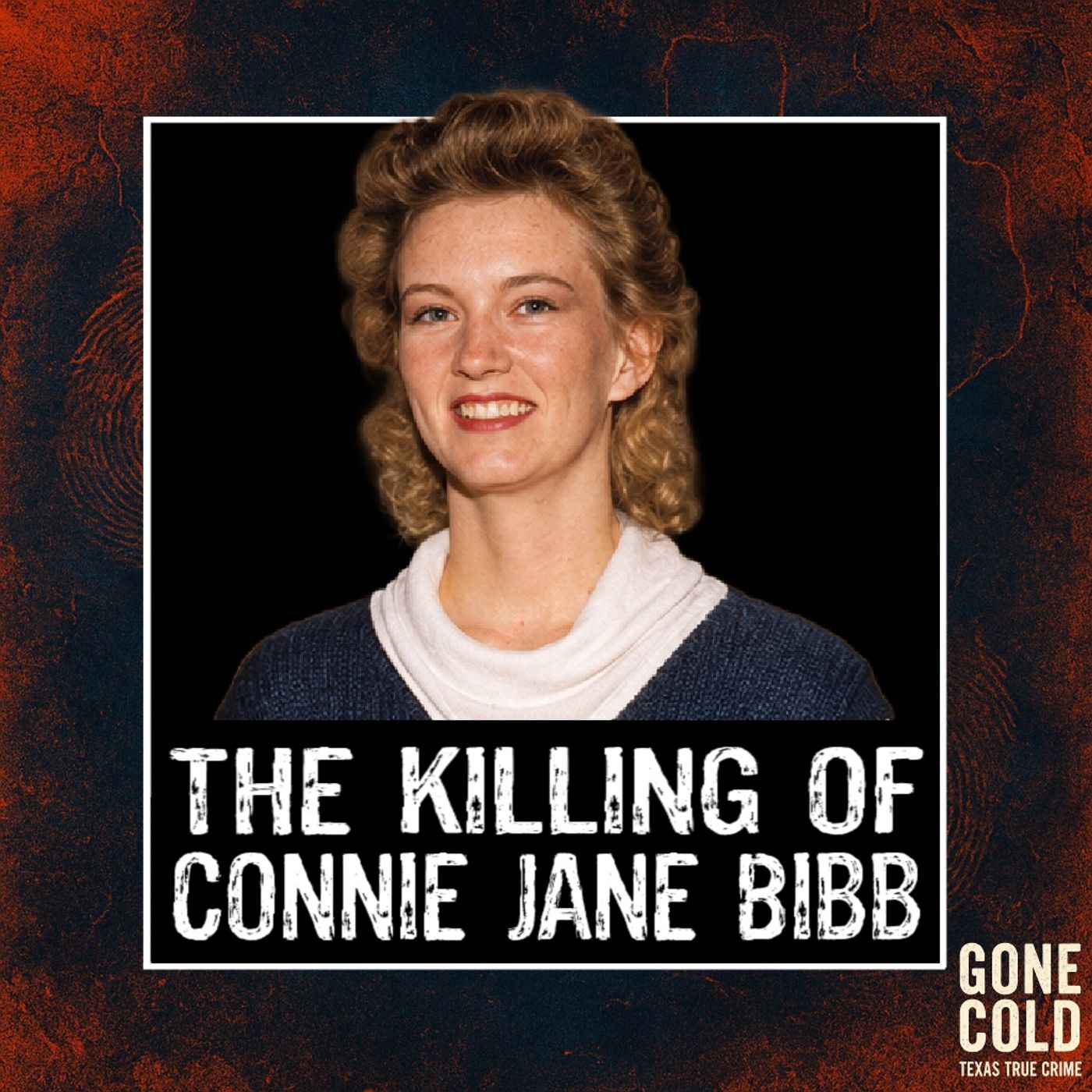
In the fall of 1986, 28-year-old Connie Jane Bibb was entering her senior year at the University of Texas at Austin, where she was studying special education. A former Air Force communications specialist and devout Christian, Connie hoped to become a teacher and missionary. She shared a house in Austin's North University neighborhood with nine other women, many of whom were fellow members of her church. On Thanksgiving night, November 27, 1986, Connie returned home after spending part of the holiday with friends. With her roommates attending the Texas Longhorns football game or away for Thanksgiving, she was alone in the house at 2807 Hemphill Park. At approximately 10 PM, a roommate returned and discovered Connie's body. Investigators determined that an intruder had forced open a second-story patio door and entered the house. Evidence indicated Connie had fought fiercely before being overpowered, bound, gagged, and strangled. Nothing appeared to have been stolen, and several unusual d
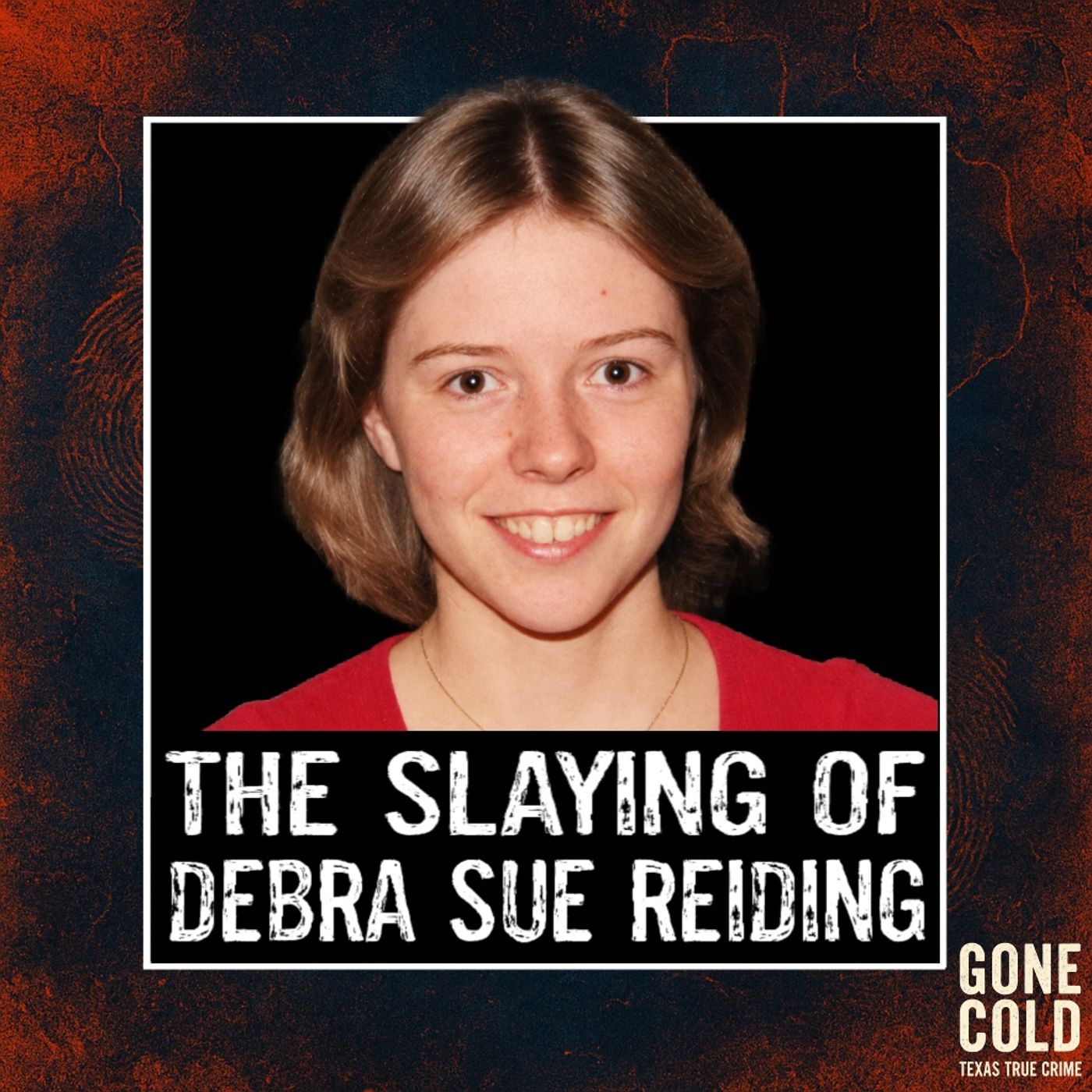
In December 1978, 18-year-old Debra Sue Wilt Reiding and her new husband, Robert, arrived in Austin, Texas, after leaving their small Montana hometown in search of warmer weather and better opportunities. Married just weeks earlier, the couple settled into a modest apartment in South Austin, where Robert worked for a relative and Debra found employment at a nearby restaurant. Despite their financial struggles, the newlyweds were building a life together and looking forward to their future. On January 22, 1979, less than two months after their arrival, Robert returned home from work to find his wife brutally murdered in their bedroom. Debra had been bound, gagged, and strangled, with shallow cuts inflicted on her neck and shoulder. The disturbing circumstances of her death baffled Austin homicide detectives, who found no signs of forced entry, no witnesses, and little evidence pointing to her killer. Throughout the 1970s, Austin had experienced a series of violent, seemingly motiveless
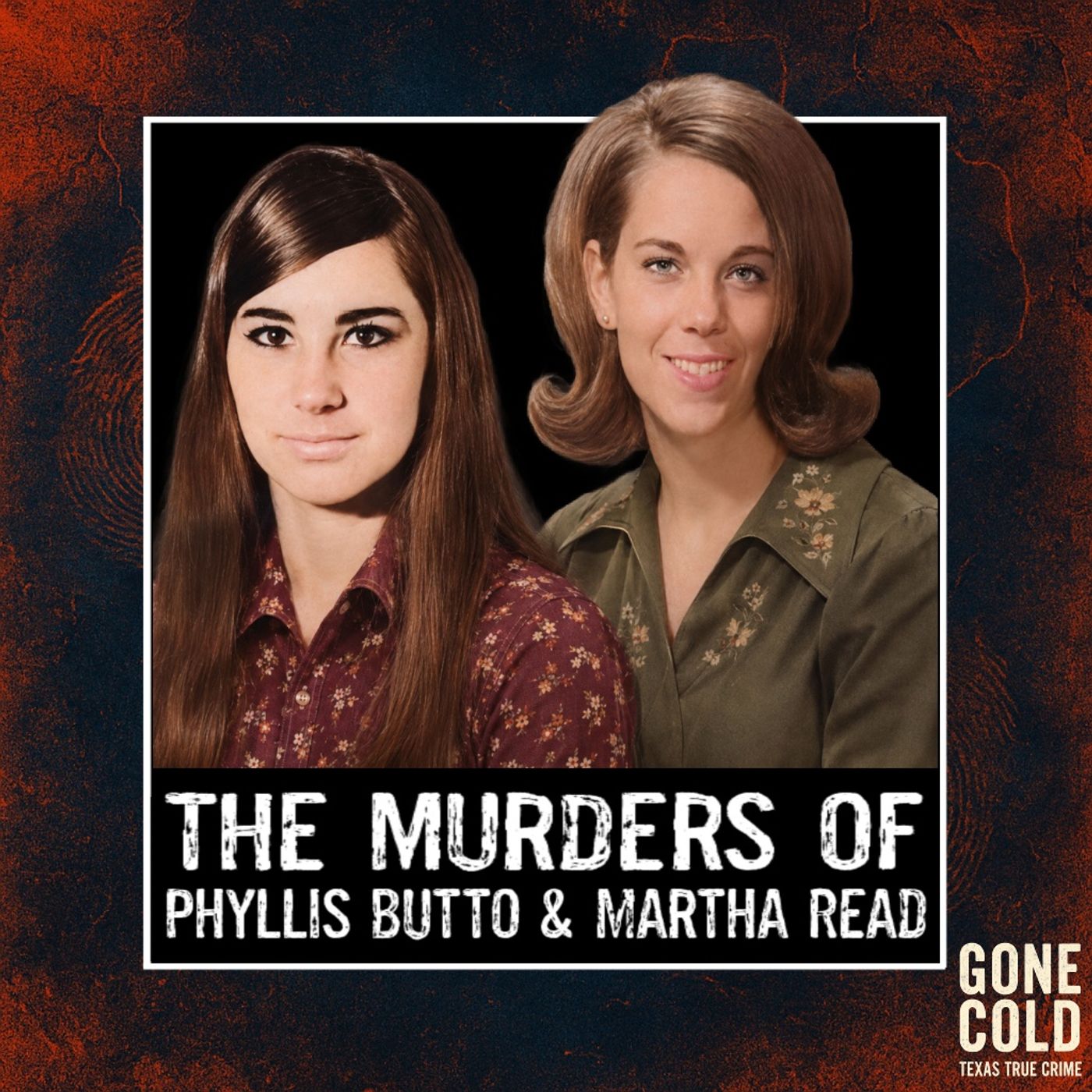
In 1975, Austin, Texas, was experiencing rapid growth and cultural change, bringing new challenges for a police department already struggling with an increasing number of violent crimes that seemed to have no witnesses, no clear motives, and few promising leads. Investigators had a name for the troubling phenomenon: “faceless crime.” On February 10, 1975, 21-year-old Phyllis Lee Callison Butto was found brutally stabbed to death inside the southwest Austin apartment she shared with her husband, an airman stationed at Bergstrom Air Force Base. The violence of the attack shocked even veteran investigators. Despite an intensive investigation, police struggled to establish a motive or identify a suspect. Four and a half months later, on June 23, 25-year-old Martha Lynn Read disappeared while showing a vacant apartment to a prospective tenant at a nearby complex she managed. Her body was discovered a little more than an hour later. Like Phyllis, Martha had suffered a vicious knife attack th
Removing outdated rules is worthwhile even when it reduces some existing protections.
Share your view, then see how readers voted. No sign-in required. This poll is shared across stories.
Do you agree or disagree?
Common Quandary
A Common Quandary to discuss
Another conversation to explore, separate from this news story.
Your neighbor saves a public parking spot with an orange cone. Do you move it?
Street parking is scarce after a snowstorm. Your neighbor spent an hour digging out the space in front of their home and now guards it with an orange cone, even though curb spaces legally belong to everyone. You arrive tired and the cone is blocking the only open spot.
Can effort create a personal claim to something public?