English-language podcasts

Gone Cold - Texas True Crime

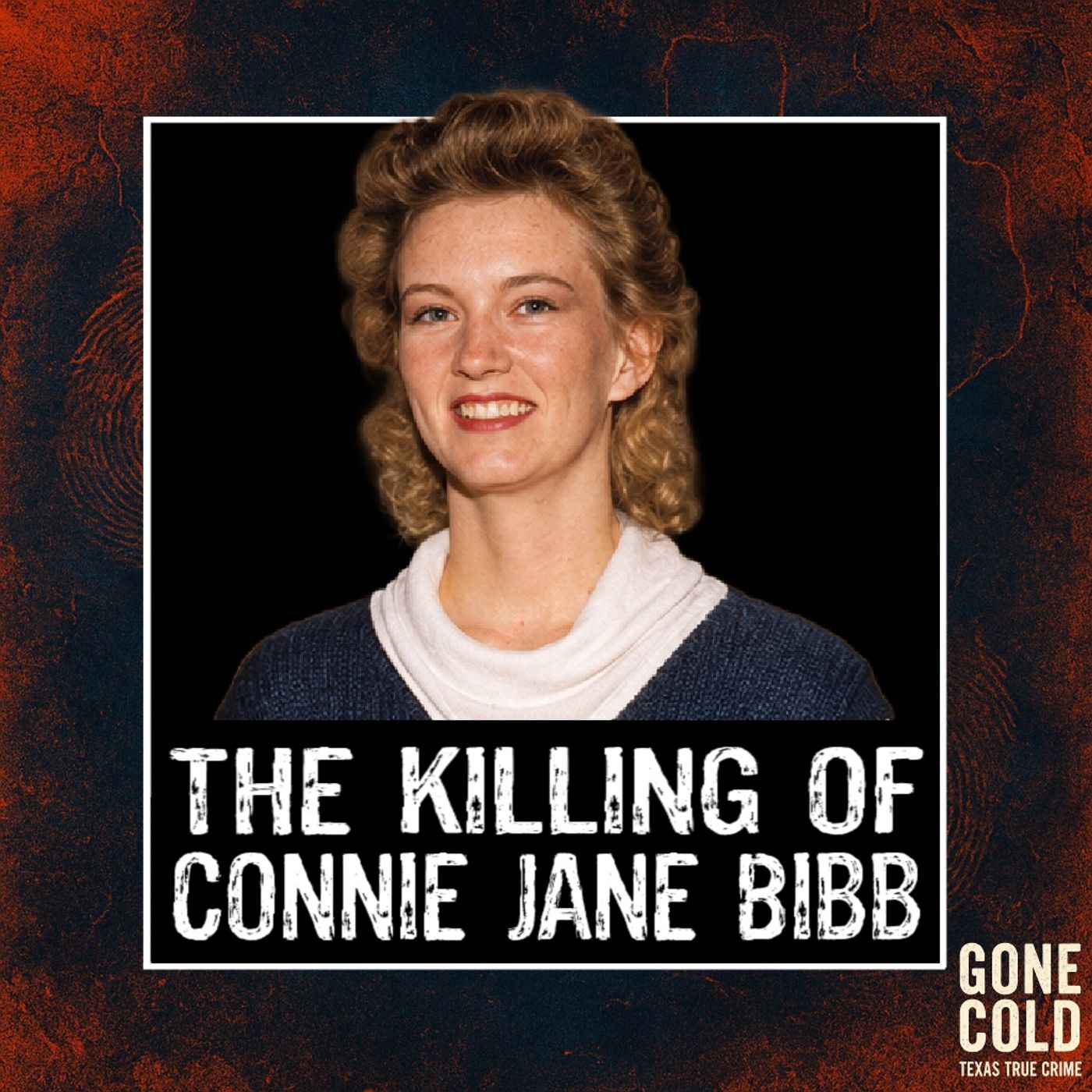
The Killing of Connie Jane Bibb
31 min

Listen through the publisher, then discuss the episode here or arrange an in-person Roundtable. Your city determines where to meet.

Roundtables are designed for groups of four, with a shared subject and room for everyone to speak. Come for discussion, with no dating expectation.

In the fall of 1986, 28-year-old Connie Jane Bibb was entering her senior year at the University of Texas at Austin, where she was studying special education. A former Air Force communications specialist and devout Christian, Connie hoped to become a teacher and missionary. She shared a house in Austin's North University neighborhood with nine other women, many of whom were fellow members of her church. On Thanksgiving night, November 27, 1986, Connie returned home after spending part of the holiday with friends. With her roommates attending the Texas Longhorns football game or away for Thanksgiving, she was alone in the house at 2807 Hemphill Park. At approximately 10 PM, a roommate returned and discovered Connie's body. Investigators determined that an intruder had forced open a second-story patio door and entered the house. Evidence indicated Connie had fought fiercely before being overpowered, bound, gagged, and strangled. Nothing appeared to have been stolen, and several unusual details at the crime scene left detectives struggling to establish a motive. The murder occurred during a particularly troubling period in Austin, when an unidentified serial sexual predator known as the Hyde Park Rapist was attacking women in neighborhoods near the university. Although investigators considered possible connections to other violent crimes, including a murder in College Station just two days earlier, they were unable to identify Connie's killer. Police pursued several persons of interest, including a man arrested for burglarizing a house across the street on the same night Connie was murdered. Despite promising investigative avenues, no charges were filed in her killing, and the case gradually faded from public attention. Years later, Austin's Cold Case Unit revisited the investigation, hoping advancements in forensic technology and previously collected evidence might finally identify the person responsible. More than three decades after Connie Jane Bibb's murder, investigators continued searching for the missing piece that could bring her family answers. If you have any information about the murder of Connie Jane Bibb, please contact the Austin Police Cold Case & Missing Persons Unit through the department’s homicide tipline at (512)477-3588 or by calling the capital area crime stoppers hotline at (512)472-8477. Find us at https://www.gonecold.com For Gone Cold merch, visit https://gonecold.dashery.com #JusticeForDebreReiding #Austin #AustinTX #ATX #TravisCountyTX #Texas #TrueCrime #TexasTrueCrime #TrueCrimePodcast #GoneCold #GoneColdPodcast #ColdCase #Unsolved #Murder #ColdCase #UnsolvedMurder#JusticeForConnieBibb #Austin #AustinTX #TravisCountyTX #Texas #TX #TexasTrueCrime #GoneCold #GoneColdPodcast #ColdCase #Unsolved #Murder #UnsolvedMurder #Homicide #UnsolvedMysteries #TrueCrime #TrueCrimePodcast #Podcast

Episode information is provided by the publisher. Listening takes place on the publisher’s service.

Listen at the source ↗

Featured places to meet in Palo Alto, CA

Explore these places and arrange a conversation through ThinkMatch.

City guide for Palo Alto, CA

More from Gone Cold - Texas True Crime

Gone Cold - Texas True Crime

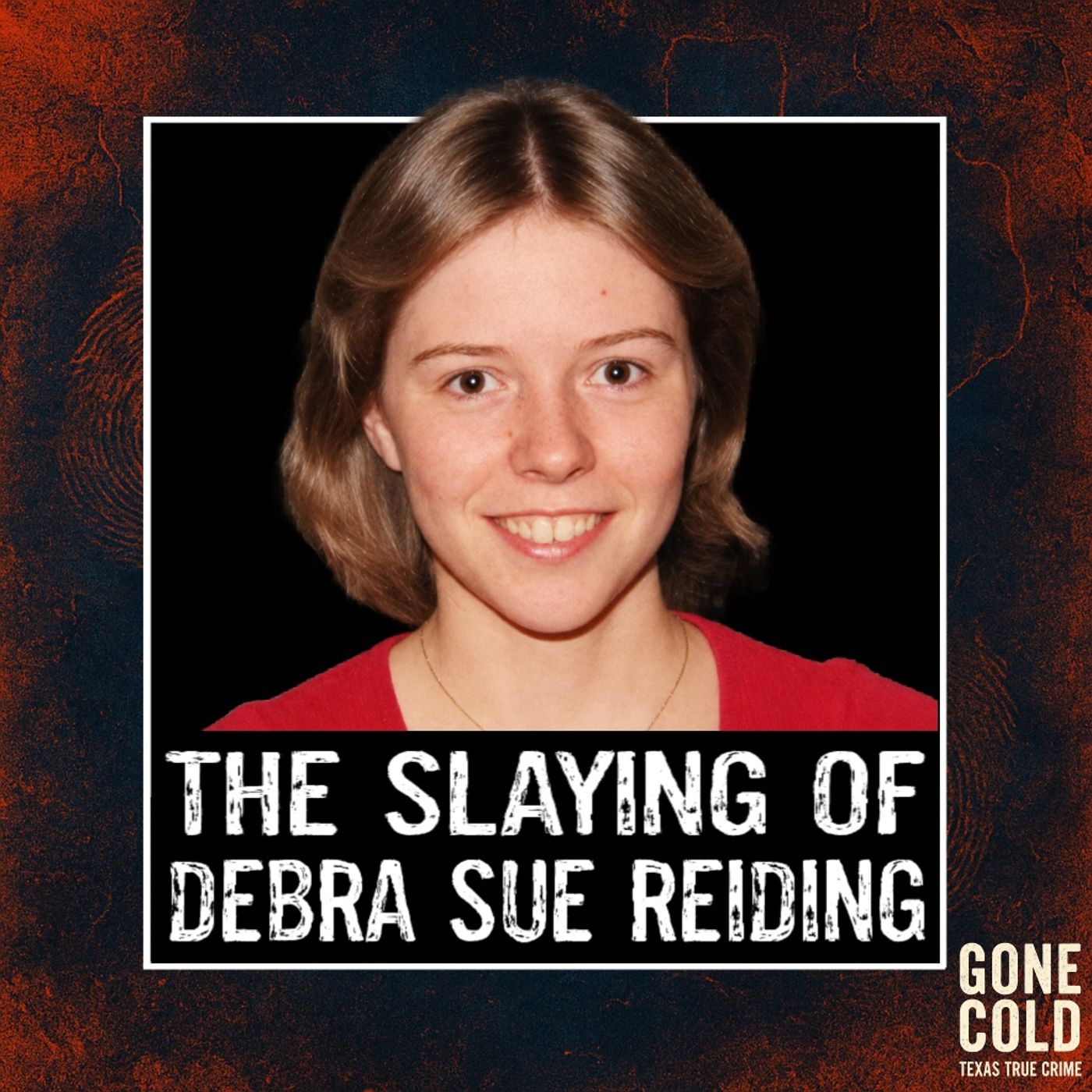
The Slaying of Debra Sue Reiding

30 min

In December 1978, 18-year-old Debra Sue Wilt Reiding and her new husband, Robert, arrived in Austin, Texas, after leaving their small Montana hometown in search of warmer weather and better opportunities. Married just weeks earlier, the couple settled into a modest apartment in South Austin, where Robert worked for a relative and Debra found employment at a nearby restaurant. Despite their financial struggles, the newlyweds were building a life together and looking forward to their future. On January 22, 1979, less than two months after their arrival, Robert returned home from work to find his wife brutally murdered in their bedroom. Debra had been bound, gagged, and strangled, with shallow cuts inflicted on her neck and shoulder. The disturbing circumstances of her death baffled Austin homicide detectives, who found no signs of forced entry, no witnesses, and little evidence pointing to her killer. Throughout the 1970s, Austin had experienced a series of violent, seemingly motiveless

Discuss this episode

Gone Cold - Texas True Crime

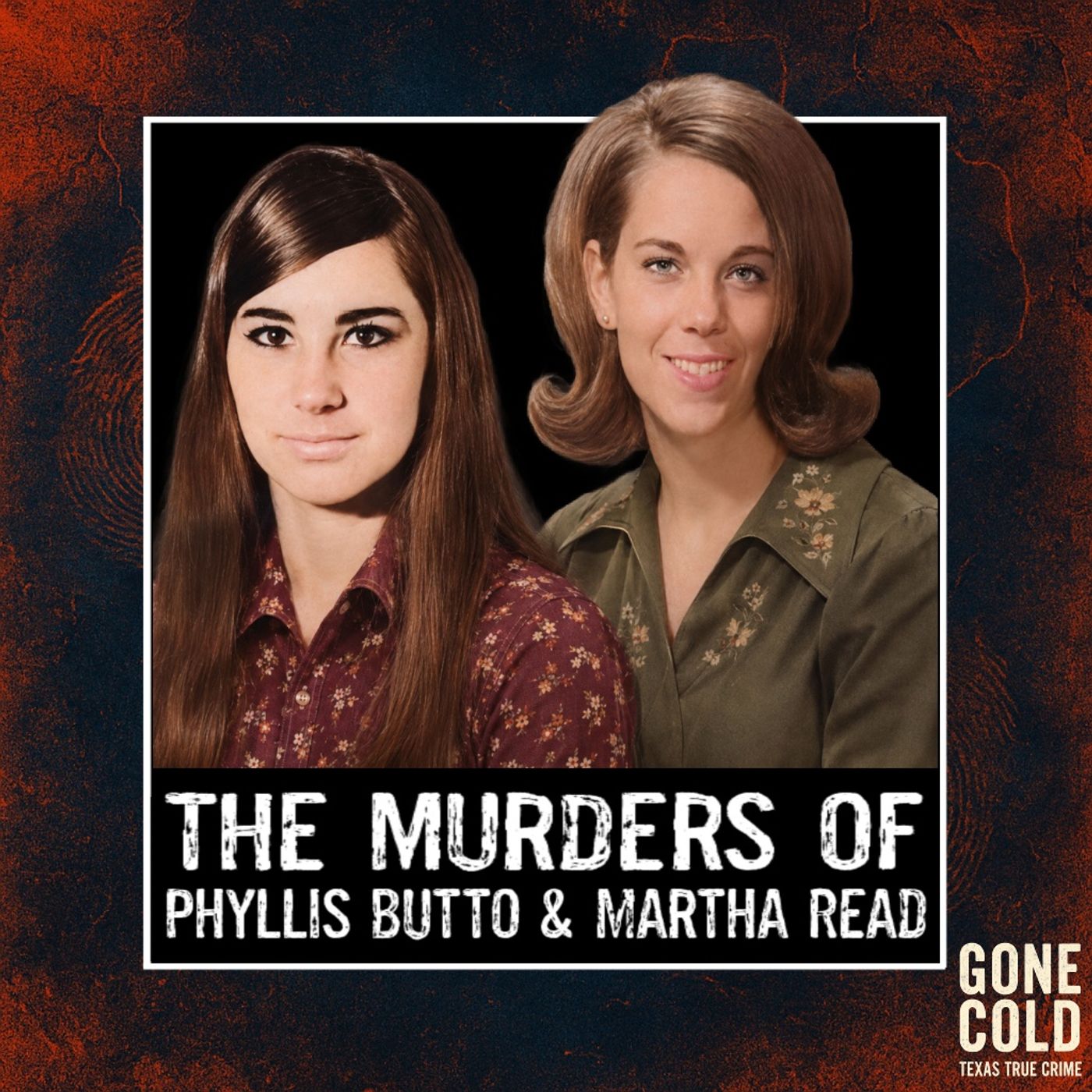
The Murders of Phyllis Butto & Martha Read

34 min

In 1975, Austin, Texas, was experiencing rapid growth and cultural change, bringing new challenges for a police department already struggling with an increasing number of violent crimes that seemed to have no witnesses, no clear motives, and few promising leads. Investigators had a name for the troubling phenomenon: “faceless crime.” On February 10, 1975, 21-year-old Phyllis Lee Callison Butto was found brutally stabbed to death inside the southwest Austin apartment she shared with her husband, an airman stationed at Bergstrom Air Force Base. The violence of the attack shocked even veteran investigators. Despite an intensive investigation, police struggled to establish a motive or identify a suspect. Four and a half months later, on June 23, 25-year-old Martha Lynn Read disappeared while showing a vacant apartment to a prospective tenant at a nearby complex she managed. Her body was discovered a little more than an hour later. Like Phyllis, Martha had suffered a vicious knife attack th

Discuss this episode

Gone Cold - Texas True Crime

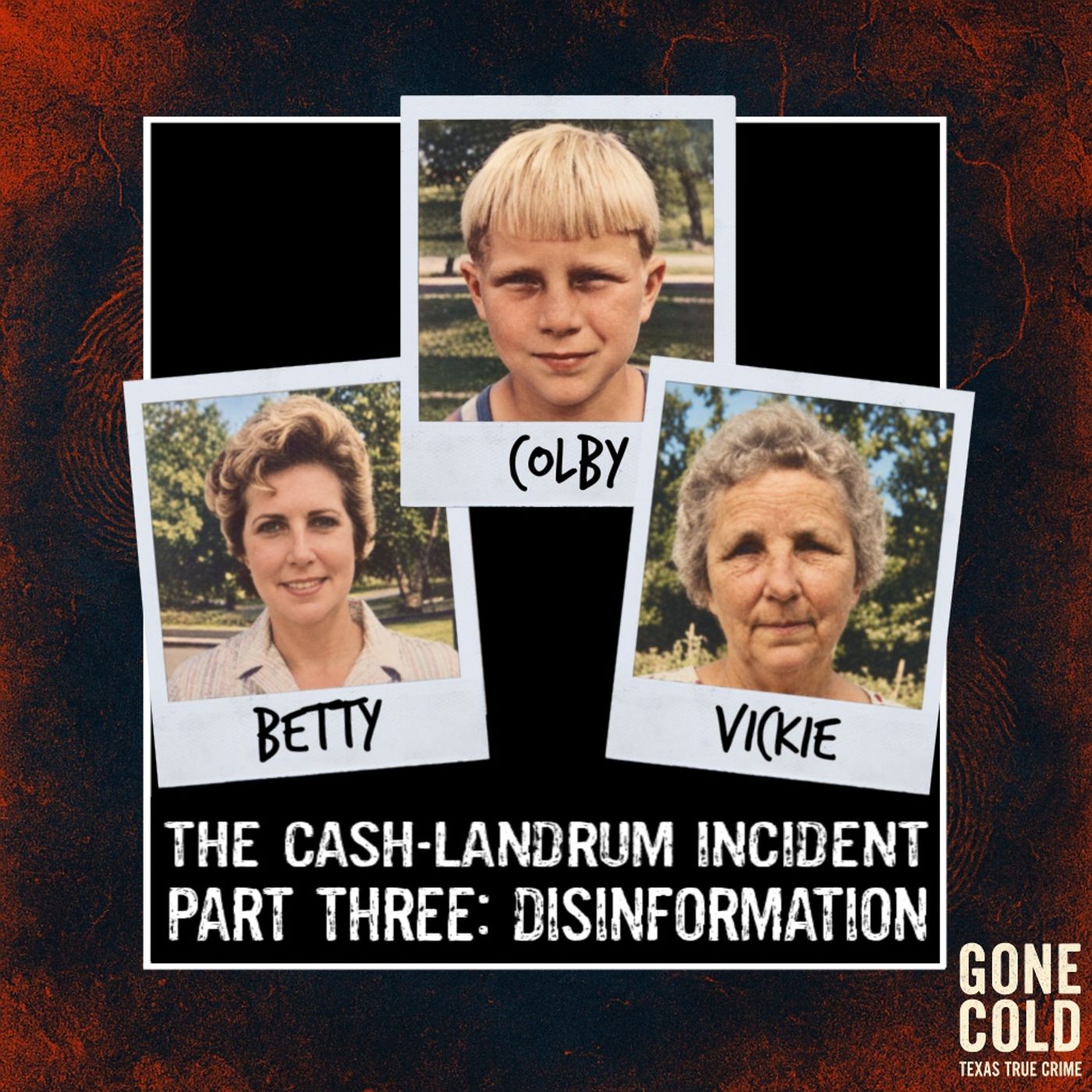
The Cash-Landrum Incident Part Three: Disinformation

38 min

By 1983, Betty Cash, Vickie Landrum, and Vickie’s grandson Colby had spent more than two years seeking answers about their reported encounter. Their account had reached national television, attracted civilian investigators, and prompted official inquiries. Continuing health complaints kept the search personal, while the helicopters they described remained central to their belief that the government knew what had happened. Claims of inside knowledge offered possible explanations. Air Force special agent Richard Doty and UFO author William Moore became sources of information about an alleged experimental aircraft. But evaluating those stories required more than military connections or assurances of secrecy. Attorney Peter Gersten and investigator John Schuessler sought supporting material as the family’s efforts moved toward federal court. Legal proceedings unfolded alongside medical appointments, mounting expenses, and further television appearances. Betty continued receiving treatment

Discuss this episode

Community Poll

Large platforms should make it easier for smaller competitors to connect with their services.

Share your view, then see how readers voted. No sign-in required. This poll is shared across stories.

Do you agree or disagree?

Choose one answer

Common Quandary

A Common Quandary to discuss

Another conversation to explore, separate from this news story.

An app can text exactly like someone you lost. Would you keep talking to it?

A service can create a conversational likeness from a deceased person's messages and recordings. A grieving family member finds it comforting, although the deceased never consented to this use of their data.

Can comfort justify creating a voice the dead never authorized?

Explore this quandary