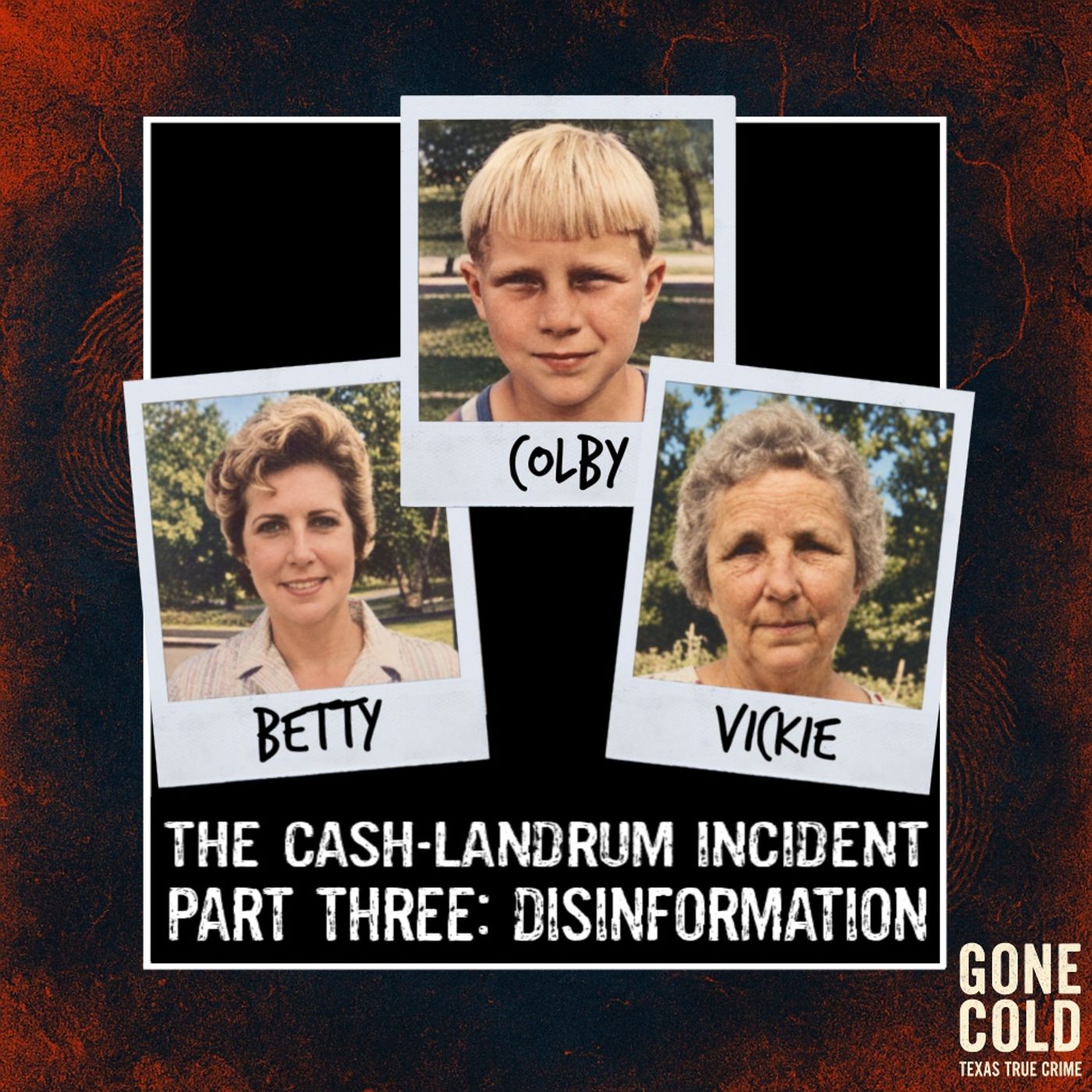
The Cash-Landrum Incident Part Three: Disinformation
38 min
Listen through the publisher, then discuss the episode here or arrange an in-person Roundtable. Your city determines where to meet.
Roundtables are designed for groups of four, with a shared subject and room for everyone to speak. Come for discussion, with no dating expectation.
By 1983, Betty Cash, Vickie Landrum, and Vickie’s grandson Colby had spent more than two years seeking answers about their reported encounter. Their account had reached national television, attracted civilian investigators, and prompted official inquiries. Continuing health complaints kept the search personal, while the helicopters they described remained central to their belief that the government knew what had happened. Claims of inside knowledge offered possible explanations. Air Force special agent Richard Doty and UFO author William Moore became sources of information about an alleged experimental aircraft. But evaluating those stories required more than military connections or assurances of secrecy. Attorney Peter Gersten and investigator John Schuessler sought supporting material as the family’s efforts moved toward federal court. Legal proceedings unfolded alongside medical appointments, mounting expenses, and further television appearances. Betty continued receiving treatment in Alabama. Vickie sought assistance as her eyesight affected her ability to work. Colby faced health complaints, frightening memories, and the attention that followed being publicly associated with a UFO encounter. As the years passed, the case accumulated another history: the history of how it was told. Newspaper articles, documentaries, anonymous tips, and dramatic reconstructions introduced competing explanations. Questions arose about the roadway, the car, and the witnesses’ recollections. Early interview notes and recordings became important in distinguishing details reported near the beginning from interpretations attached later. Betty and Vickie continued writing officials and speaking publicly, maintaining that information about the encounter could matter to their medical care. Their experiences became part of a wider debate about military secrecy, witness credibility, and the reliability of purported government sources. For the people who had been inside the Oldsmobile, however, the questions remained rooted in one night and its consequences. Part three of three. Happy Halloween! Find us at https://www.gonecold.com For Gone Cold merch, visit https://gonecold.dashery.com #CashLandrum #HoustonTX #Texas #TX #TexasTrueCrime #ColdCase #TrueCrimePodcast #Podcast #Unsolved #MissingPerson #Missing #Murder #UnsolvedMurder #UnsolvedMysteries #Homicide #CrimeStories #MysteryPodcast #PodcastRecommendations #CrimeJunkie #Disappearance #Vanished #UFO
Episode information is provided by the publisher. Listening takes place on the publisher’s service.
On November 17th, 2011, mother of three Michelle Parker disappeared in Orlando, Florida, on the same day an episode of The People's Court aired featuring a heated dispute between Michelle and her former fiancé. Michelle was last seen dropping off their twins at his home, but she never arrived at work that evening. The following day, her abandoned vehicle was discovered, sparking a missing persons investigation that would leave her family searching for answers for years. Watch The People’s Court episode here. (https://www.youtube.com/watch?v=6L1JEKloLmk) This episode is sponsored by: Ladder: If you have an iPhone, head to ladder.fit/TCKR (http://ladder.fit/TCKR) and take a quick quiz to find your perfect Ladder plan. Use my link and get a free 7-day trial with NO credit card, and $10 off your first month if you join. Aura Frames: For a limited time, visit auraframes.com (http://auraframes.com/) and get up to $50 off select frames plus an additional $5 off your order with the promo code
True Crime Tuesday Presents: The Candy Man Murders: Three Years of Terror in Houston with Podcaster/ Author Jen Schaffer! In the early 1970s, teenage boys began disappearing across Houston, Texas. One by one, they vanished, leaving behind empty bedrooms, unanswered questions, and a city that chose not to look too closely. Police called them runaways. Parents were told to be patient. Lack of concern caused a pattern to go unnoticed, until a single phone call changed everything. On August 8, 1973, a teenage boy confessed to killing a man and exposed a horror hidden in plain sight. What followed was one of the most disturbing discoveries in American criminal history: a network of abduction, torture, and murder that had operated undetected for years. In The "Candy Man" Murders (https://wbp.bz/candymanmurders) (opens in new tab) (https://wbp.bz/candymanmurders), Jen Schaffer delivers a haunting, deeply researched account of the Houston Mass Murders. Through meticulous investigation and grip
My sister Shannon McDonald Goldstein, a criminal defense attorney, joins me to dig into two cases that have haunted us for decades and are back in the spotlight with new documentaries: Natalee Holloway and JonBenét Ramsey. We go back to that senior trip to Aruba and walk through Joran van der Sloot's ever-changing stories, the local connections that slowed the investigation, and how it became a 24/7 media frenzy. Then we revisit the JonBenét case 30 years later, from the pageant world we know a little too well to the questions about what the Ramseys knew, and whether DNA could finally give us answers. We also share our own wild spring break stories, and Shannon explains why the three minor siblings in the K.J. Berman case just got their own attorney. You won't want to miss this one!
A woman told ITV News that a letter from David Walliams’ lawyers left her shaking. What did that letter demand, and what happens when speaking out brings the threat of legal action? Max Palasi is joined by Melanie Bridgen, Partner and family law solicitor at Nelsons, to examine the reported correspondence, Walliams’ unsuccessful attempt to prevent publication, and the wider pressures facing people making allegations against powerful public figures. We discuss the reported request for a written undertaking within 24 hours, the difference between a solicitor’s demand and a court order, and how confidentiality agreements, legal costs and fear of proceedings can affect someone’s decision to speak. Melanie’s professional experience includes domestic abuse, coercive control and complex family proceedings. She represented former MP Kate Kniveton in proceedings involving abuse findings and their publication, giving her direct experience of the tensions between privacy, public interest and the
The bombing of the Rainbow Warrior, Auckland, New Zealand, 1985 Three days in the interview rooms at Auckland Central. A fisherman called Peter who never turns up, a pair of scars no surgeon made, a horoscope that reads like a police brief, and a young constable who speaks French. Then the passports come back from Switzerland as forgeries. As the Turenges are charged, the investigation chases a yacht to Norfolk Island, a doctor to Sydney, a volunteer to Israel and a pair of black pantyhose to Paris, and France's denials begin to give way. IN MEMORY Fernando Pereira, 1950 to 1985, photographer, father of Marelle and Paul. A NOTE ON SOURCING Alain Mafart and Dominique Prieur, who used the names Alain and Sophie Turenge, are named because they pleaded guilty to manslaughter and wilful damage in November 1985. Christine Cabon is named because her role has been publicly documented and she has spoken about it. The Ouvéa's crew, the yacht's doctor, the divers and their commander are described
Retired agent Robert "Bob" Clifford reviews the FBI's role in identifying and dismantling a deadly revolutionary organization, known as 17 November, that for 27-years operated a reign of terror in Greece. Twenty-three people were assassinated by 17 November, including Greek police, prosecutors, government officials, politicians, wealthy business owners, foreign diplomats and US and NATO military officers. The United States' participation in the 2004 Olympics hinged on the elimination of the terrorist threat. In 2000, as the newly assigned Legal Attaché in Athens, Bob was tasked by Director Freeh to assist the Greek authorities in the identification and capture of 17 November members. Bob served in the FBI for 24 years. Check out episode show notes, photos, and related articles: https://jerriwilliams.com/420-bob-clifford-greek-revolutionary-organization-17-november-2004-athens-olympics/ Buy me a coffee - https://www.buymeacoffee.com/JerriWilliams Check out my FBI books, non-fiction and
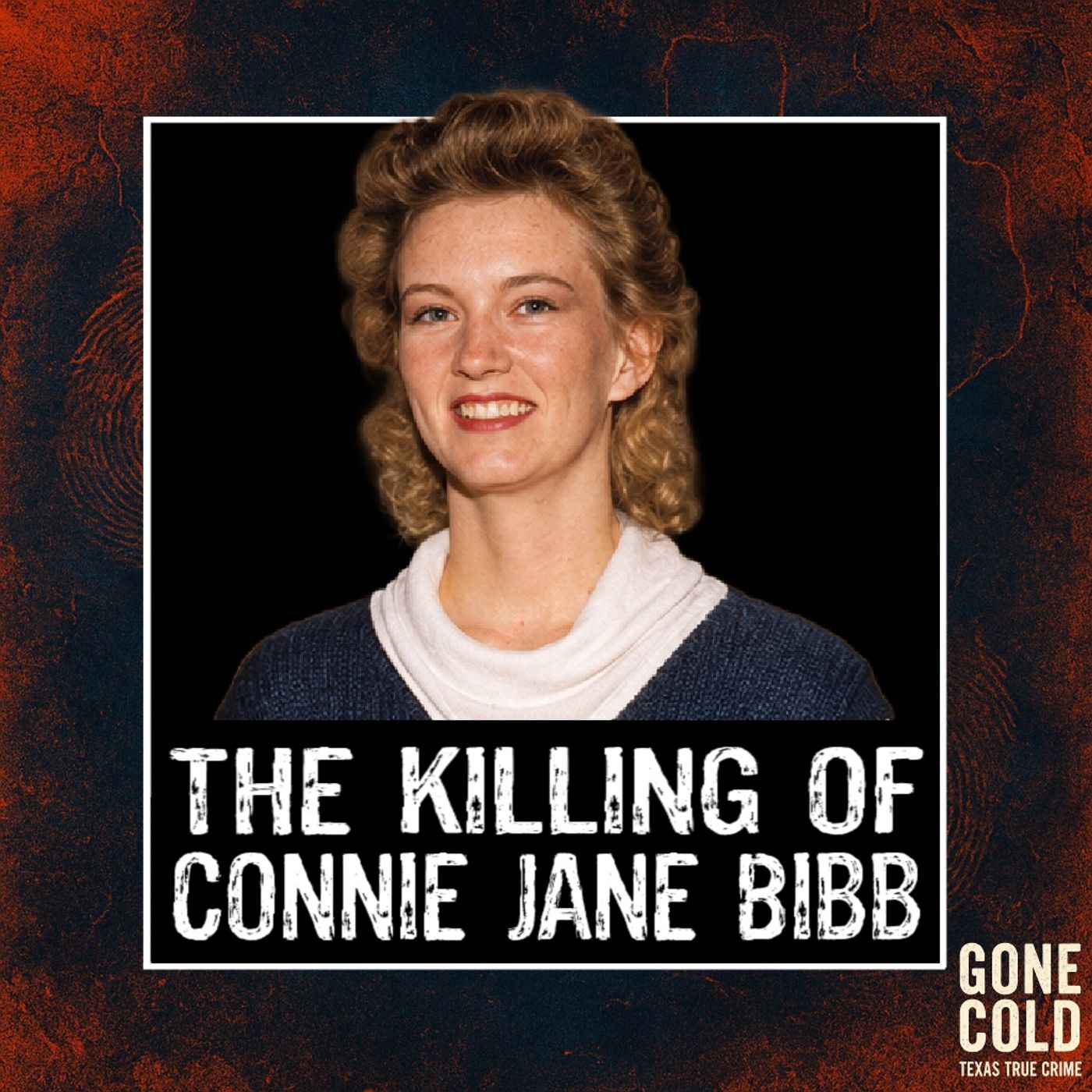
In the fall of 1986, 28-year-old Connie Jane Bibb was entering her senior year at the University of Texas at Austin, where she was studying special education. A former Air Force communications specialist and devout Christian, Connie hoped to become a teacher and missionary. She shared a house in Austin's North University neighborhood with nine other women, many of whom were fellow members of her church. On Thanksgiving night, November 27, 1986, Connie returned home after spending part of the holiday with friends. With her roommates attending the Texas Longhorns football game or away for Thanksgiving, she was alone in the house at 2807 Hemphill Park. At approximately 10 PM, a roommate returned and discovered Connie's body. Investigators determined that an intruder had forced open a second-story patio door and entered the house. Evidence indicated Connie had fought fiercely before being overpowered, bound, gagged, and strangled. Nothing appeared to have been stolen, and several unusual d
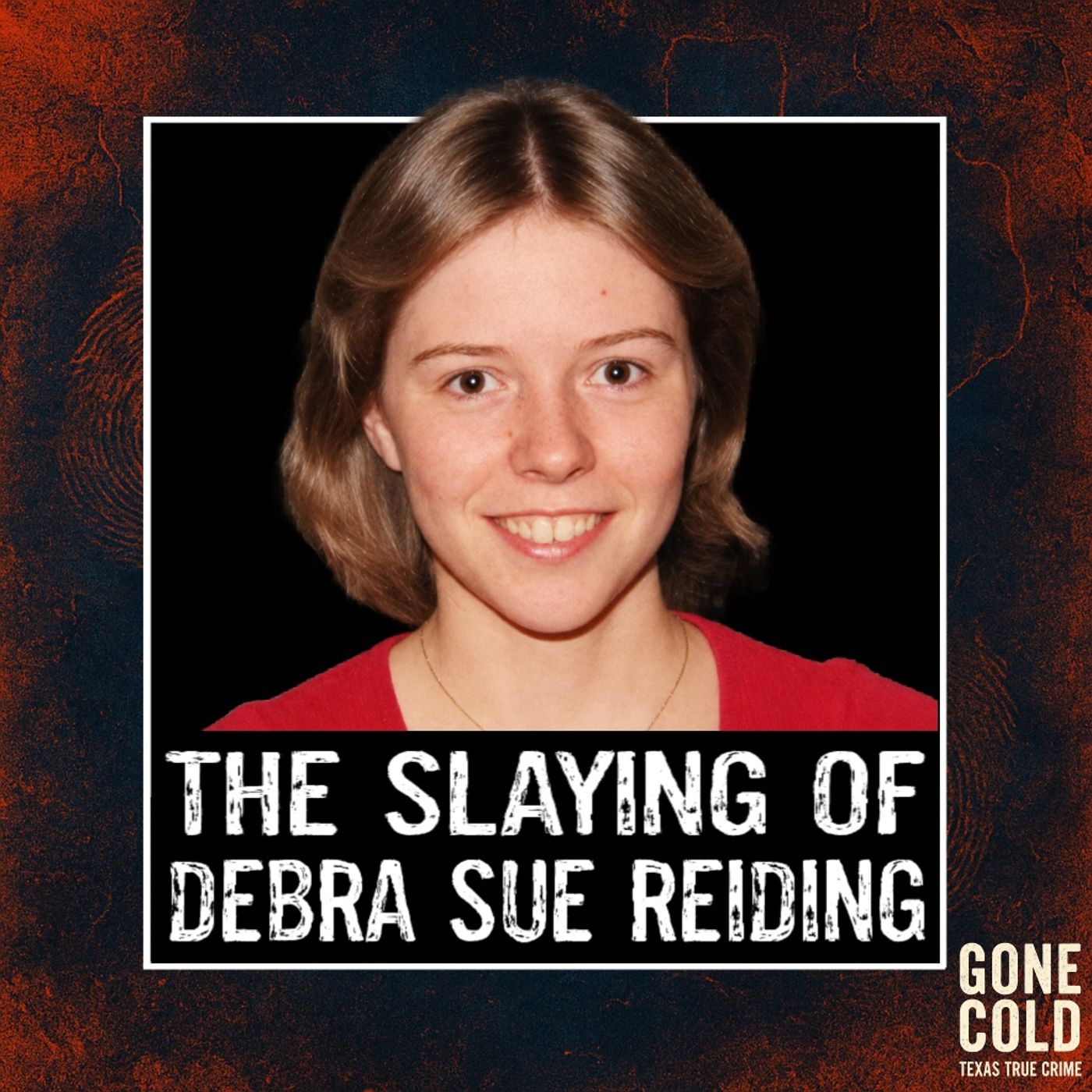
In December 1978, 18-year-old Debra Sue Wilt Reiding and her new husband, Robert, arrived in Austin, Texas, after leaving their small Montana hometown in search of warmer weather and better opportunities. Married just weeks earlier, the couple settled into a modest apartment in South Austin, where Robert worked for a relative and Debra found employment at a nearby restaurant. Despite their financial struggles, the newlyweds were building a life together and looking forward to their future. On January 22, 1979, less than two months after their arrival, Robert returned home from work to find his wife brutally murdered in their bedroom. Debra had been bound, gagged, and strangled, with shallow cuts inflicted on her neck and shoulder. The disturbing circumstances of her death baffled Austin homicide detectives, who found no signs of forced entry, no witnesses, and little evidence pointing to her killer. Throughout the 1970s, Austin had experienced a series of violent, seemingly motiveless
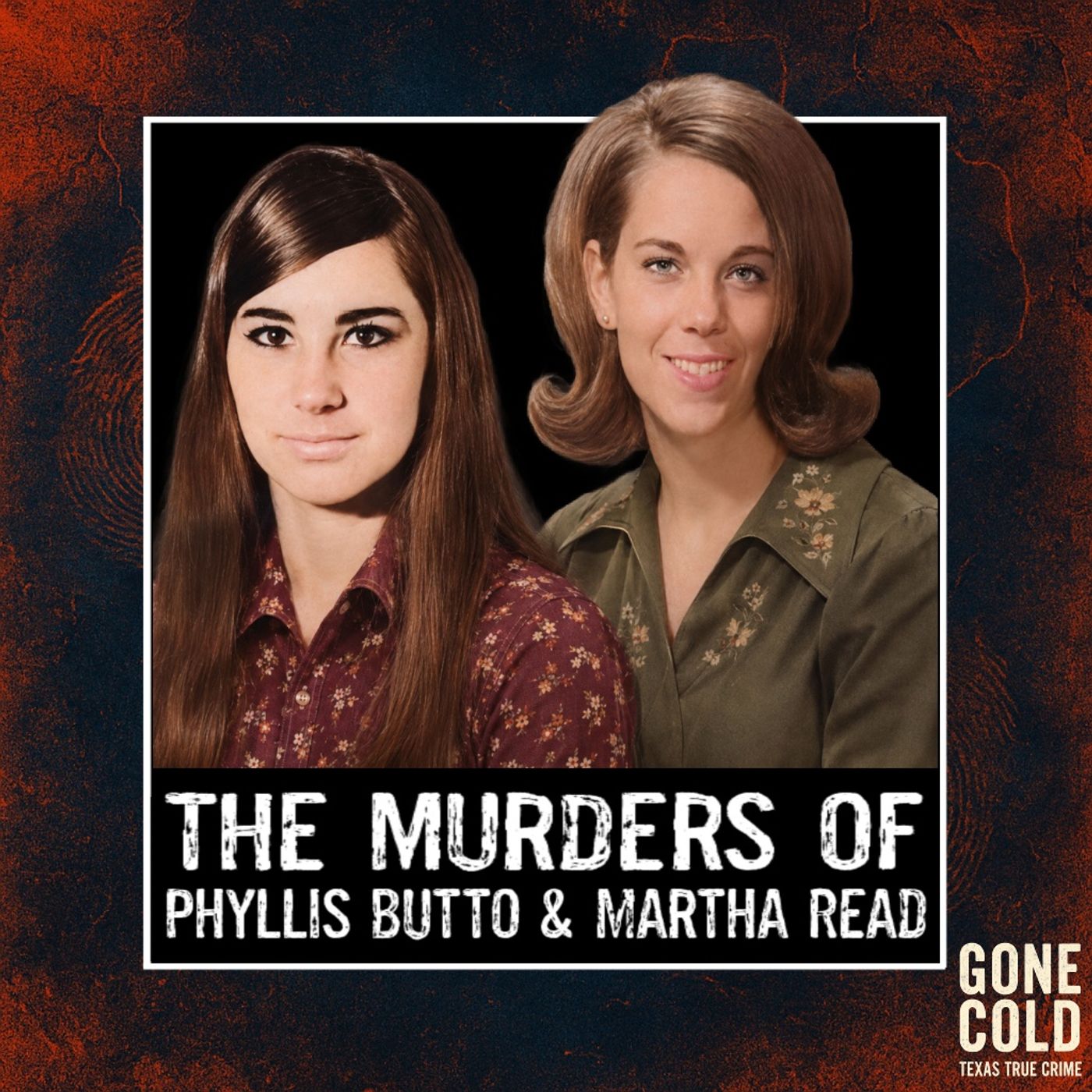
In 1975, Austin, Texas, was experiencing rapid growth and cultural change, bringing new challenges for a police department already struggling with an increasing number of violent crimes that seemed to have no witnesses, no clear motives, and few promising leads. Investigators had a name for the troubling phenomenon: “faceless crime.” On February 10, 1975, 21-year-old Phyllis Lee Callison Butto was found brutally stabbed to death inside the southwest Austin apartment she shared with her husband, an airman stationed at Bergstrom Air Force Base. The violence of the attack shocked even veteran investigators. Despite an intensive investigation, police struggled to establish a motive or identify a suspect. Four and a half months later, on June 23, 25-year-old Martha Lynn Read disappeared while showing a vacant apartment to a prospective tenant at a nearby complex she managed. Her body was discovered a little more than an hour later. Like Phyllis, Martha had suffered a vicious knife attack th
Officials should step aside from decisions involving a potential personal conflict of interest.
Share your view, then see how readers voted. No sign-in required. This poll is shared across stories.
Do you agree or disagree?
Common Quandary
A Common Quandary to discuss
Another conversation to explore, separate from this news story.
Your anonymous review could cost a coworker a promotion. Do you sign your name?
A company requests anonymous feedback about a colleague being considered for promotion. You have serious concerns based on direct experience, but anonymity prevents them from asking questions or understanding the context of your criticism.
Does honest criticism require accepting personal accountability for it?