English-language podcasts

The John Batchelor Show

New Zealand Call and Accidental Diplomacy Kenneth P. Vogel, author of Devil's Advocates, VOGEL2
6 min

Listen through the publisher, then discuss the episode here or arrange an in-person Roundtable. Your city determines where to meet.

Roundtables are designed for groups of four, with a shared subject and room for everyone to speak. Come for discussion, with no dating expectation.

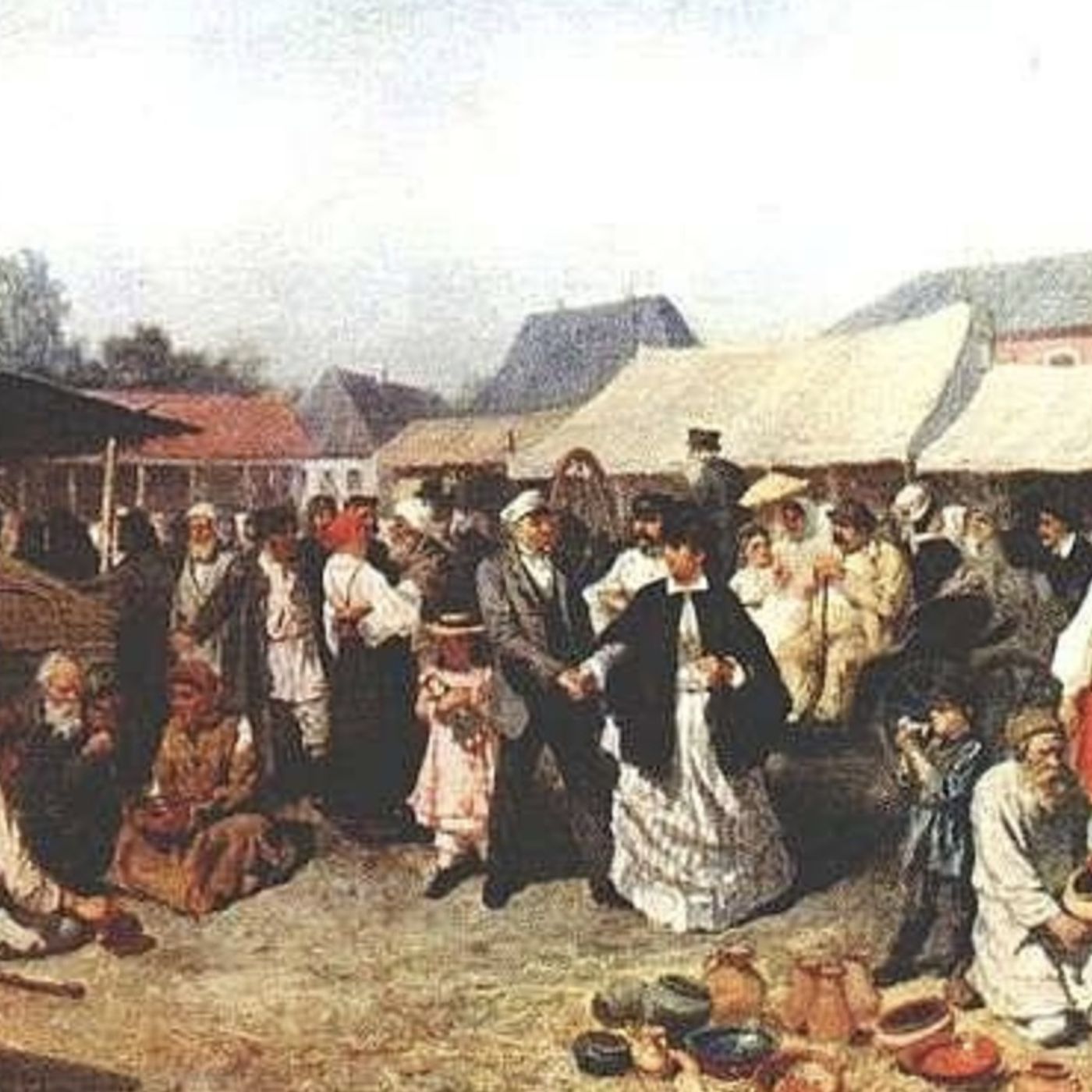
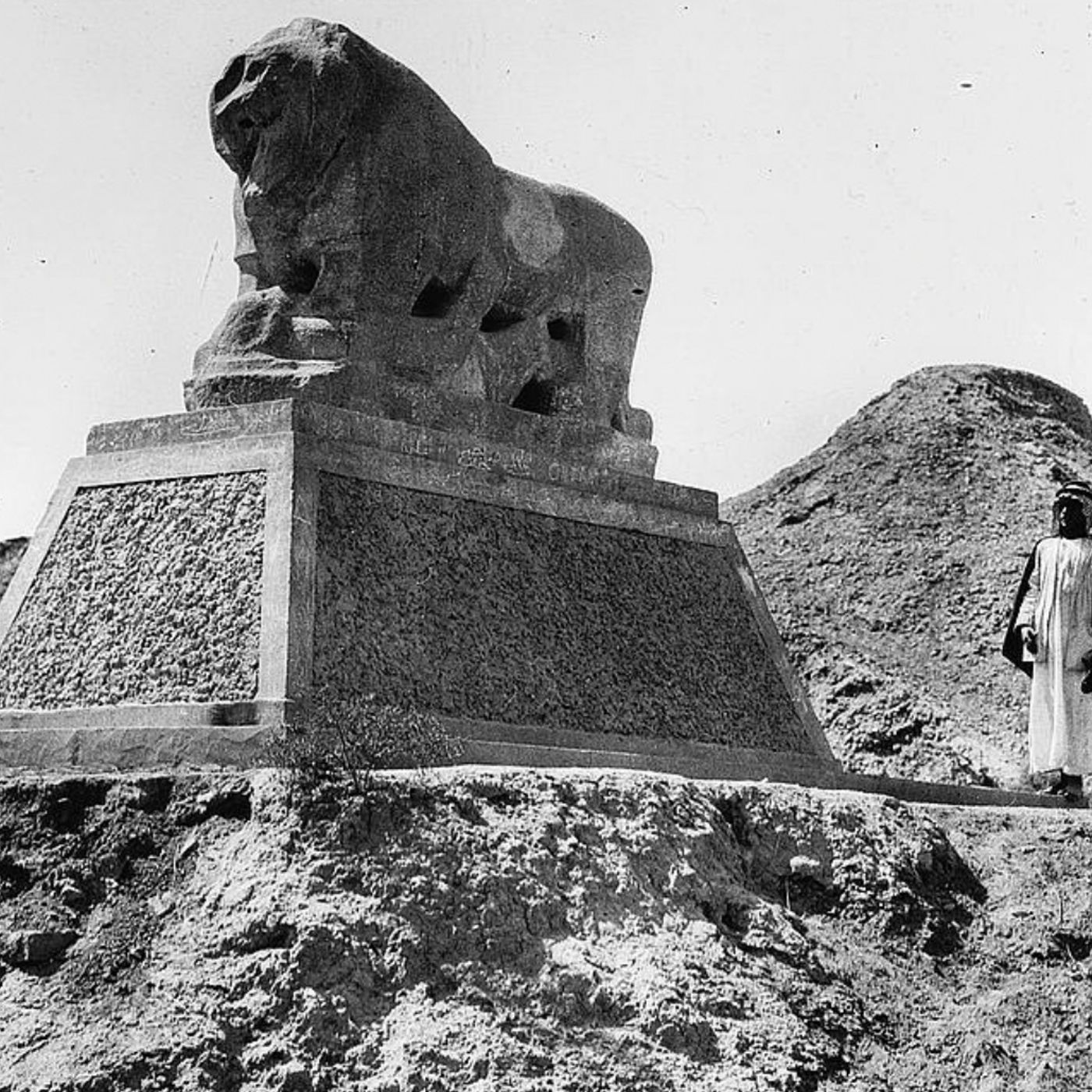
1902 BABYLON New Zealand Call and Accidental Diplomacy Kenneth P. Vogel, author of Devil's Advocates, recounts how Robert Stryk gained diplomatic influence through a chance meeting in Georgetown. A New Zealand diplomat told him the embassy had no connections to Donald Trump's incoming administration, and Stryk offered a direct number for the Trump team. Using his ties to campaign aide Stuart Jolly, he arranged a congratulatory phone call between Trump and New Zealand's leadership. The call instantly raised Stryk's standing as a well-connected foreign lobbyist in Washington. Part Two. (2)

Episode information is provided by the publisher. Listening takes place on the publisher’s service.

Listen at the source ↗

Featured places to meet in Palo Alto, CA

Explore these places and arrange a conversation through ThinkMatch.

City guide for Palo Alto, CA

More from The John Batchelor Show

The John Batchelor Show

Grand Strategy for Democratic Alliances Michael McFaul, author of Autocrats versus Democrats, MCFAUL8

10 min

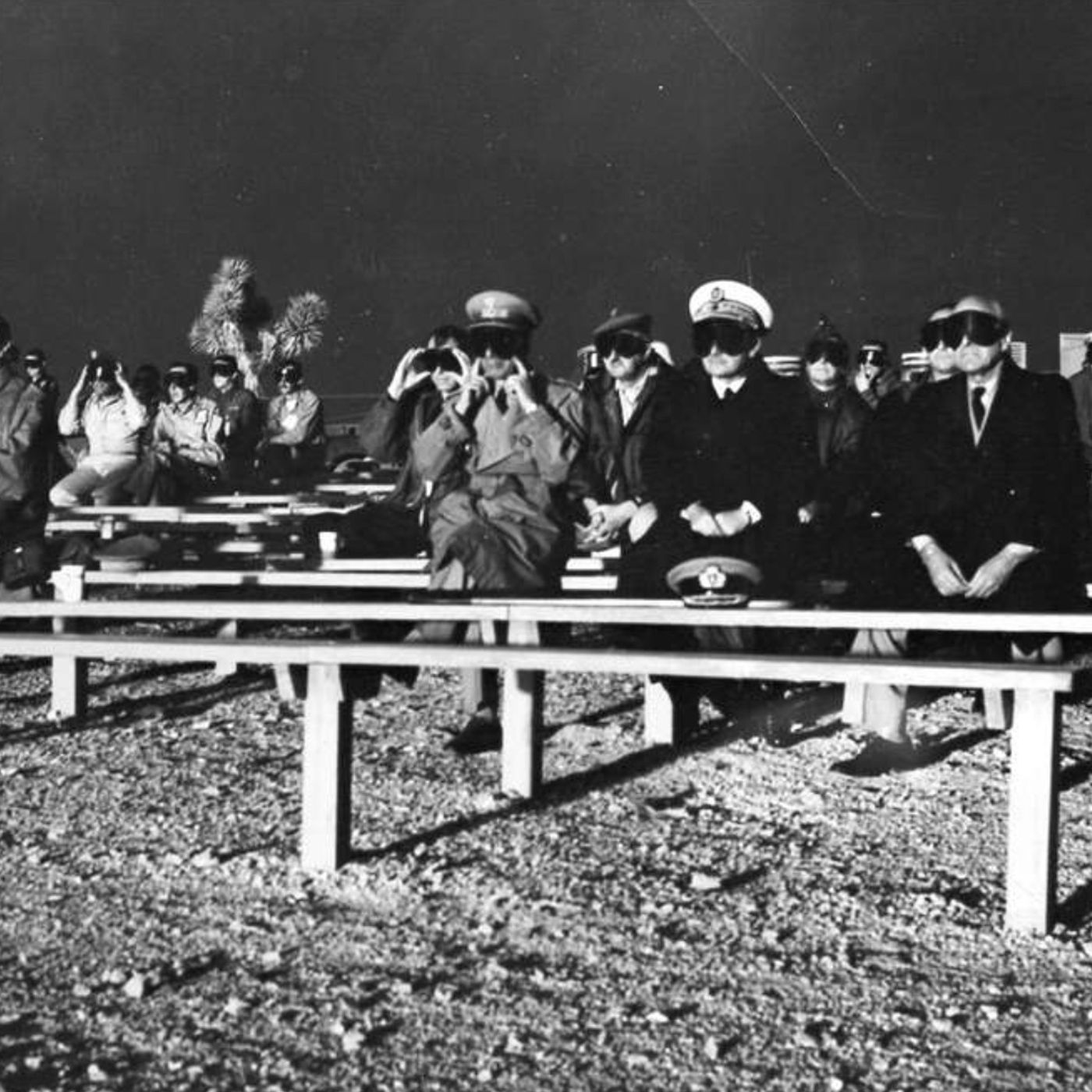
1957 PLUMBBOB ,BOLTZMAN EVENT Grand Strategy for Democratic Alliances Michael McFaul, author of Autocrats versus Democrats, sets out a long-term grand strategy for the democracies in their competition with rising autocracies. He argues that democratic alliances still hold the advantage over Russia and Chinain military, economic, technological and ideological strength. To keep that edge, he calls for strengthening democratic institutions at home and renewing investment in public diplomacy such as the Voice of America. He also urges reforming trade agreements rather than retreating into isolation, and keeping international democratic coalitions united. Part Eight. (8)

Discuss this episode

The John Batchelor Show

Supporting Ukraine and Attracting Talent Michael McFaul, author of Autocrats versus Democrats MCFAUL7

11 min

1890 UKRAINE Supporting Ukraine and Attracting Talent Michael McFaul, author of Autocrats versus Democrats, outlines strategies for countering autocratic aggression and preparing for a future political transition in Russia. He stresses that backing a decisive Ukrainian victory is essential to undermining Putin's narrative and encouraging reform inside Russia. He also urges reform of restrictive U.S. visa policies to attract top Russian and Chinese technical talent, and the strategic exploitation of the friction points in the partnership between Xi Jinping and Vladimir Putin. Part Seven. (7)

Discuss this episode

The John Batchelor Show

Autocracy, Alliances and Human Rights Michael McFaul, author of Autocrats versus Democrats MCFAUL6

8 min

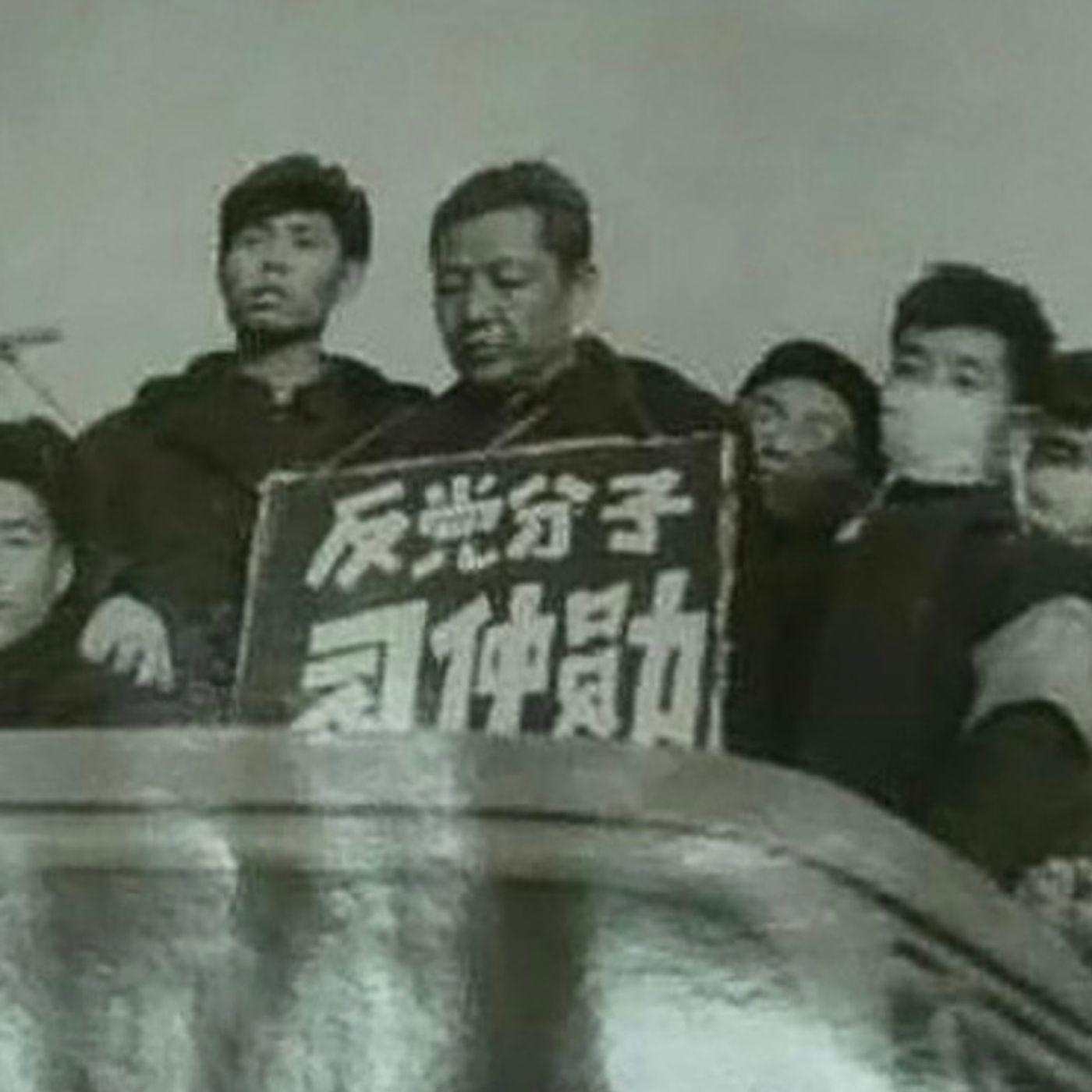
1967 RED GUARDS Autocracy, Alliances and Human Rights Michael McFaul, author of Autocrats versus Democrats, analyzes U.S. strategy toward autocrats, citing Donald Trump's meetings with Xi Jinping at Mar-a-Lago. McFaul supports strong military deterrence and direct communication with adversaries, but criticizes policies that strain key democratic alliances. He calls for pairing firm security measures with open advocacy for human rights, pointing to jailed Hong Kong publisher Jimmy Lai as a figure who can inspire democratic dissidents living under the regimes in China and Russia. Part Six. (6)

Discuss this episode

Community Poll

Vocational training should receive the same respect as university education.

Share your view, then see how readers voted. No sign-in required. This poll is shared across stories.

Do you agree or disagree?

Choose one answer

Common Quandary

A Common Quandary to discuss

Another conversation to explore, separate from this news story.

Scientists can edit mosquitoes until a deadly disease disappears. Who gets to say yes?

Scientists can potentially release modified mosquitoes whose genes would spread through wild populations and sharply reduce a deadly disease. The ecological effects could cross borders and may be impossible to reverse.

Who may authorize an irreversible change intended to save lives?

Explore this quandary