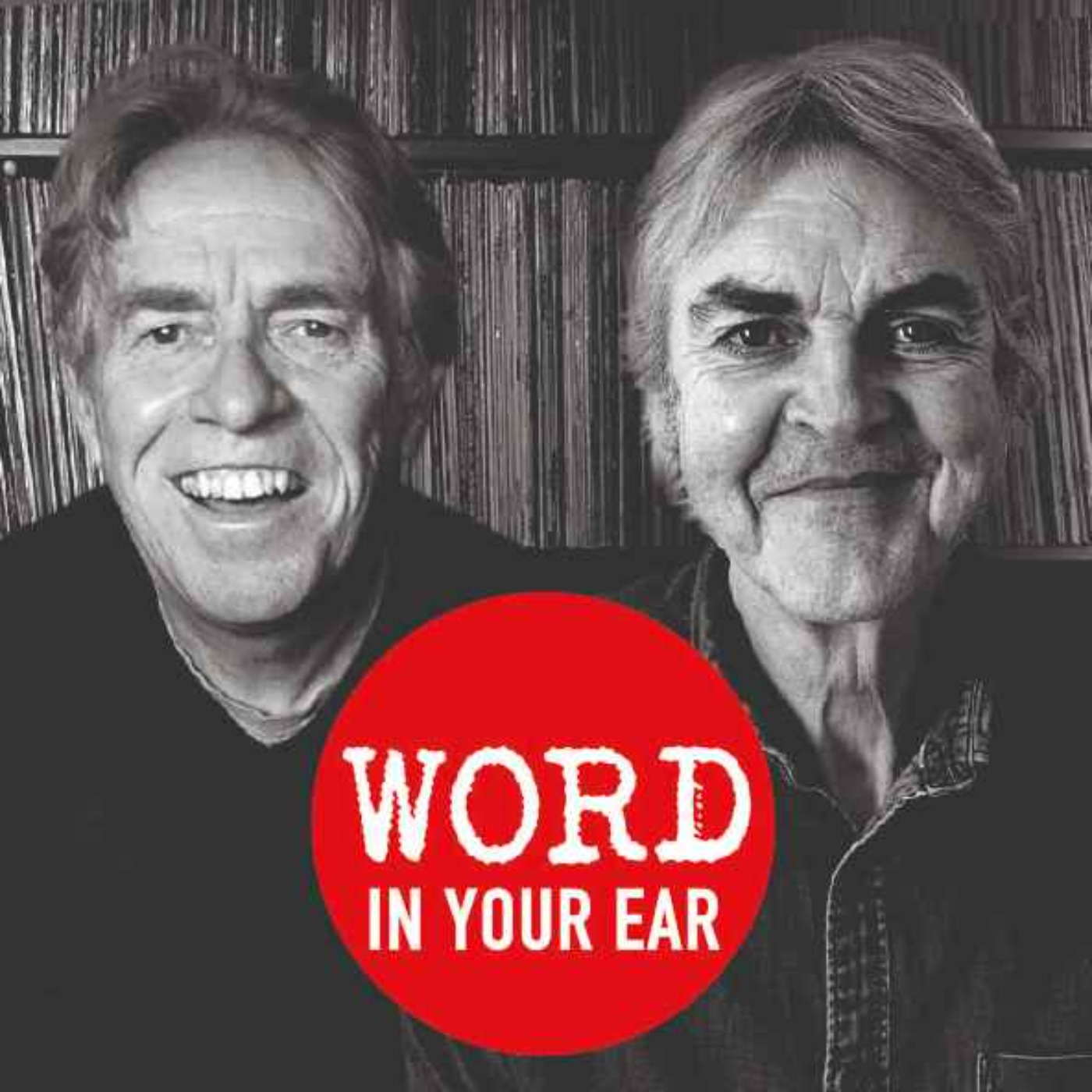
Ken Womack lectures and writes about the Beatles and his latest (with Scott Freiman) dismantles every track they released up to 1966 to work out the recording process and the instruments used. It’s a labour of love and, at times, detective work. He talks here from his guitar-stacked room in New Jersey about ‘The Beatles’ Touring Era’ and what he learnt from writing it. High in the mix … … the value of the ‘secret weapons’ George Martin, Ken Scott, Norman Smith and Mal Evans and the fact that EMI owned the building … the forces that had to be aligned to make those records work and why “the odds were off the chart” … how George Harrison transformed And I Love Her, She Loves You and Nowhere Man … Dylan’s reaction when they played him Tomorrow Never Knows and how “he changed their art forever” … what 18 year-olds see in the Beatles … ‘banger moments’ on Long Tall Sally, This Boy, Baby’s In Black and She Loves You … the celeste on Baby It’s You, the ‘harpsichord’ on In My Life and the glori
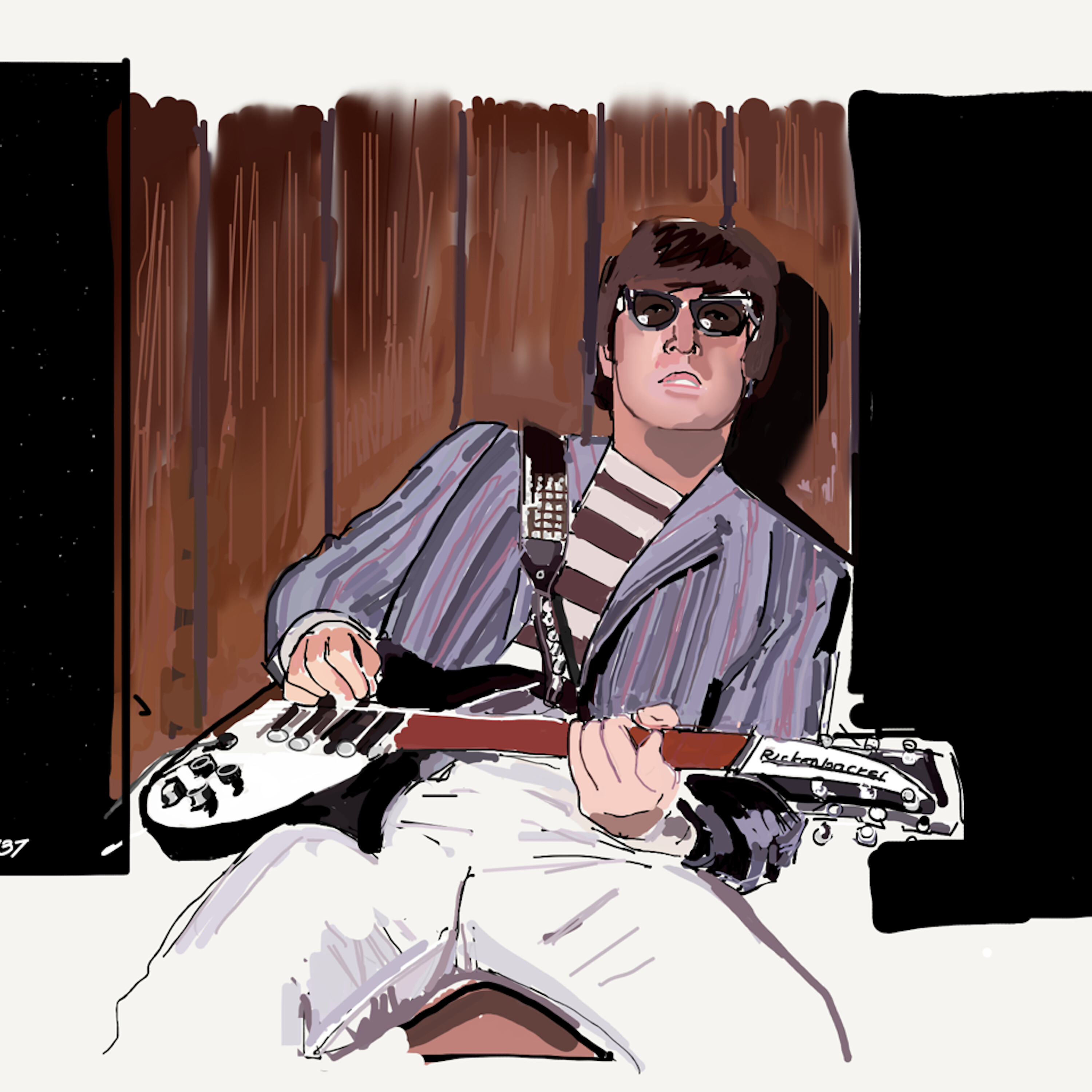
Is John Lennon the peace-loving saint in the white suit, or the villain some social media posts make him out to be? Biographer Jude Southerland Kessler says neither: "He's just a person." In Episode 336 of Something About The Beatles, host Robert Rodriguez talks with Jude about The John Lennon Series. She planned one book. It is now nine, probably ten, and she footnotes nearly every sentence. They cover why she tells John's life as narrative nonfiction, how she settles conflicting Beatles accounts, and what really happened with the Maureen Cleve interview in 1966. They also look at why John spun yarns about his own past, and how his tragedies turned into the songs that changed our lives. In this episode: • Why one planned book became nine, and the question that keeps it growing: "What day would you leave out?" • How John wrote I'm Only Sleeping on the back of an overdue car-phone bill • The ADT myth: why Jude left it out of her Tomorrow Never Knows chapter • Sweater or blanket? Even on
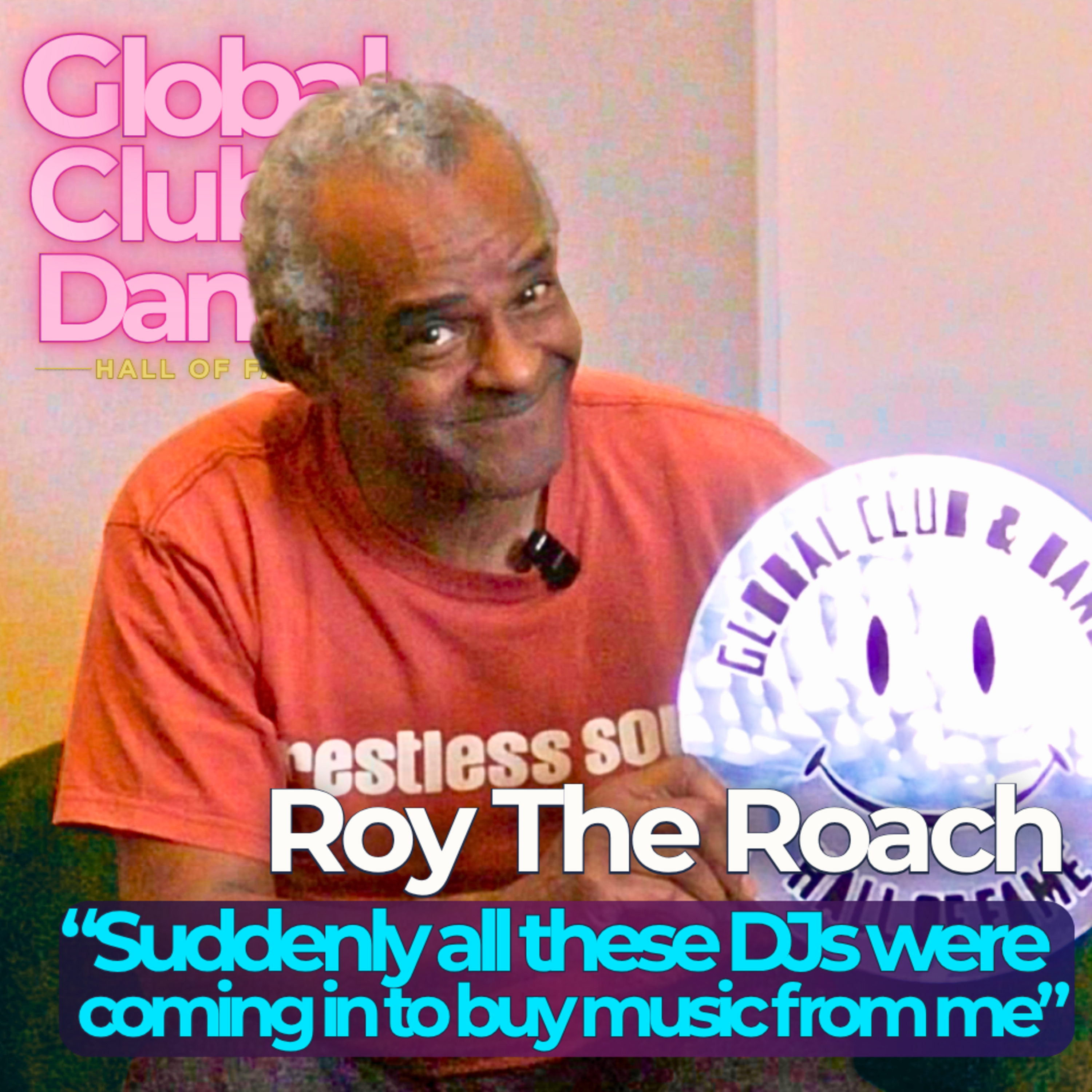
London club culture pioneer and DJ Roy The Roach joins Clara and Big Al on the Global Club & Dance Hall Of Fame to reflect on more than four decades at the heart of Britain's underground dance music scene, from the soul and jazz-funk movement to rare groove, acid house and the explosion of rave culture. Roy recalls his early days as a passionate young clubber, discovering London's vibrant soul scene before unexpectedly finding himself behind the decks at Ronnie Scott's. He shares the story of opening the legendary Quaff Records in the mid-1980s, a tiny record shop that became an essential destination for DJs including Giles Peterson, Jazzie B, Trevor Nelson, Coldcut, Danny Rampling, Paul Oakenfold, Judge Jules and many others, supplying the rare American funk, soul and early house records that helped shape a musical revolution. The conversation explores London's emerging warehouse party culture, the influential Dance Wicked events and the extraordinary community of DJs, promoters and c
Mark Wills says he’d be less nervous singing naked at the Grand Ole Opry than he was on his daughter’s first elk hunt. On Episode 150 of God’s Country, he tells Dan and Reid Isbell what he yelled when the bull came in and why the two of them keep going back. Stick around for Mark’s in-studio performance of Keith Whitley’s “Don’t Close Your Eyes.” The voice behind “19 Somethin’” and “Don’t Laugh at Me” takes us inside ’90s country music, from what it took to build a career in Nashville to how he wound up opening for artists who got their start on TikTok. He also shares what it felt like to turn his back on 4,400 empty seats and sing a gospel record live with his band on the Grand Ole Opry stage. And somehow, we still found time for a spray tan gone to a Nashville publishing meeting, a 200-yard eagle at Augusta National, and the reason Mark’s grandkids call him “Dude.” What ’90s country song do you still turn up every single time? Drop your pick in the comments. Presented by Tactacam. #M
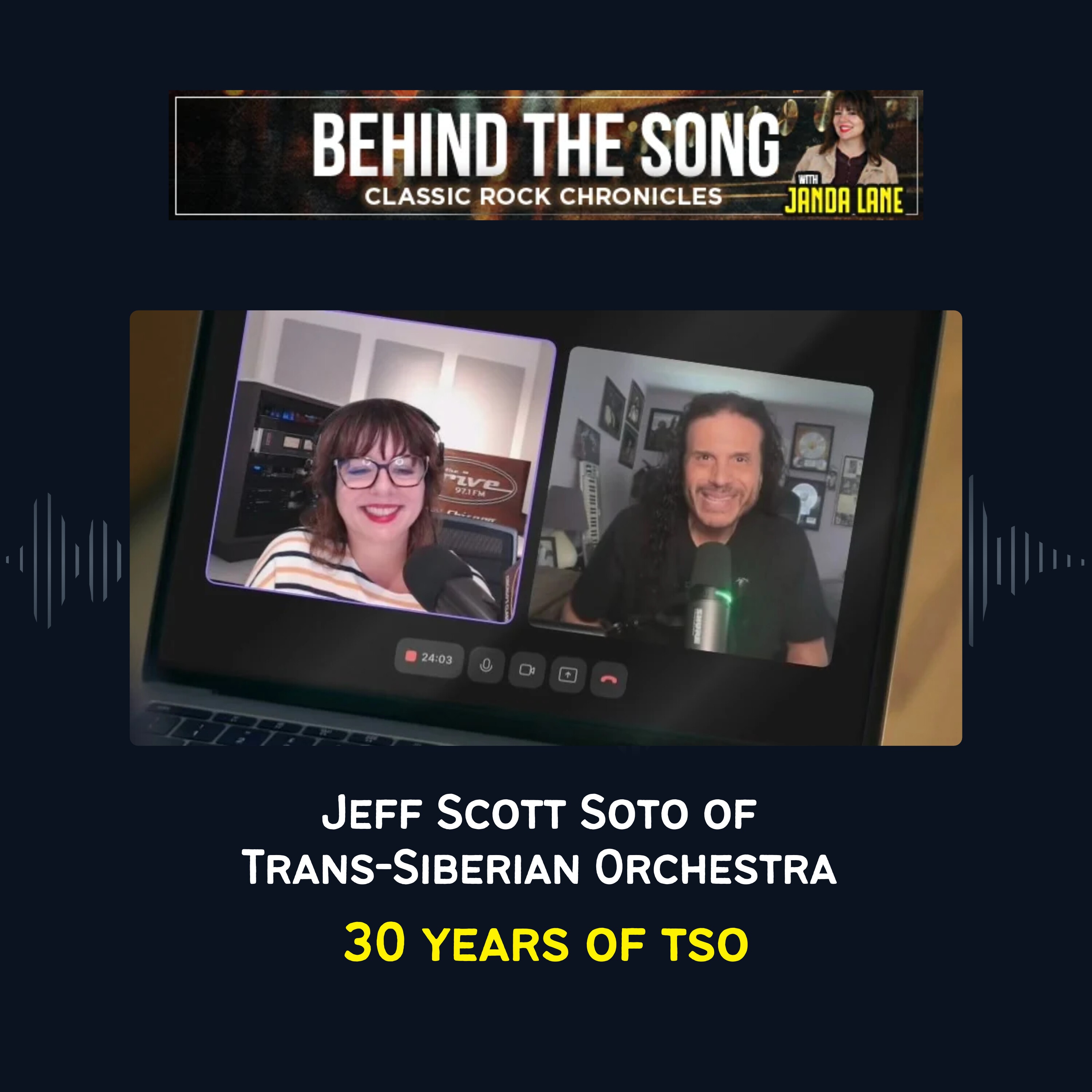
Jeff Scott Soto of Trans-Siberian Orchestra joins Janda in the new episode of the Behind The Song podcast to talk about TSO’s 30th anniversary this year! He also talks about what makes TSO a lasting holiday tradition: an audience that spans generations, the “road family” that celebrates the season together, and carrying on the late Paul O’Neill’s vision of marrying rock music with the Christmas spirit. Catch TSO at Allstate Arena in Rosemont for two shows on December 23.
The Melting Pot Listen to The Melting Pot with Scott Cornwell, originally broadcast on Vocal Booth Radio. Discover your next favourite DJ. The post Scott Cornwell, The Melting Pot. 20 Nov 2026 (https://vocalboothradio.com/themeltingpot20nov/) appeared first on Vocal Booth Radio (https://vocalboothradio.com/).
Beatles scholar Kenneth Womack picks I'll Be Back, the closing track on A Hard Day's Night. We look at how the song sways between major and minor, just as John Lennon's narrator wavers, and how it borrows from Del Shannon's Runaway. We also dig into its odd structure – three bridges and no chorus – and that ambiguous fade-out. Ken tells us about his three-book autumn: Mal Evans' memoirs, Roger Farrington's photos of John and Yoko at the Hit Factory in 1980, and The Beatles Touring Era, written with Scott Freiman. The Beatles’ Touring Era, inside the Fab Four's musical artistry, song by song, 1962-1966, by Kenneth Womack and Scott Freiman: https://www.beatleseras.com (https://www.beatleseras.com/) Everything Fab Four: https://kennethwomack.com (https://kennethwomack.com/) Follow My Favourite Beatles Song Bluesky: https://bsky.app/profile/myfavebeatles.bsky.social X (Twitter): https://twitter.com/myfavebeatles Facebook: https://www.facebook.com/MyFavouriteBeatlesSong Instagram: https://w
Crime writer and Shazam co-founder Ajay Chowdhury joins the show to talk about Here Comes the Sun, from Abbey Road. We discuss how George Harrison wrote it in Eric Clapton's garden while skiving off Apple business meetings, and the tricky middle section, which Dhani Harrison links to the Indian tihai and Ringo called "seven and a half time". Ajay's new book, The Patriot, is the sixth in his Kamil Rahman series of crime novels. Ajay's website: https://ajaychowdhury.com Ajay on X: https://x.com/ajaychow Ajay on Instagram: https://www.instagram.com/ajaychowdhury.author/ Follow My Favourite Beatles Song Bluesky: https://bsky.app/profile/myfavebeatles.bsky.social X (Twitter): https://twitter.com/myfavebeatles Facebook: https://www.facebook.com/MyFavouriteBeatlesSong Instagram: https://www.instagram.com/myfavouritebeatlessong Original music by Joe Kane Logo design by Mark Cunningham
Writer and author David Quantick discusses Silly Love Songs, from Wings at the Speed of Sound. He calls it Paul's 'manifesto' and argues for McCartney as 'the first adult in rock'. We also discuss the monster bass line, and the Paul and Linda vocal round that makes it 'the world's first baroque disco number’. Plus there's the story of his slightly awkward meeting with Paul on a train to Robertsbridge, and a Red Rose Speedway Frisbee. David's new novel, The Hyena, is out on 10 November from Stars and Sabers. It follows Deborah Parkinson, a surrealist painter from Plymouth whose life takes her to Paris, New York, and Mexico. Along the way, she crosses paths with Frida Kahlo, Picasso, and Gala Dalí. And rejoice! David's book on the Beatles' White Album, Revolution, will be back in print with Polygon in November 2027. David's website: https://davidquantick.com David Quantick on Bluesky: https://bsky.app/profile/quantick.bsky.social David Quantick on Substack: https://quantick.substack.com
Classroom technology should prove educational value before becoming standard.
Share your view, then see how readers voted. No sign-in required. This poll is shared across stories.
Do you agree or disagree?
Common Quandary
A Common Quandary to discuss
Another conversation to explore, separate from this news story.
A better public school is one borrowed address away. Would you use it?
Your child is struggling at the assigned school. A grandparent lives inside the boundary of a much stronger public school and offers to let you use their address. The desired school has limited places and verifies residency unevenly.
Can a parent's duty justify taking an opportunity allocated by an unfair boundary?