Listen through the publisher, then discuss the episode here or arrange an in-person Roundtable. Your city determines where to meet.
Roundtables are designed for groups of four, with a shared subject and room for everyone to speak. Come for discussion, with no dating expectation.
Abdulrahman Mohamed El-Sayed is the Senator-elect for the US state of Michigan and also a Habibi. As a fellow member of the Arabic-speaking diaspora, Jan Fran is pleased to be hearing her mother-tongue on the world stage. Let’s not underestimate the power of that but lets not over estimate it either. Hosted on Acast.
Episode information is provided by the publisher. Listening takes place on the publisher’s service.
In today's brief: Lake Erie, 1957: a newly released Air Force report says two boys saw a humming, bell-shaped craft near the Enrico Fermi Atomic Plant. Skinwalker Ranch: owner Brandon Fugal calls the new files landmark and recalls a daylight saucer over the mesa. Warship footage: a 20-second 2020 infrared clip shows a light crossing a US Navy ship in the Middle East, with no Pentagon assessment. Martha's Vineyard, 1957: a spiked, nickel-coloured object that the Air Force put down to a radar-reflector balloon. Loch Ness: reported sightings jump to 15 this year, up from six in 2025. The Book of Miracles: a 16th-century manuscript of comets, blood rain and multiple suns heads to auction at Christie's. Quick hits: a 1952 file blames the saucer wave on temperature inversions; more Pentagon UFO files are on the way. Every story and source: https://believepod.com/ufo-paranormal-news-22-november-2026/ New episodes every morning. Keep your eyes on the sky. Sources: FOX 2 Detroit: https://www.fo
Runaway government spending, rising costs, and a new wave of legal battles over constitutional rights. With Democrats preparing to take control of Congress and several state governments, Republicans are confronting a very different political landscape. John Solomon and Amanda Head welcome Montana Senator-elect Kurt Alme, who says Washington must get serious about reining in spending, lowering inflation, and making everyday life affordable again. Already preparing for his arrival in the Senate, Alme discusses his priorities for protecting Montana's way of life, keeping taxes low, creating good-paying jobs, and working across party lines when possible. He also addresses the challenges Republicans face in the minority, the remaining lame-duck session, and concerns about efforts to expand the Supreme Court and eliminate the filibuster. Then, Southeastern Legal Foundation President Kimberly Hermann joins the show with a warning about potential policy reversals in states where Democrats have
November 21, 2026; 12pm: In almost every presidency, there comes a time when the president turns their attention overseas – usually after some sort of political defeat. President Trump’s attention is definitely overseas, but for personal reasons. Ruth Ben-Ghiat points out the red flags of Trump cozying up to notorious Strongmen; Democrats have never held this much power before and it’s not just in Congress, it’s at the state level too. State Rep.-elect Allie Phillips (D-TN) and State Senator-elect Robyn Vining (D-WI) explain how they will set their most important agenda items into action; MS NOW’s Rachel Maddow continues her discussion with Jacob Soboroff about her brand new book “The Department of Fate,” Stephen Miller’s rise, and much more. Hosted by Simplecast, an AdsWizz company.
In a candid conversation, US Sen. Raphael Warnock (D-GA) explains why voters haven’t necessarily fallen in love with the Democratic brand, why the party must center people over politics, and how the path to power runs through the South. This show was edited by Kasia Broussalian, fact checked by Sarah Schweppe, mixed by Shannon Mahoney, video edited by Christopher Snyder, and hosted by Astead Herndon. Photo caption: US Sen. Raphael Warnock (D-GA) reacts while taking the stage to speak during the What's Next summit at Mission Ballroom on November 13, 2026 in Denver, Colorado. Photo by Mark Makela/Getty Images. You can also watch this episode on youtube.com/vox (http://youtube.com/vox). Listen to Today, Explained ad-free by becoming a Vox Member: vox.com/members (http://vox.com/members). New Vox members get $20 off their membership right now.
Tonight on The Last Word: Democrats take power as voters demand economic relief. Plus, Democrats demand records from law firms who caved to Trump. Also, Trump defends Jensen Huang amid alleged Chinese spy affair. And Google sought failed airline's worker data to feed AI. Rep. Joaquin Castro, Rep. Chellie Pingree, Barbara McQuade, Tim O'Brien, and Sarah Nelson join Jonathan Capehart Hosted by Simplecast, an AdsWizz company.
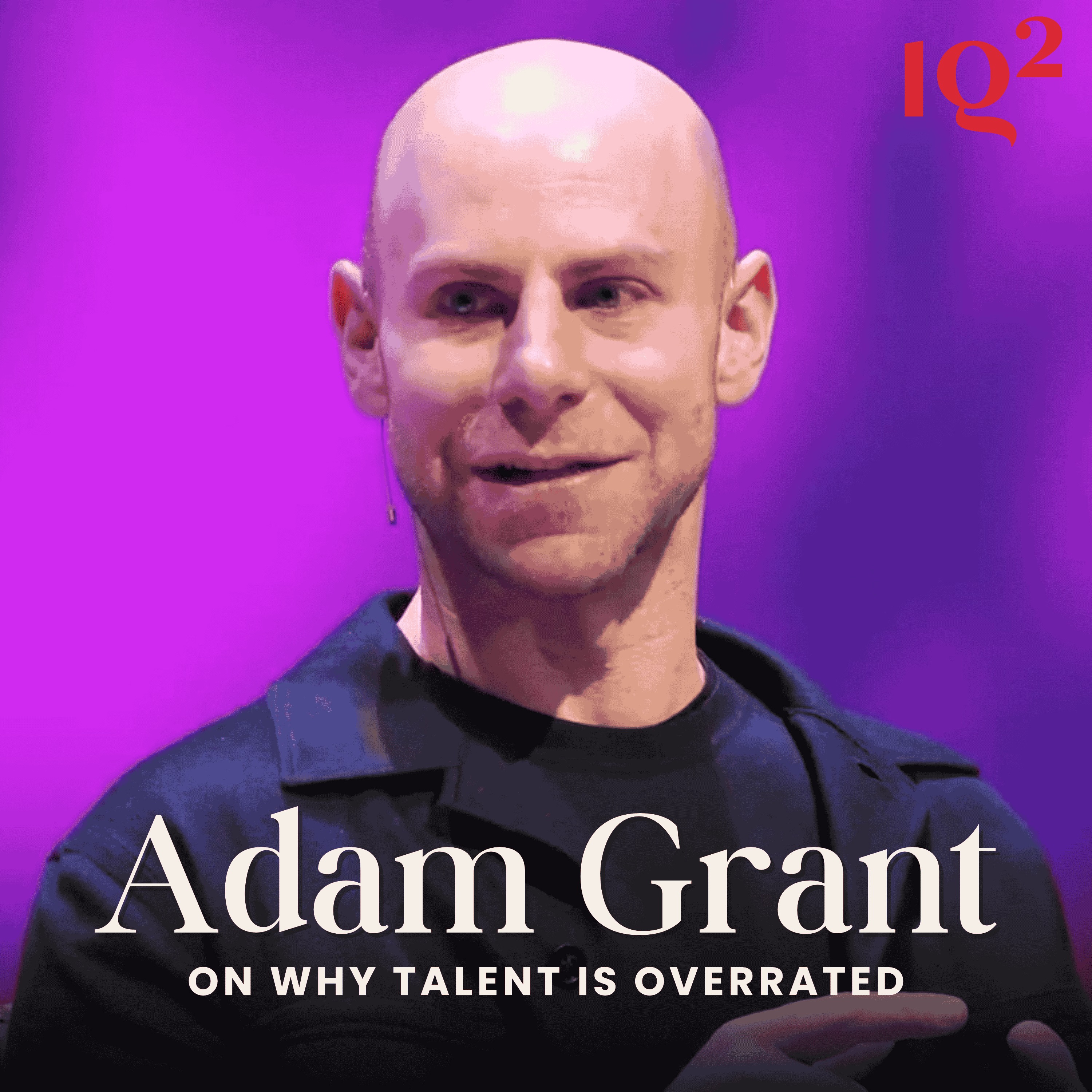
Adam Grant is one of the most sought after organisational psychologists in the world. He has provided expert advice to many of the world’s greatest business leaders, including Bill Gates and Sheryl Sandberg, equipping them with the mental tools to find motivation and meaning, rethink assumptions, and achieve greatness in their business and personal lives. In January 2024 Grant came to the Intelligence Squared stage for a rare, exclusive London event where he shared his revolutionary framework for how we can all exceed the expectations and aspirations we have set for ourselves. Drawing on his new book Hidden Potential he explained that despite living in a world that tends to admire people who start out with innate talent, there is clear scientific evidence that we can all bridge the biology gap and improve ourselves dramatically. In conversation with economist and FT columnist Tim Harford, Grant wove together groundbreaking evidence, surprising insights, and vivid story telling to take
In this episode, Jan and Antoinette discover a new level of non-story stories about Usman Khawaja and THAT cricket ball, while the Australian media misses the bigger story. Antoinette isn’t the only one unimpressed with not one but TWO Nine newspaper articles that omit and downplay Israel’s atrocities; anti-Zionist Jewish author Molly Crabapple speaks to us about her interview experience with the Sydney Morning Herald. PM Albanese focused on the Pacific at COP 31 (while approving more fossil fuel expansions). The media, not so much. There’s also a shout-out to the so-bad-it’s-good Wall Street Journal social videos doing PR for capitalism. Shooter/Editor: Lachlan French Send us your tips [email protected] Hosted on Acast.
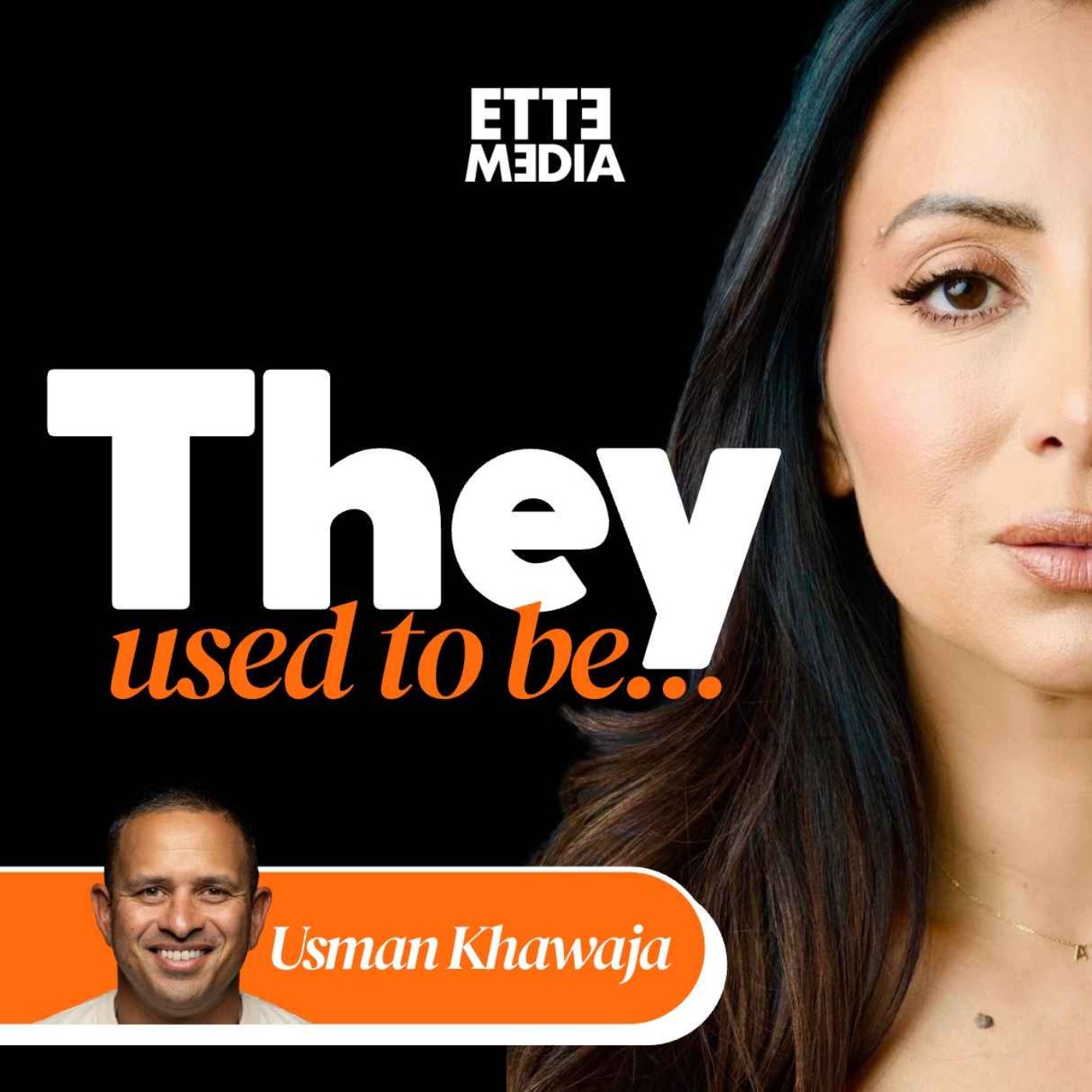
Welcome to They Used To Be ... a weekly interview podcast with people who are no longer in a role that once defined them. What can they see (and say) now? Usman Khawaja used to be an international test cricketer. He holds several historic "firsts" in Australian cricket - and in recent days, he was the first Australian cricketer to say that everyone knew about “Sandpapergate”, since corroborated by two players, but denied by captain Pat Cummins. In this chat, Khawaja reflects on his relationship with the media and how it’s changed over time, including his desire for a more direct relationship with his fans and audience to amplify anti-racism and human rights. Usman Khawaja’s book Sabr (https://www.penguin.com.au/books/sabr-9781761344268)is out now. (https://www.penguin.com.au/books/sabr-9781761344268) Support Ette Media by subscribinghere. (https://www.ettemedia.com/) Senior Producer: Alyssa Partington Send us your tips and feedback [email protected] Hosted on Acast.
There are many, many reasons why survivors of sexual assault do not - or cannot - speak up when an assault takes place. In this episode of Only Fran, Jan draws on some of the similarities between Russell Brand’s crimes and the allegations against David Walliams to help explain why survivors of sexual assault (and their allies) might not report those instances when they happen and why - after decades of their predatory behaviour being an 'open secret' - we're all hearing about it now. Hosted on Acast.
Extra learning support should avoid publicly labeling students as failures.
Share your view, then see how readers voted. No sign-in required. This poll is shared across stories.
Do you agree or disagree?
Common Quandary
A Common Quandary to discuss
Another conversation to explore, separate from this news story.
A likable but unreliable former employee lists you as a reference. How honest are you?
A former employee who was unreliable but personally likable lists you as a reference without asking. Their prospective manager calls and asks only whether you would hire them again.
How much truth do you owe a stranger when it may cost someone a fresh start?