Listen through the publisher, then discuss the episode here or arrange an in-person Roundtable. Your city determines where to meet.
Roundtables are designed for groups of four, with a shared subject and room for everyone to speak. Come for discussion, with no dating expectation.
EDITOR'S NOTE: This is the first in a multi-part series commemorating the 85th anniversary of the attack on Pearl Harbor. While revisiting the seminal event that marked the United States' formal entry into World War II, this discussion starts a decade earlier in 1931. Historian Jonathan Fennell joins hosts Jadwiga Biskupska and Grant Golub to discuss his new book, Collapse: A Global History of the Second World War, 1931-1941 (https://www.simonandschuster.com/books/Collapse/Jonathan-Fennell/9781668075937), the first volume in a three-part series on the Second World War. This conversation shifts the historical focus away from grand strategy and famous leaders, centering instead on the everyday experiences of ordinary soldiers. By analyzing roughly 200 million wartime letters and censorship reports from both Allied and Axis nations, Fennell reveals how personal struggles, morale, and home front connections truly drove the conflict. He challenges the traditional timeline, arguing this highly interconnected global struggle actually began in 1931 as conflicts in China and fascist Italy destabilized international norms long before Pearl Harbor. This unique approach demonstrates that the sentiments and emotional mobilization of everyday people are crucial to understanding how the massive conflict unfolded, offering powerful new insights into the defining era of the twentieth century. Go to the websiteORDINARY VOICES IN AN EXTRAORDINARY ERA (https://warroom.armywarcollege.edu/podcasts/ordinary-voices)
Episode information is provided by the publisher. Listening takes place on the publisher’s service.
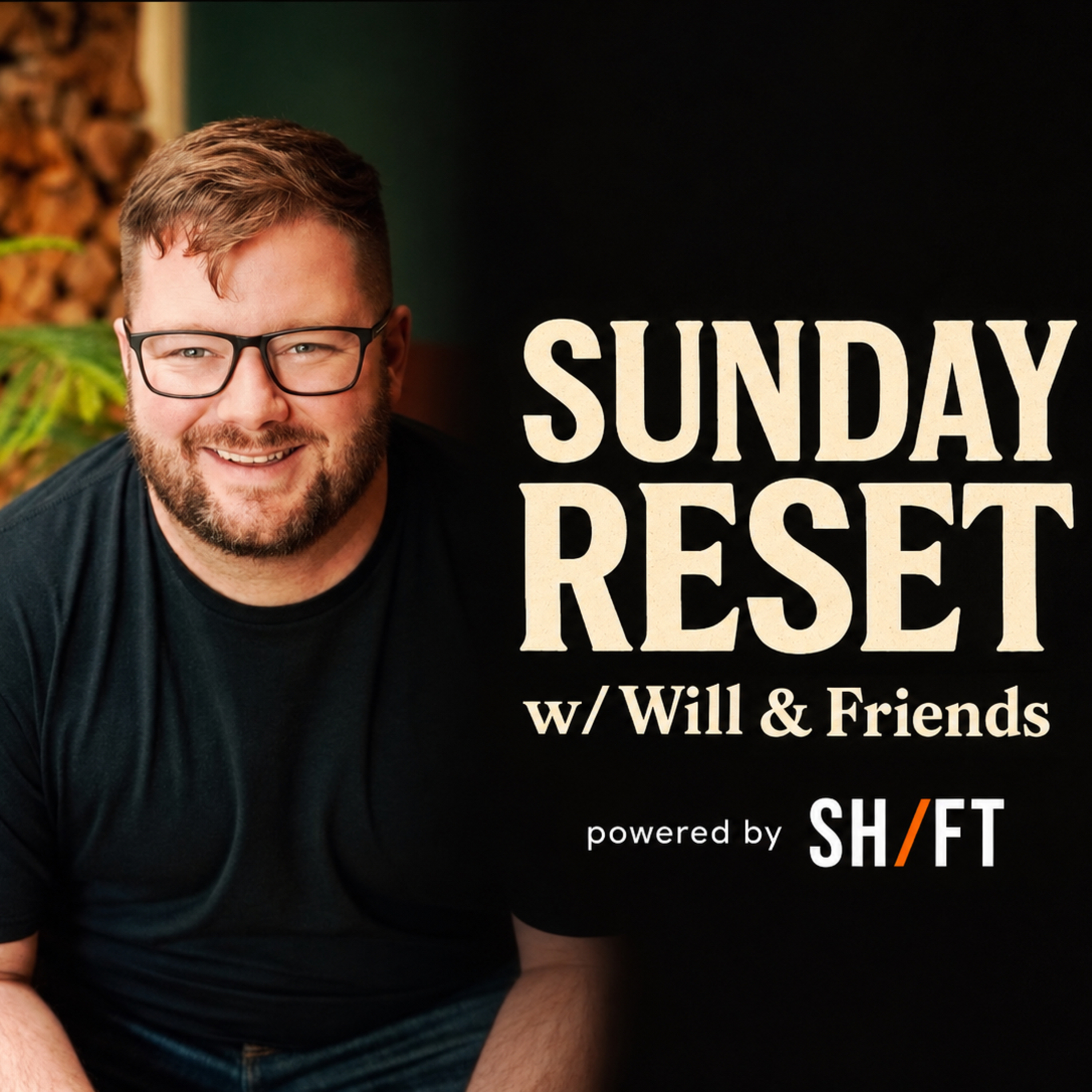
What does it take to truly meet the moment when the stakes are high? In this episode, Will welcomes Daniel Leger, author of Meet the Moment: How Great Speeches Can Impact Business, Life and Loss, for a powerful conversation about public speaking, leadership, storytelling, and the meaning of success. With nearly 25 years of experience in investment management and a PhD in Political Philosophy from the University of Notre Dame, Daniel brings a unique perspective on how communication shapes our relationships, careers, and most important life experiences. Daniel opens up about delivering the eulogy at his wife's funeral, helping his daughters navigate grief, and discovering how humor, vulnerability, and preparation can transform even the most difficult moments. The conversation also explores what makes legendary speakers like Steve Jobs, Abraham Lincoln, and Martin Luther King Jr. so memorable, why people fear public speaking, and how anyone can develop the confidence to communicate more e
After a week of tech chaos with flights grounded, plus outages at Microsoft, Apple, US banks, and the National Security Agency, questions continue to be asked about the cause of the disruption and whether it’s more than a series of coincidences. Now the government’s top cyber security official, Sean Cairncross, is leaving his post, with CBS reporting he was fired. Trump says these were “individual events”. But Republican Senator Josh Hawley says if it is all a coincidence, “it’s like the greatest coincidence in the history of the world”. So who’s right? In this episode, Sarah, Marianna and Anthony discuss the doubts over the official explanation, cuts to America’s cyber defences, and whether people trust what they’re being told by the White House. Plus, Sarah talks to the cybersecurity and cyberespionage expert Dmitri Alperovitch about the fall of Nvidia’s Jensen Huang and the race with China over AI chips. Are rushed fixes for problems found by AI behind the disruption? HOSTS • Sarah
In this Lonesome Conversation, Jonathan and I explore his reframe that recovery is really the recovery of agency — and that chasing “false freedom” can leave us more alone, not less. He makes the case that binding yourself into a marriage, a family, something with real constraints is where a surprising depth opens up, and I share my own years of love avoidance that I mistook for freedom until I realized I’d built a prison. A conversation that turns our ideas about freedom and connection upside down. About Jonathan Jonathan Dickinson is the chief executive officer and co-founder of Ambio Life Sciences. One of the world’s leading experts on ibogaine, Jonathan brings over 15 years of experience in clinical care, traditional practice, and psychedelic research to his leadership at Ambio. A Mexico-licensed psychologist and former executive director of the Global Ibogaine Therapy Alliance, he authored the field’s foundational safety guidelines and has published widely on ibogaine’s therapeuti
The Eleventh Circuit hears Vazquez's appeal over the removal of his chosen defense lawyer. The prosecution began with allegations of cocaine sent by mail from Puerto Rico to Florida, and money laundering. The defense team obtained affidavits from two witnesses. One affidavit was used to challenge government evidence. Prosecutors alleged that Vazquez had arranged for false statements and added obstruction-related charges. Before trial, the government also asked to remove his lawyer, arguing that his involvement with the affidavits could place his own interests in tension with his client's. The trial judge removed him. The Sixth Amendment protects a defendant's choice of lawyer, but that right is not absolute. A serious potential conflict can justify a judge's intervention, even without a proven actual conflict. Vazquez's lawyer will argue that the removal went too far. The government will defend the judge's conflict assessment. Listen for whether the concern here was a serious conflict,
Tonight on America At Night with McGraw Milhaven, we explore the legacy of humanity's journey into interstellar space, the cultural phenomenon surrounding one of gaming's most anticipated releases, and the lessons behind a legendary broadcasting career. Ann Druyan, co-creator of Cosmos, Creative Director of the Voyager Interstellar Messaging Project, and widow of Carl Sagan, joins us for Part 2 of our Voyager 1 series. She reflects on the "soul" of Voyager, the Golden Record, and the message humanity sent into the cosmos. Professor Edward Castronova of Indiana University Bloomington examines the extraordinary anticipation surrounding Grand Theft Auto VI, its cultural influence, and the economic power of the gaming industry. Pat Piper, author and former producer for Larry King, discusses his book The Quiet Teacher, sharing its themes and the experiences that shaped his writing. Plus, Mathew Wolfe, our entertainment guru, returns with the latest box office results, movie news, and Hollyw
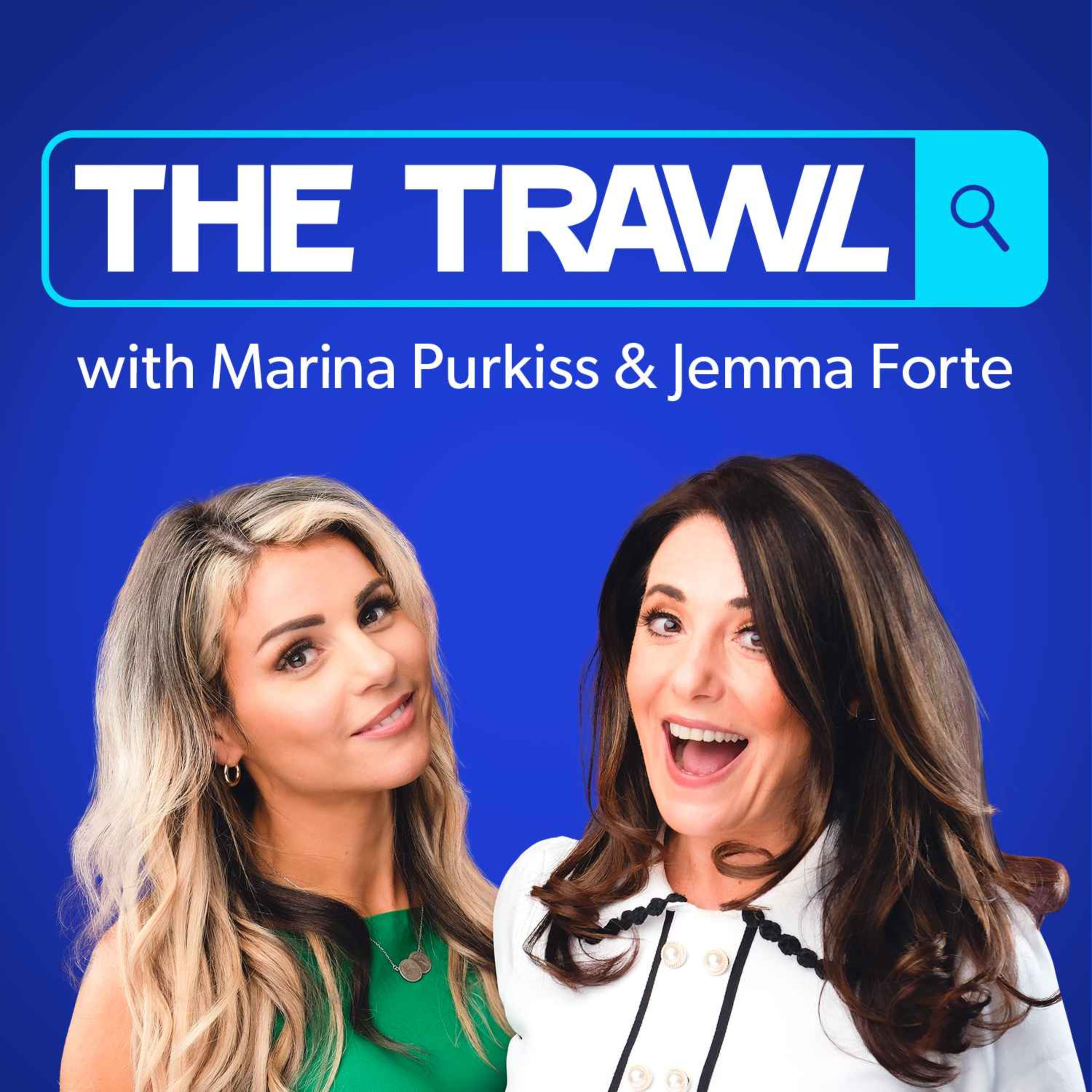
The world appears to be falling apart, and the Trawl ladies are beginning to wonder whether anyone is actually in charge. From America's air traffic control system grinding to a halt, banking glitches and our ever-growing dependence on technology, Jemma and Marina are asking what happens when the infrastructure we rely on is run by systems, and people, we can't trust. Trump's America is proving quite the masterclass in chaos. There's Transportation Secretary Sean Duffy, whose career has taken him from reality TV to running America's transport network; questions over the new AI technology, the FAA's failures and the government's handling of the crisis; and another extraordinary display of Trump's blame-shifting when things go wrong. We also look at Markwayne Mullin's rather unfortunate timing when it comes to a trip to a college football game, the questions surrounding donations to Trump's enormous new ballroom and the companies subsequently winning government contracts. Are these isola
EDITOR'S NOTE: While modern-day Veterans Day in the United States honors and thanks all living American military veterans who served honorably in the U.S. Armed Forces, it was born out of the commemoration of the armistice signed between the Allied nations and Germany, which took effect at the 11th hour of the 11th day of the 11th month in 1918. It originally honored both living and deceased veterans. The National Cemetery Administration (NCA), fulfills the nation's commitment to permanently honor its military veterans. Wars are costly affairs. It costs money to raise and train and equip militaries. The cost to rebuild societies after the destruction of battle is tremendous. But most costly is the staggering human cost of war. And so as we approach Memorial Day in the United States it's only fitting that this episode examines how the nation memorializes and honors those who have died in service to their country. A BETTER PEACE welcomes Kate Clarke Lemay to examine the history and signi
Retired General Joseph Votel joins host Tom Spahr to revisit Objective Rhino—the high-stakes October 2001 mission that put the first overt U.S. boots on the ground in Afghanistan. General Votel, who commanded the 75th Ranger Regiment during the airborne assault, reflects on the realities of plunging into the unknown shortly after September 11. He explains how what began as a rapid airfield seizure quickly evolved into a broader campaign of desert raids, forcing elite light infantry to overcome demanding mobility and logistical hurdles. Beyond the battlefield, General Votel shares vital leadership lessons. He discusses why tactical success must align with realistic strategic goals and honest conversations about risk. He also highlights the importance of fostering strong, curious partnerships with intelligence teams, urging future leaders to listen to ground-level experts, adapt as situations evolve, and stay grounded in the fundamentals of sound leadership. Tune in to explore these endu
Police should involve affected communities in rebuilding trust after serious failures.
Share your view, then see how readers voted. No sign-in required. This poll is shared across stories.
Do you agree or disagree?
Common Quandary
A Common Quandary to discuss
Another conversation to explore, separate from this news story.
You are vegetarian, but the leftover steak is headed for the trash. Do you eat it?
A vegetarian avoids buying meat because of animal welfare concerns. At work events, untouched meat is routinely thrown away, and eating it would neither increase demand nor cause another animal to be harmed.
Should a moral practice be judged by its consequences or its consistency?