Listen through the publisher, then discuss the episode here or arrange an in-person Roundtable. Your city determines where to meet.
Roundtables are designed for groups of four, with a shared subject and room for everyone to speak. Come for discussion, with no dating expectation.
Is it all just a coincidence? Tune in as we dive deep into the tech outages shaking US security. Hear from top experts and get the inside scoop. Also, dive into Nvidia’s earnings and leadership turmoil after Jensen Huang’s scandal resignation and the board’s refusal to reinstate him. Plus Trump’s Asia trip and internal administration divisions over advanced chip exports to China.
Episode information is provided by the publisher. Listening takes place on the publisher’s service.
November 20, 2026; 5pm: Deadline: White House examines scrutiny of Pete Hegseth’s Pentagon leadership, military promotion blockages, and munitions shortages as the war in Iran continues. Nicolle and guests later discuss this past week's technology outages, AI chip sales to China, and renewed demands for transparency in the Jeffrey Epstein case. Hosted by Simplecast, an AdsWizz company.
November 21, 2026; 10am: The president’s coziness with tech oligarchs is muddying the waters of protecting America’s best interests. Congressman-elect Dan Koh expresses his concerns about the series of recent tech outages and how the administration is prioritizing beneficial relationships and cash over the safety of Americans and their cybersecurity; Lisa Rubin breaks down the obstacles ex-Nvidia CEO Jensen Huang can expect as legal inquiries come his way; Project 2025 may seem like a distant memory, but its policies are more present in this administration than you might think. David Graham outlines the consequences of the Heritage Foundation’s influence; Victor Fontanez is known on the internet as VicBlends, a viral haircutting sensation. But to many in the California prison system, he’s a mentor and hero, helping incarcerated men prepare for a career. Fontanez reflects on his impact. Hosted by Simplecast, an AdsWizz company.
Project Synapse: Markets in Freefall, Fragile Infrastructure, and AI's Perfect Storm The hosts banter through the show's intro before focusing on a sense that "things are out of control," citing a WallStreetBets suicide-hotline post amid a market crash and discussing cascading system failures involving Microsoft, the FAA, and a reported NSA internal communications outage. They argue politicians and leadership lack technical competence and clear messaging, increasing panic, while emphasizing that many problems stem from aging, underfunded infrastructure and complex, brittle software (PHP, NGINX, Java), not proven AI attacks—more a "perfect storm" of crises. They debate whether AI should help fix complexity, stressing critical thinking, accountability, and using multiple AIs to verify each other. In a lightning round they cover Anthropic's IPO performance, mixed reactions and token limits with ChatGPT 6.2 (favoring "Sol" over "Astra"), Google's cheaper Neon model and confusing UX, Loblaw
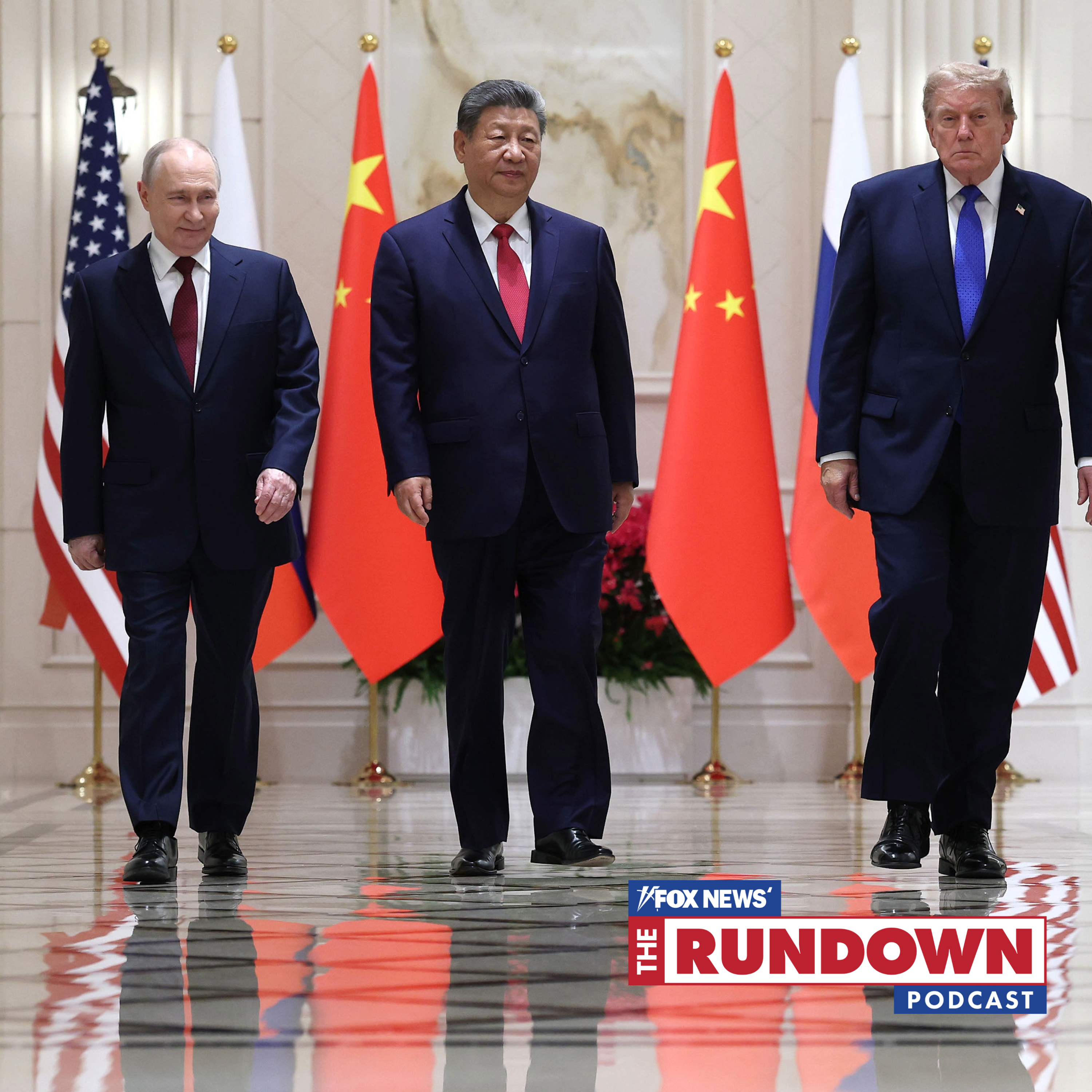
Following President Trump’s trip to Asia and a first-ever trilateral meeting with the leaders of China and Russia, foreign policy experts are weighing what was accomplished on the world stage. Former national security advisor to Vice President Dick Cheney and Heritage Foundation senior research fellow Stephen Yates joins The Rundown to analyze the summit’s outcomes on Taiwan, Ukraine, Iran, and strategic arms talks. Yates also explains how new rare-earth agreements with U.S. allies and export controls on AI chips balance Trump’s warmer rhetoric toward Beijing. Later, widespread tech outages across major platforms and government systems raise urgent questions about whether U.S. digital infrastructure is prepared for the artificial intelligence era. Former Cybersecurity and Infrastructure Security Agency (CISA) director Bridget Bean breaks down how rapid software patching can trigger cascading system failures, the growing cyber threats posed by China and Iran, and how organizations can d
Billions in taxpayer dollars allegedly lost to fraud, Chinese-backed efforts to undermine American energy production, and a growing wave of AI-powered cyber threats. Is America doing enough to protect itself? John Solomon and Amanda Head are joined by Minnesota Congressman Pete Stauber, who discusses the expanding welfare fraud scandal, efforts to hold those responsible accountable, and allegations that Chinese-funded organizations are working to obstruct American mining and energy projects. Stauber also addresses permitting reform and the battle over America's critical mineral independence. Then, American Energy Institute CEO and former Texas state representative Jason Isaac warns that proposed electricity price controls could discourage investment, threaten grid reliability, and ultimately drive energy costs even higher. He also examines China's influence over global oil markets, America's growing energy production, and how AI data centers could generate their own electricity rather
President Trump has replaced the nation's top cybersecurity official following a string of seemingly unrelated technology outages over the last couple of weeks. Officials have repeatedly stressed that these outages were not the result of intentional attacks, but given the growth of AI, there's growing concern that attacks are on the horizon. William Brangham discussed more with Chris Krebs. Hosted on Acast. See acast.com/privacy
Today Democrats have flipped another slew of House seats and have now won at least 253 seats. Democrats are now on track to win their largest majority since the early 1990s. In the Senate, Democrats now hold 54 seats to Republicans 44, with two major races yet to be called.
People affected by infrastructure routes should have a meaningful role in choosing them.
Share your view, then see how readers voted. No sign-in required. This poll is shared across stories.
Do you agree or disagree?
Common Quandary
A Common Quandary to discuss
Another conversation to explore, separate from this news story.
The company allows an $80 dinner. Is ordering the lobster fair game?
During work travel, company policy permits an expensive dinner. A modest option is nearby, but colleagues choose the nicest restaurant because the company can easily afford it and everyone is within the stated limit.
Is following a rule enough when you are spending someone else's money?