Listen through the publisher, then discuss the episode here or arrange an in-person Roundtable. Your city determines where to meet.
Roundtables are designed for groups of four, with a shared subject and room for everyone to speak. Come for discussion, with no dating expectation.
Episode five of Overdubbed with SASAMI is with Sleater-Kinney, Carrie Brownstein and Corin Tucker’s band that was formed in Olympia, WA in 1994. They have released 11 studio albums including All Hands on the Bad One and One Beat, both engineered by Tape Op’s founder/editor, Larry Crane. Tucker also has played in Heavens to Betsy and her own Corin Tucker Band, while Brownstein is also well known as the creator/writer/star of Portlandia with Fred Armisen, acting and directing gigs, and her book Hunger Makes Me a Modern Girl. Their most recent LP, Little Rope, was produced by John Congleton, and they recently completed the Flannel and the Fury tour with Liz Phair.
Episode information is provided by the publisher. Listening takes place on the publisher’s service.
This week we focus on Half Man Half Biscuit, perhaps the ultimate cult band. Steve Hill’s book is out now (https://www.amazon.co.uk/) & focuses on 25 consecutive gigs, every gig the band have played since COVID. Steve first heard the band on John Peel but wasn’t able to see them in their original incarnation as they were only active from 1985 to 1987 originally. Their debut album sold over 100,000 copies & beat the likes of The Cure & New Order to won the Independent Album of the Year. The band return at the 1990 Reading Festival & have released over 15 albums across their career so far, often with little fanfare or promotion. The story is inhabited by many characters including Postman Tony, the King of High Viz & more wich make up the hardcore following the band have built up. Half Man Half Biscuit are usually unwilling to stay over after a gig, so most shows are on a Friday night & within driving distance of the bands home on the Wirral. X: @simonmusicmaps (https://x.com/simonmusicma
Happy Thanksgiving from the Deadpod. Every year I try to make the holiday show an acoustic one, and this year we're going to Phoenix, Arizona, for March 8, 1970, at the Star Theatre. The room was also called the Travelodge Theatre in the Round, and it had a revolving stage. Put the Grateful Dead on a turning stage in 1970 and things are bound to get a little strange. This was a time of change for the band. Workingman's Dead was recorded but not yet released, and the Dead were just starting to work an acoustic set into their shows. The night before, in Santa Monica, they didn't play any acoustic songs at all. In Phoenix they put one right in the middle of the show, so the bonus here is that you get everything: a hot electric opening, a quiet acoustic stretch, and a finish that nobody saw coming. The tape cuts in on Cold Rain And Snow. Then there's a long technical delay, and Bob Weir tries to fill it with his rambling "Yellow Dog" story. Once they get going again, they tear into China C
What makes the perfect pop song? This week, we're releasing a bonus interview from behind the paywall: Our conversation from earlier this year with Evan Bogart, composer of hit songs like "S.O.S." by Rihanna and the founder of creator-led music publishing company Seeker Records. His latest label, "music is fun" is the first ever label built entirely around catalog flips. We break down Bogart's exciting new era of remixes, sampling, and interpolations, and also get into his storied songwriting career, including his take on what makes the perfect pop song. Produced by Demian Kendall
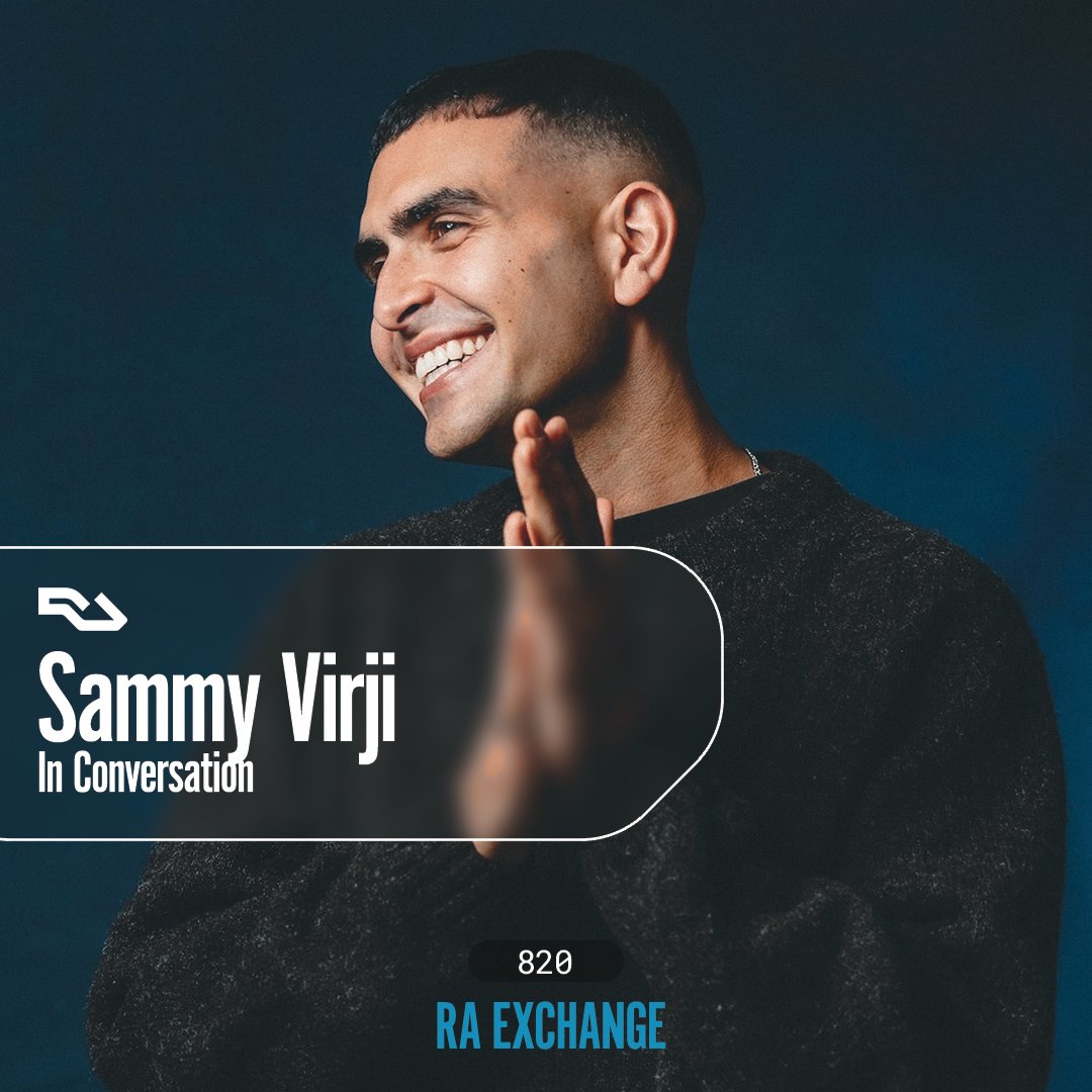
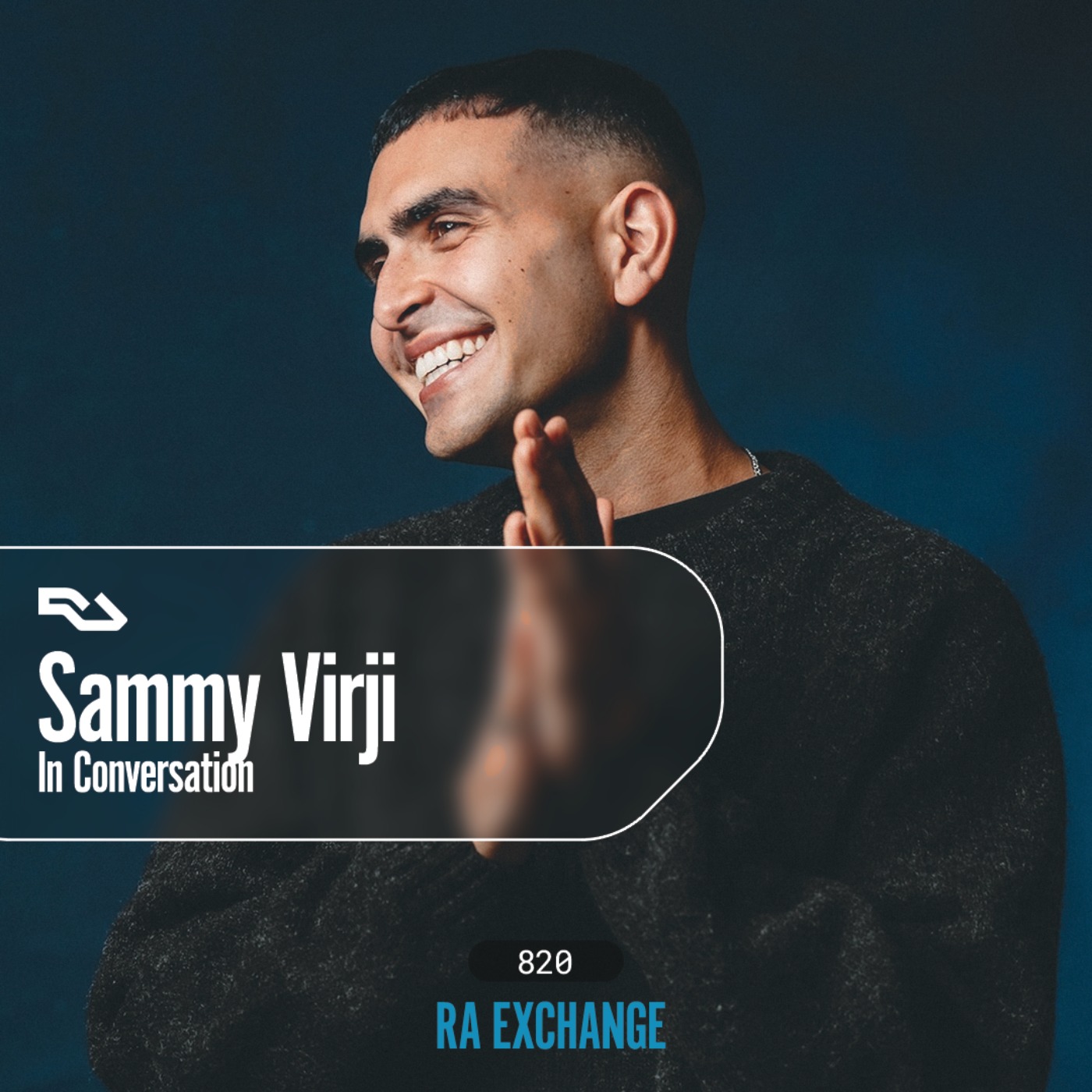
The DJ and producer at the centre of UK garage's revival talks freedom, flops and his surprise new album, Open Late. If you've heard a UK garage or bassline tune at a festival in recent years, there's a good chance it was made by Sammy Virji. The British producer started making music at university, then dropped out once his bookings could cover his rent. Since then, the milestones have kept coming: Virji has gone viral on TikTok, played Coachella and reached the UK Top 20 with "Talk of the Town," his collaboration with Fred again.. and Reggie. He's become the beaming face of UK garage's 2020s wave, a global surge that has been especially strong in the US. In October, Virji surprise-released his third album, Open Late, eight tracks made mostly on tour and finished on laptop speakers. In this RA Exchange, Virji speaks to music journalist and RA contributor Nathan Evans about how the album came together and the craft of working a crowd, especially his knack for building tension in a mix.
The DJ and producer at the centre of UK garage's revival talks freedom, flops and his surprise new album, Open Late. If you've heard a UK garage or bassline tune at a festival in recent years, there's a good chance it was made by Sammy Virji. The British producer started making music at university, then dropped out once his bookings could cover his rent. Since then, the milestones have kept coming: Virji has gone viral on TikTok, played Coachella and reached the UK Top 20 with "Talk of the Town," his collaboration with Fred again.. and Reggie. He's become the beaming face of UK garage's 2020s wave, a global surge that has been especially strong in the US. In October, Virji surprise-released his third album, Open Late, eight tracks made mostly on tour and finished on laptop speakers. In this RA Exchange, Virji speaks to music journalist and RA contributor Nathan Evans about how the album came together and the craft of working a crowd, especially his knack for building tension in a mix.
Put your hands up; they’re playing our song—we’re talking “Party in the U.S.A.” This week, Rob remembers Miley Cyrus’s rise on ‘Hannah Montana,’ where she played an everygirl with a secret double life as a famous singer (which has been basically the exact opposite of the real-life Miley’s experience as a pop star). As the show progressed, so did Miley’s music—her solo work slowly separated from her ‘Hannah Montana’ music, until she fully broke out with “Party in the U.S.A.” Later, Chuck Klosterman, author of the new book ‘Rock*: A Mainstream Alternative History of Alternative Mainstream Music,’ joins to talk about Miley’s persona and the experience of having a child who plays “Party in the U.S.A.” over and over. Host: Rob Harvilla Guest: Chuck Klosterman CONNECT Instagram: https://www.instagram.com/60songsthatexplainthe90s TikTok: https://www.tiktok.com/@60songsthatexplainthe90s (00:00) Intro: Welcome to Los Angeles. Are you gonna fit in? (21:03) This week’s song: “Party in the U.S.A.”
Lansdowne, Pennsylvania native Kurt Vile has been cranking out his own unique brand of indie rock for over two decades. His solo records, work with his band The Violators, The War on Drugs with Adam Granduciel, collaborations with Courtney Barnett, John Prine, Steve Gunn, and many more, make for an impressive body of work. Geoff Stanfield caught up with Kurt while on tour in the UK to discuss his high-school 4-track recordings, maintaining an analog mindset, building his home studio, working with Rob Schnapf and Doug Easley, and making his latest album, Philadelphia's been good to me. Enjoy!
Episode four of Overdubbed with SASAMI is with Grammy-winning recording artist Michelle Branch. Her next LP, *Everywhere and Back Again*, will be released in March of 2027, and revisits her 25 years of making music. Sasami recently opened Michelle’s tour and they had a chance to sit down and chat about the process of recording and performing.
Established legal precedents should change when strong reasons outweigh the value of consistency.
Share your view, then see how readers voted. No sign-in required. This poll is shared across stories.
Do you agree or disagree?
Common Quandary
A Common Quandary to discuss
Another conversation to explore, separate from this news story.
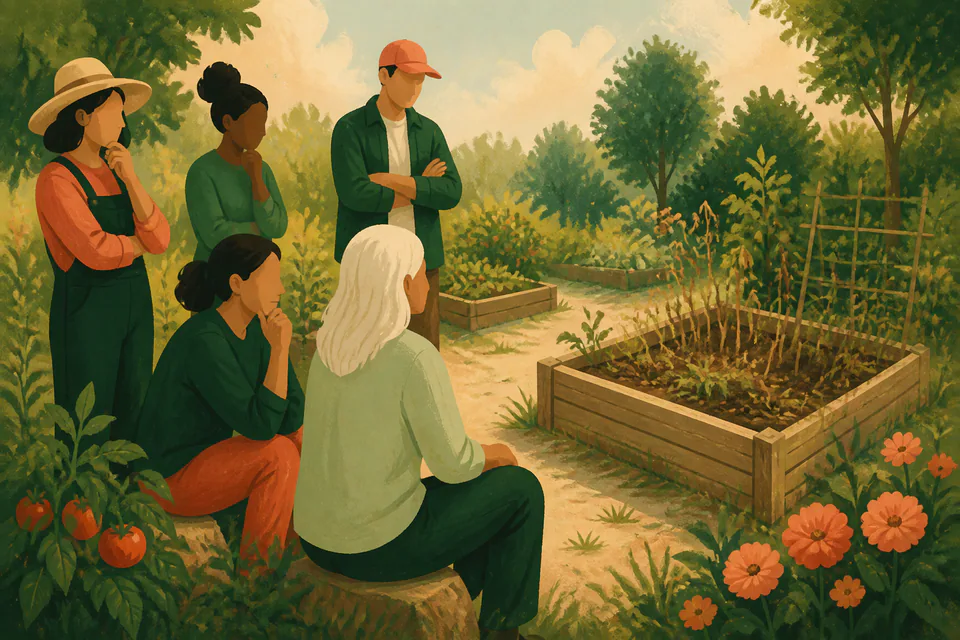
The best garden plot has been abandoned for months. Who gets to take it?
Garden plots have a three-year waiting list. One member's plot has gone untended for months and messages go unanswered, but other gardeners know they recently faced serious health problems.
How long should a shared resource remain reserved out of compassion?