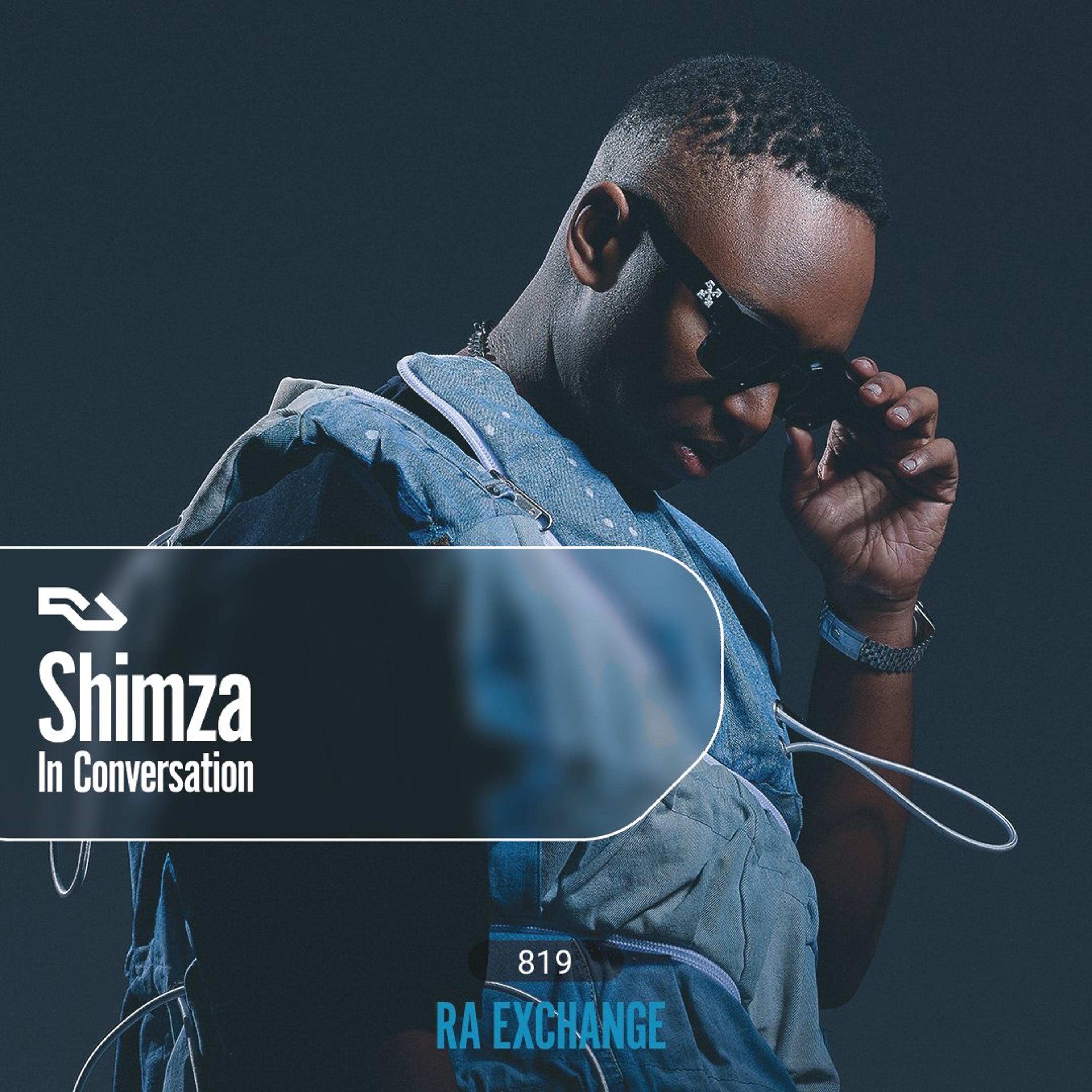
The South African DJ on Afro house's global rise, the townships that incubated it and why the sound should stay open to all. Shimza grew up in Tembisa, a township east of Johannesburg, where as a kid he followed the DJs who played the area's stokvel parties. Members of these community savings clubs took turns hosting and competed to book the best DJs. Those DJs became local tastemakers, and some went on to play national radio and run the record shops that shaped grassroots South African house. He eventually broke out of that circuit to become one of Afro house's biggest exports. This year he brought his Shimza & Co residency back to Pacha for a second Ibiza season, and he now sells out shows for thousands from Amsterdam to Mexico City. Along the way he built Kunye, which started as a lockdown livestream and grew into a label and party platform for the next generation of African artists. In this Exchange with RA's content production lead Antonia Odunlami, Shimza weighs in on the growing
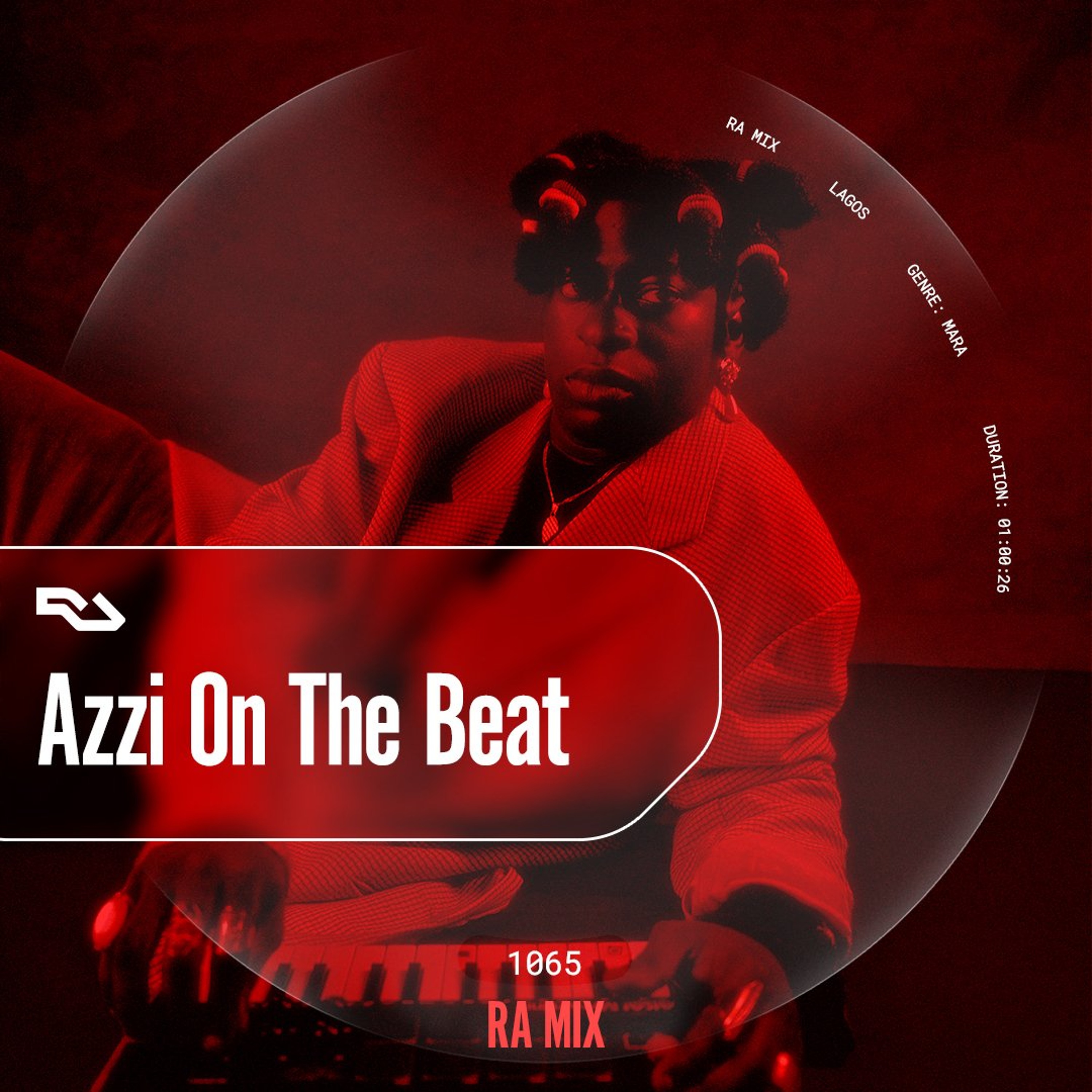
An hour of Lagos street-pop from Nyege Nyege's mara trailblazer. Of the many shades of Lagos street-pop, few speak as vividly to dancers as mara, whose lightning-fast, free-flowing and often comedic routines have gone viral around the world. Heady polyrhythms and chirpy synths gallop at footwork-like speeds, but it all feels blissful, as effortless as a prancing gazelle. Azzi On The Beat wants to turn mara into a household sound around the world. His debut album Mara Gram, out now on Nyege Nyege Tapes, harnesses the intensity of his live sets, building beats on the fly to match the energy of his dancers. By weaving elements of indigenous Yoruba aesthetics into his work, he ensures mara won't just be the latest fad in a rapidly globalising dance music economy, but a powerful reminder of African innovation, creativity and energy. He recorded RA.1065 in his living room, a paler backdrop than the dance floors where he's usually mobbed by ferocious dancers. The result is a mellower, more te
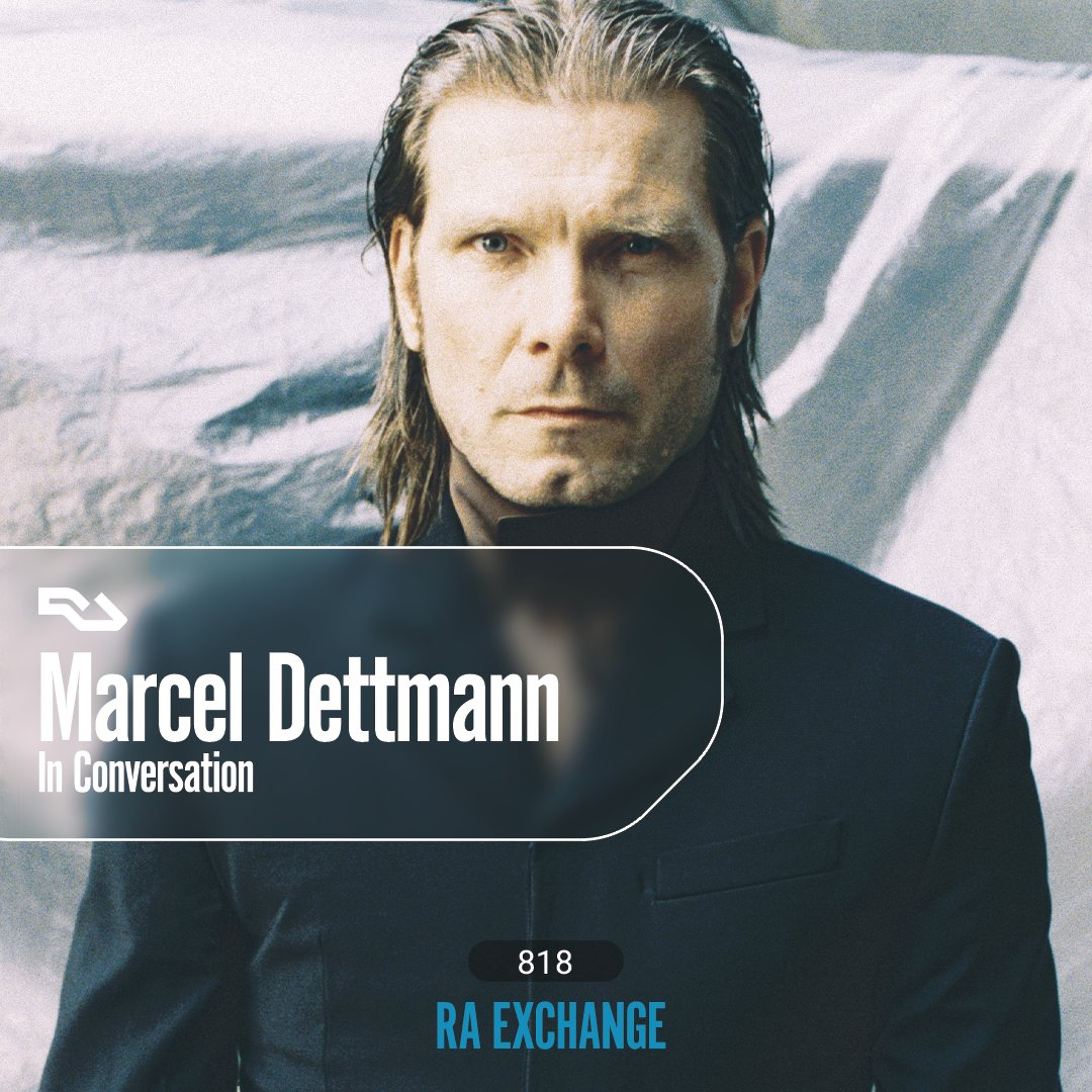
The Berghain resident on punk's ethos, choosing the difficult path and his new album, My Own Shadow. Marcel Dettmann has become synonymous with Berghain and its primary cultural export: Berlin techno. He began DJing at Ostgut, Berghain's predecessor, in 1999. When Berghain opened its doors in 2004, he was one of its first residents, on a roster that grew to include luminaries like his longtime collaborator Ben Klock. In this RA Exchange, Dettmann talks about the long road from bedroom DJ to one of techno's leading figures: first falling in love with '80s new wave records, running a record store out of his mother's house, sharing vinyl with neighbourhood friends like future Berghain resident Marcel Fengler, and eventually landing behind the counter at Hard Wax, which he calls his "school". Dettmann has been a fixture on the techno circuit for more than 25 years, yet there are still sides of his artistry that fans may not know. My Own Shadow, an expanding project of EPs and visual work t
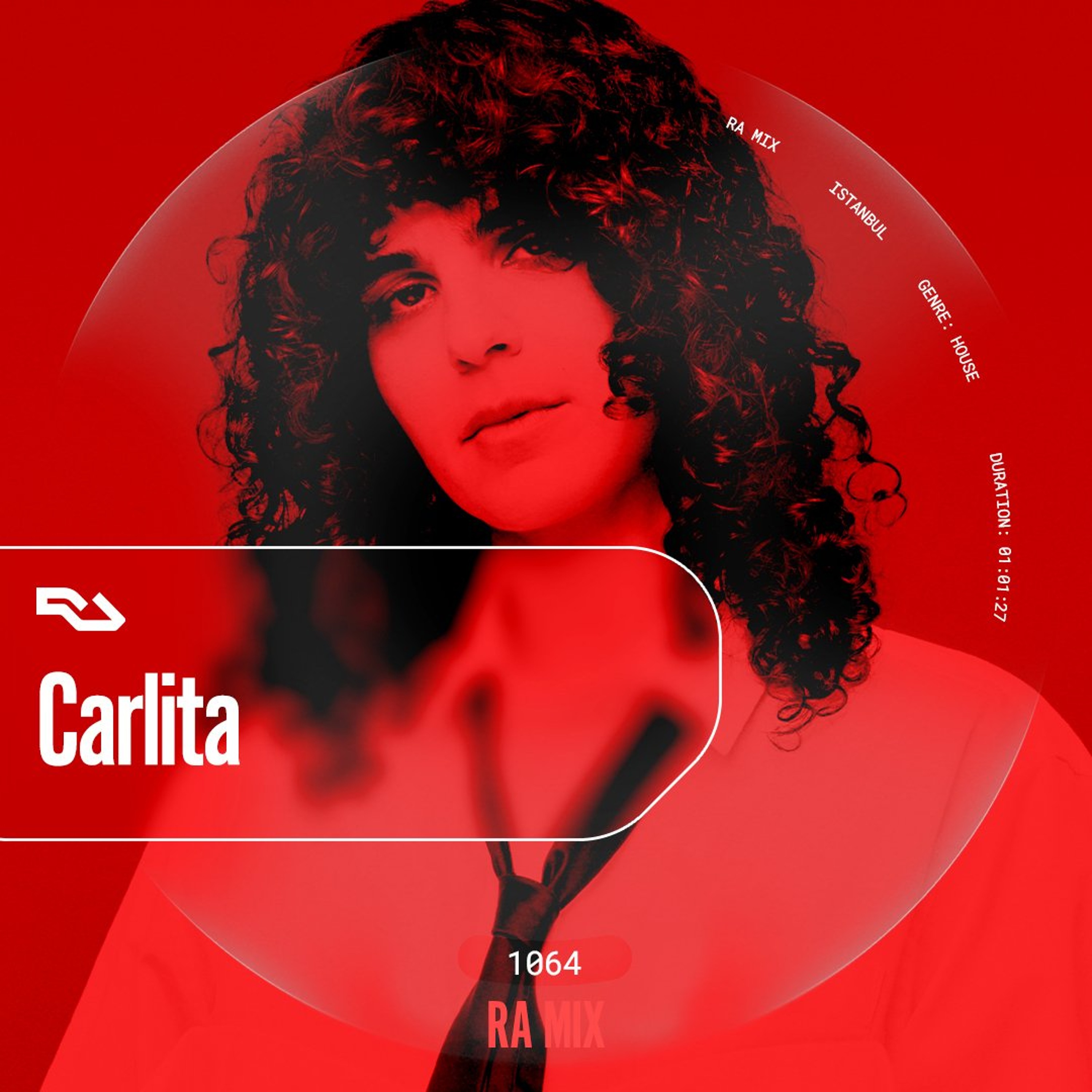
Sun-soaked house from the Circoloco favourite. Want to know what life is like when the sun is always shining? Carlita might be able to tell you. The Istanbul-born DJ follows the summer around the world, and her calendar reads like a festival bucket list: Coachella, Sónar, Tomorrowland and, most often, Circoloco at DC-10. It's also a neat encapsulation of her DJing. One of the biggest names in big-room house, Carlita has a sound that's warm and melodic, often pairing house classics with pop hooks and the odd swell of strings. It's a long way from where she started. Classically trained on the cello from the age of eight, Carlita only found dance music while studying in Boston, where a Turkish club owner taught her to mix and handed her a residency at Bijou. Since then she's become one of the scene's great crossover acts, mentored by DJ Tennis, blurring music, fashion and art at her Senza Fine parties, and making her pop ambitions plain across two albums for Ninja Tune: 2024's Sentimental