PARLIAMENT POPULAR Changing Dynamics in British Politics — Part Two ANATOL LIEVEN 2 112626
5 min
Listen through the publisher, then discuss the episode here or arrange an in-person Roundtable. Your city determines where to meet.
Roundtables are designed for groups of four, with a shared subject and room for everyone to speak. Come for discussion, with no dating expectation.
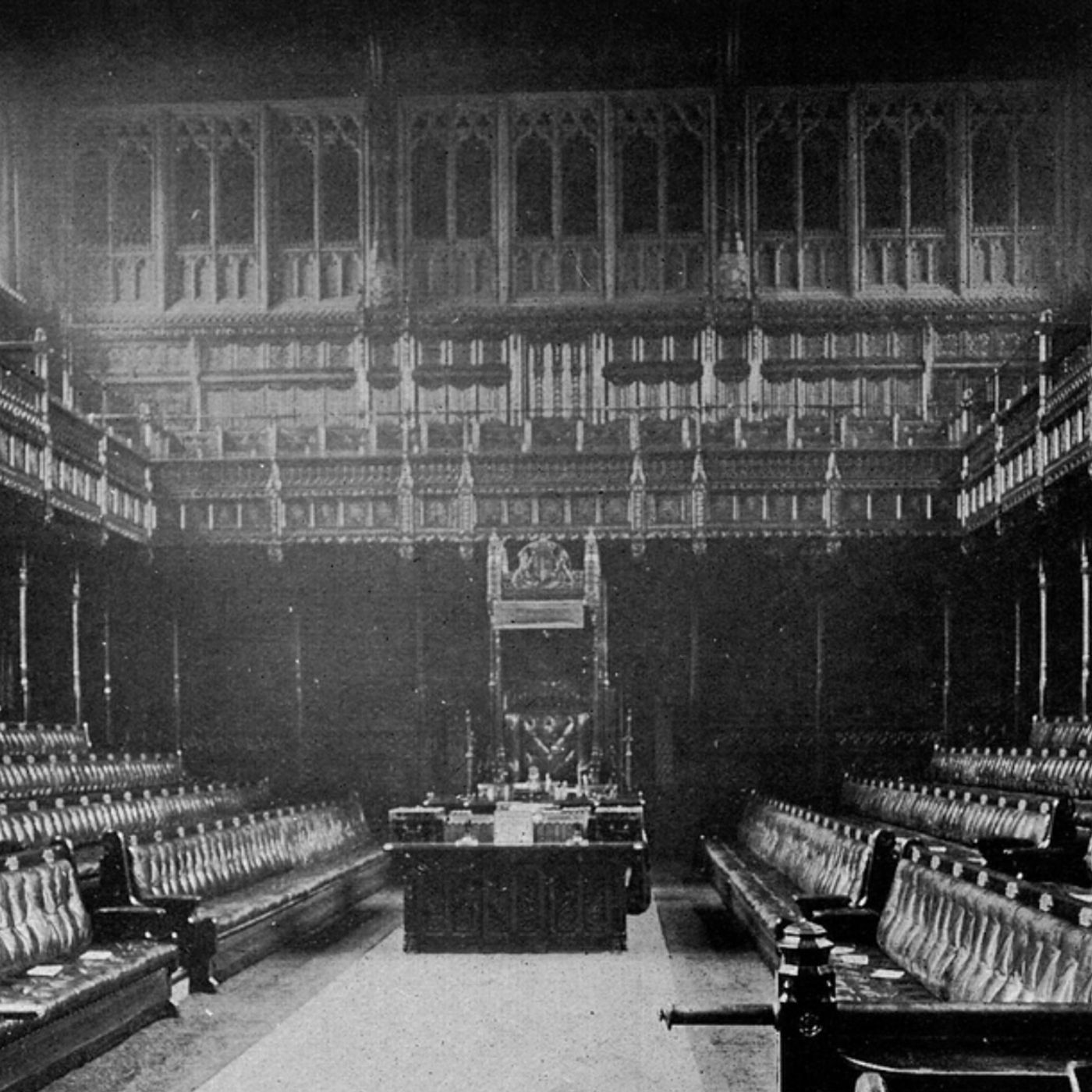
1901 COMMONS Changing Dynamics in British Politics — Part Two Anatol Lieven examines British political shifts in which voters favor individual leaders like Andy Burnham and Kemi Badenoch while despising their respective parties. As traditional party infrastructure declines across Europe, dissatisfaction with both main parties and with radical figures creates a distinctive reliance on centrist personalities. (6)
Episode information is provided by the publisher. Listening takes place on the publisher’s service.
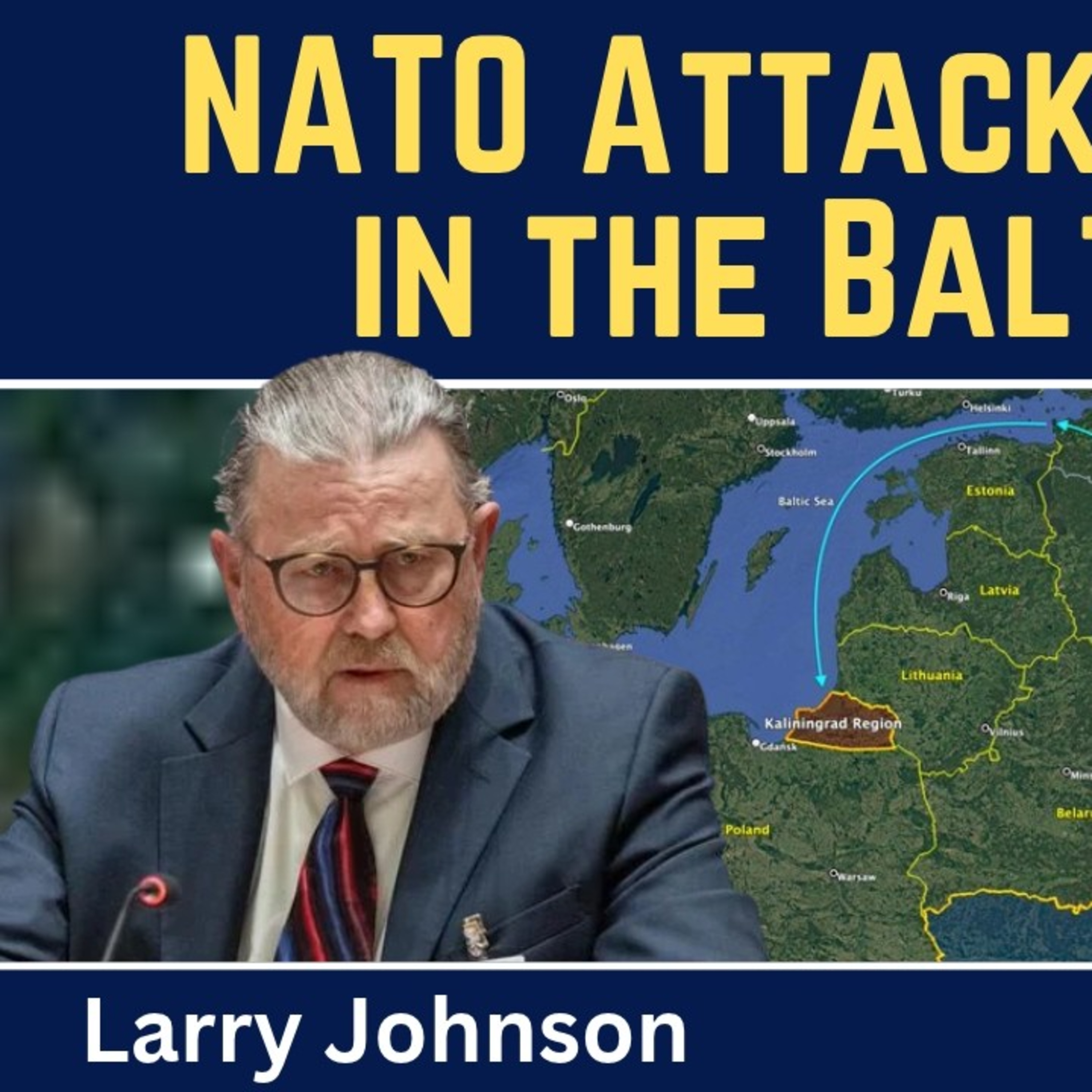
Larry Johnson is a former CIA intelligence analyst who also worked at the U.S. State Department's Office of Counterterrorism. Johnson discusses the attack on a Russian cargo ship in the Baltic Sea, and the air alarms going off in Kaliningrad. Read Larry Johnson's Sonar21: https://sonar21.com/Follow Prof. Glenn Diesen: PayPal: https://www.paypal.com/paypalme/glenndiesenBuy me a Coffee: buymeacoffee.com/gdiesengGo Fund Me: https://gofund.me/09ea012fBuy Diesen merchandise: https://diesen-shop.fourthwall.com/en-nokBooks by Prof. Glenn Diesen: https://www.amazon.com/stores/author/B09FPQ4MDL 00:00 Escalating Tensions in the Baltic Sea02:45 NATO's Role and Russia's Response05:52 The Shift in European Attitudes Towards Russia09:11 Cultural Influences on Perceptions of Russia11:44 The Consequences of Military Escalation15:06 The Irrelevance of Europe in Global Politics25:49 Reassessing Global Power Dynamics32:44 The Role of Europe in a Changing World39:19 The Impact of Economic Interests on Pol
Navajo Stirling put an exclamation point on a fight card that certainly had its ups and downs, but his knockout of Jiri Prochazka in the main event certainly creates an interesting situation in the light heavyweight division. Will Stirling get first crack at teammate Carlos Ulberg's world title? Following UFC Qatar, MMA Fighting's Mike Heck and Jed Meshew react to the Fight Night card, Stirling's impressive victory, and where both fighters go from here. Additionally, topics also include Kevin Vallejos' decision win over Aljamain Sterling in the co-main event, what we learned about Vallejos, how both fighters reacted in the aftermath, Brian Ortega retiring after losing to Dan Hooker, the four finishers getting bonuses, other standout moments, and more. Download the SB Nation app here ⤵️ iOS: https://apps.apple.com/us/app/sb-nation/id6789240983 Follow Mike Heck: @m_heckjr (https://www.instagram.com/m_heckjr/) Follow Jed Meshew: @JedKMeshew (https://x.com/JedKMeshew) Check out our full vi
Siren is back to talk all about her slut weekends, throwing wild sex parties, her BBC gangbangs, and her newly poly marriage. Tune in to hear all the details including how her ethically non-monogamous marriage is set up, the huge BBC birthday party she and her husband are planning and what's going to go down, the recent sex party she threw at her house and how she set everything up, who attended, how she got the party started and exactly what went down throughout the night, how and why she's now helping other people throw their own sex parties and how she sets them up for success, how she vets the people who want to attend her parties and what you should and shouldn't do if you want to get invited, her slut weekends and why she enjoys them more than hotel takeovers, what went down during her recent slut weekend with her girlfriend, how they hooked up with 14 guys over three days and exactly what went down, how she and her husband decided to become poly, why she wasn't into it at first
A wave of major technology outages is raising troubling questions about America's cybersecurity, aging infrastructure, and readiness for a new era of artificial intelligence. Are these isolated technical failures, or warning signs of a much larger national security problem? John Solomon and Amanda Head welcome Ohio Congressman and former Army Ranger Warren Davidson, who discusses recent disruptions involving the FAA, Microsoft, and other critical systems. Davidson calls for greater transparency from government agencies and technology companies, questions whether America's infrastructure is adequately protected against emerging cyber threats, and examines how artificial intelligence could be used both to strengthen defenses and exploit vulnerabilities. The conversation also turns to immigration and national security, with Davidson raising concerns about individuals who entered the country illegally, potential gaps in government screening systems, and the surveillance powers used to moni
November 20, 2026 On November 19, Trump met with Xi Jinping and Vladimir Putin in Shenzhen, China, The fact that the president of the US would meet with leaders of China and Russia was bizarre since both China and Russia have been helping Iran in its current fight against the US, Trump appeared to want the fanfare and President Xi played that up, Putin wanted the meeting because it would suggest that Russia was a great power, although it is far from being so and Putin’s war on Ukraine is going poorly, The meeting’s purpose seemed to be to produce propaganda for each of the three leaders, Beyond the propaganda is the larger story of the destruction of the post-World War II rules-based international order, In its place is the idea of dividing the world into spheres of influence, The three leaders met for 90 minutes and issued only a vague "joint declaration toward peace," which vowed to reform the UN and weaken the International Criminal Court, where Putin is already under indictment for
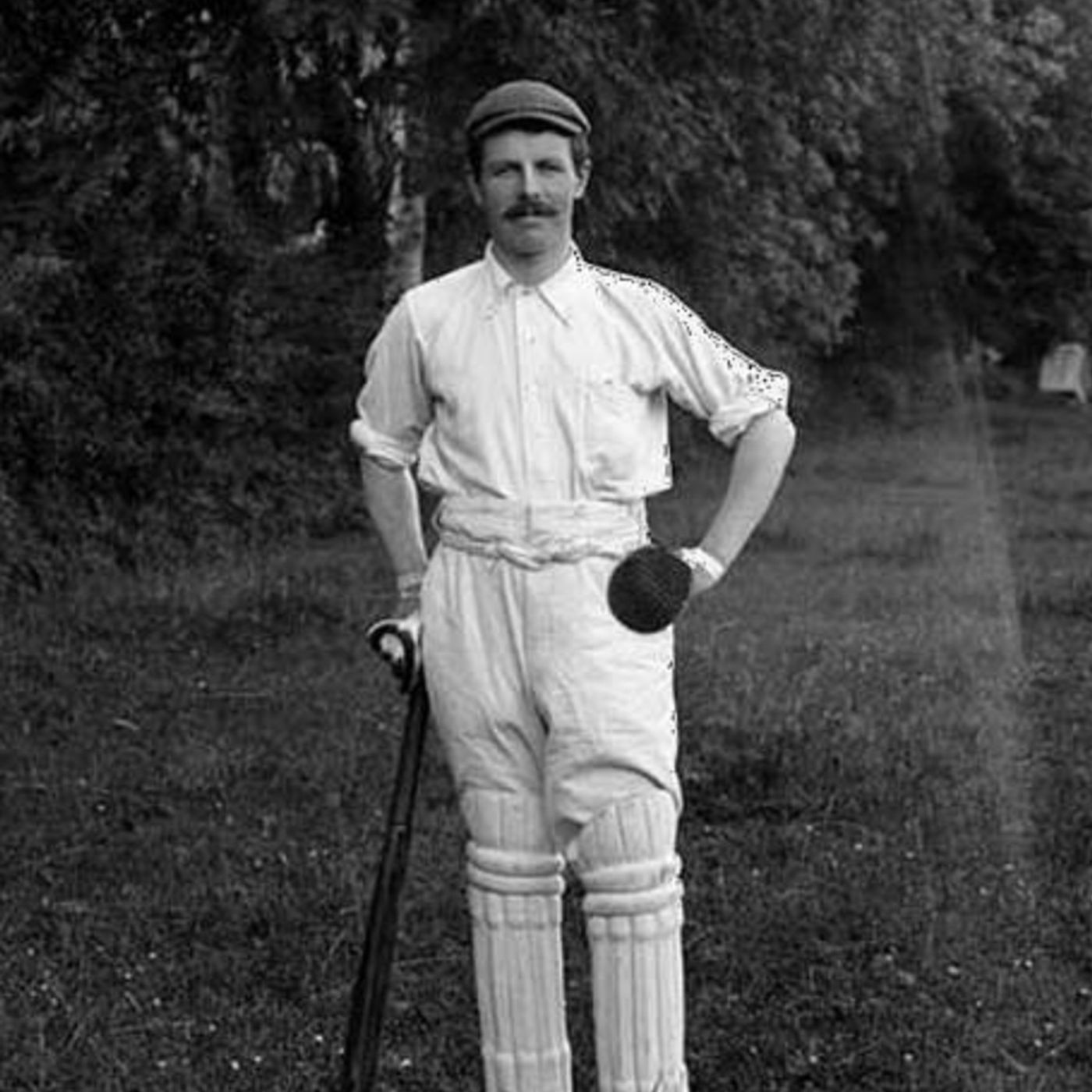
Sandpaper Scandal Resurfaces Again Jeremy Zakis reviews the 2018 cricket scandal in which Australian players secretly used sandpaper to alter the ball. The controversy has resurfaced after a former teammate published a book accusing current captain Pat Cummins of involvement, sparking intense debate despite official support for Cummins. (3)
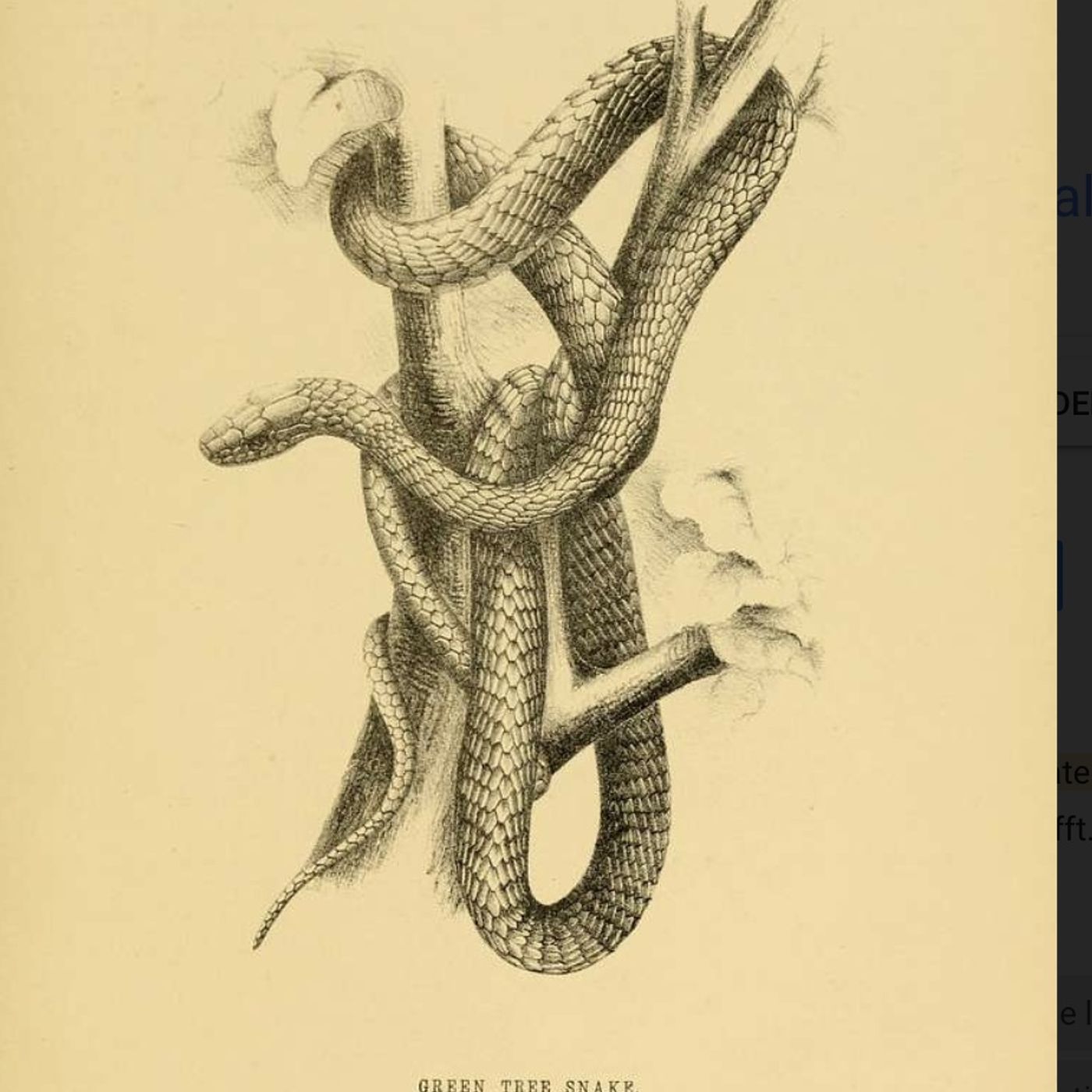
Floods Wash Snakes Downtown Jeremy Zakis explains the official warnings issued in Melbourne after floodwaters washed venomous snakes into the central business district. Snake catchers face surging demand and charge costly call-out fees, while unseasonable storms have disrupted local wildlife, leaving kangaroos hyperactive and erratic on the roads. (2)
1950 Super El Niño Spring Storms Jeremy Zakis discusses extreme spring weather across Australia, driven by a super El Niño and elevated ocean temperatures. Heavy rain, microbursts, and severe winds in South Australia toppled massive power lines and spawned funnel clouds, while Sydney faces hot, chaotic, (1)
Expanding universities should help pay for the pressures they create on surrounding neighborhoods.
Share your view, then see how readers voted. No sign-in required. This poll is shared across stories.
Do you agree or disagree?
Common Quandary
A Common Quandary to discuss
Another conversation to explore, separate from this news story.
Someone you love asks, “Do you think I’ll be okay?” What if you do not?
A relative with a poor prognosis asks whether you think they will recover. They seem to need reassurance, but you believe the odds are very low and do not want to spend the remaining time pretending.
Can preserving hope justify saying more than you believe?