Listen through the publisher, then discuss the episode here or arrange an in-person Roundtable. Your city determines where to meet.
Roundtables are designed for groups of four, with a shared subject and room for everyone to speak. Come for discussion, with no dating expectation.
SEASON 2 - EPISODE 218 Peter Kosminksy - Director In this episode of the Team Deakins Podcast, we speak with director Peter Kosminsky (WOLF HALL, THE UNDECLARED WAR, THE STATE). Peter's work as a director encompasses both film and television which covers topics including the Falklands War, ISIS, Thomas Cromwell, and an Emily Brontë novel. Throughout the episode, Peter reflects on the highs and lows of his career, from standing up to the BBC over censorship to being chosen by Hilary Mantel to adapt WOLF HALL for television, and we discuss his general thoughts on directing, casting, and writing. Peter also reflects on his difficult experience directing 1992's WUTHERING HEIGHTS while being undermined by the film's producers, and we discuss how the experience shaped the rest of his career and approach as a director. We later question Peter about his work on THE STATE, a fictional four-part miniseries about ISIS, and we learn how he approached making a show about radicalization and contemporary issues that were actively developing while creating the series. Peter also shares his views on the changing cultural power of television, and we discuss the effects of the rise of streaming services on the economics of creating a series. - This episode is sponsored by BenQ
Episode information is provided by the publisher. Listening takes place on the publisher’s service.
With his Cannes-winning movie HOLY SPIDER, writer/director Ali Abbasi experienced the complexities and dangers of trying to make movies in repressive Iran… but he also says “the most challenging thing I’ve ever done” was making his Oscar-nominated THE APPRENTICE, about a young Donald J. Trump. Abbasi tells host Rico Gagliano about both, and what it was like to navigate two very different kinds of censorship. The MUBI Podcast returns for its 12th season, “Under Pressure.” At a time when artists worldwide are being threatened or stifled by their governments, host Rico Gagliano tells the stories of filmmakers from across history and around the world who have made movies in spite of incredible state pressure to compromise, give in, or give up. From 1970s Turkey to modern-day America, these are alternately wild, sobering, controversial, and inspiring tales of art by any means necessary. HOLY SPIDER (https://mubi.com/en/gb/films/holy-spider) is now streaming on MUBI in the UK, Ireland, Argen
Howard Deutch, director of Pretty in Pink, offers a candid look at the making of the 1986 John Hughes classic, starring Molly Ringwald, Jon Cryer, Andrew McCarthy, James Spader, Annie Potts and Harry Dean Stanton. Deutch shares his unlikely path to the director's chair, from a two-week attempt at veterinary school at Ohio State and a string of record-business jobs to the United Artists mailroom. He went on to run UA's advertising department, working on campaigns for Rocky, Annie Hall and James Bond, and then built one of New York's top trailer companies. That work led him to John Hughes and a music video for Sixteen Candles. He explains why he risked everything to move to California for his first feature, how he begged a reluctant Molly Ringwald to play Andie, and why he couldn't stand James Spader at his audition. He also talks about the moment Jon Cryer won the role of Duckie, Annie Potts's ad-lib on the very first shot, and an unforgettable reunion with Harry Dean Stanton years late
Welcome back to our REWIND series! Christi and Kelly are going back through the archive, re-editing, and re-uploading our old episodes — in order, from the very beginning of Dance Moms. This week, they’re revisiting Season 2, Episode 13, “Abbygeddon,” but they’ve brought along someone who actually knows what was happening on the other side of the cameras. Former Dance Moms supervising field producer James joins Christi and Kelly to rewatch the episode and finally explain just how much of what viewers saw was real — and how much was being shaped for television. James gets into how producers worked with Abby on the pyramid, why they sometimes had to fight for certain girls to get solos, how interview “pickups” really worked, and even the character labels production used for the moms behind the scenes. He also backs up some of Christi and Kelly’s longest-running complaints about the advantages certain dancers were getting before filming even started. This one has some juicy details, trust
Todd and Julie Chrisley are sitting down with Frank Russo, Georgia State Director for Right on Crime and Senior Advisor for Human Dignity at CPAC, for a conversation about the criminal justice system, accountability, redemption, and the growing divide in our country. Frank and Todd first connected through the ongoing controversy surrounding Fulton County Judge Eleanor Ross, and they get into the questions surrounding her conduct, the allegations of judicial misconduct, and what is being done to bring accountability to those in positions of power. Frank explains the work he's doing to bring attention to the situation, including efforts in Washington, D.C. to investigate and potentially remove Judge Ross from the bench. The conversation also takes a broader look at the criminal justice system and why meaningful reform matters. Todd and Julie share more about their own experiences, discuss the pardon process, address the accusations surrounding their pardons, and explain why they believe
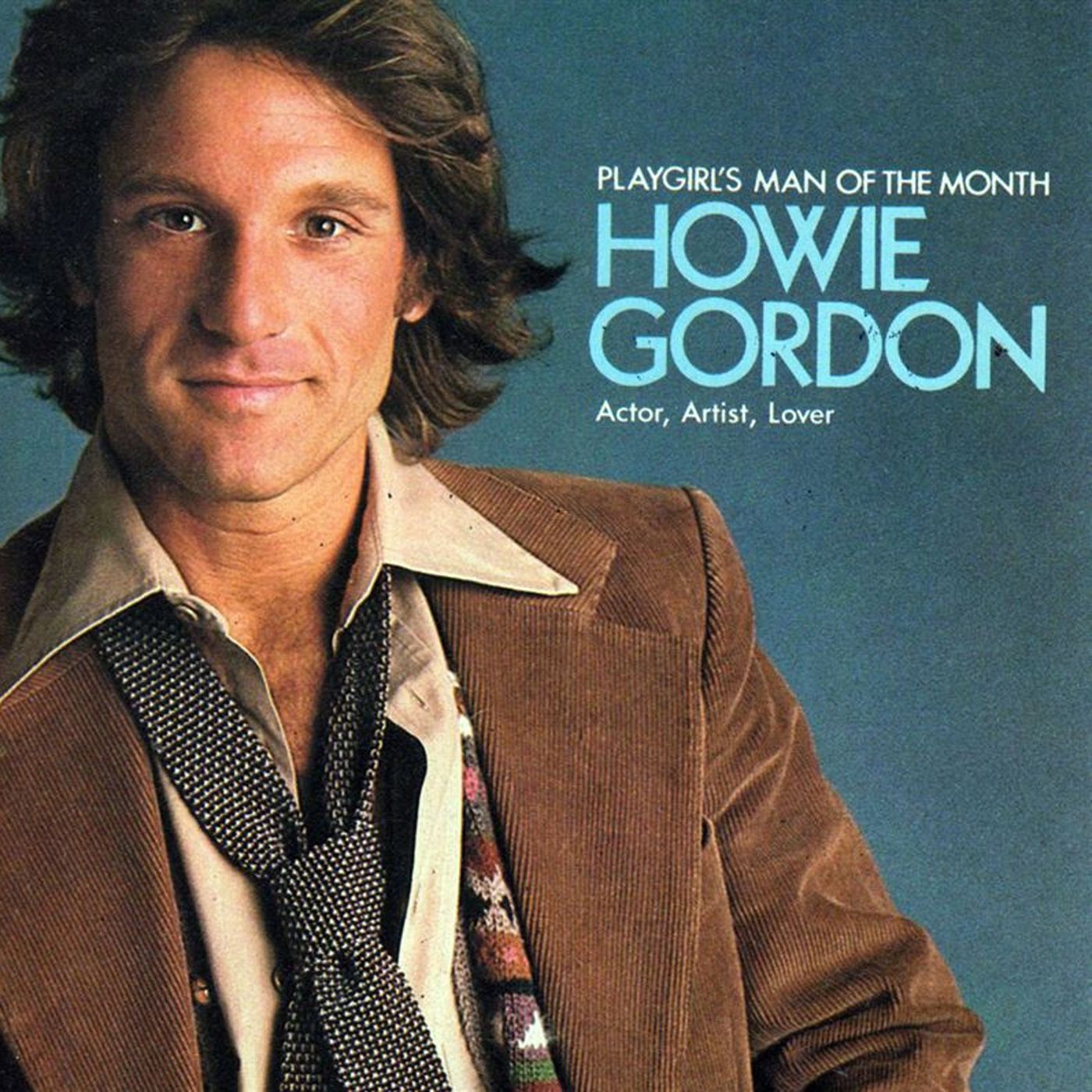
Howie Gordon applied to two seminaries and one porn audition. Neither seminary worked out. Better known as Richard Pacheco, the actor and Playgirl Man of the Year for 1979 talks with Mike about Hindsight: True Love & Mischief in the Golden Age of Porn, the 600-page memoir of a diarist now on volume 220. Gordon starts in Berkeley as a student of the Blake Street Hawkeyes, the experimental troupe Whoopi Goldberg outgrew on her way to Broadway. She wrote the introduction to his book. A casting call meant for his wife put him in Bob Chinn's Candy Stripers (1978). The week before the shoot brought hives and a Valium. The day itself brought several hours of stage fright with the crew waiting. Mack Howard became Dewey Alexander and then Richard Pacheco, a name handed to him on Anthony Spinelli's Talk Dirty to Me (1980). Gordon modeled his character, Lenny, on his uncle Izzy, who died a week before the cameras rolled. He played his crying scene opposite John Leslie's harmonica and the crew app
Alonso joins us to continue our journey through Season 3 of Mistletoe Murders! ABOUT: MISTLETOE MURDERS – WE THREE KIMS - PART 1 Emily Lane and Detective Sam Wilner search for a missing figure skater in town amidst a web of travel secrets AIR DATE & NETWORK FOR: MISTLETOE MURDERS – WE THREE KIMS - PART 1 November 19, 2026 | Hallmark Channel CAST & CREW OF: MISTLETOE MURDERS – WE THREE KIMS - PART 1 Sarah Drew as Emily Peter Mooney as Sam BRAN’S MISTLETOE MURDERS – WE THREE KIMS - PART 1 SYNOPSIS The episode kicks off at a skating rink where a group is practicing a Christmas routine. Ray & Brooke are even there as part of the show in the background. There’s clearly some serious drama going on with the group and their choreographer, John. John is actually the nephew of Sue, the diner owner. One night, one of the skaters, Kimmy, is doing a private skate sesh. She’s filming herself and we see her stop, look off camera and ask what they’re doing there. She skates off screen and we hear a sc
SEASON 2 - EPISODE 220 Richard Styles - Assistant Director In this episode of the Team Deakins Podcast, we speak with assistant director Richard Styles (28 YEARS LATER, THE CROWN, GOSFORD PARK). Throughout the episode, Richard helps us understand who is responsible for what, within the assistant directing team, from third to first and all the grades in between. Richard also reflects on getting his shot as a third AD on the endless production of ALIEN 3, and we discuss what he learned working as a runner and office PA in England up until then. We later discuss the puzzle of scheduling, and Richard shares his strategies and experiences for not just locking a schedule but also adjusting it as production unfolds. Richard also reflects on how he helps maintain morale on set, and he shares how he adapts to each new director he works with. Richard also shares how he, director Fernando Meirelles (Season 2, Episode 198), and cinematographer César Charlone (Season 2, Episode 174) shot the global
SEASON 2 - EPISODE 219 Tim Squyres - Editor In this episode of the Team Deakins Podcast, we speak with editor Tim Squyres (GEMINI MAN; LIFE OF PI; CROUCHING TIGER, HIDDEN DRAGON). Throughout the episode, Tim shares his thoughts on many aspects of editing, with topics ranging from finding the right cut of a scene with the director to dealing with studio notes and screening reactions. Tim also shares how he first met director Ang Lee and why he thinks they've continued to work together since 1991, and we learn how Tim cut films such as CROUCHING TIGER, HIDDEN DRAGON and LUST, CAUTION despite not understanding the film's spoken language. We also learn how Tim adapts his process to different directors, and we discuss how he feels when he receives a mountain of coverage on a scene. Tim, through his work with Ang, has cut a number of films on the edge of technological advancements from 3D projection to elevated framerates, and he shares how the process of cutting those films differs and mirr
A tradition can remain authentic while changing with the community that practices it.
Share your view, then see how readers voted. No sign-in required. This poll is shared across stories.
Do you agree or disagree?
Common Quandary
A Common Quandary to discuss
Another conversation to explore, separate from this news story.
Your best friend is an AI that profits when you stay lonely. Is the friendship real?
A lonely adult considers an AI companion their closest confidant. The service is always patient and supportive, but the company profits when users spend more time engaged with it.
Does a comforting system have a duty to make itself less necessary?