Listen through the publisher, then discuss the episode here or arrange an in-person Roundtable. Your city determines where to meet.
Roundtables are designed for groups of four, with a shared subject and room for everyone to speak. Come for discussion, with no dating expectation.
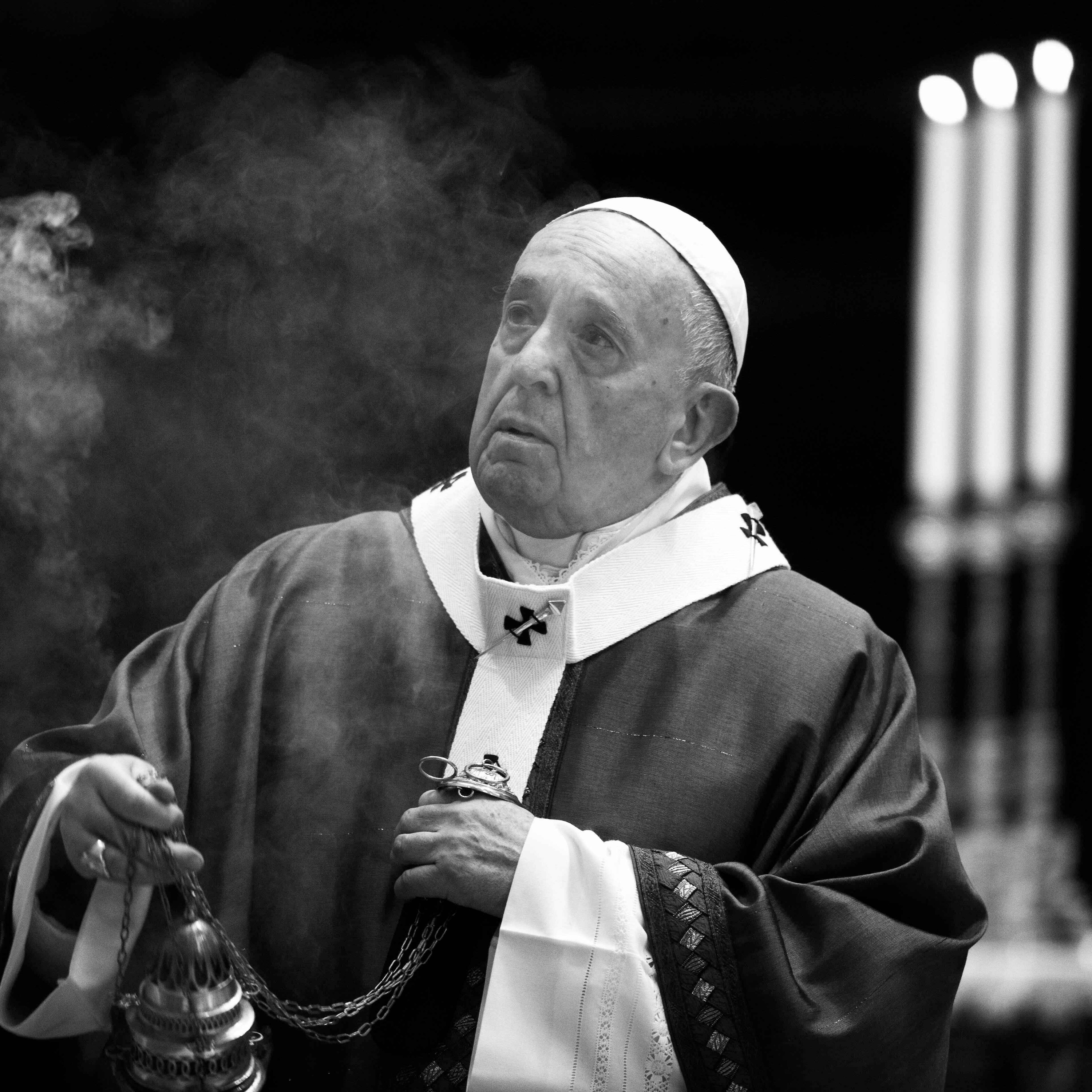
The publication of extracts from Pope Francis’s private diaries has reignited controversy over the late pontiff, revealing a man tormented by spiritual self-doubt, dark temptations and apparent encounters with the devil. His spiritual crisis coincided with one of the most controversial decisions of his pontificate: restricting the celebration of the traditional Latin Mass. On Holy Smoke, Damian Thompson is joined by moral theologian Fr Alexander Lucie-Smith to discuss the revelations. Do the diaries reveal a great Catholic mystic or raise uncomfortable questions about Francis’s suitability for the papacy? And why have they been published now – what might they mean for Pope Leo XIV? Produced by Patrick Gibbons. Contact us: [email protected] Hosted on Acast.
Episode information is provided by the publisher. Listening takes place on the publisher’s service.
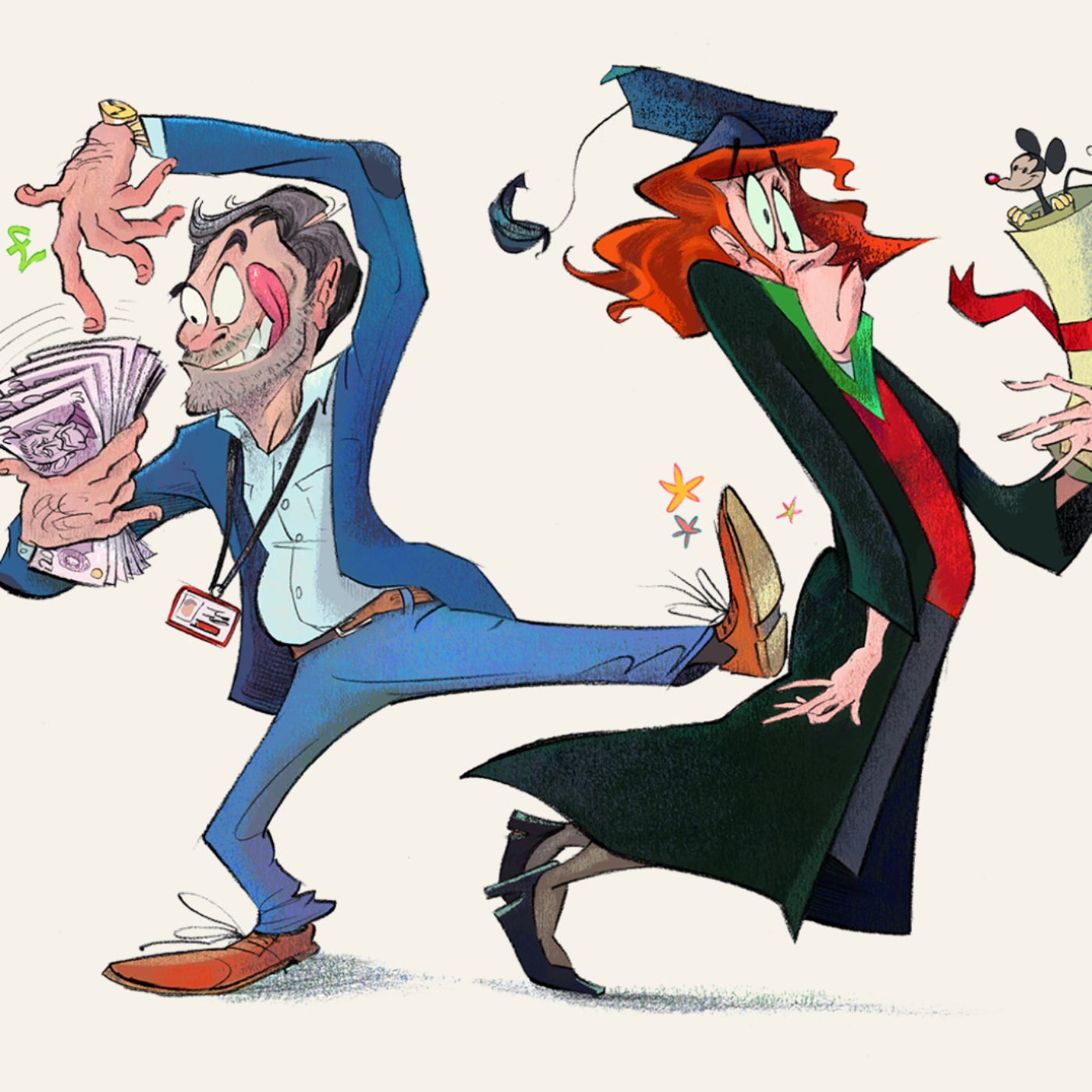
For this week’s Edition, William Moore is joined by the Spectator’s economics editor Michael Simmons, writer-at-large Max Jeffery and the historian Alice Loxton. This week: are Britain’s universities becoming degree factories? William Finlator explains the extraordinary growth of franchised universities – institutions which can make huge profits while offering courses with poor academic outcomes and, in some cases, little of the traditional university experience at all. Michael asks what universities are actually for, while Alice warns that low-quality degrees risk devaluing the reputation of British higher education. Is a bad degree worse than no degree? Also: how did Bangladesh’s violent politics end up on the streets of east London? Max explains how Britain has become a major arena for the country’s political factions, following the fall of Sheikh Hasina, with rival groups clashing on the streets while exiled politicians lobby British MPs. Is Britain equipped to deal with foreign po
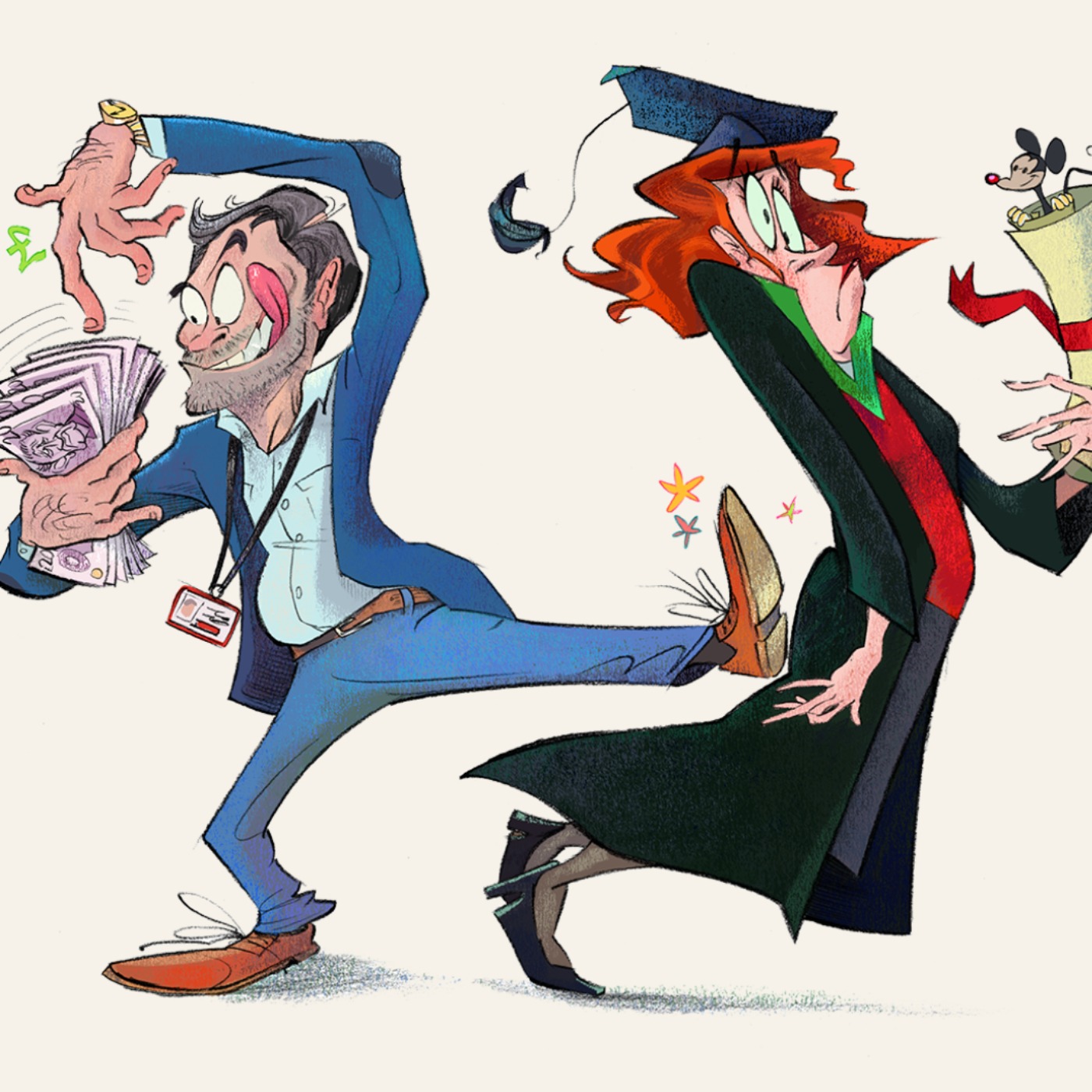
For this week’s Edition, William Moore is joined by the Spectator’s economics editor Michael Simmons, writer-at-large Max Jeffery and the historian Alice Loxton. This week: are Britain’s universities becoming degree factories? William Finlator explains the extraordinary growth of franchised universities – institutions which can make huge profits while offering courses with poor academic outcomes and, in some cases, little of the traditional university experience at all. Michael asks what universities are actually for, while Alice warns that low-quality degrees risk devaluing the reputation of British higher education. Is a bad degree worse than no degree? Also: how did Bangladesh’s violent politics end up on the streets of east London? Max explains how Britain has become a major arena for the country’s political factions, following the fall of Sheikh Hasina, with rival groups clashing on the streets while exiled politicians lobby British MPs. Is Britain equipped to deal with foreign po
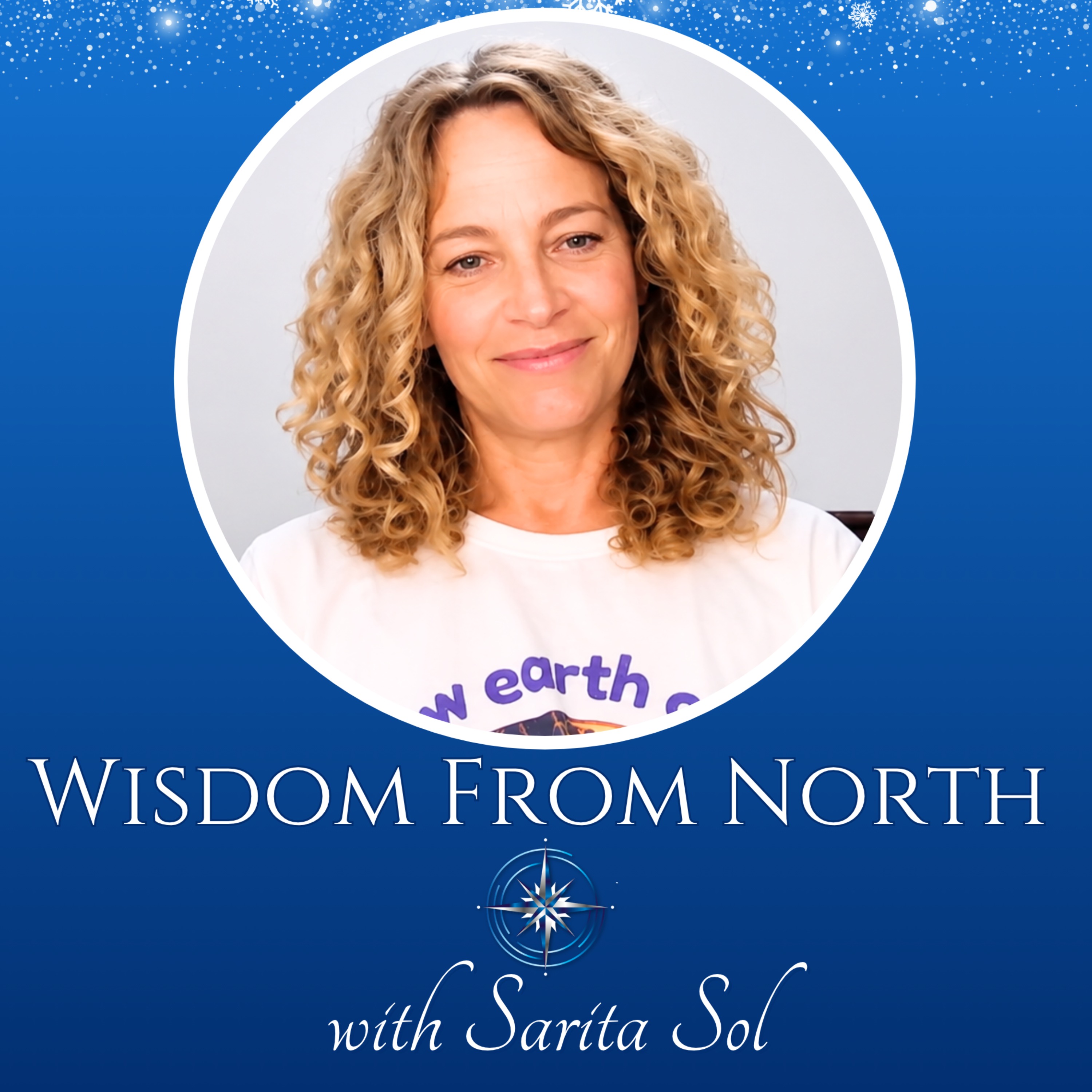
In this episode we meet shamanic practitioner Sarita Sol, who takes us on a fascinating journey beyond ordinary reality to explore multidimensional consciousness, the astral realm, and the hidden dimensions of existence. With over 30 years of shamanic experience, Sarita shares her extraordinary encounters with fairies, trolls, and elemental beings, revealing why she believes these mysterious creatures are real and how we can expand our perception to access unseen realms. We dive into the great shift in consciousness, the power of imagination to create reality, and the unconscious programming that may be limiting our true potential.Sarita also reveals her fascinating perspective on the Sun as a cosmic portal, transmitting light codes that she believes activate our DNA and support humanity's spiritual evolution.Could we be far more powerful, multidimensional beings than we've ever imagined? Please enjoy our episode with Sarita Sol Hosted on Acast.
Cartoonist and author Kaz Cooke on the eccentric and rebellious women who became clairvoyants, mediums, mind-readers and magician's assistants, carving out lives on the fringes of polite Victorian society. In ancient times, women were thought to be able to stand outside of time and peer into the future, or to make contact with "the other side". For a long time, omen had standing in different societies as spiritual intermediaries who channelled prophecies, and divine guidance for rulers and ordinary people, until the powers that be declared them all to be witches and had them killed. But in the 19th and early 20th centuries, several catastrophic wars created a boom for spiritualism and for contacting the dead. A series of witchy women emerged to put people in touch with their dead loved ones. While most of these women were either scam artists or who had been coerced into the game at a young age by exploitative relatives, they were charismatic, enigmatic, brave, hardworking and eccentric
This is a Grave Talks CLASSIC EPISODE! PART TWO It was supposed to be the American Dream—a cherished home passed down through generations, filled with history and promise. A place where children would grow up safe and new memories would be made. But almost immediately, something changed. Joe Campbell shares how his family’s dream home descended into chaos. Whispers in the dark murmured, “We like your pain.” Shadowy hands appeared from walls. Children reported terrifying encounters they could not explain. What began as subtle unease quickly escalated into something that felt targeted—intentional. Was this demonic oppression? A haunting tied to the land? Or something that had been lying dormant, waiting for the right family to move in? Joe’s story forces us to ask a chilling question: when a house “wakes up,” who—or what—are you really sharing it with? #TheGraveTalks #DemonicHaunting #HauntedHouse #ParanormalPodcast #ShadowFigures #DemonicOppression #HauntedFamilyHome #TrueParanormal #Sp
I had a faith crisis in my mid-twenties. A big faith crisis. It involved a salamander and it involved a letter. It made me question everything I thought I knew about Joseph Smith, the book he produced, and the religion he founded. The LDS religion. MY religion! And in that time of despair, I clung to the most significant single evidence that the Book of Mormon is ancient, and therefore authentic, and therefore true. I clung to the presence of “chiasmus” in the Book of Mormon; that incredible ancient Hebrew literary form that shows up in such abundance in the Nephite record. But had I been told everything there was to tell about chiasmus? Or had information been withheld from me to make “chiasmus” look like a much more impressive evidence for the Book of Mormon? Was it a solid evidence, or was it fool’s gold? And if I had known it was fool’s gold in my twenties, would I have clung to it as such strong evidence for the Book of Mormon? And if I had not clung to “chiasmus,” as proof of the
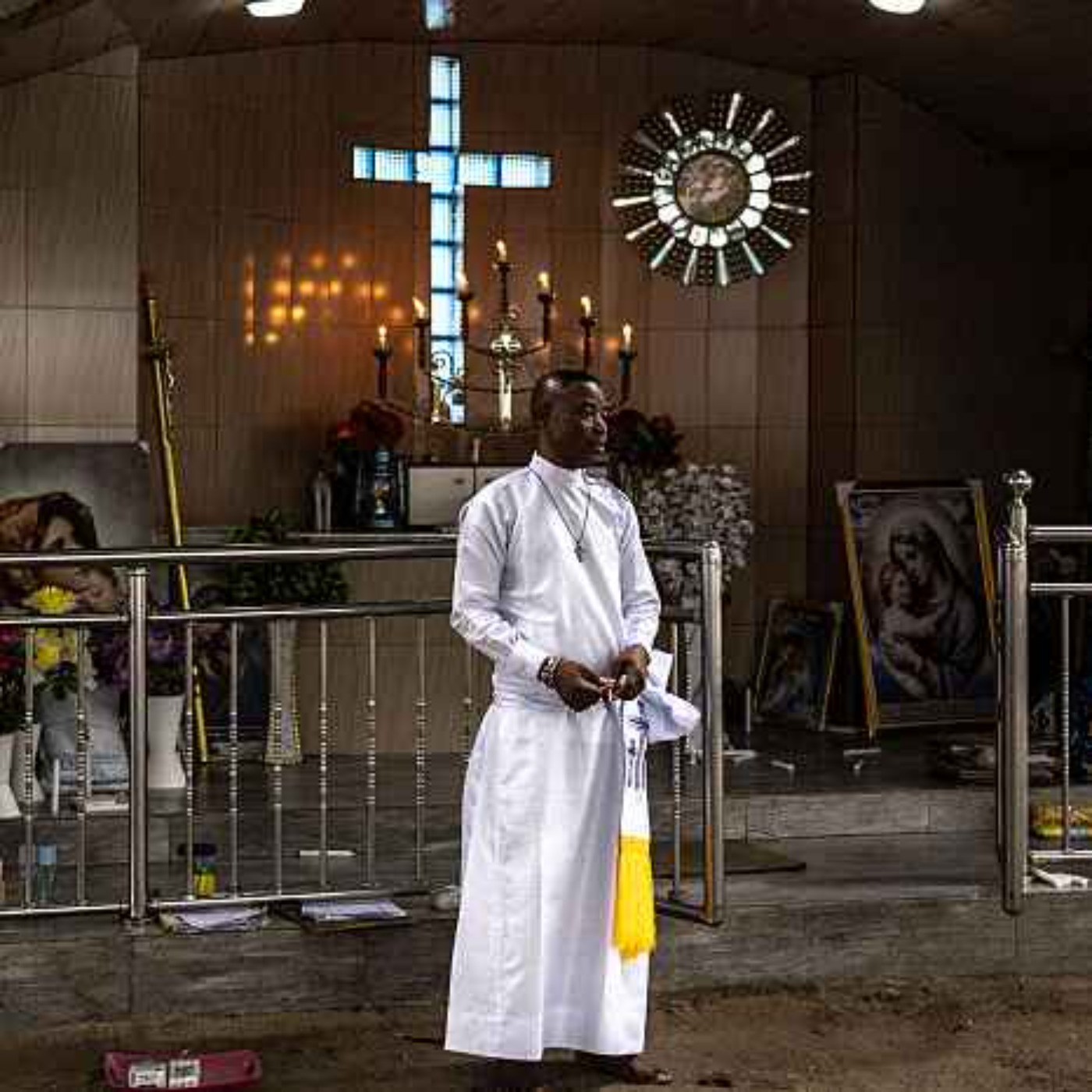
This week on Holy Smoke, Damian Thompson is joined by Hardeep Singh, deputy director of the Network of Sikh Organisations, to discuss the violence facing Christians in Nigeria and across sub-Saharan Africa. They examine the role of Islamist militias, the failure of Western governments to confront religious persecution, and whether more can be done to protect vulnerable communities. Plus: why has Hardeep, a Sikh, become such a passionate advocate for persecuted Christians? And what can different faiths learn from one another about standing up against religious intolerance? Produced by Abigail Brierley. Contact us: [email protected] Hosted on Acast.
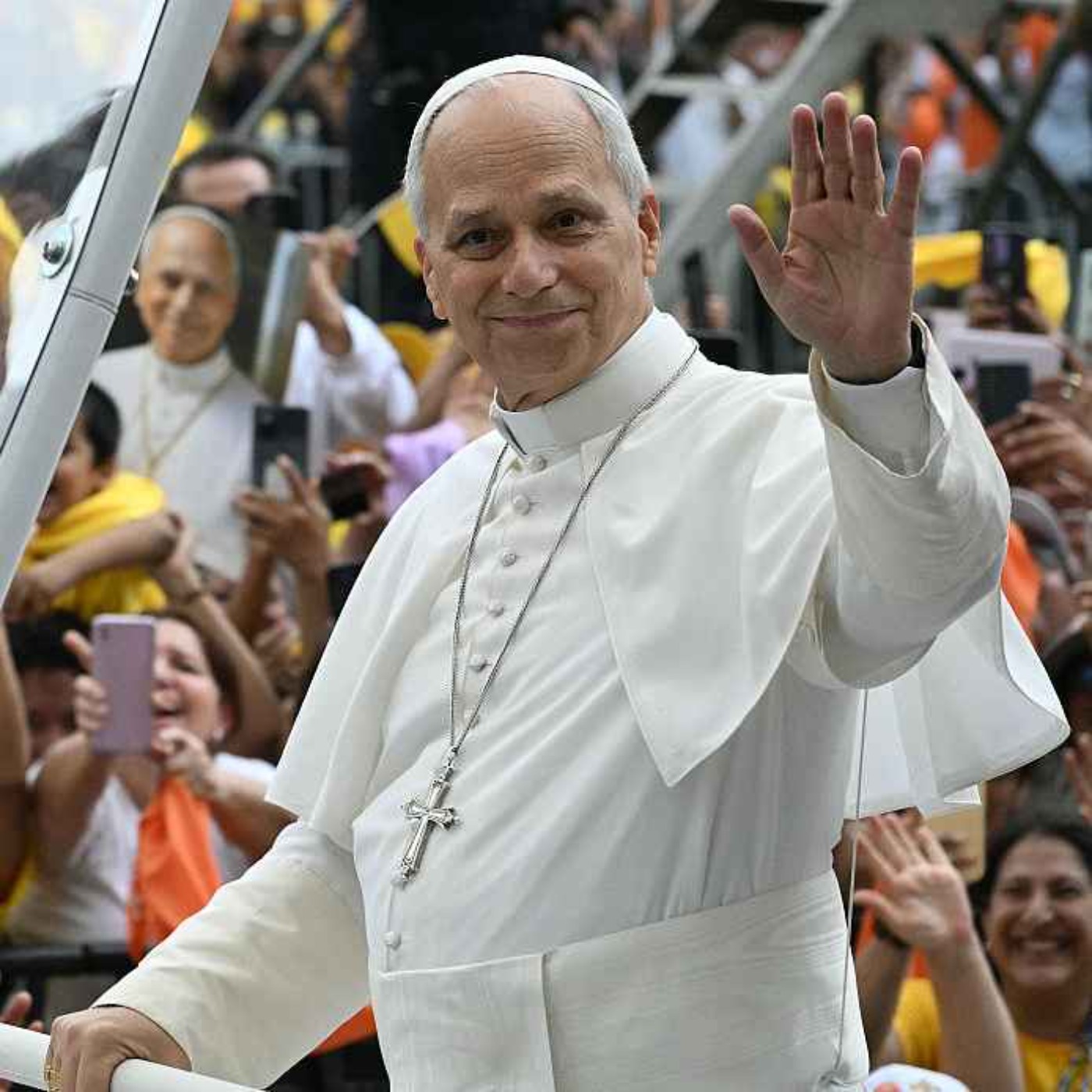
Pope Leo has returned to Peru, the country he called home for nearly two decades, in the final leg of his historic South American tour. Greeted by millions of cheering Catholics, the visit has been a personal triumph for the pontiff. But what makes Peruvian Catholicism so distinctive, and how has it shaped his faith? Damian Thompson is joined by Thomas Munson to explore the country's fascinating blend of Catholicism and indigenous Incan beliefs. Where is the line between adapting Christianity to local cultures and religious syncretism? And what can Pope Leo's relationship with Peru tell us about the direction of his papacy? Plus: as Catholicism faces declining Mass attendance across much of Latin America, could Pope Leo's visit inspire a religious revival? Produced by Abigail Brierley. Contact us: [email protected] Hosted on Acast.
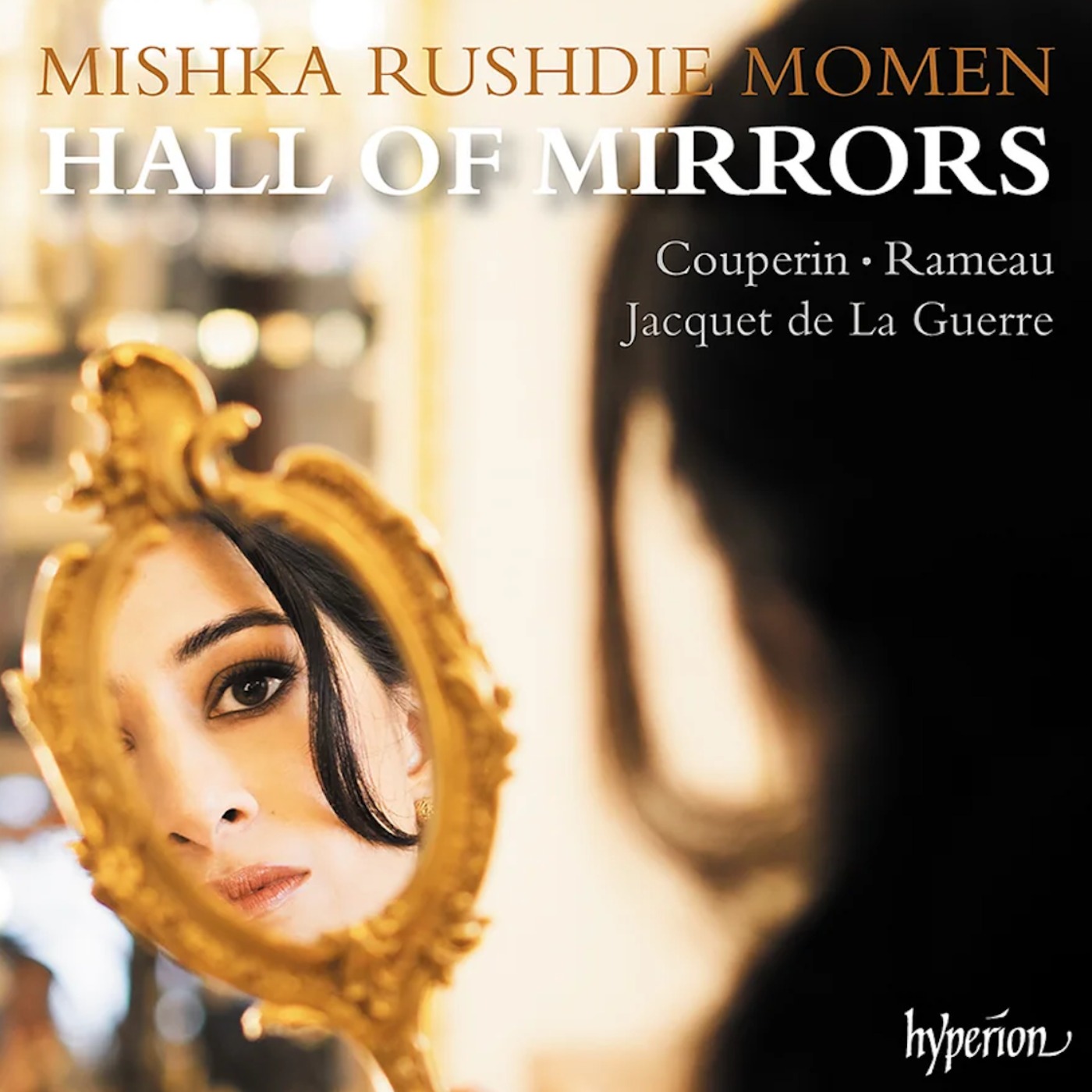
On this episode of Holy Smoke, Damian Thompson is joined by British pianist Mishka Rushdie Momen to explore the extraordinary musical world of 18th-century France - where religion, courtly spectacle and music were deeply intertwined. They discuss the music of François Couperin, Jean-Philippe Rameau and the pioneering composer Élisabeth Jacquet de La Guerre, as well as the unlikely connection between Catholic and Protestant composers. They also ask whether the Church has lost its musical vernacular; and whether the sacred music of the Baroque could have a place in churches today. Produced by Abigail Brierley. Contact us: [email protected] Hosted on Acast.
Retailers should show a product's recent normal price alongside advertised discounts.
Share your view, then see how readers voted. No sign-in required. This poll is shared across stories.
Do you agree or disagree?
Common Quandary
A Common Quandary to discuss
Another conversation to explore, separate from this news story.
One coffee, four hours, last table. Can the café ask you to leave?
A neighborhood café has become a popular remote workplace. Some guests buy one drink and occupy tables for hours, while families and friends regularly leave because they cannot sit together.