Why are we ignoring Nigeria's persecuted Christians?
16 min
Listen through the publisher, then discuss the episode here or arrange an in-person Roundtable. Your city determines where to meet.
Roundtables are designed for groups of four, with a shared subject and room for everyone to speak. Come for discussion, with no dating expectation.
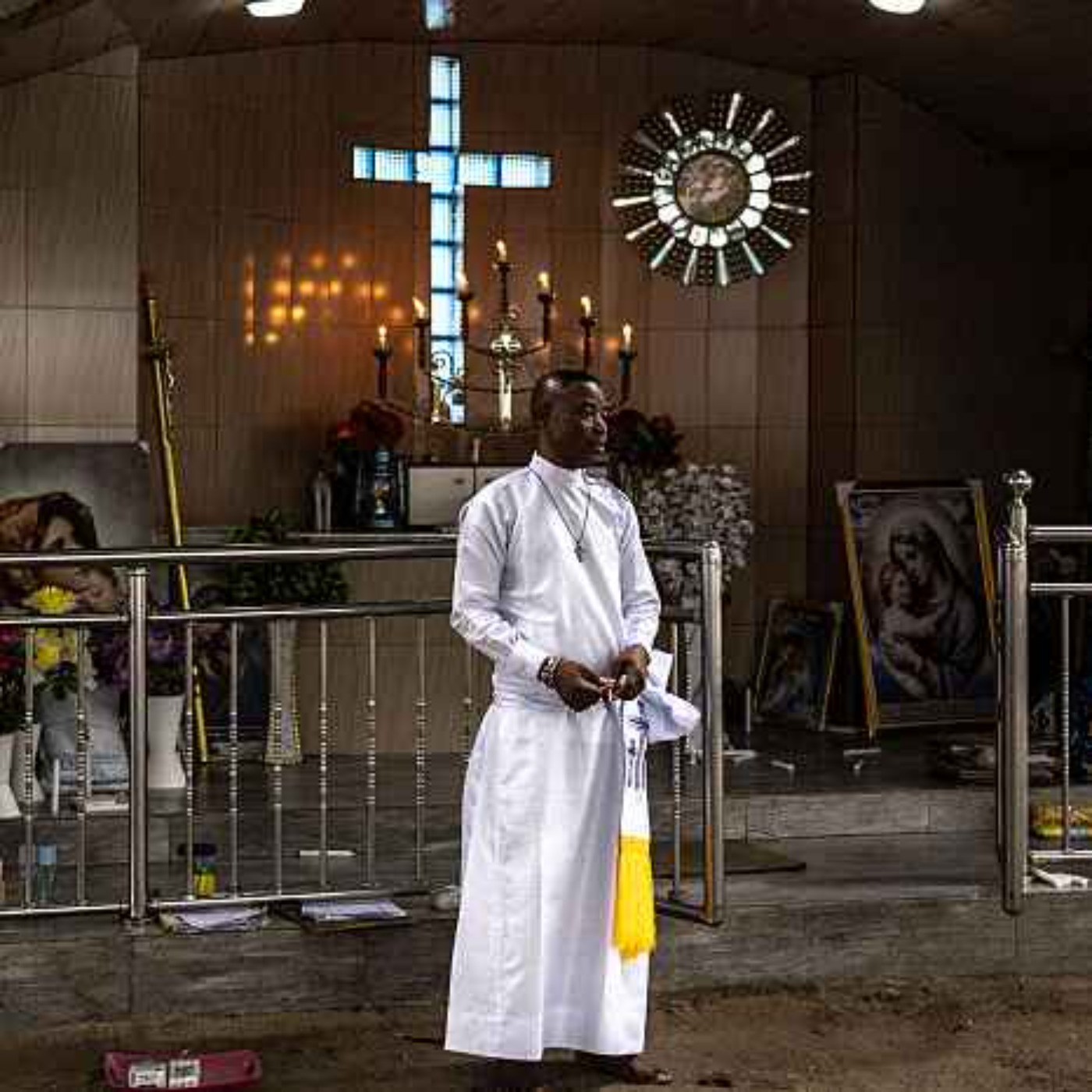
This week on Holy Smoke, Damian Thompson is joined by Hardeep Singh, deputy director of the Network of Sikh Organisations, to discuss the violence facing Christians in Nigeria and across sub-Saharan Africa. They examine the role of Islamist militias, the failure of Western governments to confront religious persecution, and whether more can be done to protect vulnerable communities. Plus: why has Hardeep, a Sikh, become such a passionate advocate for persecuted Christians? And what can different faiths learn from one another about standing up against religious intolerance? Produced by Abigail Brierley. Contact us: [email protected] Hosted on Acast.
Episode information is provided by the publisher. Listening takes place on the publisher’s service.
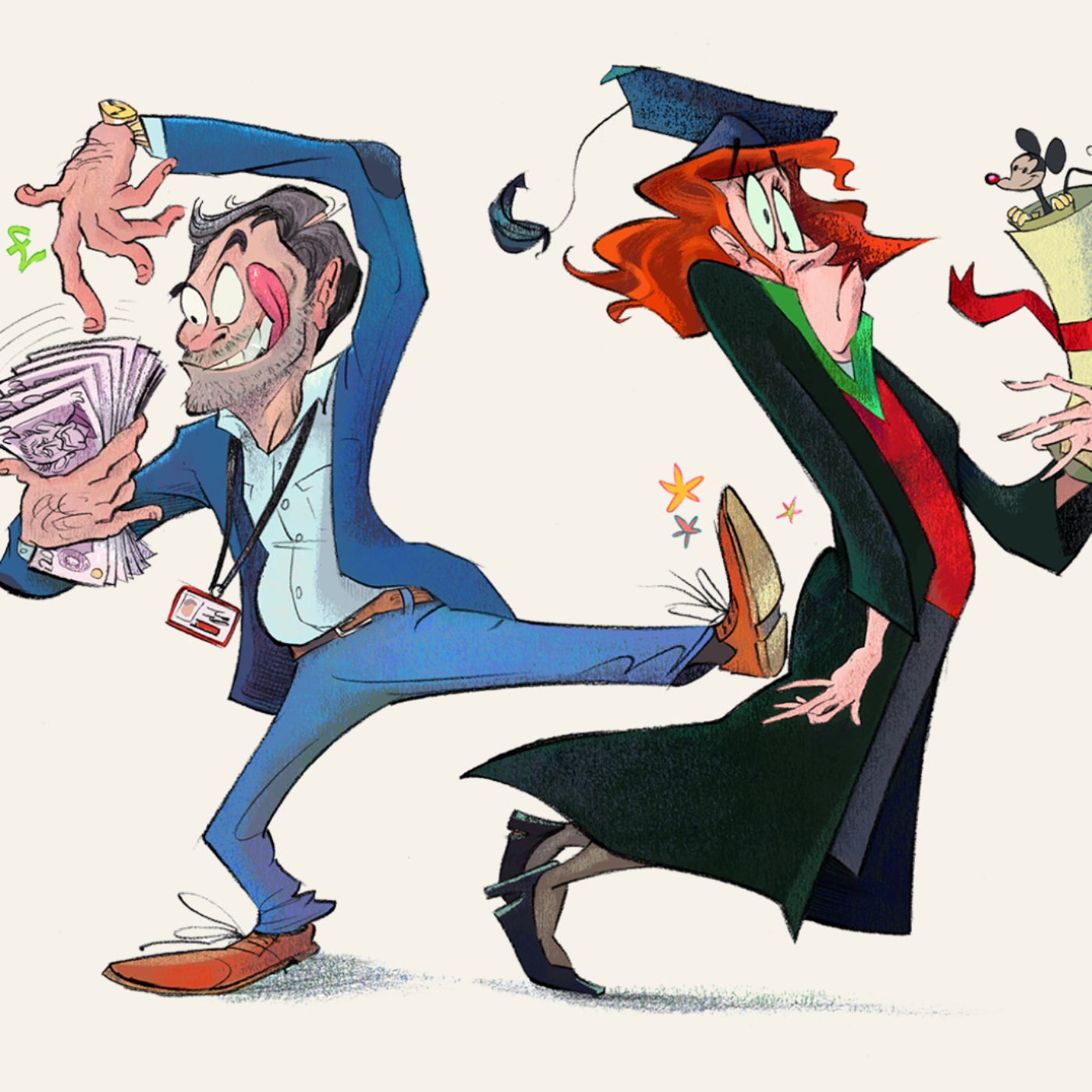
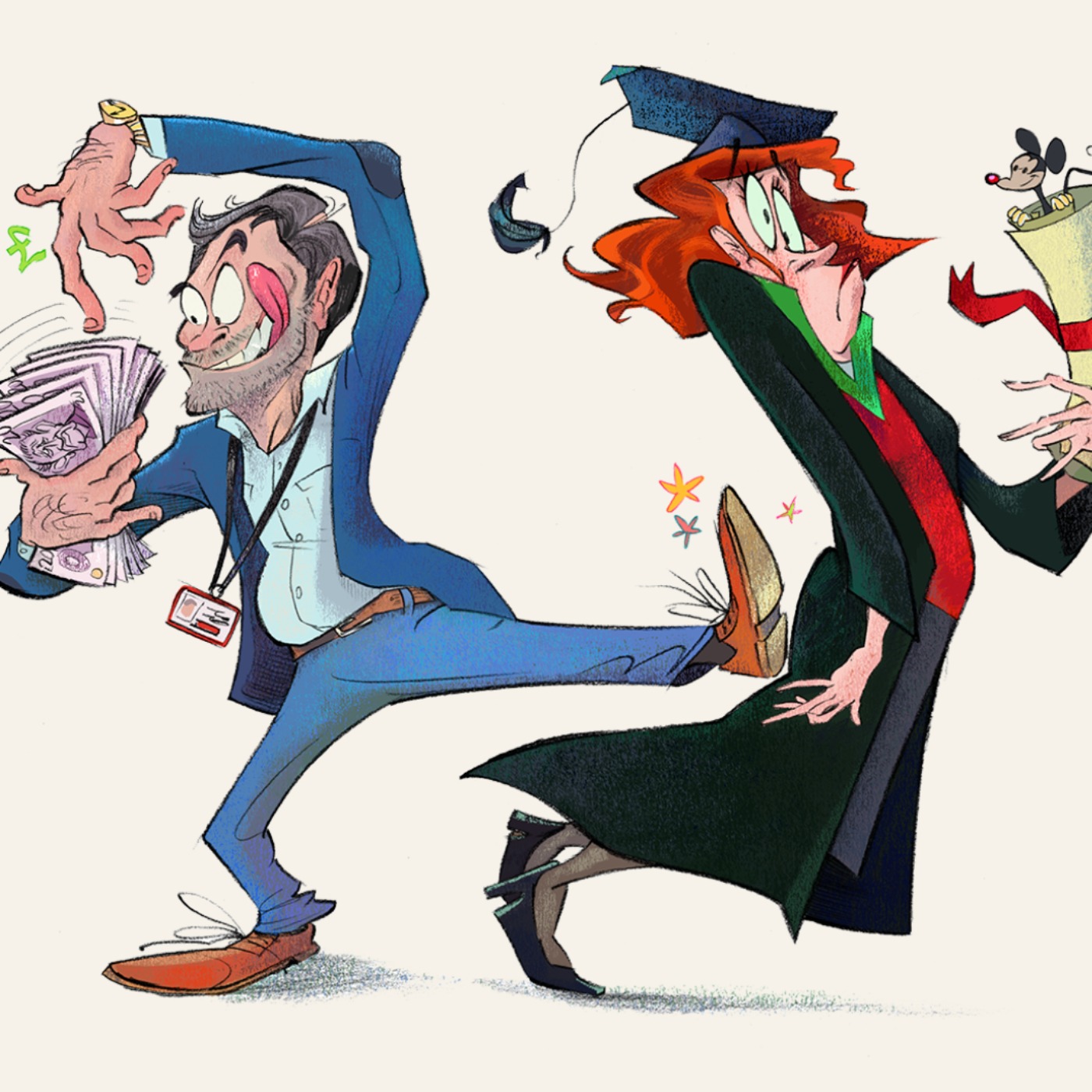
For this week’s Edition, William Moore is joined by the Spectator’s economics editor Michael Simmons, writer-at-large Max Jeffery and the historian Alice Loxton. This week: are Britain’s universities becoming degree factories? William Finlator explains the extraordinary growth of franchised universities – institutions which can make huge profits while offering courses with poor academic outcomes and, in some cases, little of the traditional university experience at all. Michael asks what universities are actually for, while Alice warns that low-quality degrees risk devaluing the reputation of British higher education. Is a bad degree worse than no degree? Also: how did Bangladesh’s violent politics end up on the streets of east London? Max explains how Britain has become a major arena for the country’s political factions, following the fall of Sheikh Hasina, with rival groups clashing on the streets while exiled politicians lobby British MPs. Is Britain equipped to deal with foreign po
For this week’s Edition, William Moore is joined by the Spectator’s economics editor Michael Simmons, writer-at-large Max Jeffery and the historian Alice Loxton. This week: are Britain’s universities becoming degree factories? William Finlator explains the extraordinary growth of franchised universities – institutions which can make huge profits while offering courses with poor academic outcomes and, in some cases, little of the traditional university experience at all. Michael asks what universities are actually for, while Alice warns that low-quality degrees risk devaluing the reputation of British higher education. Is a bad degree worse than no degree? Also: how did Bangladesh’s violent politics end up on the streets of east London? Max explains how Britain has become a major arena for the country’s political factions, following the fall of Sheikh Hasina, with rival groups clashing on the streets while exiled politicians lobby British MPs. Is Britain equipped to deal with foreign po
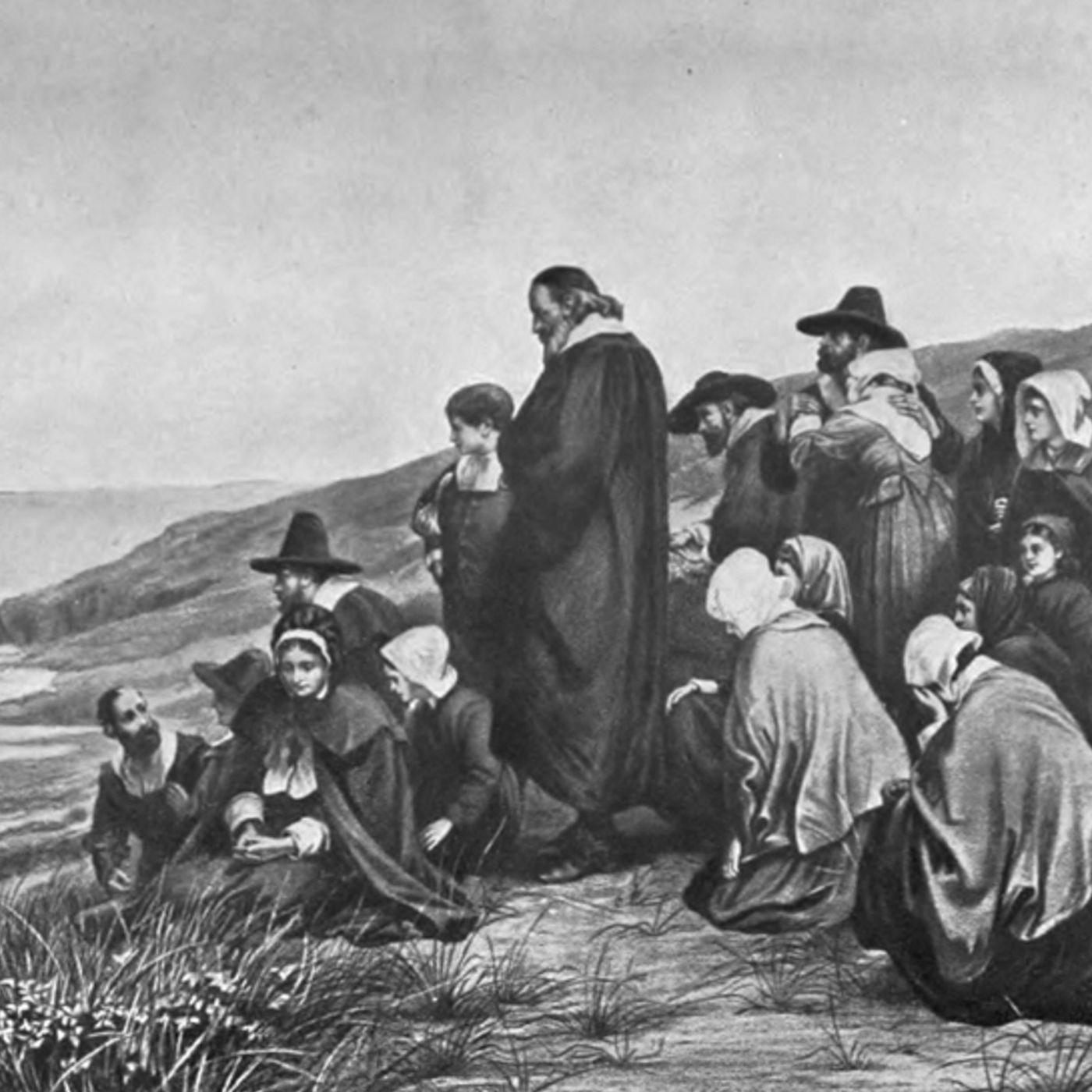
1894 DEPARTING The Mayflower Voyage and Pilgrim Settlement Historian David S. Reynolds, author of Two Ships: Jamestown 1619, Plymouth 1620, and the Struggle for the Soul of America, joins John Batchelor to examine the 1620 arrival of the Mayflower. Fleeing religious persecution in England, the Puritans first moved to Holland and then sailed to the New World under leaders such as William Bradford. Their pastor, John Robinson, stayed behind. The passengers signed the Mayflower Compact and settled near Wampanoaglands later documented by Roger Williams. Part One. (1)
Cartoonist and author Kaz Cooke on the eccentric and rebellious women who became clairvoyants, mediums, mind-readers and magician's assistants, carving out lives on the fringes of polite Victorian society. In ancient times, women were thought to be able to stand outside of time and peer into the future, or to make contact with "the other side". For a long time, omen had standing in different societies as spiritual intermediaries who channelled prophecies, and divine guidance for rulers and ordinary people, until the powers that be declared them all to be witches and had them killed. But in the 19th and early 20th centuries, several catastrophic wars created a boom for spiritualism and for contacting the dead. A series of witchy women emerged to put people in touch with their dead loved ones. While most of these women were either scam artists or who had been coerced into the game at a young age by exploitative relatives, they were charismatic, enigmatic, brave, hardworking and eccentric
Greg Wise tells Gyles about his life - starting with the fascinating history of his parents, both of whom had overcome adversity and were creative, yet ultimately badly matched. As a result, Greg and his older sister, Clare, grew up in a turbulent household, caught between their dad's self-containment and withdrawal and their mum's violent and passionate outbursts of rage. This brought the siblings close - and the episode ends with Greg's moving account of caring for Clare during her final illness, and her death in 2016. Greg also talks about his school days, when he took the unprecedented step of joining the choir and the rugby team, his days at university in Scotland, and his eccentric and sociable student flat. He talks about the death of his friend, Simon. And he talks about meeting Emma Thompson and their experiences doing IVF. Greg's book Grief Talking is out now and available here (https://www.waterstones.com/book/grief-talking/greg-wise/9781035058297). It's highly recommended f
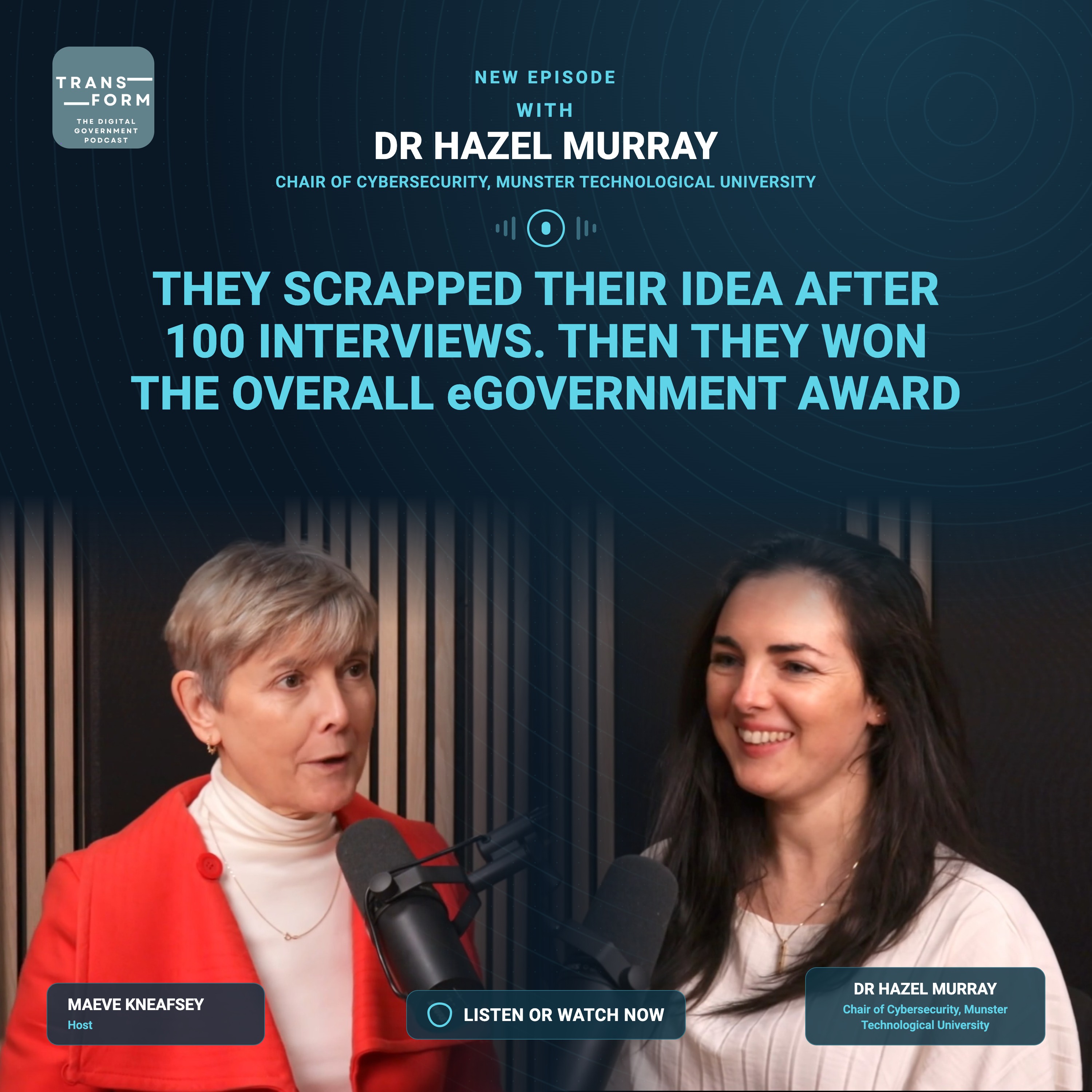
What if the most valuable thing you could do before building a public service was to talk to 100 people first? In this episode, the overall winner of the 2026 Ireland eGovernment Awards explains how listening changed everything. In this episode of Transform Gov, we speak to Dr Hazel Murray, Chair of Cybersecurity at Munster Technological University (MTU), who led MTU's Cyber Resilience Project, winner of its category and the overall winner this year. Her team set out to build a complex digital twin, but changed course after interviewing 100 small business owners. The resulting tool is set to launch on the National Cyber Security Centre website in 2027. This conversation offers this advice: Talk to your users before you build anything. MTU interviewed 100 small business owners and dropped its original idea. Reach people through the organisations they already trust. Local enterprise offices opened doors when €50 vouchers didn't. Give people three things to do, not 300. The barrier wasn't
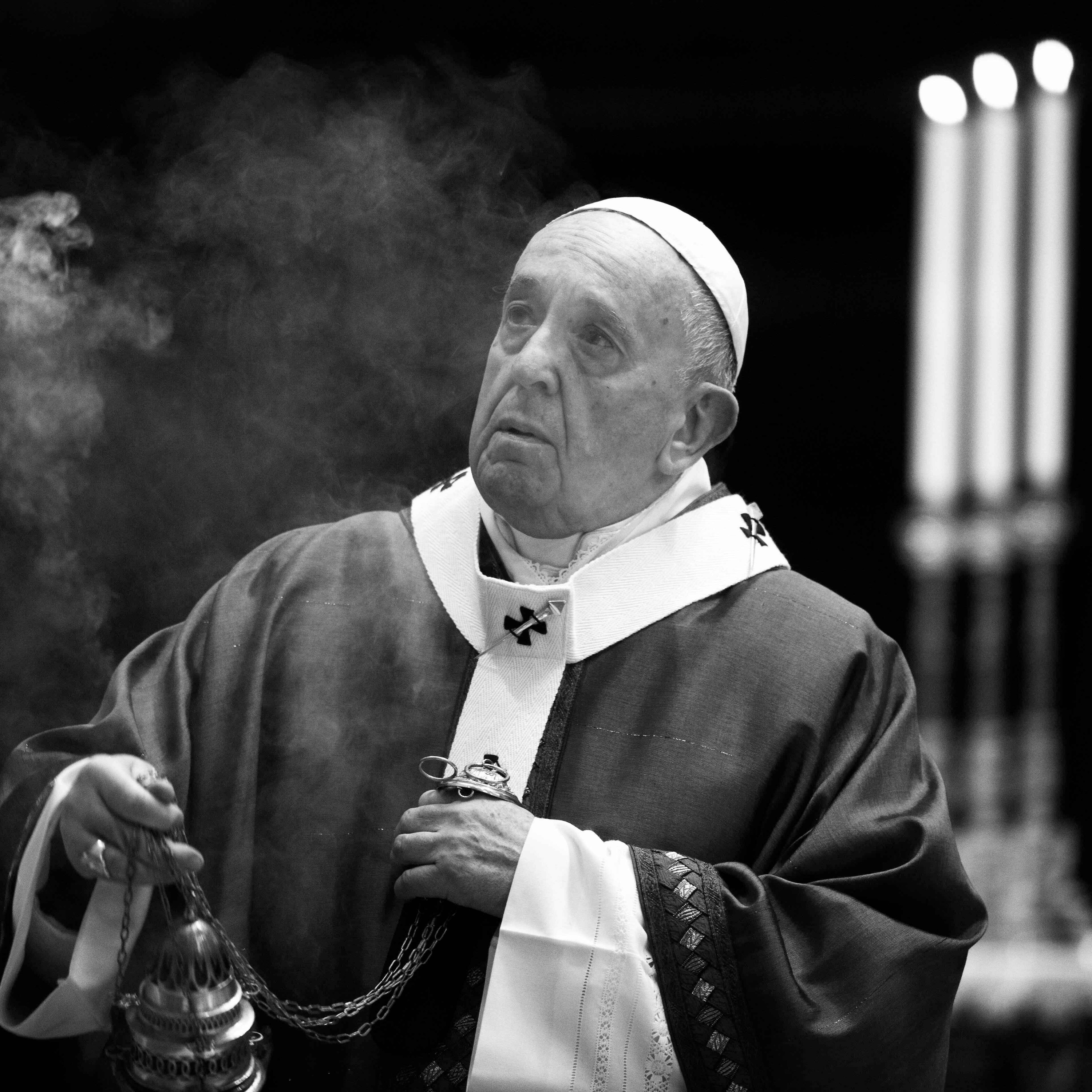
The publication of extracts from Pope Francis’s private diaries has reignited controversy over the late pontiff, revealing a man tormented by spiritual self-doubt, dark temptations and apparent encounters with the devil. His spiritual crisis coincided with one of the most controversial decisions of his pontificate: restricting the celebration of the traditional Latin Mass. On Holy Smoke, Damian Thompson is joined by moral theologian Fr Alexander Lucie-Smith to discuss the revelations. Do the diaries reveal a great Catholic mystic or raise uncomfortable questions about Francis’s suitability for the papacy? And why have they been published now – what might they mean for Pope Leo XIV? Produced by Patrick Gibbons. Contact us: [email protected] Hosted on Acast.
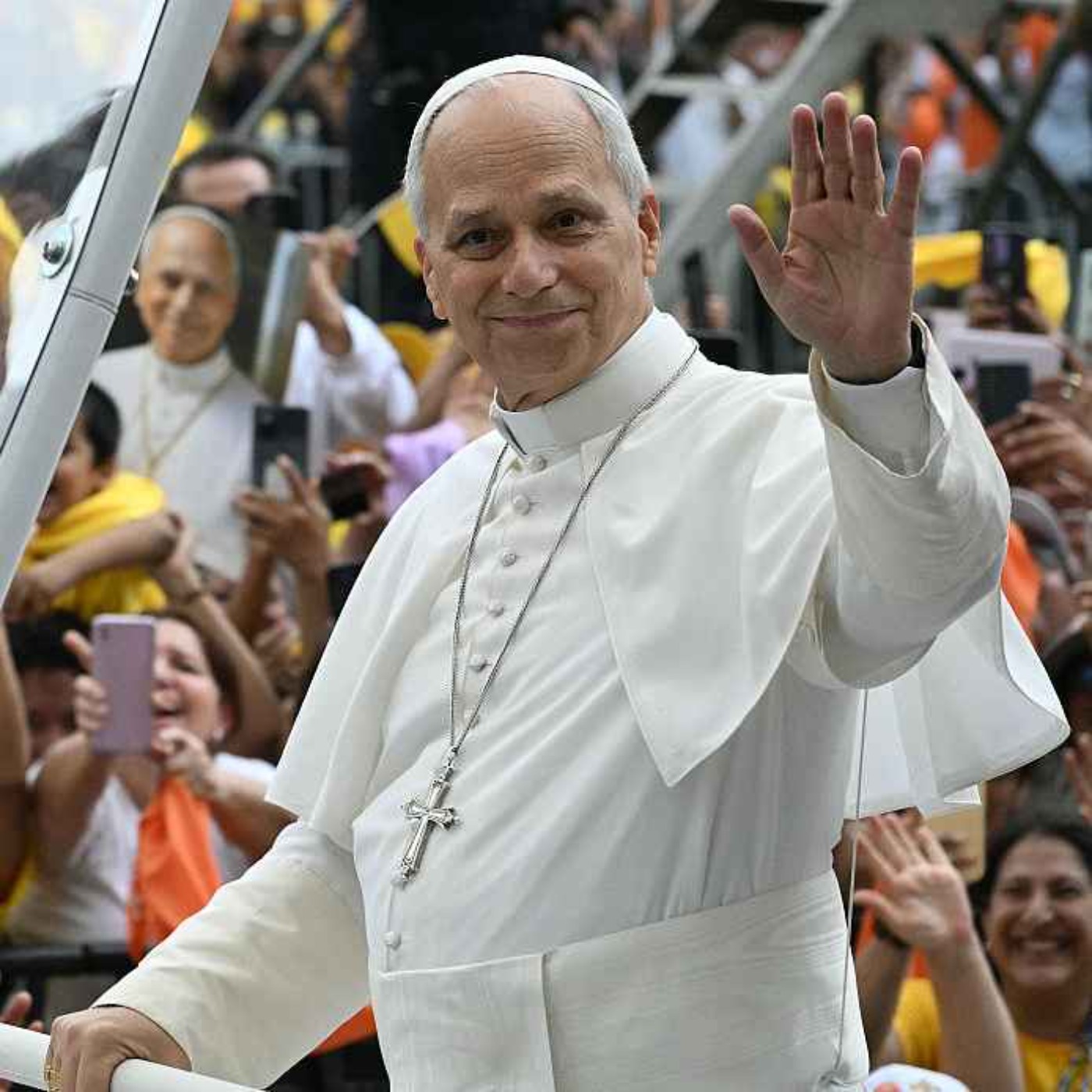
Pope Leo has returned to Peru, the country he called home for nearly two decades, in the final leg of his historic South American tour. Greeted by millions of cheering Catholics, the visit has been a personal triumph for the pontiff. But what makes Peruvian Catholicism so distinctive, and how has it shaped his faith? Damian Thompson is joined by Thomas Munson to explore the country's fascinating blend of Catholicism and indigenous Incan beliefs. Where is the line between adapting Christianity to local cultures and religious syncretism? And what can Pope Leo's relationship with Peru tell us about the direction of his papacy? Plus: as Catholicism faces declining Mass attendance across much of Latin America, could Pope Leo's visit inspire a religious revival? Produced by Abigail Brierley. Contact us: [email protected] Hosted on Acast.
On this episode of Holy Smoke, Damian Thompson is joined by British pianist Mishka Rushdie Momen to explore the extraordinary musical world of 18th-century France - where religion, courtly spectacle and music were deeply intertwined. They discuss the music of François Couperin, Jean-Philippe Rameau and the pioneering composer Élisabeth Jacquet de La Guerre, as well as the unlikely connection between Catholic and Protestant composers. They also ask whether the Church has lost its musical vernacular; and whether the sacred music of the Baroque could have a place in churches today. Produced by Abigail Brierley. Contact us: [email protected] Hosted on Acast.
Public-health protections can justify some limits on individual choice.
Share your view, then see how readers voted. No sign-in required. This poll is shared across stories.
Do you agree or disagree?
Common Quandary
A Common Quandary to discuss
Another conversation to explore, separate from this news story.
An old friend refuses to use someone's new name. Do you correct them at the reunion?
At a reunion, an old friend repeatedly uses the name a former classmate had years ago. They say shared history gives the old name affectionate meaning; the classmate has clearly introduced themselves with a different name.
When does preserving your shared past deny who someone is now?