Listen through the publisher, then discuss the episode here or arrange an in-person Roundtable. Your city determines where to meet.
Roundtables are designed for groups of four, with a shared subject and room for everyone to speak. Come for discussion, with no dating expectation.
Indonesia is facing its most serious political crisis in years. President Prabowo Subianto and his predecessor Joko Widodo entered government as allies. Now that alliance appears to be collapsing in spectacular fashion. After allegations of illegal wiretapping, the removal of key Jokowi loyalists and the resignation of Widodo’s son, Vice President Gibran Rakabuming Raka, Indonesia's political establishment is openly divided. Hamish Macdonald and Geraldine Doogue speak with Amanda Hodge, Asia-Pacific correspondent for The Australian, about the power struggle unfolding inside Southeast Asia's largest democracy. They examine the growing tensions between Prabowo and Jokowi, the role of the military and police, the controversy surrounding Gibran's credentials, and why economic pressures are making the situation even more unstable. As coalition partners jockey for influence and questions mount about Indonesia's political future, what does this mean for one of Australia's most important neighbours? And is this merely an elite power struggle, or a deeper test of Indonesia's democratic institutions? Guest: Amanda Hodge, Asia Pacific correspondent, The Australian Get in touch: We'd love to hear from you! Email us at [email protected]
Episode information is provided by the publisher. Listening takes place on the publisher’s service.
For review: 1. Iraq has reached a compromise with the powerful Iran-backed militia Kataeb Hezbollah, three senior security officials said, after Prime Minister Ali al-Zaidi readied security forces to move against the group. Reflecting the gravity of the situation, Iraqi Shiite political sources said Esmail Qaani, commander of Iran’s elite Revolutionary Guards’ Quds Force, arrived in Baghdad late on Monday to help defuse tensions with Kataeb Hezbollah, Tehran’s most powerful militia ally in Iraq. 2. Lebanese President Joseph Aoun launched a lengthy rebuke of Iran in an Independence Day address, arguing that the Islamic Republic does not have the right to interfere in Lebanon’s internal affairs, as it long has via support for its local terror proxy, Hezbollah. 3. Yemen’s Houthis launched strikes on the Saudi capital Riyadh on Saturday, after vowing reprisals for a “special operation” by the Saudi-led coalition fighting them. The coalition later said it had “intercepted and destroyed” thr
Hey everybody, Tom Bilyeu here. On today’s episode of Impact Theory, we’re taking on a topic that’s got the whole world holding its breath: the escalating crisis between the United States and Iran. As tensions ratchet up, we’re asking the tough questions—how did we get stuck in this “escalation trap,” and what does it mean for America’s global leverage, our economy, and our very sense of security? The conversation focused on why the traditional idea of “strategy” might be failing policymakers, using powerful analogies—like chess versus roulette—to show how doubling down in conflict can spiral out of control. We’ll break down the risks of tactical “wins” that create even bigger crises, the real leverage Iran holds with control of the Strait of Hormuz, and the mounting pressure on President Trump as political support erodes and legacy hangs in the balance. A key theme that emerged is what happens when military might runs into decentralized opposition, and why high-stakes gambles—like the
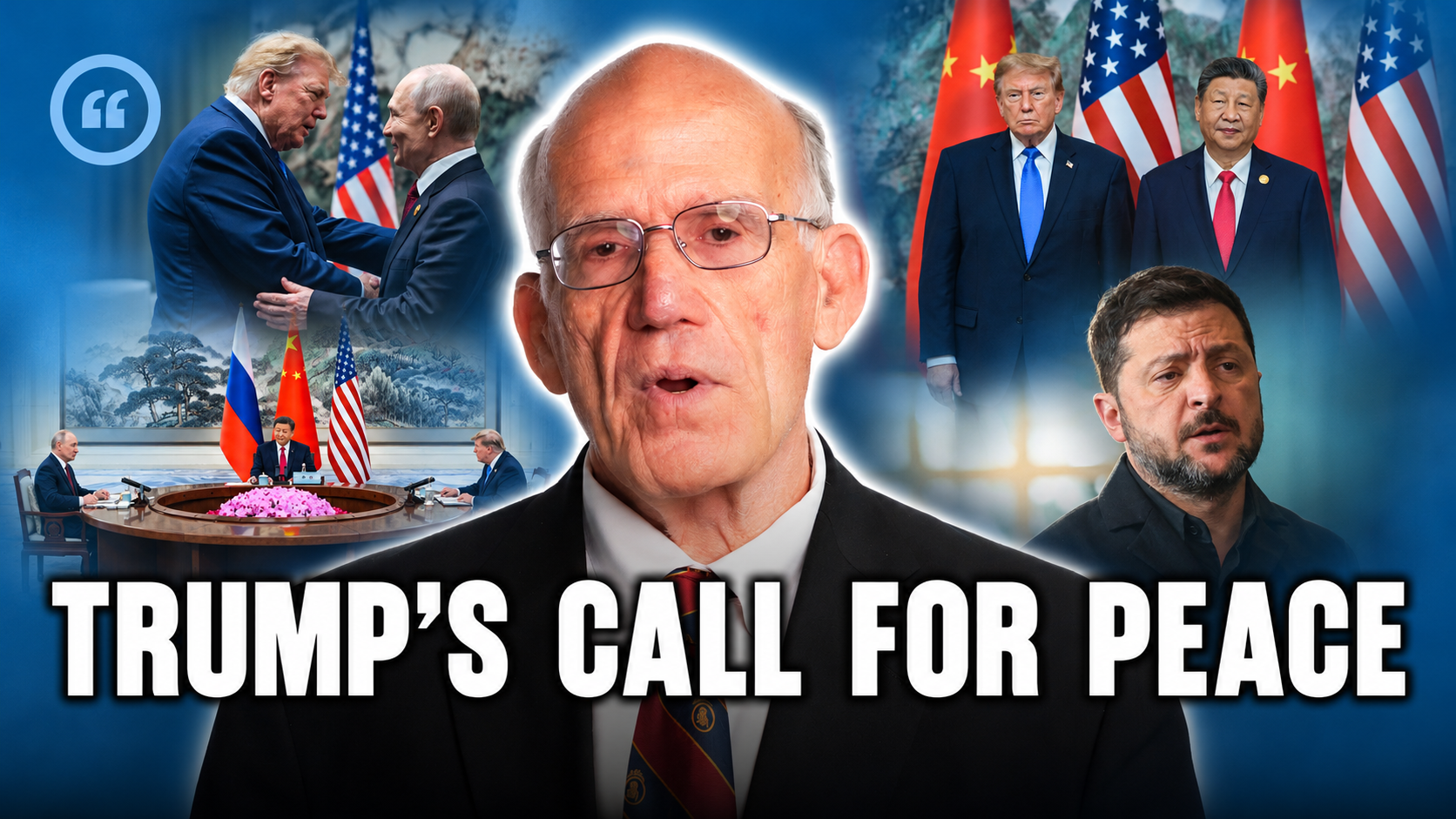
President Donald Trump's first ever trilateral summit with Vladimir Putin and Xi Jinping raises questions about the future of the war in Ukraine and whether a peace agreement could finally be within reach. Victor Davis Hanson and Sami Winc examine the summit on today’s edition of “Victor Davis Hanson: In His Own Words,” discussing Russia's declining influence, potential territorial concessions in Ukraine, and Europe's frustration over Trump's peace negotiations. Hanson criticizes Hillary Clinton's attacks on Trump's diplomacy; he also argues that European leaders have weakened their influence by neglecting defense spending and relying on American military protection. They discuss Elon Musk's shifting political allegiances, and Hanson warns that distancing himself from MAGA may not protect him from Democrat investigations. They also discuss the potential economic benefits of artificial intelligence and the challenges facing Hakeem Jeffries as Democrats prepare to take control of the Hou
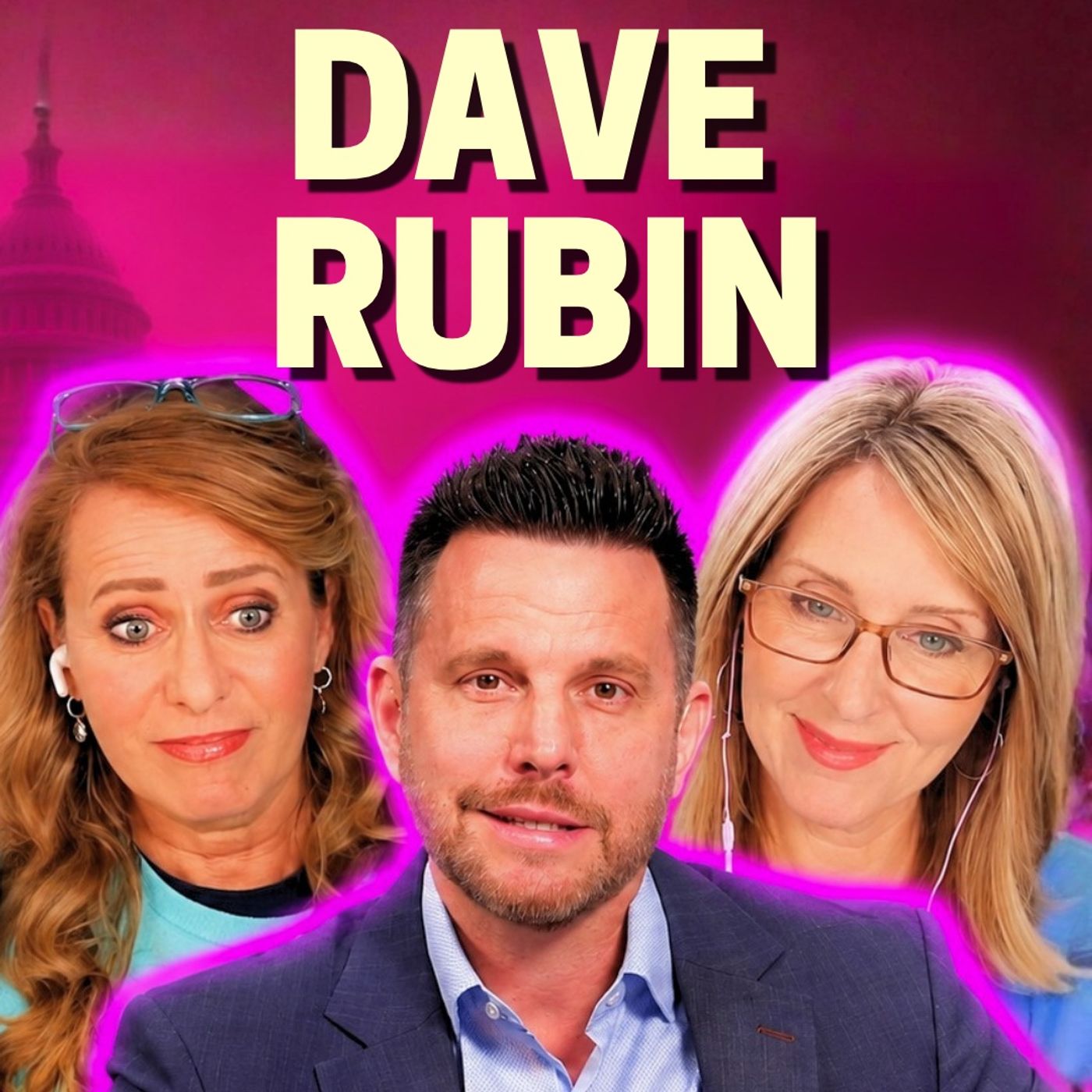
Is the Republican Party heading for a major reckoning in 2028? Dave Rubin joins The Chicks on the Right for a brutally honest conversation about Trump's final two years, the future of the GOP, and the growing divisions threatening conservatives. Dave weighs in on the Republican Party's recent election losses, whether JD Vance, Marco Rubio, or Ron DeSantis can carry Trump's agenda forward, and why he's increasingly concerned about the political direction of America. The conversation heats up as Dave takes on Nick Fuentes, the rise of extremist voices on the right, and the socialist movement gaining influence within the Democratic Party. He also discusses radical Islamism, antisemitism, the dangers of online outrage, and why he believes Western civilization faces serious challenges. Plus, with cyberattacks, banking disruptions, and nationwide outages raising concerns, Dave shares his thoughts on whether Americans should be preparing for more chaos. And don't miss the lighter side of Dave
Runaway government spending, rising costs, and a new wave of legal battles over constitutional rights. With Democrats preparing to take control of Congress and several state governments, Republicans are confronting a very different political landscape. John Solomon and Amanda Head welcome Montana Senator-elect Kurt Alme, who says Washington must get serious about reining in spending, lowering inflation, and making everyday life affordable again. Already preparing for his arrival in the Senate, Alme discusses his priorities for protecting Montana's way of life, keeping taxes low, creating good-paying jobs, and working across party lines when possible. He also addresses the challenges Republicans face in the minority, the remaining lame-duck session, and concerns about efforts to expand the Supreme Court and eliminate the filibuster. Then, Southeastern Legal Foundation President Kimberly Hermann joins the show with a warning about potential policy reversals in states where Democrats have
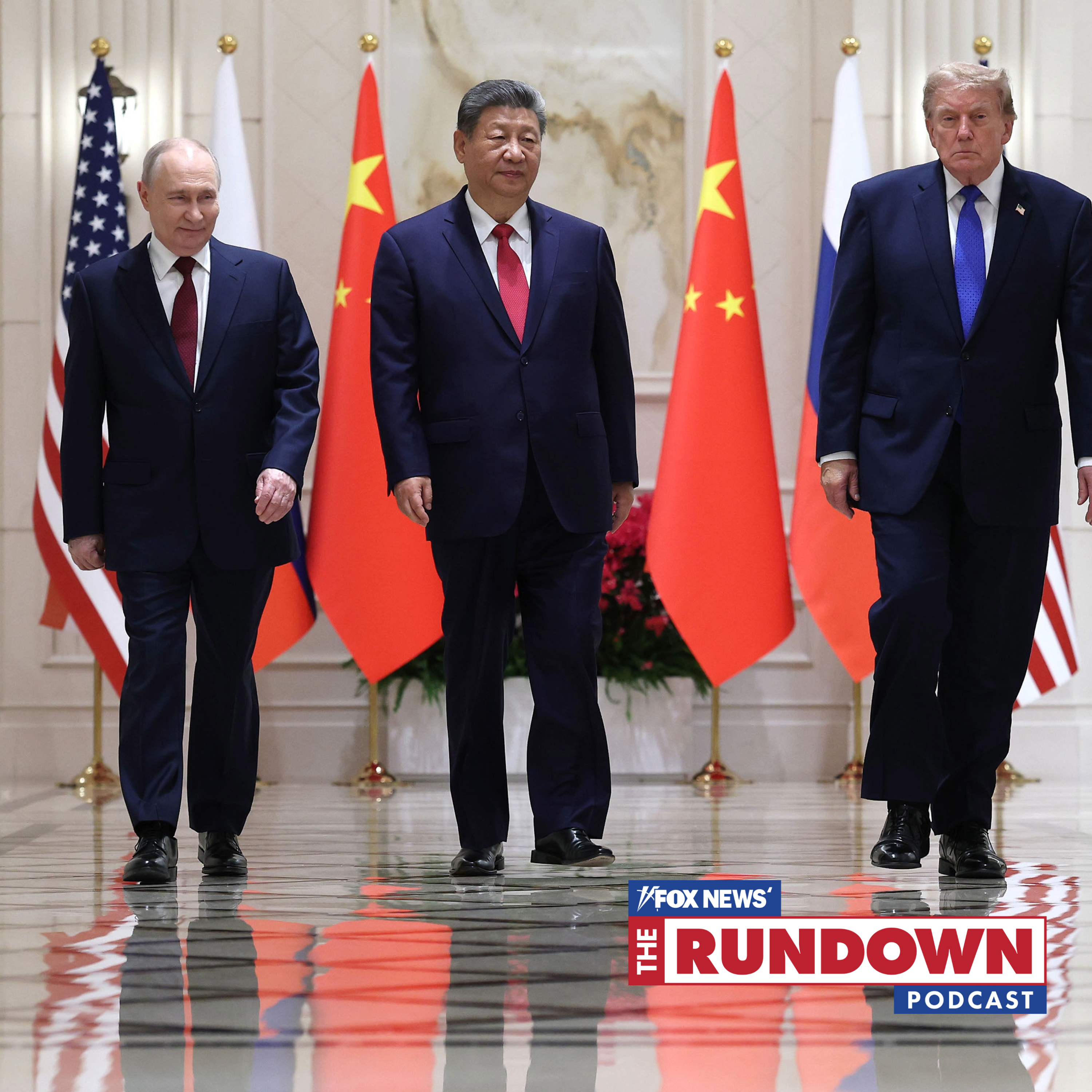
Following President Trump’s trip to Asia and a first-ever trilateral meeting with the leaders of China and Russia, foreign policy experts are weighing what was accomplished on the world stage. Former national security advisor to Vice President Dick Cheney and Heritage Foundation senior research fellow Stephen Yates joins The Rundown to analyze the summit’s outcomes on Taiwan, Ukraine, Iran, and strategic arms talks. Yates also explains how new rare-earth agreements with U.S. allies and export controls on AI chips balance Trump’s warmer rhetoric toward Beijing. Later, widespread tech outages across major platforms and government systems raise urgent questions about whether U.S. digital infrastructure is prepared for the artificial intelligence era. Former Cybersecurity and Infrastructure Security Agency (CISA) director Bridget Bean breaks down how rapid software patching can trigger cascading system failures, the growing cyber threats posed by China and Iran, and how organizations can d
Eswatini, formerly Swaziland, rarely appears in the world’s headlines, yet this small southern African nation sits at the intersection of some of the biggest challenges facing the world today.Juggling the highest HIV rate in the world with the abrupt collapsing of US foreign aid programs, Eswatini is a nation buffeted by forces far beyond its grasp. Today, Waleed Aly and Hamish Macdonald sit down with Dr Maithri Goonetilleke, founder of the charity Possible Dreams International, to explore the stories of Eswatini, and life in a country that has transformed rapidly over the past few decades. From a woman whose dream was simply to own a sewing machine, to a nation attempting to negotiate the foreign influence of an increasingly isolationist U.S., this discussion explores Eswatini on both the global and local stage. Plus, why has Eswatini accepted deportees from the U.S. who have no ties at all to either nation? Guest: Dr Maithri Goonetilleke, founder of the Possible Dreams International
According to Campbell, Australia is holding a lot more cards than we realise in today's geopolitical landscape. In this special conversation, Geraldine Doogue and Hamish Macdonald sit down with Alastair Campbell - former adviser to British Prime Minister Tony Blair and co-host of the global hit podcast The Rest Is Politics. They discuss the rise of populist movements, declining trust in democratic institutions, the appeal of political outsiders, and why Campbell believes many voters are underestimating the threats facing liberal democracies. The conversation ranges from Britain's post-Brexit politics and Donald Trump's influence on global debates to social media, artificial intelligence, young men and political disengagement, and the challenge of defending democratic values without sounding nostalgic or complacent. Campbell also reflects on power, political communication, his own evolution since leaving frontline politics, and why he thinks citizens cannot afford to sit on the sideline
Should Australia ally with Japan as China's power grows? Defence strategist Hugh White says no. At a time when leaders in Canberra and Tokyo are talking about "quasi-allies", White argues Australia should resist any move towards a NATO-style or ANZUS-style commitment with Japan. His reason is simple, and controversial: China is becoming the dominant power in East Asia, and Australia needs to prepare for that reality rather than build coalitions designed to stop it. White joins Geraldine Doogue & Latika Bourke to explain why he thinks the United States is unlikely to retain its long-held strategic position in the Western Pacific, why Taiwan has become the crucial test of American credibility, and why a future conflict over Taiwan could carry catastrophic consequences, including the risk of nuclear war. He also challenges the idea that Australia, Japan, India and the Association of Southeast Asian Nations (ASEAN) can form an effective bloc to contain Beijing. Guest: Hugh White, Author an
Employers should help workers retrain when their jobs disappear.
Share your view, then see how readers voted. No sign-in required. This poll is shared across stories.
Do you agree or disagree?
Common Quandary
A Common Quandary to discuss
Another conversation to explore, separate from this news story.
An old friend refuses to use someone's new name. Do you correct them at the reunion?
At a reunion, an old friend repeatedly uses the name a former classmate had years ago. They say shared history gives the old name affectionate meaning; the classmate has clearly introduced themselves with a different name.
When does preserving your shared past deny who someone is now?